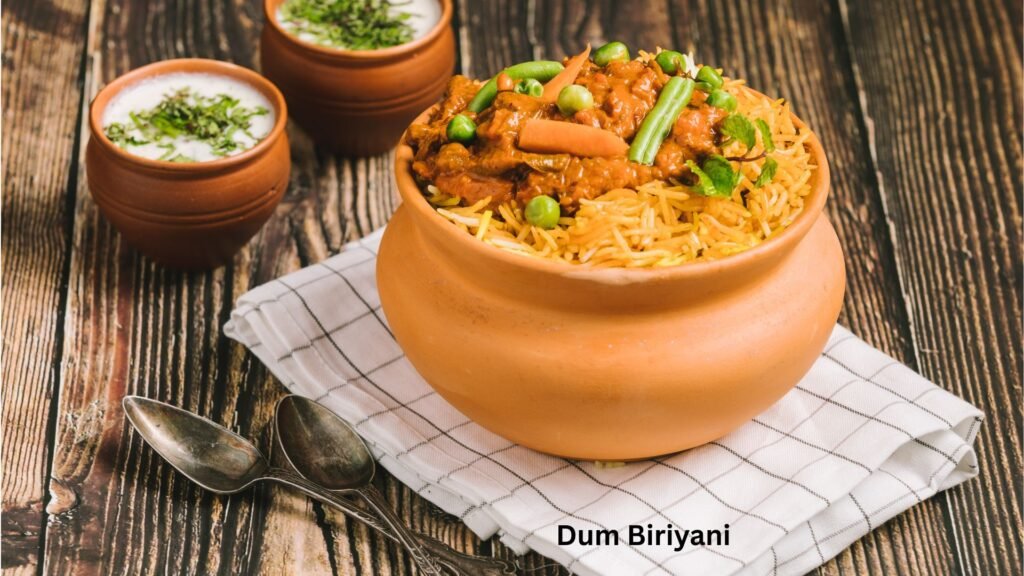
Anyone who’s had a proper dum biryani or dum aloo knows there’s something different about food cooked on dum, the flavours feel deeper, more melded together, almost like the dish has been cooking for hours even when it hasn’t. That difference isn’t just tradition, there’s real kitchen science behind why sealing the pot changes the way food tastes.
What is Dum Cooking?
Dum cooking, or dum pukht, is a slow-cooking technique where food is cooked in a tightly sealed pot over very low heat, often with the lid rimmed shut using dough, called atta ka lagan, to trap in steam and aroma. Instead of the moisture and fragrant steam escaping into the air, it stays locked inside the pot, circulating back into the food.
Where Dum Cooking Comes From
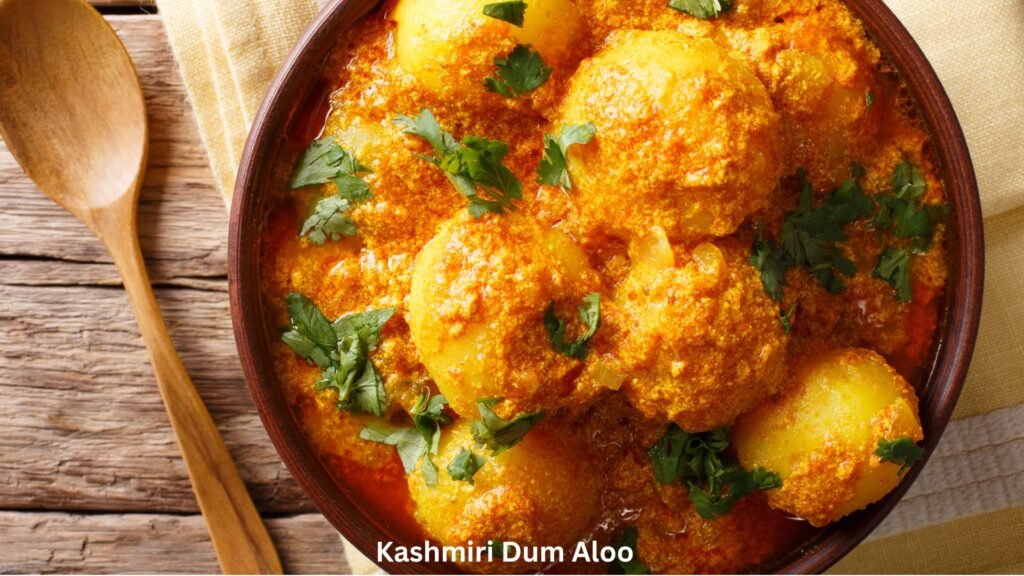
Dum pukht is believed to have originated in the royal kitchens of Awadh, present-day Lucknow, where it was reportedly developed to feed large numbers of people slowly and evenly without losing any of the dish’s aroma or moisture. The technique later became closely associated with Hyderabadi biryani, dum aloo from Kashmir, and several other regional specialities that rely on a slow, sealed simmer.
The Real Benefits
- Sealing the pot traps steam and volatile aroma compounds that would otherwise evaporate, so the dish tastes more fragrant.
- The slow, even heat allows spices and ingredients more time to break down and release flavour into the base, rather than just the surface.
- It reduces moisture loss, so grains like rice or meat stay tender instead of drying out.
- It allows flavours from different layers of a dish, like biryani, to gently infuse into one another over time.
How to Get a Dum Effect at Home
- Use a heavy-bottomed pot with a well-fitting lid to minimise steam loss.
- If you don’t want to use dough to seal the lid, place a damp cloth over the pot before covering it with the lid.
- Cook on the lowest possible flame, or use a tawa or griddle under the pot to diffuse the heat further.
- Avoid opening the lid too often – every time you lift it, you release the trapped steam and aroma you’re trying to build.
- Let the dish rest, covered, for a few minutes after taking it off the heat, so the flavours can settle before serving.
You don’t need a royal kitchen to get the benefits of dum cooking- a heavy pot, a low flame and a little patience can bring the same depth of flavour to a simple weeknight dal or pulao.