There’s a reason pani puri stalls always have a small crowd around them. One bite of that crisp shell exploding with tangy, spicy water and you’re hooked instantly. I used to save up my pocket money as a kid just for an extra plate of these at the local chaat corner, and making them at home still brings back that same excitement.
What is Pani Puri?
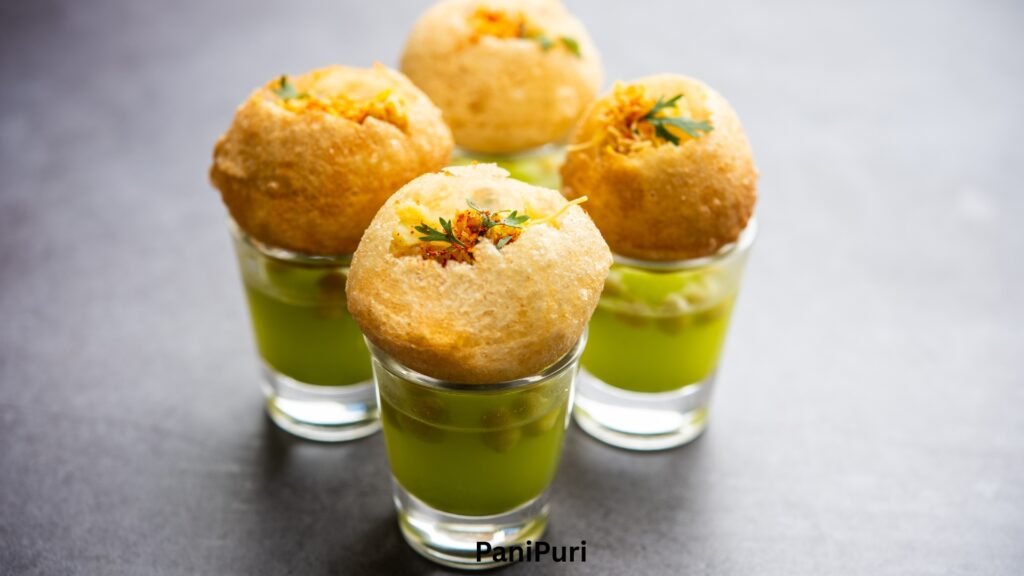
Pani puri is a beloved Indian street food snack made of small, hollow, crisp puris filled with a spicy-tangy mint and tamarind flavored water, mashed potatoes, chickpeas, and sev. Eaten in one bite, it delivers a burst of crunchy, spicy, sweet, and tangy flavors all at once, which is exactly why it’s so addictive.
Where Pani Puri Comes From
Pani puri is believed to have originated in the Gangetic plains of North India, though its exact birthplace is debated between Uttar Pradesh, Bihar, and Magadh. It travels under many names across the country: golgappa in Delhi and North India, puchka in West Bengal, gol gappa in Punjab, and paani ke batashe in some regions. Today it’s a pan-Indian street food staple, sold from carts on nearly every busy street corner, and a must-have at weddings, festivals, and family gatherings.
Health Benefits of Mint and Tamarind Water
- Mint is naturally cooling and helps soothe the digestive tract
- Tamarind is rich in antioxidants and aids digestion by stimulating bile production
- Both mint and coriander used in the water are good sources of vitamin C
- Boiled potatoes and chickpeas in the filling add fiber and plant protein, balancing out the indulgence
Ingredients:
- 1 cup semolina (rava/sooji), fine
- 2 tbsp all-purpose flour
- A pinch of baking soda
- Water, as needed
- Oil, for deep frying
- 1 cup mint leaves
- 1/2 cup coriander leaves
- 2 green chilies
- 1 inch ginger
- 2 tbsp tamarind pulp
- 1 tsp roasted cumin powder
- 1/2 tsp black salt
- Salt to taste
- 3-4 cups chilled water
- 2 medium potatoes, boiled and mashed
- 1/2 cup boiled black chickpeas
- 1 small onion, finely chopped (optional)
- Sev, for topping
Instructions:
Step 1: Make the puri dough
Mix semolina, flour, and baking soda with a little water to form a stiff dough. Knead well, cover, and rest for 20-30 minutes.
Step 2: Roll and shape the puris
Roll the dough thin and cut into small circles using a bottle cap or cookie cutter.
Step 3: Fry until puffed and crisp
Heat oil and fry the puris in batches, gently pressing with a slotted spoon so they puff up. Fry until golden and crisp, then drain on paper towels.
Step 4: Prepare the pani
Blend mint, coriander, green chilies, ginger, tamarind pulp, cumin powder, black salt, and regular salt with a little water into a smooth paste. Mix this paste into chilled water and strain for a smooth, refreshing pani.
Step 5: Assemble
Crack a small hole in the top of each puri, stuff with mashed potato and chickpeas, dip into the spicy pani, and pop the whole thing into your mouth immediately.
Tips:
Fry the puris on medium-high heat – too low and they turn hard instead of puffing up crisp. Make the pani a few hours ahead and chill it well; it tastes far better cold. Store leftover fried puris in an airtight container for up to a week so you can make pani puri on demand.
For more such quick recipes, visit my YouTube channel @qwikrecipes. If you like the recipe, do like, comment and subscribe.

Karwa Chauth 2026 Vrat Guide: Sargi, Fasting Foods and What to Eat After Moonrise
What Is Karwa Chauth Karwa Chauth is a traditional fast observed mainly by married women in North India, primarily in Punjab, Haryana, Uttar Pradesh, and

How to Store Paneer, Curd and Milk Safely During Festival Season
Festival season in an Indian kitchen means one thing: dairy everywhere. Paneer for the sabzi, khoya for the ladoos, curd for the raita and milk

Vegetarian Sources of Folate (Vitamin B9) for Indian Diets: Why It Matters Most for Women
Ask most Indian vegetarians which nutrients they need to watch and you’ll hear about protein, iron and maybe B12. Folate rarely comes up in conversation,

Health Benefits of Gond Katira (Edible Gum): The Cooling Ayurvedic Ingredient Everyone Searched For
If you’ve spent any time in an Indian kitchen during the hotter months, you’ve probably seen small, translucent, crystal-like pieces soaking in a bowl of

Paneer vs Tofu vs Soya Chunks: Which Vegetarian Protein Should You Choose?
What Are Paneer, Tofu, and Soya Chunks? Paneer is fresh Indian cottage cheese which is made by curdling full-fat milk with lemon juice or vinegar.

Healthy Substitutes for Maida (Refined Flour) in Everyday Indian Cooking
Maida has been the quiet backbone of Indian snacking for decades. Maida is used in everything from bhature and samosas to the naan at your

Do Indian Foods Work Like Ozempic? Everyday Foods That Support GLP-1 and Natural Fullness
What Is GLP-1, Really? GLP-1, or glucagon-like peptide-1, is a hormone your own gut releases after you eat. It releases especially after fibre, protein and
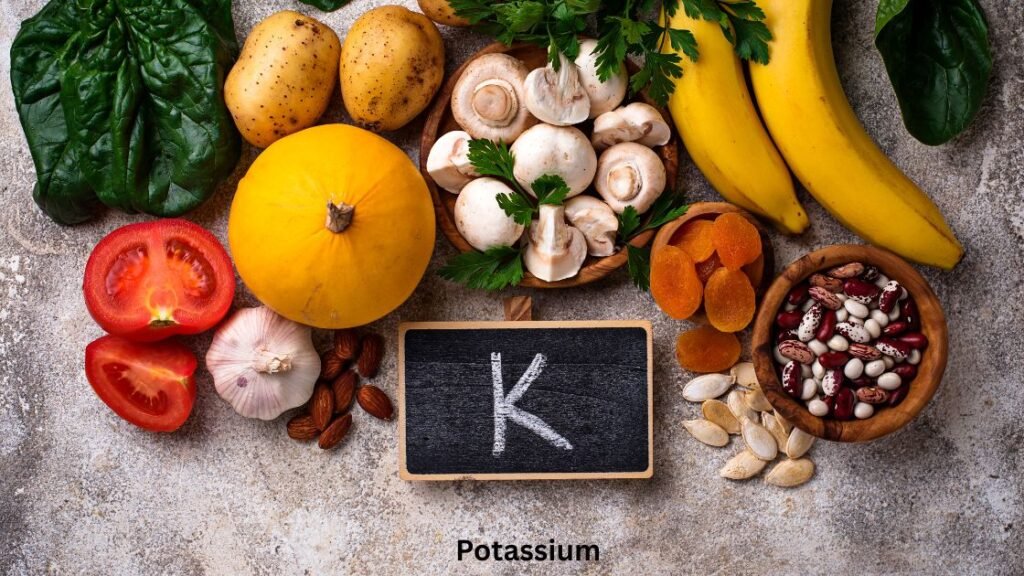
Vegetarian Sources of Potassium for Indian Diets: Preventing Cramps, Fatigue and High Blood Pressure
If you have ever felt an unexplained muscle cramp climbing up your calf at 2am or found yourself inexplicably tired despite sleeping well, potassium might
Natural Electrolyte Drinks from Your Indian Kitchen: Beating Dehydration Without Sports Drinks
Why Electrolytes Matter More Than Plain Water Electrolytes like sodium, potassium and magnesium control how water moves in and out of your cells and how
High-Protein Vegetarian Diet: A Practical Indian Meal Guide
Why Protein Matters (And Why Vegetarians Worry About It) Protein is the building block for muscle, skin, hair, enzymes and hormones, and unlike carbohydrates and
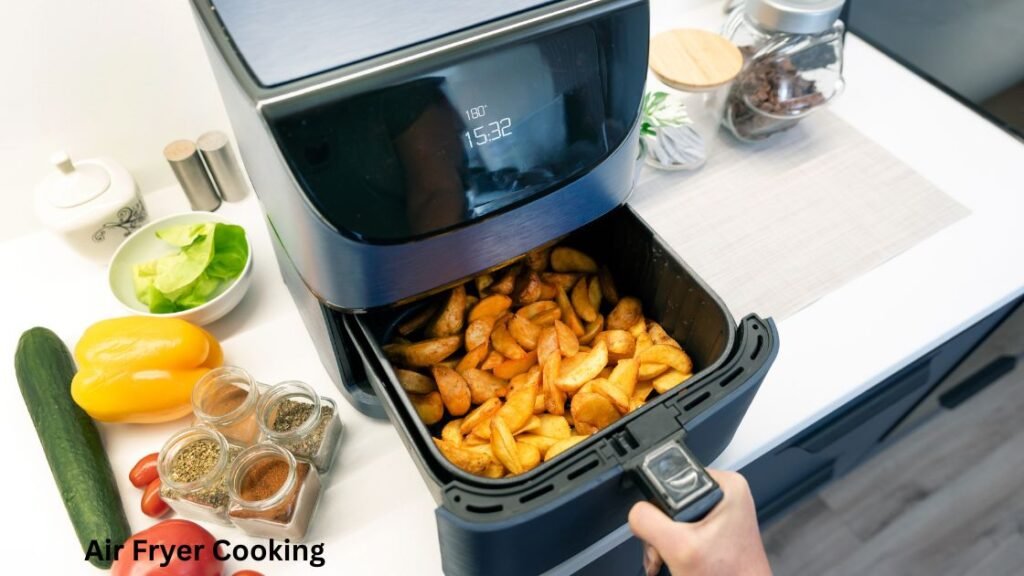
Air Fryer Indian Cooking: How to Make Your Favorite Snacks Without Deep-Frying
What Is Air Frying, and Why Indian Kitchens Are Adopting It An air fryer is essentially a small, powerful convection oven. It circulates very hot
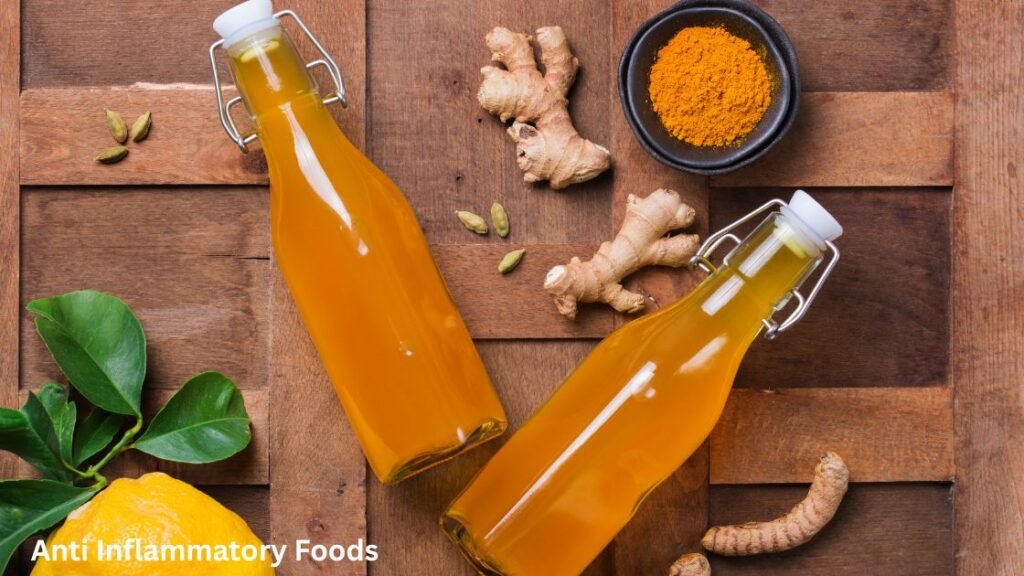
Anti-Inflammatory Indian Foods: The Spices and Ingredients Already in Your Kitchen
What Is Inflammation and Why Does It Matter? Inflammation is the body’s natural response to injury or infection. It is literally your immune system doing
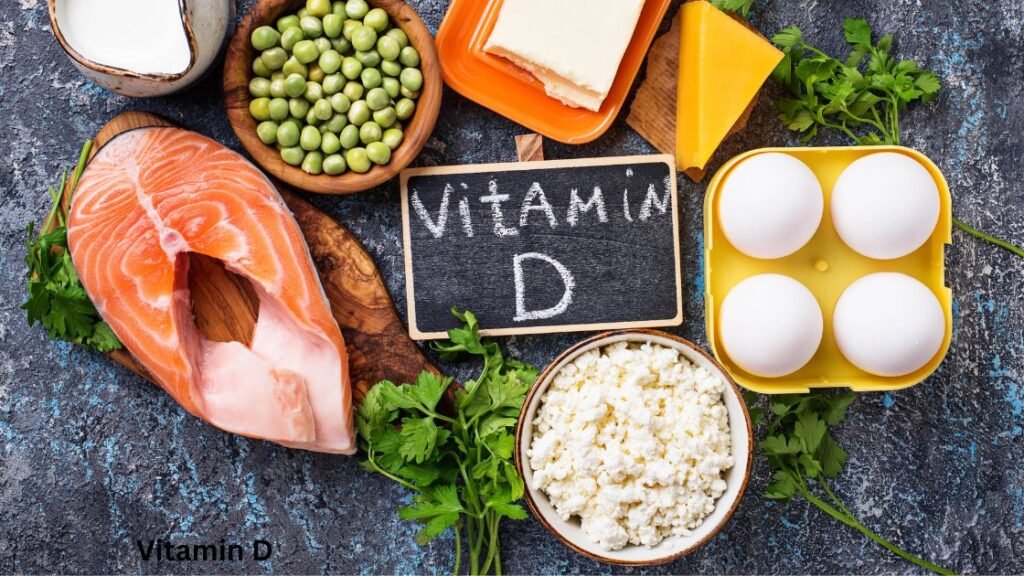
Vegetarian Sources of Vitamin D for Indian Diets: Fighting a Silent Deficiency
If you’ve ever gotten a blood test in India and been quietly told your vitamin D is “a little low”, you’re in extremely large company.

How to Enjoy Festive Sweets Without the Guilt: A Practical Guide for Ganesh Chaturthi Season
Why Festival Season Feels So Hard to Navigate Indian festivals are built around food as an expression of celebration, devotion, and hospitality. Refusing a sweet