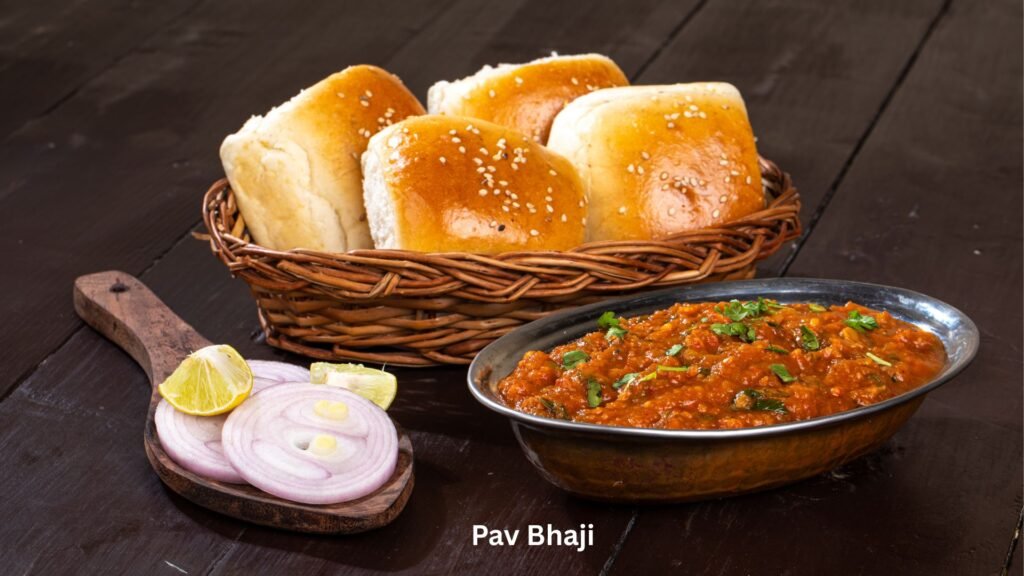
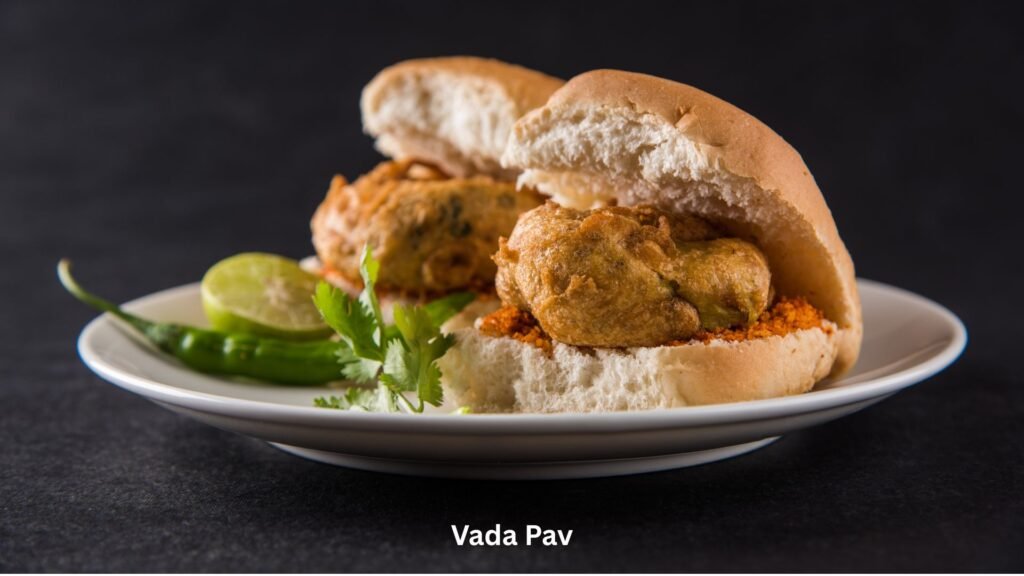
Every time I’m rushing between errands, I make a beeline for the nearest vada pav stall. There’s something about that spicy, garlicky potato fritter squeezed into a soft pav that just feels like home to me. I finally recreated my favourite station-stall version in my own kitchen, and honestly, it tastes just as good, no train platform required.
What is Vada Pav?
Vada pav is Mumbai’s favourite street food: a deep-fried, spiced potato fritter (the vada) stuffed inside a soft dinner roll (the pav), usually finished with a smear of dry garlic chutney and a fried green chilli on the side. It is sometimes called the Indian answer to the burger, but the flavour is entirely its own, built on mustard seeds, curry leaves, ginger and a hit of turmeric.
Where Vada Pav Comes From
Vada pav was born in Mumbai (then Bombay) in 1966, when a food stall vendor named Ashok Vaidya started selling battata vada tucked into pav outside Dadar railway station. It caught on quickly with mill workers and commuters who needed something filling, cheap and fast, and it soon spread across the city’s train stations and street corners. Today it’s eaten at any time of day, but it’s especially popular as an evening snack with a cup of chai.
Health Benefits of Potatoes
- Potatoes are a good source of potassium, which supports healthy blood pressure
- They provide vitamin C and vitamin B6, both important for immunity and energy metabolism
- Potato skin (left on where possible) adds dietary fibre that aids digestion
- They are naturally gluten-free and give quick, easily digestible energy
Ingredients:
For the Potato Filling:
- 4 medium potatoes, boiled and mashed
- 2 tbsp oil
- 1 tsp mustard seeds
- 1 sprig curry leaves
- 2-3 green chillies, finely chopped
- 1 tbsp ginger-garlic paste
- 1/4 tsp turmeric powder
- A pinch of asafoetida (hing)
- 2 tbsp chopped coriander leaves
- 1 tsp lemon juice, salt to taste
For the Batter:
- 1.5 cups besan (gram flour)
- 1/4 tsp turmeric powder
- 1/2 tsp red chilli powder
- A pinch of baking soda
- Salt to taste, water as needed
- Oil for deep frying
For Assembly:
- 6 soft pav (dinner rolls)
- Dry garlic chutney
- Green chutney and/or tamarind chutney (optional)
- Fried green chillies, butter for toasting pav (optional)
Instructions:
Step 1: Make the potato filling
Heat oil, add mustard seeds and let them splutter, then add curry leaves and green chillies. Add ginger-garlic paste and saute till the raw smell goes. Add turmeric, asafoetida and the mashed potatoes, mix well and cook for 2-3 minutes. Finish with coriander leaves, lemon juice and salt, then let it cool slightly.
Step 2: Shape the vadas
Divide the potato mixture into 6-8 equal portions and roll each into a smooth, round ball. Keep them covered while you prepare the batter so they don’t dry out.
Step 3: Prepare the besan batter
Whisk besan, turmeric, red chilli powder, baking soda and salt with water to a smooth, thick batter that coats the back of a spoon. Let it rest for 10 minutes.
Step 4: Fry the vadas
Heat oil for deep frying. Dip each potato ball into the batter, coat evenly, and slide gently into hot oil. Fry on medium heat, turning occasionally, until golden brown and crisp all over. Drain on paper towels.
Step 5: Assemble the vada pav
Slit each pav horizontally without cutting all the way through. Spread a little chutney on both cut sides, sprinkle dry garlic chutney generously, and place a hot vada inside. Serve immediately with a fried green chilli.
Tips:
Keep the batter thick enough to cling to the potato balls without dripping off, a runny batter makes soggy vadas. Fry on medium heat rather than high, so the coating cooks through before it browns too fast. If you like it extra spicy, slit and stuff the fried green chillies with a pinch of salt and amchur before frying them briefly. Leftover vadas (without the pav) reheat well in an air fryer or oven, though they’re best fresh and hot.
For more such quick recipes, visit my YouTube channel @qwikrecipes. If you like the recipe, do like, comment and subscribe.