The first heavy monsoon shower always meant one thing in our house: sabudana vada evening. My mother would soak the sago pearls the night before, and by the time we came home soaked from the rain, she’d have a plate of these hot, crispy vadas ready with a bowl of curd. It’s technically a fasting food, but honestly, nobody in my family has ever needed a vrat as an excuse to make it. It’s very easy to make and tastes yummy. Try and let me know if you like it too.
What is Sabudana Vada?
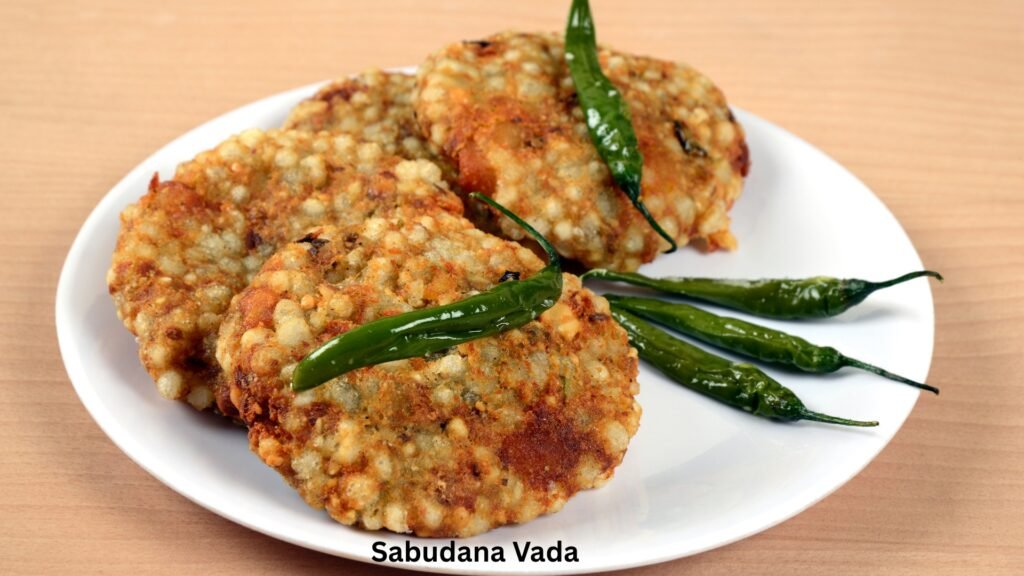
Sabudana vada is a deep-fried patty made from soaked sago pearls (tapioca pearls), boiled and mashed potatoes, roasted peanuts, and green chilies. It’s crisp on the outside, soft and slightly chewy inside, and doesn’t use any grains, which is why it’s a staple during Hindu fasting days when grains are avoided.
Where Sabudana Vada Comes From
Sabudana vada is most associated with Maharashtra, especially around Pune and Mumbai, where it’s a common sight at railway station stalls and roadside vendors. It became popular as fasting food during Navratri, Ekadashi, and Mahashivratri, and later grew into an everyday teatime snack loved well beyond vrat days, especially during the monsoon months.
Health Benefits of Sabudana (Sago)
- A quick source of energy, since sabudana is almost pure carbohydrate, ideal for sustaining a full day of fasting
- Naturally gluten-free, making it safe for those avoiding wheat
- Easy to digest, which is why it’s a preferred fasting food
- Combined with peanuts, it becomes a more complete snack with added protein and healthy fats
- Low in sodium on its own, so you can control salt levels to suit dietary needs
Ingredients:
- 1.5 cups sabudana (sago pearls), soaked overnight or 6-8 hours
- 2 medium potatoes, boiled and mashed
- 1/2 cup roasted peanuts, coarsely crushed
- 2 green chilies, finely chopped
- 1 tablespoon fresh ginger, grated
- 2 tablespoons chopped coriander leaves
- 1 teaspoon cumin seeds
- Sendha namak (rock salt) to taste
- 1 tablespoon lemon juice
- Oil for deep frying
Instructions:
Step 1: Prepare the sabudana
Drain the soaked sabudana well; it should be soft and separate, not mushy or watery. Squeeze out any extra water using your hands or a clean cloth.
Step 2: Mix the vada dough
In a large bowl, combine the drained sabudana, mashed potatoes, crushed peanuts, green chilies, ginger, coriander leaves, cumin seeds, rock salt, and lemon juice. Mix well with your hands until it holds together.
Step 3: Shape and fry
Divide the mixture into equal portions and shape into flat, round patties. Heat oil in a deep pan on medium heat and fry the vadas in small batches until golden brown and crisp on both sides, about 3-4 minutes per side.
Step 4: Drain and serve
Remove the vadas onto a plate lined with paper towels to drain excess oil. Serve hot with fresh curd or coconut-peanut chutney.
Tips:
Don’t over-soak the sabudana, or it turns mushy and the vadas won’t hold their shape. Always test-fry one vada first, if it breaks apart in the oil, add a spoon of roasted peanut powder or a little sabudana flour to bind the mixture better. Keep the oil at medium heat so the vadas cook through without burning on the outside.
Preparation Time
- Prep time: 15 minutes (plus overnight soaking)
- Cook time: 20 minutes
- Total time: 35 minutes (excluding soaking)
- Makes: 12-14 vadas
Common Mistakes
- Not draining the sabudana properly, leading to soggy, oily vadas
- Frying on very high heat, which browns the outside before the inside cooks
- Skipping the potato binder, which makes the mixture too loose to shape
- Overcrowding the pan, which drops the oil temperature and makes vadas greasy
Substitutions
- Roasted makhana (fox nuts), crushed, can replace peanuts for a nut-free version
- Sweet potato can be used instead of regular potato for a different flavor
- For a lighter version, the vadas can be shallow-fried or air-fried instead of deep-fried
- Rock salt can be swapped for regular salt if you’re not observing a fast
Storage and Reheating
Cooked vadas can be refrigerated for up to 2 days in an airtight container. Reheat in a hot pan or air fryer to bring back the crispness; microwaving will make them soft. The raw shaped patties can also be frozen for up to a month and fried directly from frozen, adding a couple of extra minutes to the frying time.
What to Serve With It
Sabudana vada is best with fresh curd (dahi), a coconut-peanut chutney, or a simple squeeze of lime. It pairs well with masala chai, especially on a rainy afternoon.
Frequently Asked Questions
Why do my sabudana vadas fall apart while frying?
This usually means there’s too much moisture in the mixture. Make sure the sabudana is well-drained and the mashed potato isn’t too wet; adding a spoon of roasted peanut powder helps bind everything together.
Can I make sabudana vada without potatoes?
Potatoes act as the main binder, so skipping them entirely makes the vadas fragile. You can reduce the quantity slightly but it’s best not to leave them out completely.
Is sabudana vada good for weight loss?
Since it’s deep-fried and starchy, it’s not particularly low-calorie. For a lighter version, try shallow-frying or air-frying instead.
Nutrition Information
- Calories: approximately 180 kcal per vada
- Protein: 3g
- Carbohydrates: 22g
- Fat: 9g
- Fiber: 1g
For more such quick recipes, visit my YouTube channel @qwikrecipes. If you like the recipe, do like, comment and subscribe.