
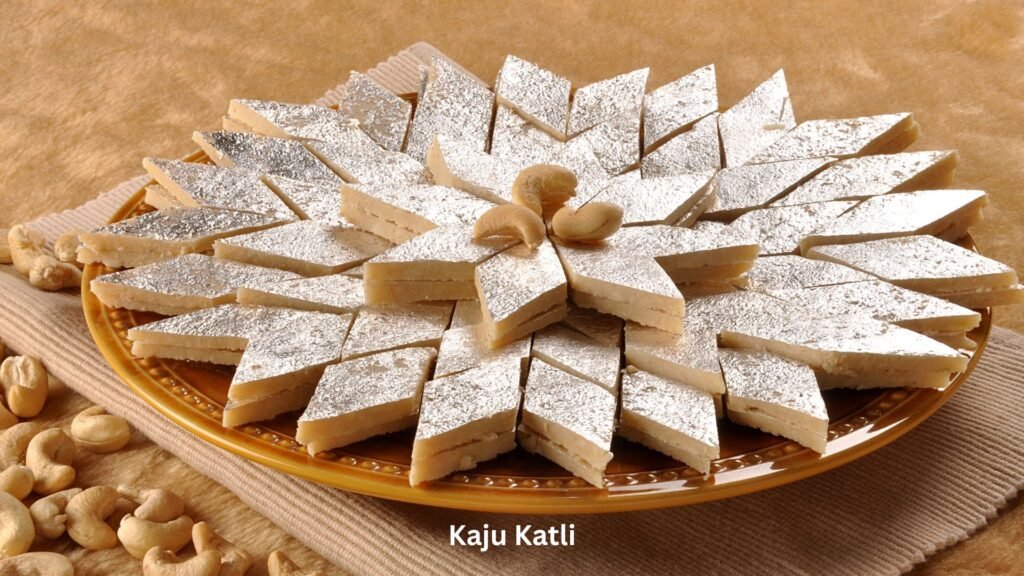
Every Raksha Bandhan, my brother’s first question isn’t about the rakhi, it’s whether I’ve made kaju katli yet. There’s something about that thin, diamond-cut cashew fudge with its silver shimmer that makes any occasion feel festive. It looks like it took hours of work, but once you know the trick, it comes together in one pan on the stove.
What is Kaju Katli?
Kaju katli, also called kaju barfi, is a classic Indian sweet made from just three core ingredients: cashews, sugar and a little ghee. The cashews are ground into a fine paste, cooked down with sugar syrup into a soft dough, then rolled thin and cut into diamond shapes, often finished with a layer of edible silver leaf (vark) on top.
Where Kaju Katli Comes From
Kaju katli doesn’t belong to one particular region the way many Indian sweets do; it grew popular across North and West Indian mithai shops through the twentieth century as cashews became more widely available, and it has since become one of the most requested sweets pan-India. It shows up at Diwali, weddings and Raksha Bandhan, and it’s often the first box people reach for because of its neat, elegant look and mildly sweet, nutty flavour.
Health Benefits of Cashews
- Cashews are rich in heart-healthy monounsaturated fats
- They are a good plant source of protein and magnesium, which supports bone and muscle health
- They contain copper and iron, both important for energy production and healthy blood
- Eaten in moderation, cashews can help you feel fuller for longer thanks to their fat and protein content
Ingredients:
- 1.5 cups whole cashews
- 1/2 cup sugar
- 1/4 cup water
- 1 tsp ghee, plus a little extra for greasing
- A few drops of cardamom powder (optional)
- Edible silver leaf/vark (optional, for topping)
Instructions:
Step 1: Make cashew flour
Grind the cashews in short pulses in a dry grinder until you get a fine, smooth powder. Don’t over-grind or the natural oils will turn it into a paste too early.
Step 2: Make the sugar syrup
In a heavy-bottomed pan, heat sugar and water together until the sugar dissolves and the syrup turns slightly sticky, about one string consistency.
Step 3: Cook the dough
Lower the heat and add the cashew powder to the syrup, stirring constantly. Add cardamom powder if using. Keep stirring until the mixture thickens into a soft dough that starts to leave the sides of the pan, then add the ghee and mix it in.
Step 4: Knead and roll
While still warm, transfer the dough onto a greased surface and knead briefly until smooth and pliable. Roll it out between two sheets of greased parchment to about 1/4 inch thickness. Press the silver leaf on top now, if using.
Step 5: Cut into diamonds
Once the sheet is just warm (not hot, not fully cold), use a sharp knife to cut it into diamond shapes. Let the pieces cool completely before separating and storing them.
Tips:
Work quickly once the dough is ready, it firms up fast as it cools, so roll it while still warm. If the dough cracks while rolling, it’s usually slightly dry, knead in a few drops of warm milk or ghee. Use raw, unsalted cashews for the best colour and flavour, and store the finished katli in an airtight container at room temperature for up to a week, or in the fridge for longer.
For more such quick recipes, visit my YouTube channel @qwikrecipes. If you like the recipe, do like, comment and subscribe.
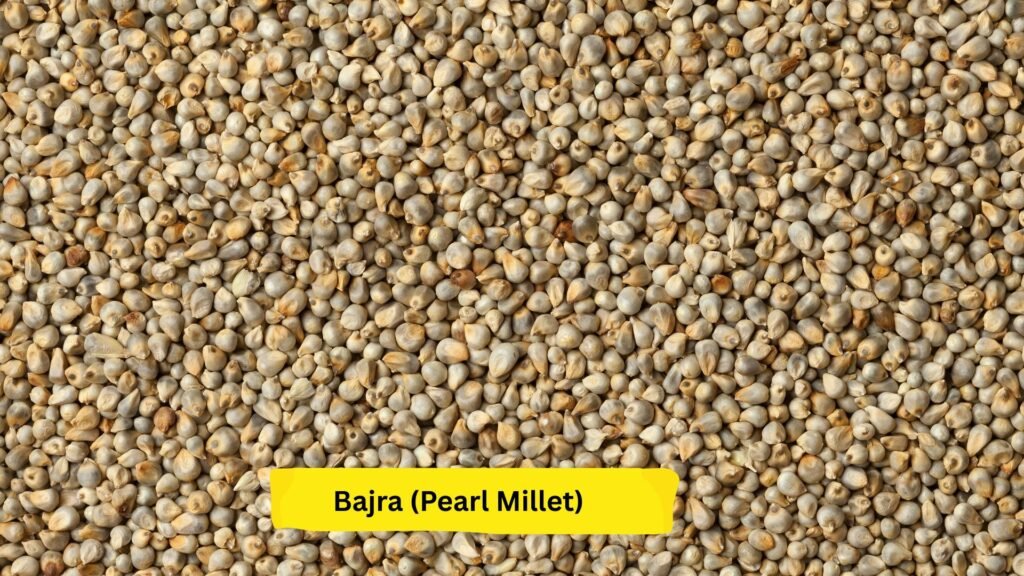
Health Benefits of Bajra (Pearl Millet): India’s Iron-Rich Winter Grain
What is Bajra? Bajra, known in English as pearl millet, is one of the oldest cultivated grains in India. It’s a small, round millet that’s
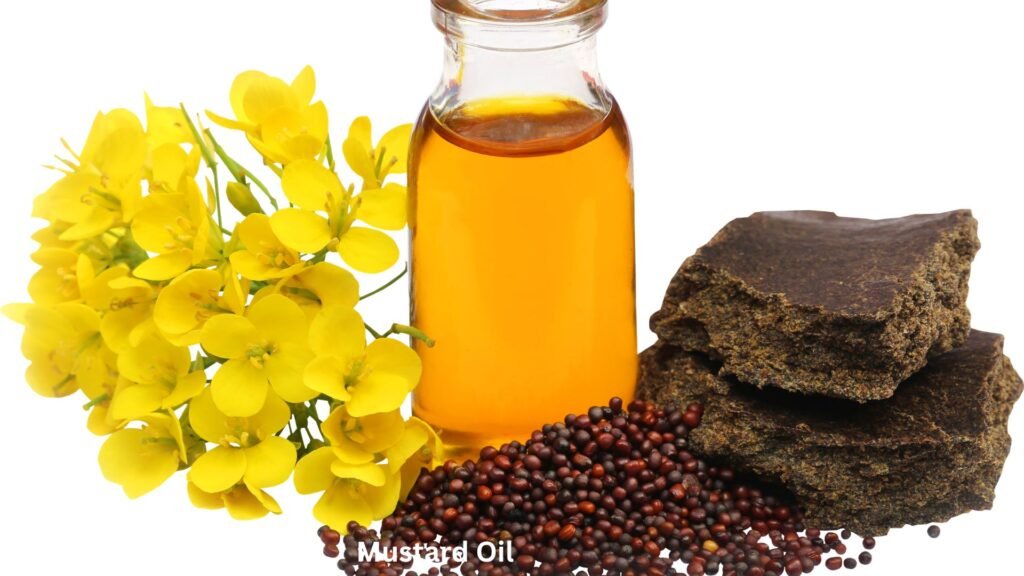
Health Benefits of Mustard Oil (Sarson ka Tel): India’s Traditional Cooking Fat
My mother still keeps two bottles of oil next to the stove, one refined and one mustard, and she reaches for the mustard one whenever
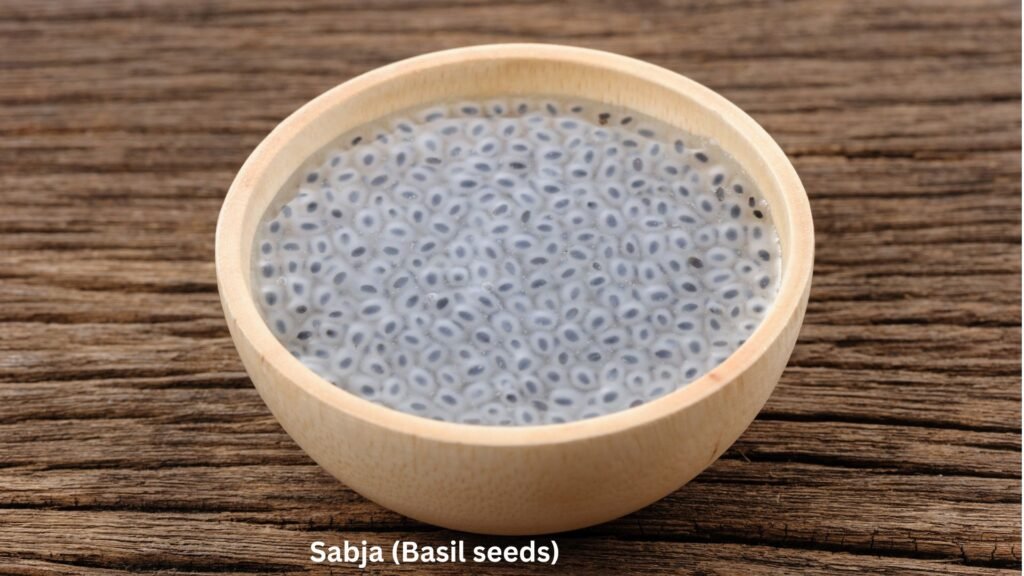
Health Benefits of Sabja (Basil) Seeds: India’s Cooling Monsoon Superseed
The first time I saw sabja seeds, I thought someone had dropped fish eggs into my falooda. My aunt laughed and told me they were
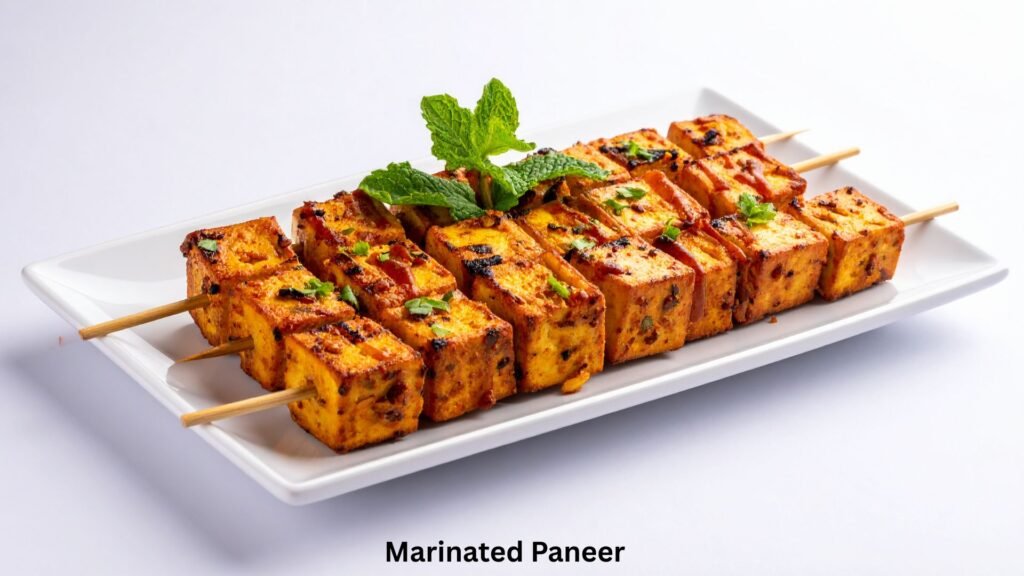
The Science of Marination: Why It Makes Indian Paneer and Vegetables Taste Better
I used to think marinating paneer for a tandoori tikka was just about coating it in yogurt and spices before it hit the pan. It
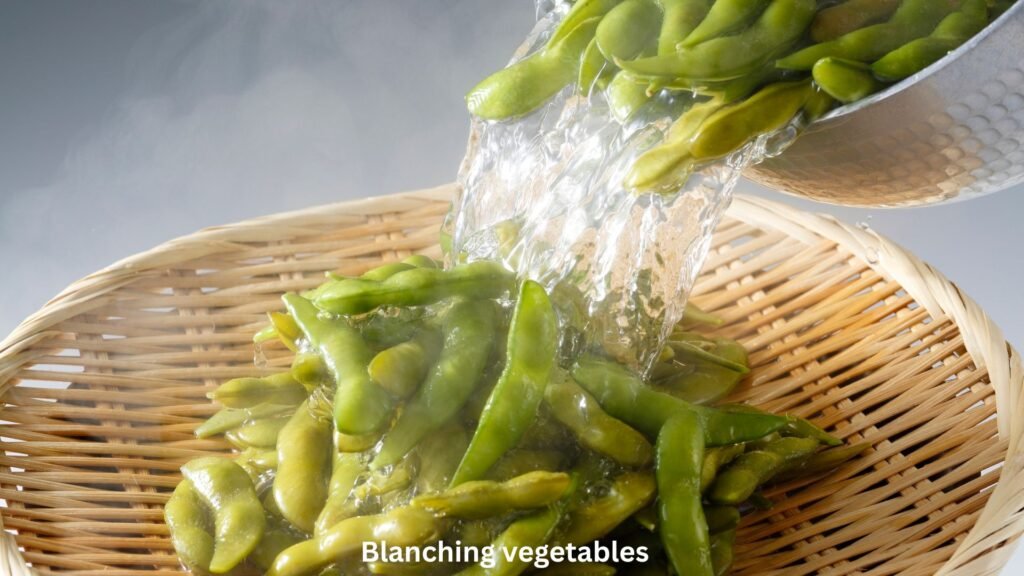
The Science of Blanching: Why Indian Cooks Parboil Vegetables Before Frying
I used to skip blanching my vegetables before frying because it felt like an unnecessary extra step, until I noticed my cauliflower always came out
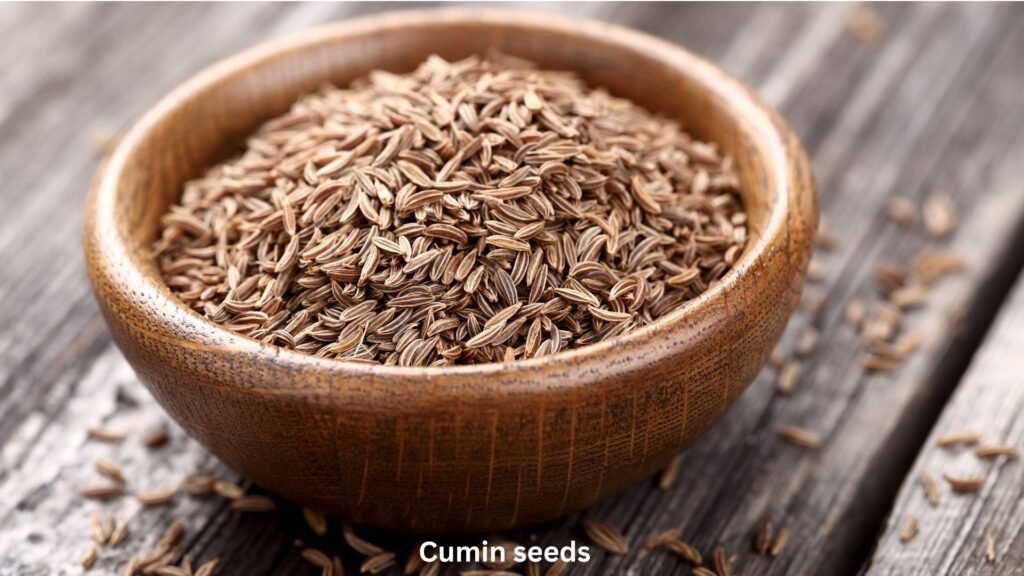
Health Benefits of Cumin (Jeera): India’s Everyday Digestive Spice
Every Indian kitchen has a jar of jeera within arm’s reach of the stove, mine sits right next to the salt, because half of what
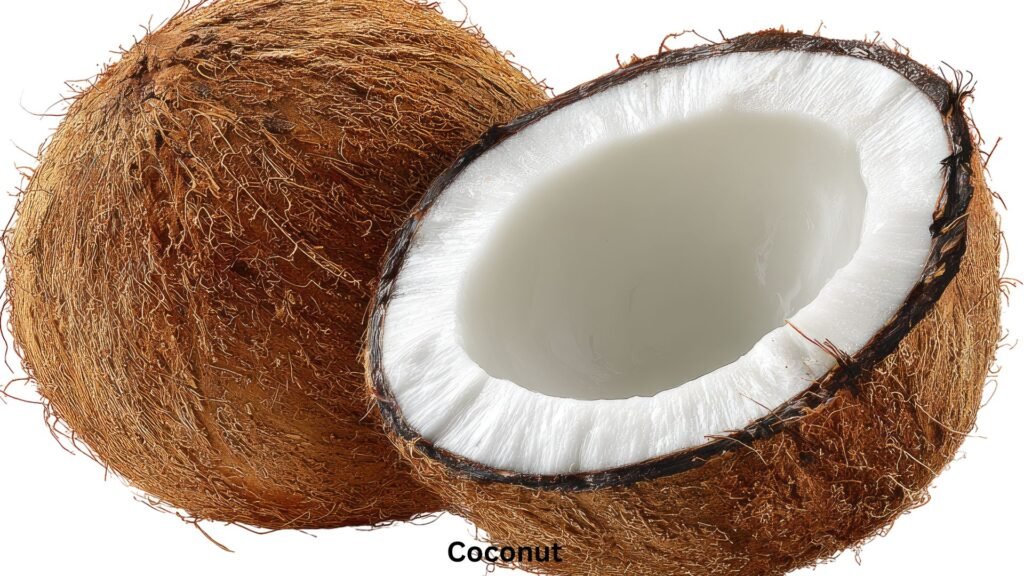
Health Benefits of Coconut: Kerala’s Onam Season Superfood
Every August, once the first coconut hits my kitchen counter for Onam cooking, I remember how much of my mother’s cooking depended on this one
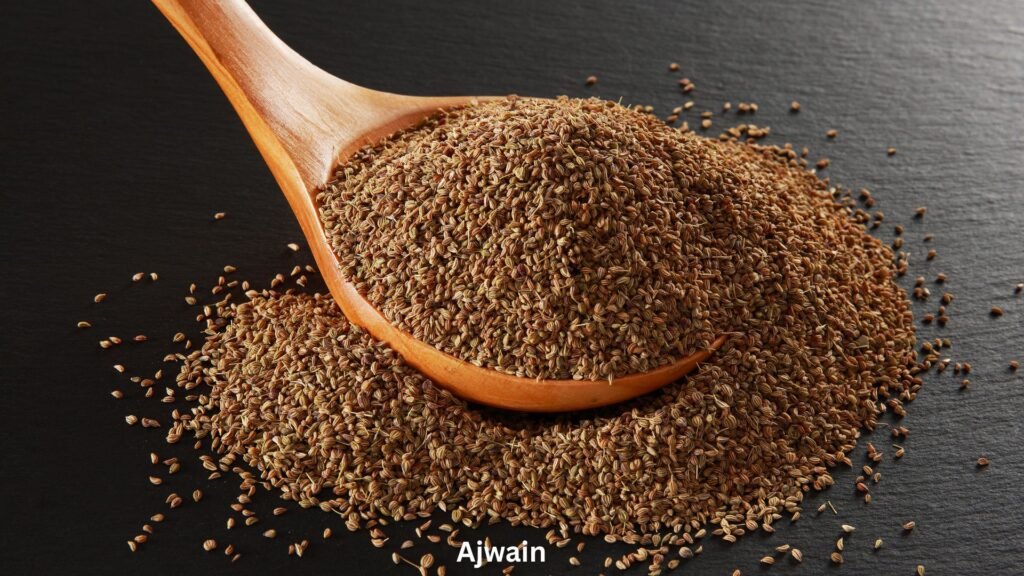
Health Benefits of Ajwain (Carom Seeds): India’s Digestive Powerhouse Spice
Every Indian household seems to have a small jar of ajwain tucked away for emergencies, the kind your mother reaches for the moment you complain
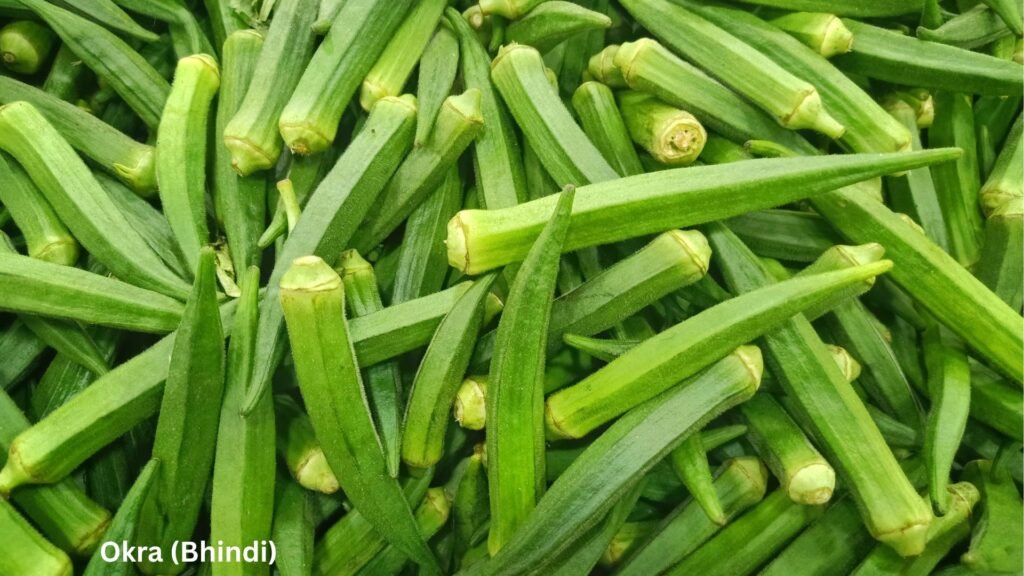
Health Benefits of Okra (Bhindi): India’s Humble Superfood Vegetable
Okra rarely gets the credit it deserves in Indian kitchens. It shows up quietly on the weekly sabzi rotation, gets called slimy more often than
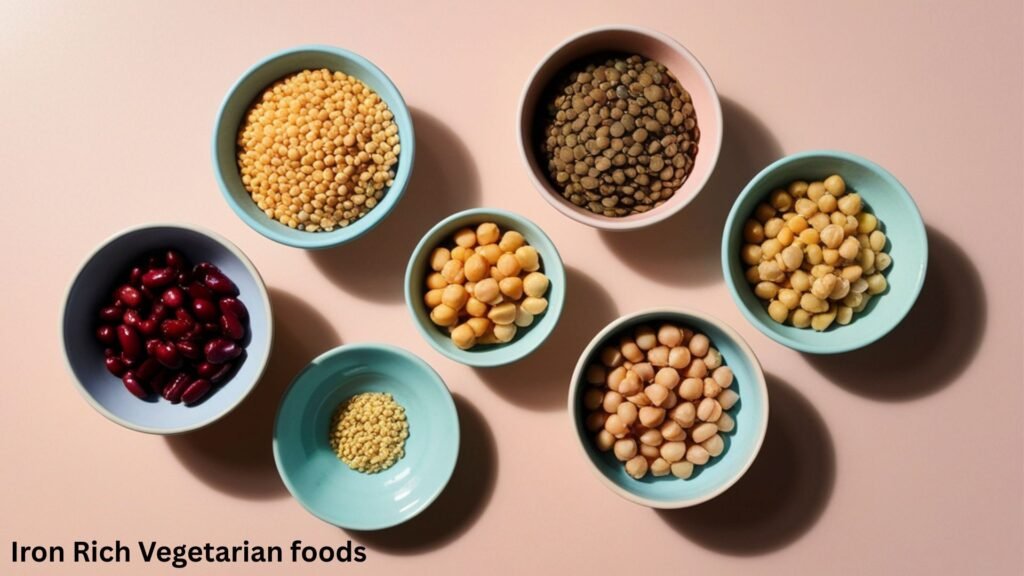
Iron-Rich Vegetarian Foods for an Indian Diet: Fighting Anemia Naturally
A routine blood test a couple of years ago told me my iron levels were lower than they should be, which surprised me because I
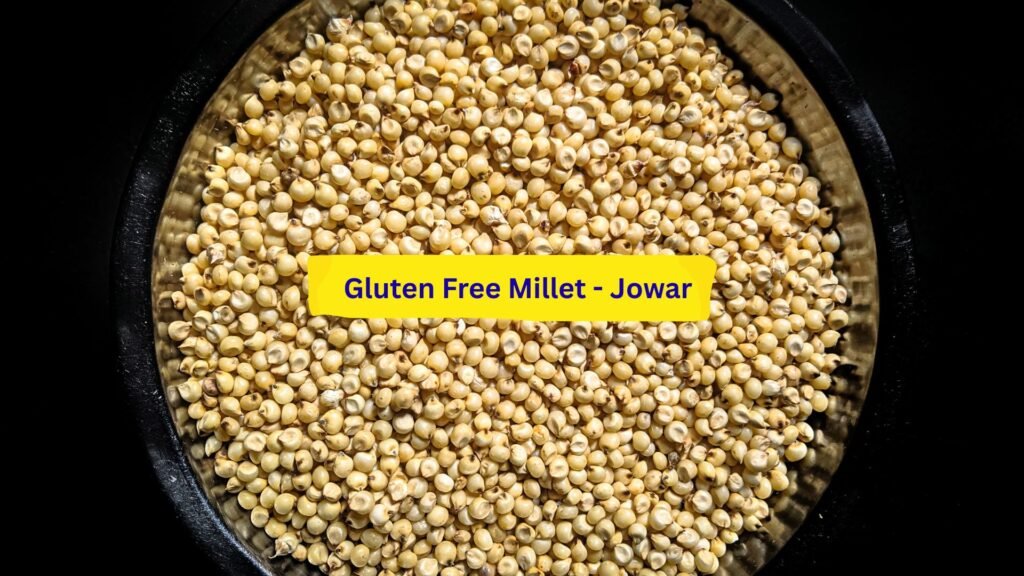
Health Benefits of Jowar (Sorghum): India’s Ancient Gluten-Free Millet
When my doctor suggested cutting back on wheat a few years ago, my grandmother’s answer was simple: go back to jowar roti, like everyone used

Why Ayurveda Says You Should Eat With Your Hands: The Science Behind an Old Habit
My grandfather never once used a spoon for his rice and dal, and as a kid I used to think it was just an old
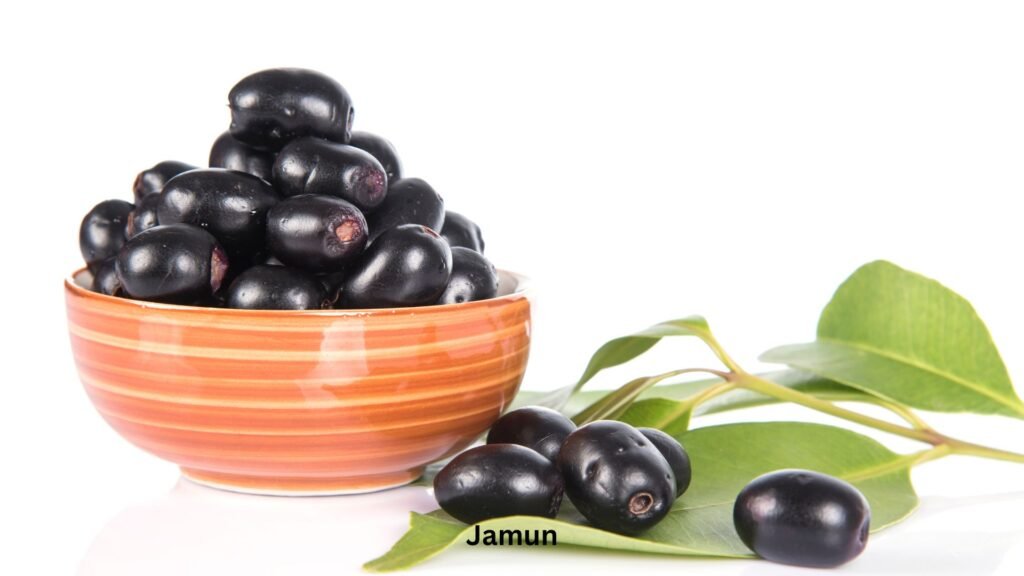
Health Benefits of Jamun (Indian Blackberry): Monsoon’s Blood-Sugar-Friendly Fruit
Every monsoon, the roadside near my house fills up with vendors selling small baskets of jamun, sprinkled with a little rock salt and chilli powder.
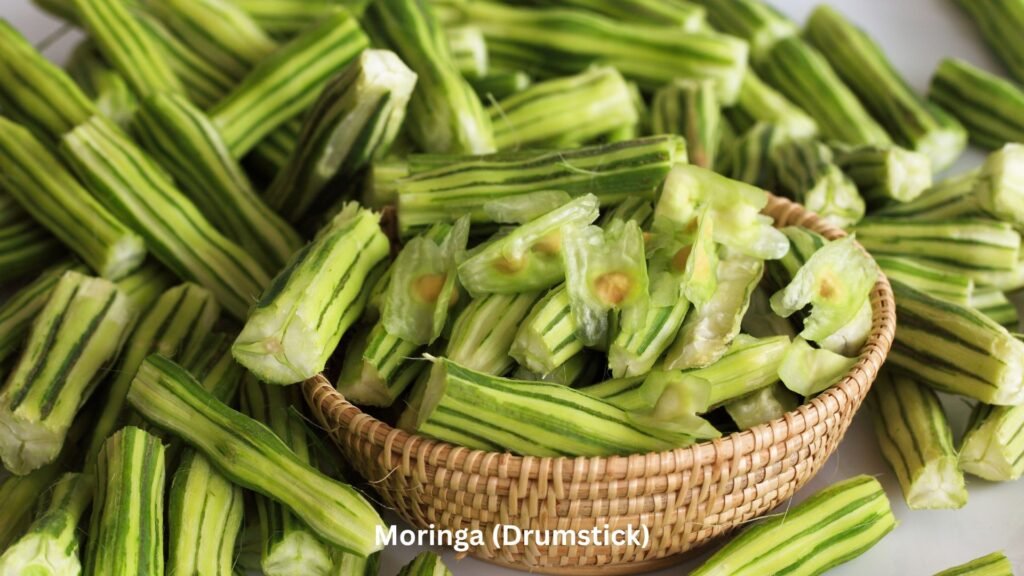
Health Benefits of Moringa (Drumstick/Sahjan): India’s Nutrient-Dense Superfood Tree
There’s a moringa tree in almost every second backyard I’ve visited in India, and for the longest time I barely paid attention to it beyond