Let’s learn how to make Kaju Katli at home.
What is Kaju Katli?
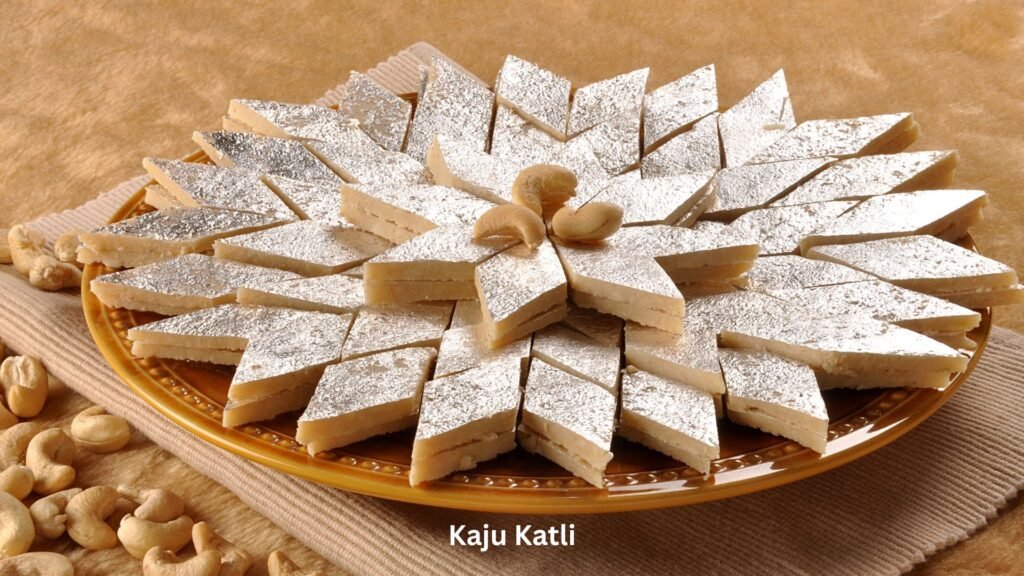
Kaju katli, also called kaju barfi, is a classic Indian sweet made from just three core ingredients: cashews, sugar and a little ghee. The cashews are ground into a fine paste, cooked down with sugar syrup into a soft dough, then rolled thin and cut into diamond shapes, often finished with a layer of edible silver leaf (vark) on top.
Where Kaju Katli Comes From
Kaju katli doesn’t belong to one particular region the way many Indian sweets do; it grew popular across North and West Indian mithai shops through the twentieth century as cashews became more widely available, and it has since become one of the most requested sweets pan-India. It shows up at Diwali, weddings and Raksha Bandhan, and it’s often the first box people reach for because of its neat, elegant look and mildly sweet, nutty flavour.
Health Benefits of Cashews
- Cashews are rich in heart-healthy monounsaturated fats
- They are a good plant source of protein and magnesium, which supports bone and muscle health
- They contain copper and iron, both important for energy production and healthy blood
- Eaten in moderation, cashews can help you feel fuller for longer thanks to their fat and protein content
Ingredients:
- 1.5 cups whole cashews
- 1/2 cup sugar
- 1/4 cup water
- 1 tsp ghee, plus a little extra for greasing
- A few drops of cardamom powder (optional)
- Edible silver leaf/vark (optional, for topping)
Instructions:
Step 1: Make cashew flour
Grind the cashews in short pulses in a dry grinder until you get a fine, smooth powder. Don’t over-grind or the natural oils will turn it into a paste too early.
Step 2: Make the sugar syrup
In a heavy-bottomed pan, heat sugar and water together until the sugar dissolves and the syrup turns slightly sticky, about one string consistency.
Step 3: Cook the dough
Lower the heat and add the cashew powder to the syrup, stirring constantly. Add cardamom powder if using. Keep stirring until the mixture thickens into a soft dough that starts to leave the sides of the pan, then add the ghee and mix it in.
Step 4: Knead and roll
While still warm, transfer the dough onto a greased surface and knead briefly until smooth and pliable. Roll it out between two sheets of greased parchment to about 1/4 inch thickness. Press the silver leaf on top now, if using.
Step 5: Cut into diamonds
Once the sheet is just warm (not hot, not fully cold), use a sharp knife to cut it into diamond shapes. Let the pieces cool completely before separating and storing them.
Tips:
Work quickly once the dough is ready, it firms up fast as it cools, so roll it while still warm. If the dough cracks while rolling, it’s usually slightly dry, knead in a few drops of warm milk or ghee. Use raw, unsalted cashews for the best colour and flavour, and store the finished katli in an airtight container at room temperature for up to a week, or in the fridge for longer.
For more such quick recipes, visit my YouTube channel @qwikrecipes. If you like the recipe, do like, comment and subscribe.

Karwa Chauth 2026 Vrat Guide: Sargi, Fasting Foods and What to Eat After Moonrise
What Is Karwa Chauth Karwa Chauth is a traditional fast observed mainly by married women in North India, primarily in Punjab, Haryana, Uttar Pradesh, and

How to Store Paneer, Curd and Milk Safely During Festival Season
Festival season in an Indian kitchen means one thing: dairy everywhere. Paneer for the sabzi, khoya for the ladoos, curd for the raita and milk

Vegetarian Sources of Folate (Vitamin B9) for Indian Diets: Why It Matters Most for Women
Ask most Indian vegetarians which nutrients they need to watch and you’ll hear about protein, iron and maybe B12. Folate rarely comes up in conversation,

Health Benefits of Gond Katira (Edible Gum): The Cooling Ayurvedic Ingredient Everyone Searched For
If you’ve spent any time in an Indian kitchen during the hotter months, you’ve probably seen small, translucent, crystal-like pieces soaking in a bowl of

Paneer vs Tofu vs Soya Chunks: Which Vegetarian Protein Should You Choose?
What Are Paneer, Tofu, and Soya Chunks? Paneer is fresh Indian cottage cheese which is made by curdling full-fat milk with lemon juice or vinegar.

Healthy Substitutes for Maida (Refined Flour) in Everyday Indian Cooking
Maida has been the quiet backbone of Indian snacking for decades. Maida is used in everything from bhature and samosas to the naan at your

Do Indian Foods Work Like Ozempic? Everyday Foods That Support GLP-1 and Natural Fullness
What Is GLP-1, Really? GLP-1, or glucagon-like peptide-1, is a hormone your own gut releases after you eat. It releases especially after fibre, protein and
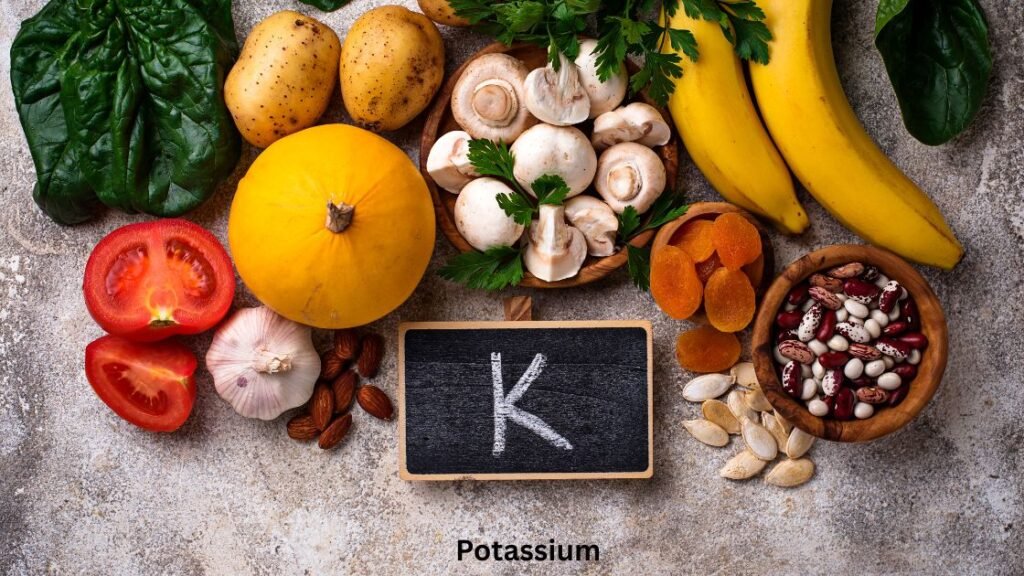
Vegetarian Sources of Potassium for Indian Diets: Preventing Cramps, Fatigue and High Blood Pressure
If you have ever felt an unexplained muscle cramp climbing up your calf at 2am or found yourself inexplicably tired despite sleeping well, potassium might
Natural Electrolyte Drinks from Your Indian Kitchen: Beating Dehydration Without Sports Drinks
Why Electrolytes Matter More Than Plain Water Electrolytes like sodium, potassium and magnesium control how water moves in and out of your cells and how
High-Protein Vegetarian Diet: A Practical Indian Meal Guide
Why Protein Matters (And Why Vegetarians Worry About It) Protein is the building block for muscle, skin, hair, enzymes and hormones, and unlike carbohydrates and
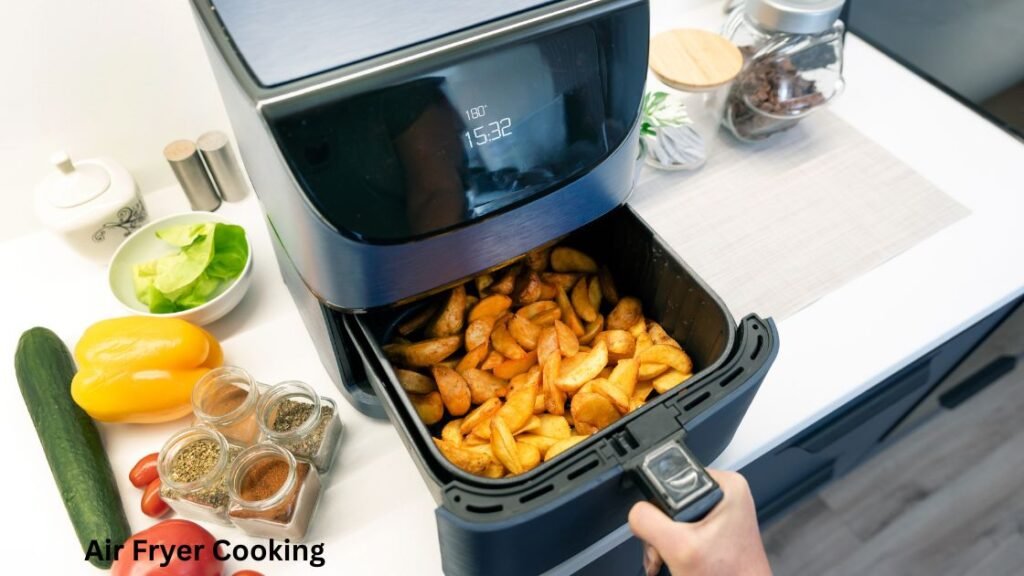
Air Fryer Indian Cooking: How to Make Your Favorite Snacks Without Deep-Frying
What Is Air Frying, and Why Indian Kitchens Are Adopting It An air fryer is essentially a small, powerful convection oven. It circulates very hot
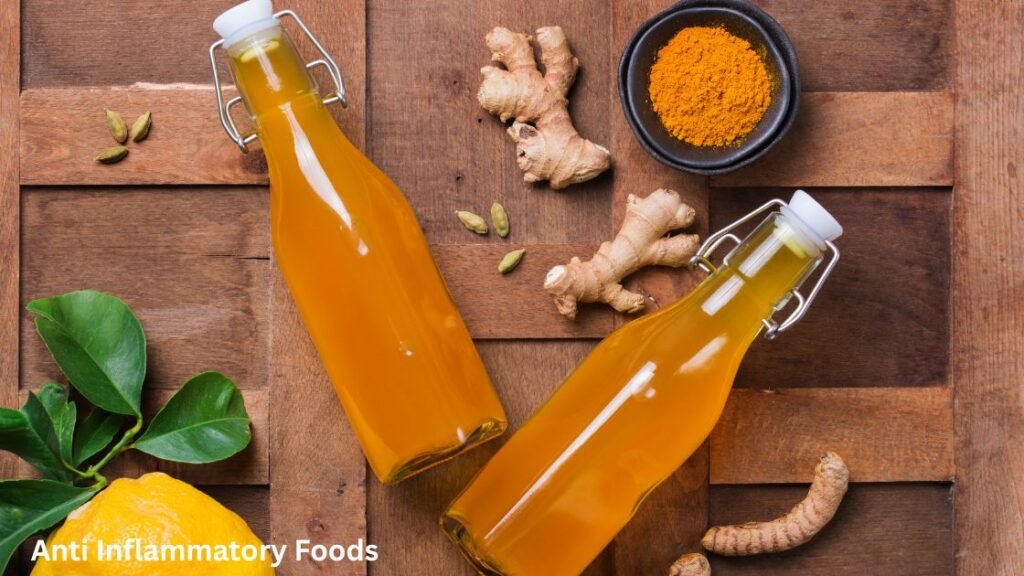
Anti-Inflammatory Indian Foods: The Spices and Ingredients Already in Your Kitchen
What Is Inflammation and Why Does It Matter? Inflammation is the body’s natural response to injury or infection. It is literally your immune system doing
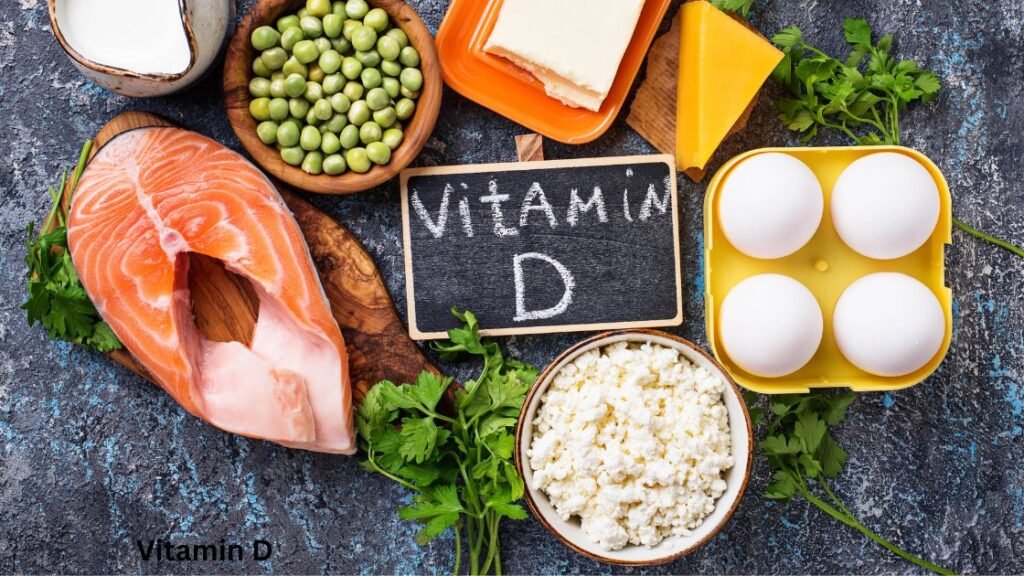
Vegetarian Sources of Vitamin D for Indian Diets: Fighting a Silent Deficiency
If you’ve ever gotten a blood test in India and been quietly told your vitamin D is “a little low”, you’re in extremely large company.
How to Enjoy Festive Sweets Without the Guilt: A Practical Guide for Ganesh Chaturthi Season
Why Festival Season Feels So Hard to Navigate Indian festivals are built around food as an expression of celebration, devotion, and hospitality. Refusing a sweet