Maida has been the quiet backbone of Indian snacking for decades. Maida is used in everything from bhature and samosas to the naan at your favourite dhaba. As people pay closer attention to blood sugar, gut health and everyday nutrition, maida has increasingly become the flour people want to cut back on. The good news is that Indian kitchens already have a whole shelf of traditional flours that can step in. You don’t to sacrifice much taste or texture.
Why Maida Gets a Bad Reputation
Maida is made from wheat flour that has been refined and stripped of its bran and germ. This process removes most of the fibre, vitamins, and minerals along with it. What is left behind is a very fine, starchy flour that digests quickly and can cause a sharp spike in blood sugar. This is the reason maids is often flagged in conversations about diabetes and weight management. It also lacks the fibre that helps with digestion and keeps you feeling full. This makes maida-heavy snacks easy to overeat.
Where Maida Fits in Indian Cooking
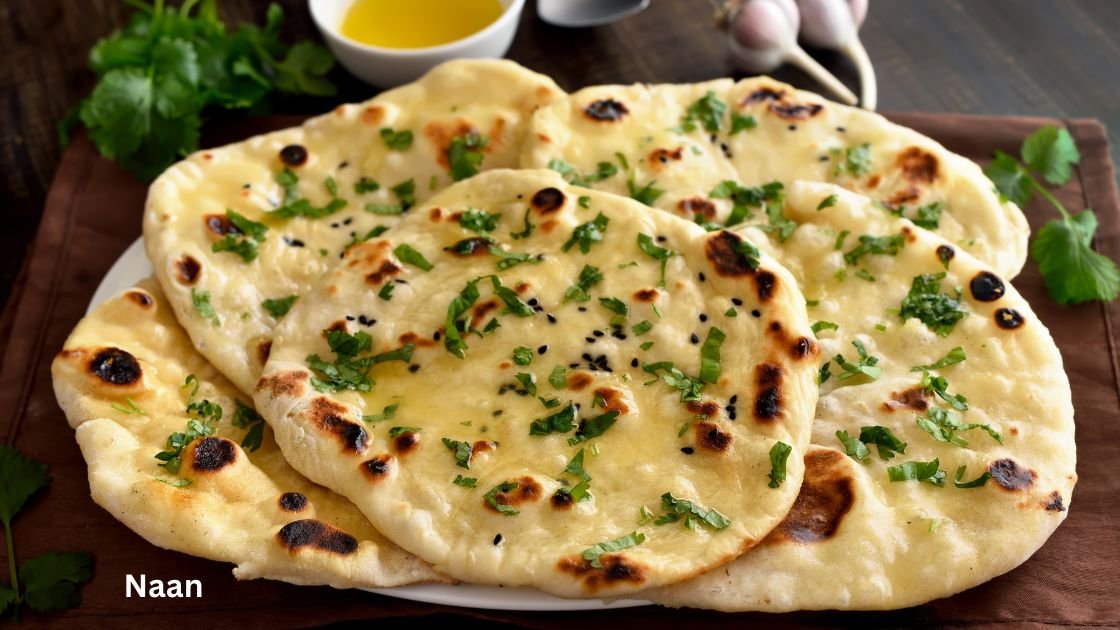
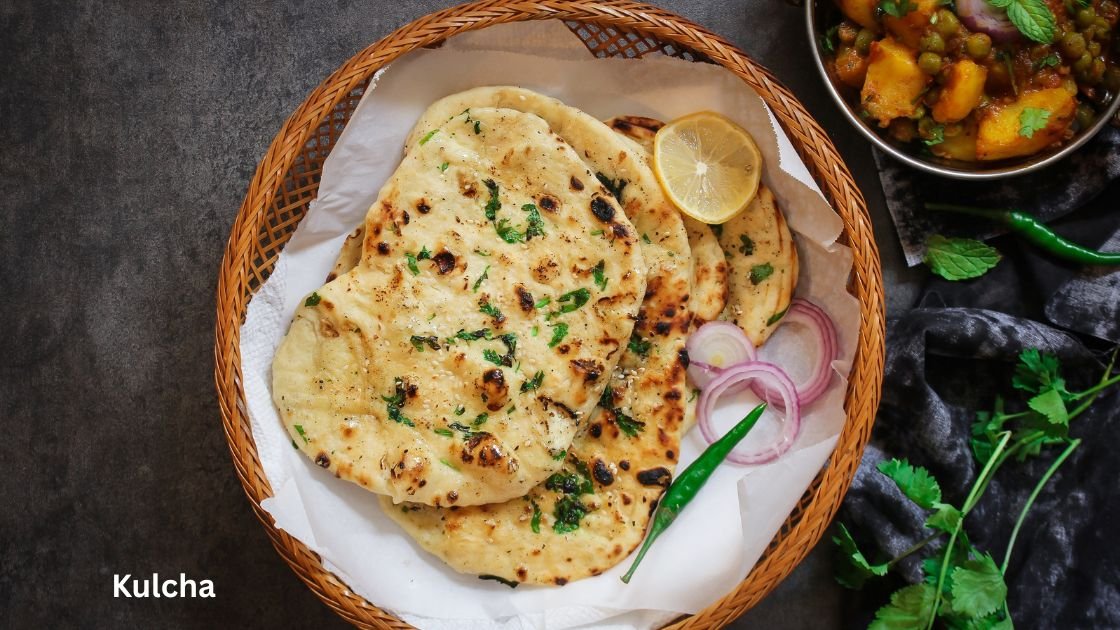
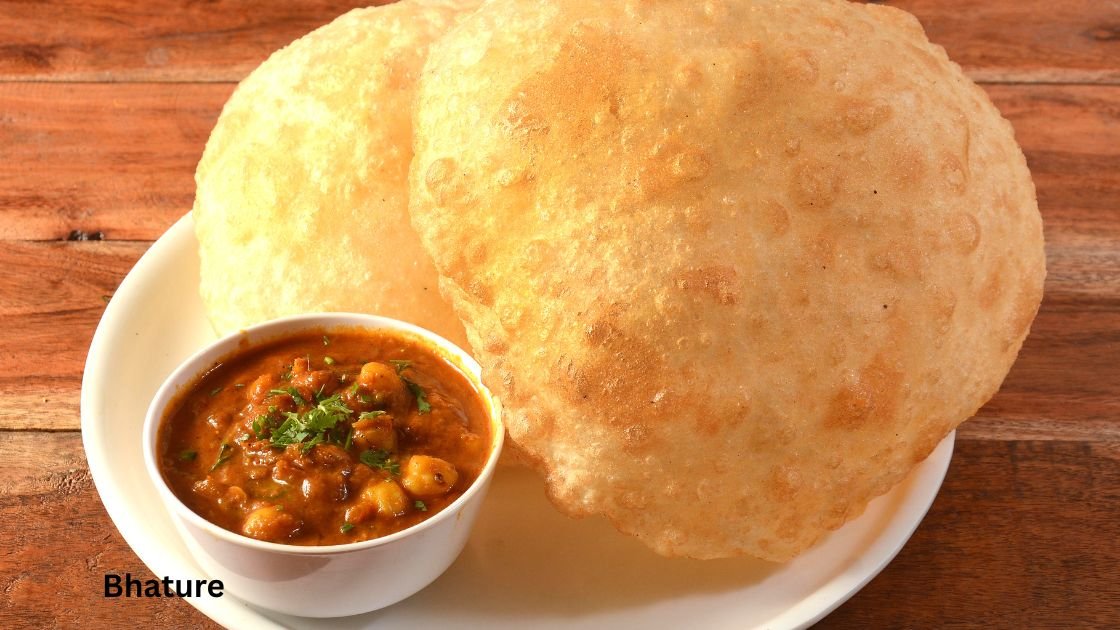
Maida became popular in Indian kitchens through Mughlai and Punjabi cuisine. It is prefered for the soft, stretchy texture it gives to naan, kulcha, and bhature. Maida became the default flour for bakery items and street food like samosas and kachoris when commercial milling made it cheap and widely available. Its popularity was really about convenience and texture rather than nutrition.
The Real Benefits of Switching to Traditional Flours
- Higher fibre content, which slows digestion and helps you feel fuller for longer.
- Better blood sugar response, since whole grain and millet flours generally have a lower glycemic impact than refined maida.
- More vitamins and minerals.
- Better gut health, as the fibre in whole flours supports digestion and feeds beneficial gut bacteria.
- More variety in taste and texture. Each substitute brings its own flavour from the nuttiness of ragi to the earthiness of bajra.
Practical Substitutes and How to Use Them
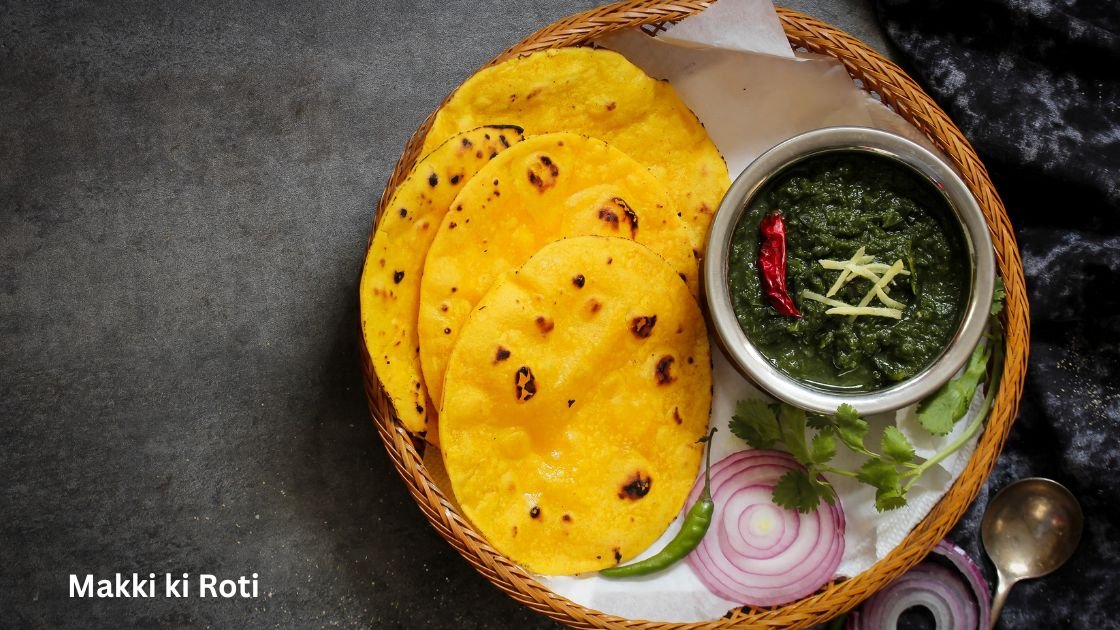
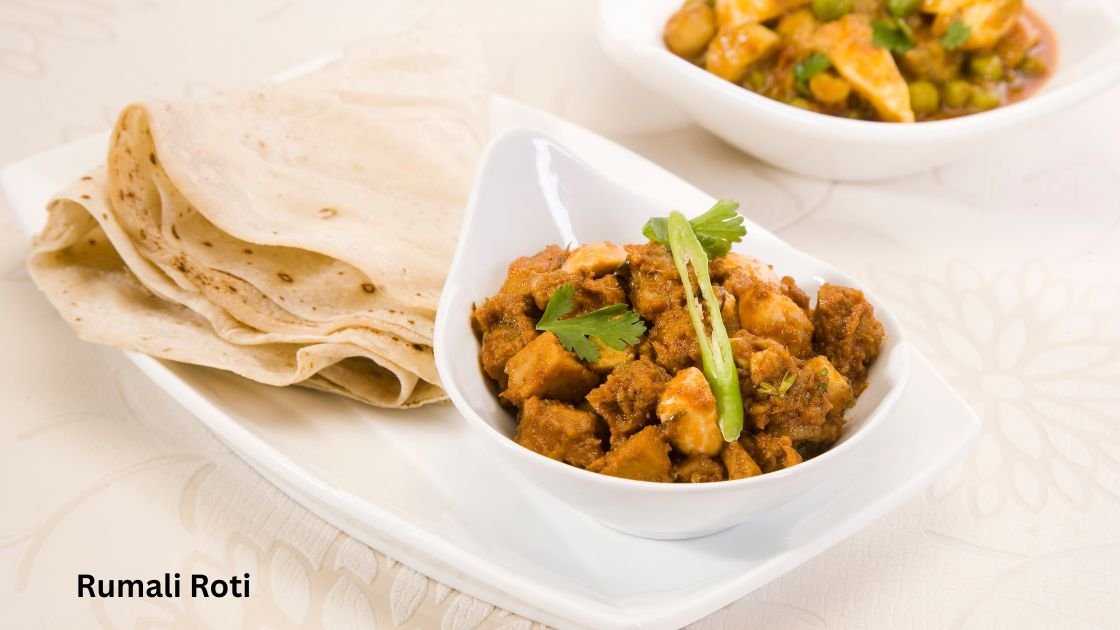
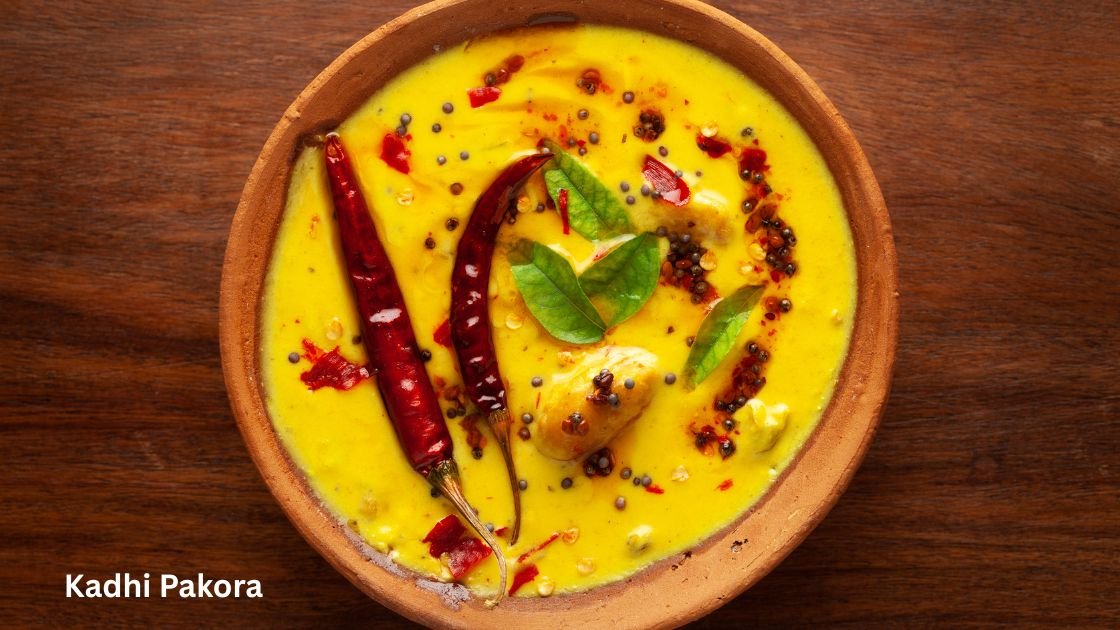
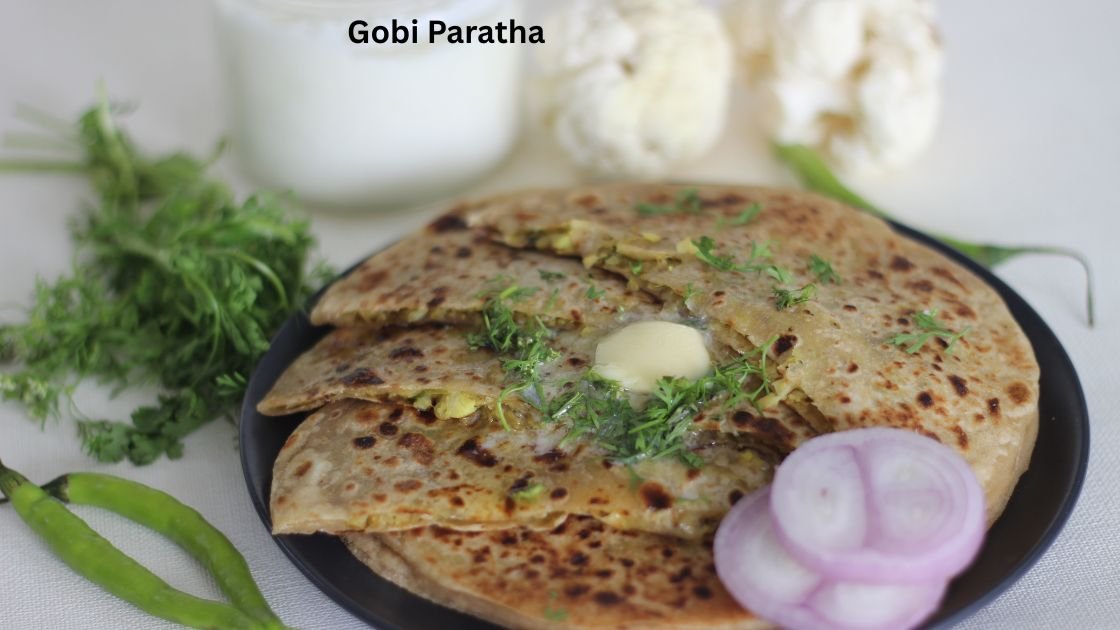
Whole wheat flour or atta, is the easiest swap for rotis, parathas and even pizza bases. These work in most recipes with only minor texture changes. Besan or gram flour is excellent for savoury snacks like pakoras and chillas. Besan brings a naturally protein-rich, nutty flavour. Ragi flour makes wonderfully soft rotis and dosas. It is especially useful for growing children and anyone watching their calcium intake as Jowar and bajra flour work best in rotis and flatbreads during winter months as these are traditionally considered warming grains.
For baking, a mix of whole wheat flour and oat flour can replace maida in cookies and cakes with only a slight change in texture. The key tip when substituting is to start by replacing only half the maida in a recipe with the alternative flour. Whole grain flours absorb more moisture and behave differently with gluten, so a full swap can sometimes make the dish dense until you adjust the liquid quantity.
You do not need to remove maida from your kitchen overnight. Start by swapping it in one or two regular dishes. Swap your everyday roti or weekend pakoras and let the rest of your cooking stay the same. Small, consistent swaps like this add up over time.