Ask most Indian vegetarians which nutrients they need to watch and you’ll hear about protein, iron and maybe B12. Folate rarely comes up in conversation, yet it’s one of the nutrients doctors check first when a woman is planning a pregnancy. The good news is that a traditional Indian vegetarian thali is already full of it. You just need to know where to look.
What is Folate and Why Does It Matter?
Folate, also called vitamin B9, is a water-soluble vitamin essential for making new cells, supporting DNA synthesis and forming red blood cells. Its synthetic form, folic acid, is the one most commonly prescribed as a supplement especially to women who are pregnant or planning to conceive. Adequate folate in early pregnancy significantly reduces the risk of neural tube defects in the developing baby. Beyond pregnancy, folate also plays a role in energy metabolism and in keeping homocysteine levels in check.
Why This Is Especially Relevant for Indian Women
Folate deficiency is more common than many people realize among Indian women. It is partly due to diets that rely heavily on refined grains and overcooked vegetables. Because Many Indian pregnancies are unplanned in the early weeks, doctors often recommend building folate-rich habits into everyday meals rather than waiting until a pregnancy test comes back positive. Even outside of pregnancy, folate is important for anyone managing anemia. Folate t works alongside iron and B12 in red blood cell formation. A gap in any one of the three can leave fatigue unresolved even if you’re already taking an iron supplement.
The Real Benefits of Adequate Folate
- Supports healthy fetal brain and spinal cord development in early pregnancy.
- Works with iron and vitamin B12 to prevent certain types of anemia.
- Plays a role in producing red and white blood cells.
- Supports overall energy metabolism and cell repair throughout the body.
- May help regulate homocysteine, an amino acid linked to heart health when kept in a healthy range.
Vegetarian Sources of Folate in an Indian Kitchen
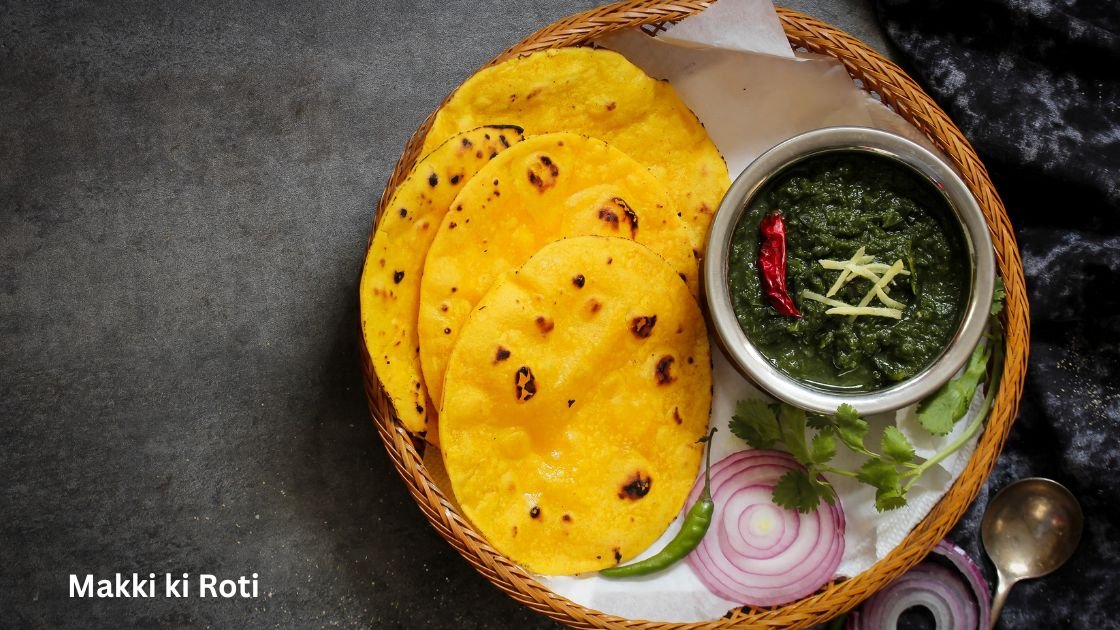
- Leafy greens: palak (spinach), methi (fenugreek leaves), and sarson (mustard greens), Edamame are some of the richest folate sources available.
- Lentils and legumes: rajma, chana, moong dal, and masoor dal all contain meaningful amounts of folate.
- Citrus fruits: oranges, mosambi (sweet lime), and amla provide folate along with vitamin C, which helps with absorption.
- Beetroot: another good source, and one that pairs naturally with many Indian sabzis and salads.
- Peanuts and seeds: peanuts, sunflower seeds, and flaxseeds all contribute folate to a vegetarian diet.
- Bananas and papaya: easy, everyday fruit options that quietly add to daily folate intake.
- Whole grains: unlike refined maida, whole wheat atta and millets retain more of their natural folate content.
How To Get More Folate Without Overhauling Your Diet
- Avoid overcooking leafy greens; folate is heat-sensitive and breaks down quickly with prolonged boiling.
- Steam or lightly sauté vegetables instead of boiling them for long periods, and use the cooking water in soups or dals rather than discarding it.
- Add a small bowl of sprouted moong or chana to your day. Sprouting can increase the availability of certain B vitamins.
- Include at least one citrus fruit or amla daily, especially if you also eat iron-rich foods. Vitamin C improves iron absorption alongside folate’s own benefits.
- If you are planning a pregnancy or are in the first trimester, talk to your doctor about a folic acid supplement. Diet alone is often not considered sufficient during this specific window, even with a folate-rich thali.
Folate is one of those nutrients that rewards small, everyday choices rather than dramatic diet changes. A regular dal-sabzi-roti thali with a seasonal citrus fruit already covers a good amount of ground; the main habit worth building is simply not overcooking your greens.