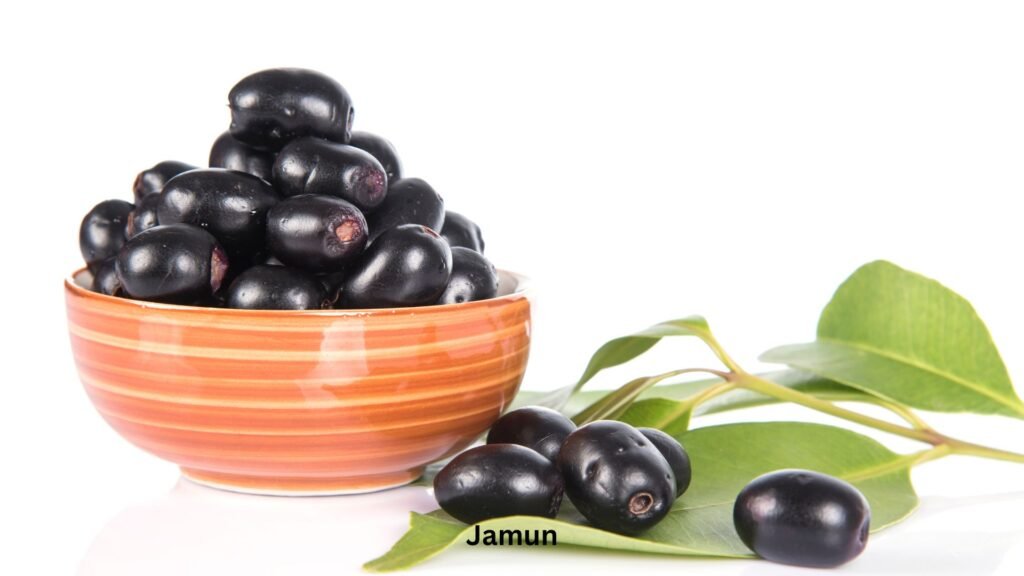
Every monsoon, the roadside near my house fills up with vendors selling small baskets of jamun, sprinkled with a little rock salt and chilli powder. I used to eat them just for the tart-sweet taste and the purple-stained tongue that came with it, but I’ve since learned that this humble seasonal fruit is doing a lot more for us than just tasting good.
What is Jamun?
Jamun, also called Indian blackberry or jambul (botanical name Syzygium cumini), is a small purple-black fruit that grows on tall trees found across India. It has a distinctive tart-sweet, slightly astringent flavour, and is usually eaten fresh with a pinch of salt and pepper, though it also shows up in juices, sherbets and even vinegar.
Where Jamun Fits in Indian Food Culture
Jamun trees grow across most of India and the fruit has a short, distinct season that runs through the monsoon months, roughly June to August. It’s sold by roadside vendors from baskets and carts during this window, and has long held a place in traditional and Ayurvedic remedies, particularly the seeds, which are dried and powdered for home remedies related to blood sugar. Because the season is so brief, many households make the most of it while it lasts, turning the extra fruit into jamun juice, jam or vinegar to enjoy beyond the monsoon.
The Real Benefits
- Jamun contains compounds like jamboline and ellagic acid, which are believed to slow the conversion of starch into sugar and help moderate post-meal blood sugar spikes
- It has a naturally low glycaemic index, which makes it a relatively safer fruit choice for people managing their blood sugar
- It’s a good source of vitamin C and iron, both useful for immunity and energy during the monsoon months when infections tend to rise
- Jamun is rich in antioxidants and dietary fibre, which support digestion and help fight everyday cell damage
- The seeds are traditionally dried and powdered as a home remedy, though this should complement, not replace, medical treatment for diabetes
How to Add More Jamun to Your Diet
- Eat jamun fresh with a light sprinkle of rock salt and roasted cumin or chaat masala, the classic way to enjoy it
- Blend it into a simple jamun juice or sherbet with a little black salt and lemon for a cooling monsoon drink
- Make a small batch of jamun jam or seasonal preserve while it’s in season, so you can enjoy the flavour for longer
- Choose fruit that’s deep purple to black and slightly soft, this indicates ripeness and the best flavour
- If you’re using jamun seed powder for its traditional blood sugar benefits, check with a doctor first, especially if you’re already on diabetes medication
Jamun’s window is short, so it’s worth treating it less like an occasional roadside snack and more like a seasonal ingredient worth stocking up on. Whether it’s a handful eaten with salt or a jar of preserve tucked away for later, this monsoon fruit earns its reputation well beyond its purple stain.

Karwa Chauth 2026 Vrat Guide: Sargi, Fasting Foods and What to Eat After Moonrise
What Is Karwa Chauth Karwa Chauth is a traditional fast observed mainly by married women in North India, primarily in Punjab, Haryana, Uttar Pradesh, and

How to Store Paneer, Curd and Milk Safely During Festival Season
Festival season in an Indian kitchen means one thing: dairy everywhere. Paneer for the sabzi, khoya for the ladoos, curd for the raita and milk

Vegetarian Sources of Folate (Vitamin B9) for Indian Diets: Why It Matters Most for Women
Ask most Indian vegetarians which nutrients they need to watch and you’ll hear about protein, iron and maybe B12. Folate rarely comes up in conversation,

Health Benefits of Gond Katira (Edible Gum): The Cooling Ayurvedic Ingredient Everyone Searched For
If you’ve spent any time in an Indian kitchen during the hotter months, you’ve probably seen small, translucent, crystal-like pieces soaking in a bowl of

Paneer vs Tofu vs Soya Chunks: Which Vegetarian Protein Should You Choose?
What Are Paneer, Tofu, and Soya Chunks? Paneer is fresh Indian cottage cheese which is made by curdling full-fat milk with lemon juice or vinegar.

Healthy Substitutes for Maida (Refined Flour) in Everyday Indian Cooking
Maida has been the quiet backbone of Indian snacking for decades. Maida is used in everything from bhature and samosas to the naan at your

Do Indian Foods Work Like Ozempic? Everyday Foods That Support GLP-1 and Natural Fullness
What Is GLP-1, Really? GLP-1, or glucagon-like peptide-1, is a hormone your own gut releases after you eat. It releases especially after fibre, protein and
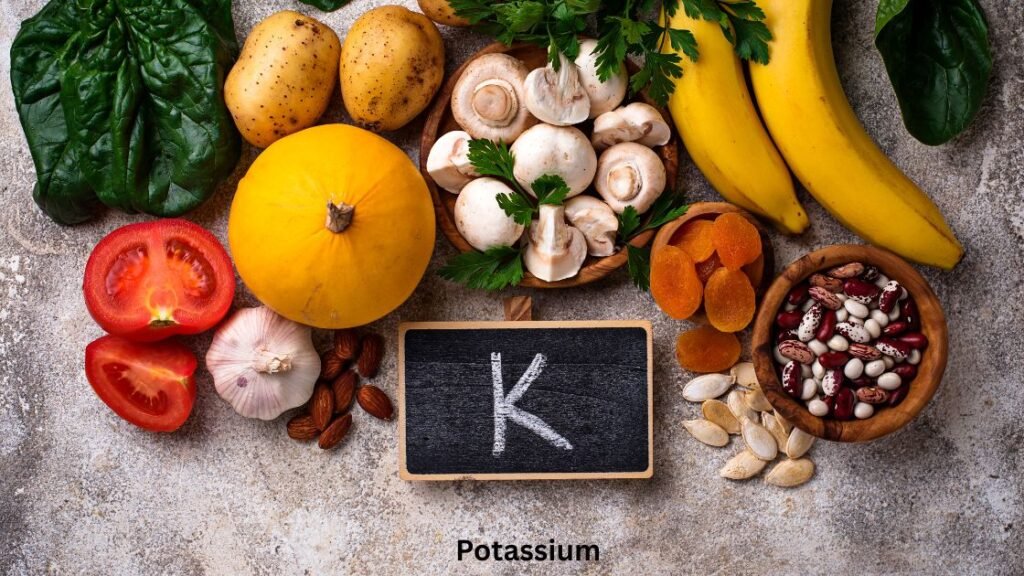
Vegetarian Sources of Potassium for Indian Diets: Preventing Cramps, Fatigue and High Blood Pressure
If you have ever felt an unexplained muscle cramp climbing up your calf at 2am or found yourself inexplicably tired despite sleeping well, potassium might
Natural Electrolyte Drinks from Your Indian Kitchen: Beating Dehydration Without Sports Drinks
Why Electrolytes Matter More Than Plain Water Electrolytes like sodium, potassium and magnesium control how water moves in and out of your cells and how
High-Protein Vegetarian Diet: A Practical Indian Meal Guide
Why Protein Matters (And Why Vegetarians Worry About It) Protein is the building block for muscle, skin, hair, enzymes and hormones, and unlike carbohydrates and

Air Fryer Indian Cooking: How to Make Your Favorite Snacks Without Deep-Frying
What Is Air Frying, and Why Indian Kitchens Are Adopting It An air fryer is essentially a small, powerful convection oven. It circulates very hot
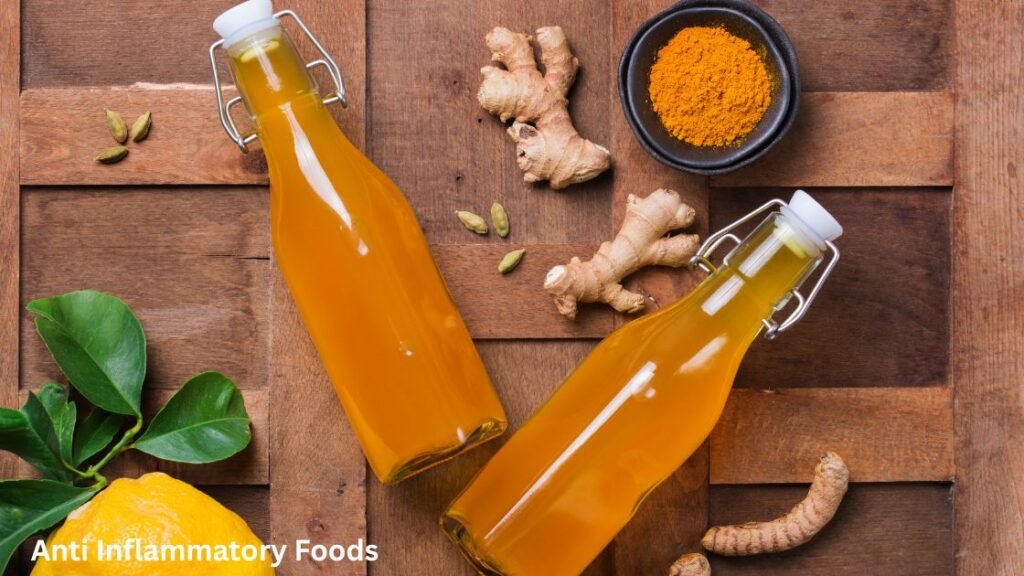
Anti-Inflammatory Indian Foods: The Spices and Ingredients Already in Your Kitchen
What Is Inflammation and Why Does It Matter? Inflammation is the body’s natural response to injury or infection. It is literally your immune system doing
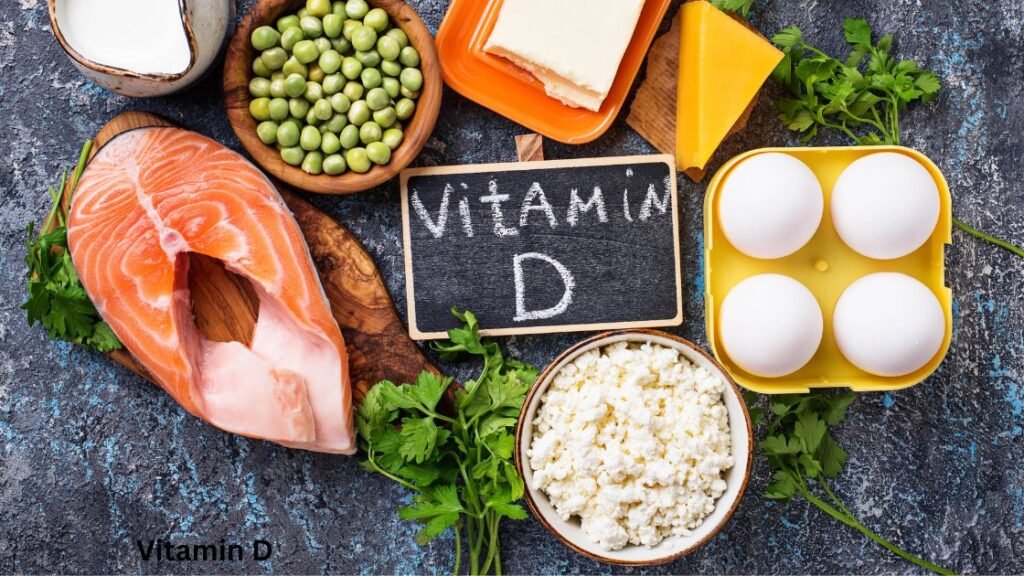
Vegetarian Sources of Vitamin D for Indian Diets: Fighting a Silent Deficiency
If you’ve ever gotten a blood test in India and been quietly told your vitamin D is “a little low”, you’re in extremely large company.
How to Enjoy Festive Sweets Without the Guilt: A Practical Guide for Ganesh Chaturthi Season
Why Festival Season Feels So Hard to Navigate Indian festivals are built around food as an expression of celebration, devotion, and hospitality. Refusing a sweet