What is Bhindi Masala?
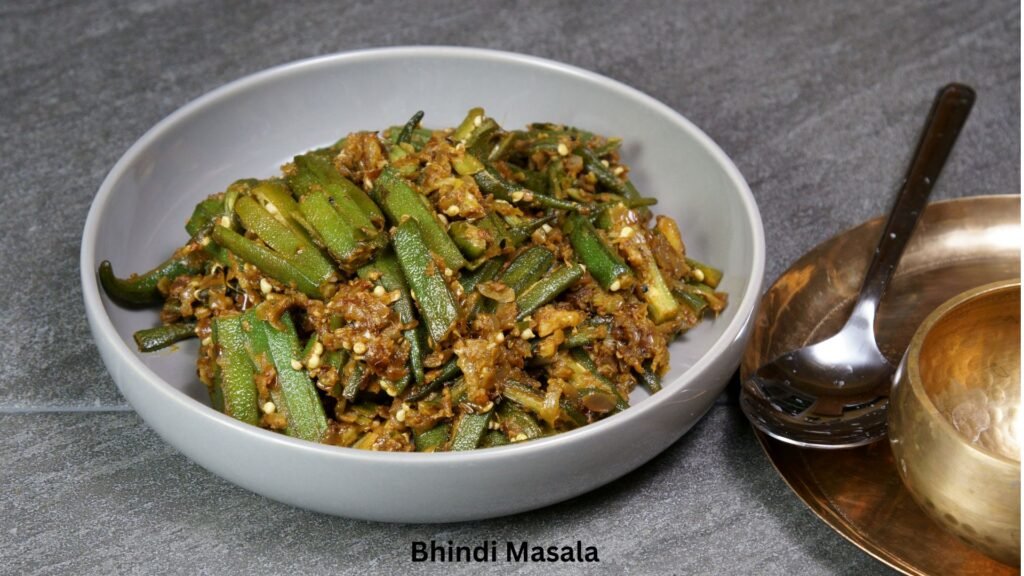
Bhindi masala is a dry, spiced Indian stir-fry made with fresh okra (lady finger), onions, tomatoes and a simple blend of everyday spices. Unlike gravy-based curries, this is a sukhi sabzi, meaning the vegetables are cooked until dry and lightly crisp rather than swimming in sauce. It’s a staple lunch dish in Indian homes, usually paired with roti or dal-chawal, and prized for being quick enough for a weekday meal yet flavorful enough to serve guests.
Where Bhindi Masala Comes From
Bhindi masala is especially popular across North India, with Punjab and Uttar Pradesh claiming some of its most well-loved versions. In Punjabi households, it’s often cooked with onions and a generous hit of amchur (dry mango powder) for tang, while other regions add besan (gram flour) for extra crunch or coconut for a South Indian twist. Okra itself has been cultivated on the Indian subcontinent for centuries, and this simple stir-fry has long been a go-to lunch sabzi because okra is affordable, available nearly year-round, and cooks fast.
Health Benefits of Okra
- Okra is low in calories and rich in dietary fiber, which supports digestion and helps you stay full longer.
- It has a low glycemic index, making it a smart vegetable choice for people managing blood sugar.
- Okra is a good source of vitamin C, vitamin K and folate, which support immunity, bone health and cell repair.
- Its natural mucilage acts as a mild prebiotic that can support gut health.
- Okra contains antioxidants that help fight inflammation in the body.
Ingredients:
- 250g fresh okra (bhindi), washed, dried thoroughly and sliced into rounds
- 2 tablespoons mustard oil or any cooking oil
- 1 teaspoon cumin seeds
- 1 medium onion, finely chopped
- 1 medium tomato, finely chopped
- 1/2 teaspoon turmeric powder
- 1 teaspoon red chilli powder
- 1 teaspoon coriander powder
- 1/2 teaspoon amchur (dry mango powder)
- Salt to taste
- Fresh coriander leaves, chopped, for garnish
Instructions:
Step 1: Dry the okra completely
Wash the okra well in advance and pat it fully dry with a kitchen towel before slicing. Any leftover water is the main reason bhindi turns slimy, so don’t skip this step.
Step 2: Slice and set aside
Trim the ends and cut the okra into 1/2-inch rounds or lengthwise strips, whichever you prefer.
Step 3: Temper the spices
Heat oil in a wide kadai or pan on medium flame. Add cumin seeds and let them sizzle for a few seconds.
Step 4: Cook the onions and tomatoes
Add chopped onion and saute until light golden. Add tomato, turmeric, chilli powder and coriander powder, and cook until the tomato softens and the oil starts to separate at the edges.
Step 5: Add the okra
Add the sliced okra and salt, and mix gently to coat it in the masala. Cook uncovered on medium-low flame, stirring every couple of minutes, for 12-15 minutes until the okra is tender and no longer sticky.
Step 6: Finish and serve
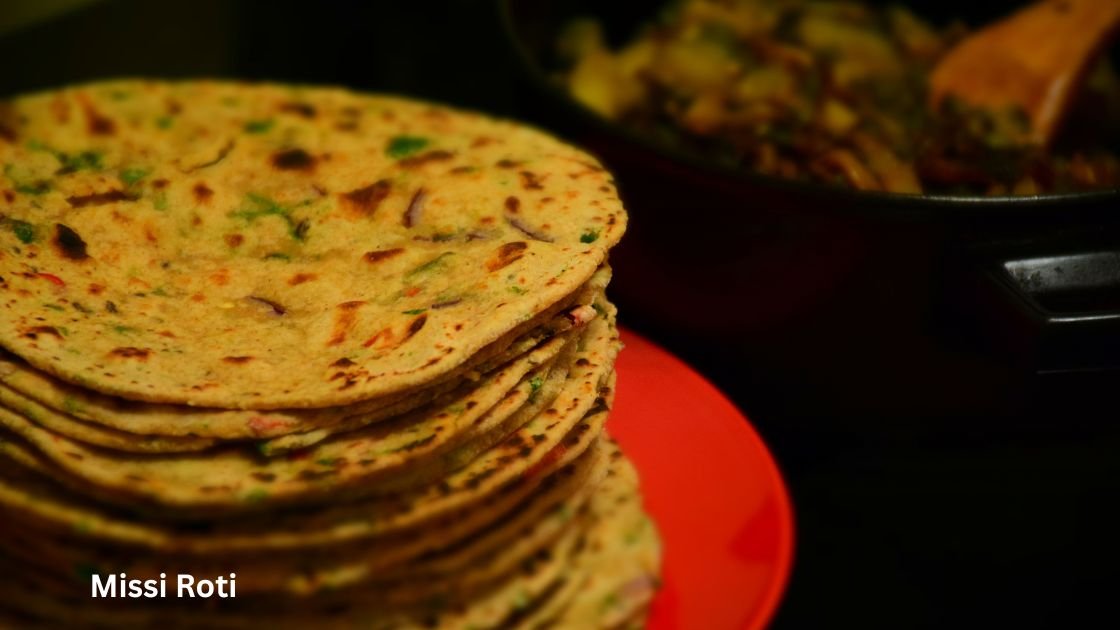
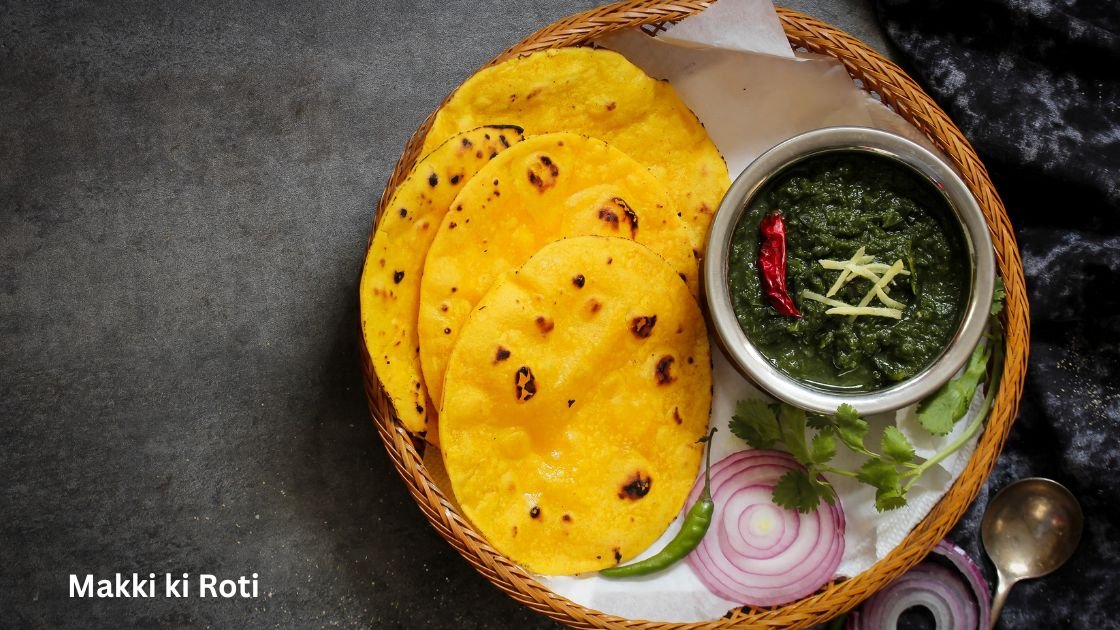
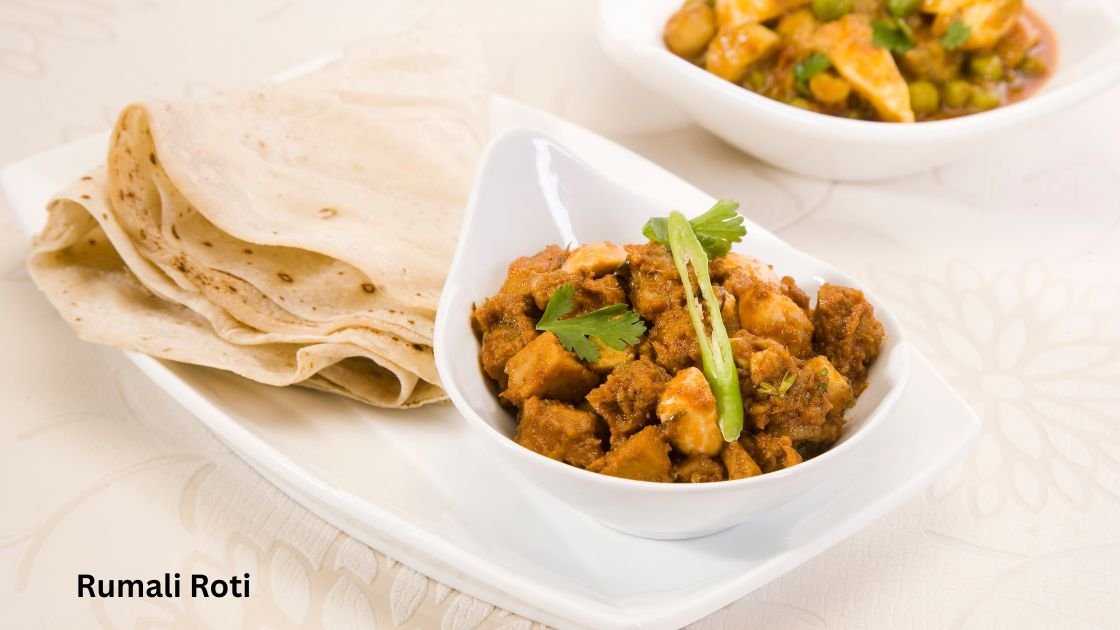
Sprinkle amchur powder, toss once more, and garnish with fresh coriander. Serve hot with roti, paratha or dal-chawal.
Tips:
Always cook bhindi uncovered on medium flame; trapping steam under a lid is what makes it slimy. Cutting the okra with a dry knife on a dry board, and drying it thoroughly after washing, makes the biggest difference of all. If you like extra crunch, you can shallow-fry the okra separately for 5 minutes before adding it to the masala.
For more such quick recipes, visit my YouTube channel @qwikrecipes. If you like the recipe, do like, comment and subscribe.