What is Paneer Bhurji?
Paneer bhurji is India’s answer to scrambled eggs, except the star ingredient is paneer, crumbled fresh Indian cottage cheese, stir-fried with onions, tomatoes, green chillies and a handful of everyday spices. Bhurji simply means “scramble” in Hindi. The paneer is broken up with your fingers or a fork rather than cut, which is what gives the dish its soft, curd-like texture that soaks up the masala beautifully.
Where Paneer Bhurji Comes From
This is a Punjabi dhaba classic, born out of the same north Indian love for paneer that gave us paneer tikka and palak paneer, but built for speed rather than ceremony. Truck-stop dhabas along highways in Punjab and Haryana have served it for decades as a quick, filling meal for travellers, and it made its way into home kitchens as a reliable answer to “what do I make in ten minutes.” Today it shows up at breakfast tables, in lunchboxes stuffed between two slices of bread, and at dinner alongside rotis when nobody wants an elaborate curry.
Health Benefits of Paneer
Paneer is one of the richest vegetarian sources of complete protein, making it especially valuable for Indian vegetarians who often struggle to hit their daily protein targets. It is also a good source of calcium and phosphorus for bone health, and being naturally low in carbohydrates, it keeps you full for longer and helps steady blood sugar compared to a carb-heavy breakfast. Homemade paneer, made by curdling milk with lemon juice or vinegar, is the healthiest version since it has no preservatives or added stabilisers.
Ingredients:
- 250g paneer, crumbled
- 2 tablespoons oil or butter
- 1 teaspoon cumin seeds
- 1 medium onion, finely chopped
- 1-2 green chillies, finely chopped
- 1 teaspoon ginger-garlic paste (optional)
- 2 medium tomatoes, finely chopped
- 1/2 teaspoon turmeric powder
- 1 teaspoon coriander powder
- 1/2 teaspoon red chilli powder (adjust to taste)
- 1/2 cup green peas, fresh or frozen (optional)
- Salt to taste
- 2 tablespoons fresh coriander leaves, chopped
Instructions:
Step 1: Prep the paneer
If using refrigerated paneer, soak it in warm water for 10 minutes to soften it, then crumble it into small, uneven pieces using your hands or a fork. You want a rough, curdy texture, not a smooth mush.
Step 2: Build the masala base
Heat oil or butter in a pan, add cumin seeds and let them splutter. Add the chopped onions and green chillies, and saute until the onions turn soft and lightly golden. Stir in the ginger-garlic paste if using, and cook for 30 seconds until the raw smell disappears.
Step 3: Cook the tomatoes and spices
Add the chopped tomatoes along with turmeric, coriander powder, chilli powder and salt. Cook on medium heat, mashing the tomatoes lightly with your spatula, until they soften and the oil starts to separate at the edges, about 4-5 minutes. Add the green peas now if using, and cook for another 2 minutes.
Step 4: Add the paneer
Gently fold in the crumbled paneer, tossing it through the masala rather than stirring hard, so it stays soft and doesn’t turn rubbery. Cook for just 2-3 minutes on medium-low heat, enough to warm the paneer through and let it soak up the spices. Finish with chopped coriander leaves and serve hot.
Tips:
Never boil or cook the paneer for too long once it goes into the pan, it turns chewy and rubbery within minutes. Crumble it coarsely rather than finely, uneven pieces give better texture than a smooth mash. If your tomatoes are very tart, a small pinch of sugar balances the dish nicely. For extra richness, finish with a small knob of butter right before serving.
Preparation Time
Prep time: 10 minutes | Cook time: 15 minutes | Total time: 25 minutes | Serves: 3-4
Common Mistakes
- Overcooking the paneer once added, which makes it rubbery instead of soft
- Using paneer straight from the fridge without softening it first
- Not cooking the tomatoes down enough, leaving the bhurji watery
- Cutting the paneer into cubes instead of crumbling it by hand
Substitutions
No paneer at home? Firm tofu works as a vegan substitute, though it won’t have quite the same richness. Butter can replace oil for a more indulgent, dhaba-style flavour. Capsicum, sweet corn or grated carrot can be added along with the onions for a more loaded version.
Storage and Reheating
Paneer bhurji keeps in the refrigerator in an airtight container for up to 2 days. Reheat gently in a pan on low heat with a splash of water, and avoid reheating it more than once since paneer dishes lose texture and are best eaten fresh or within a day. As with any cooked dairy dish, do not leave it out at room temperature for more than an hour or two.
What to Serve With It
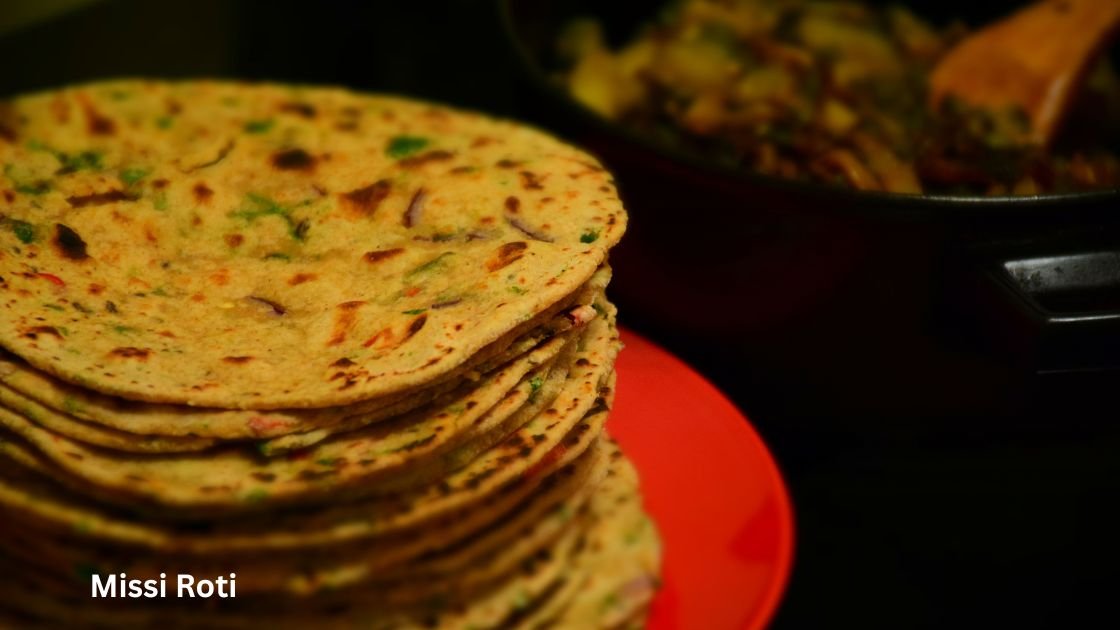
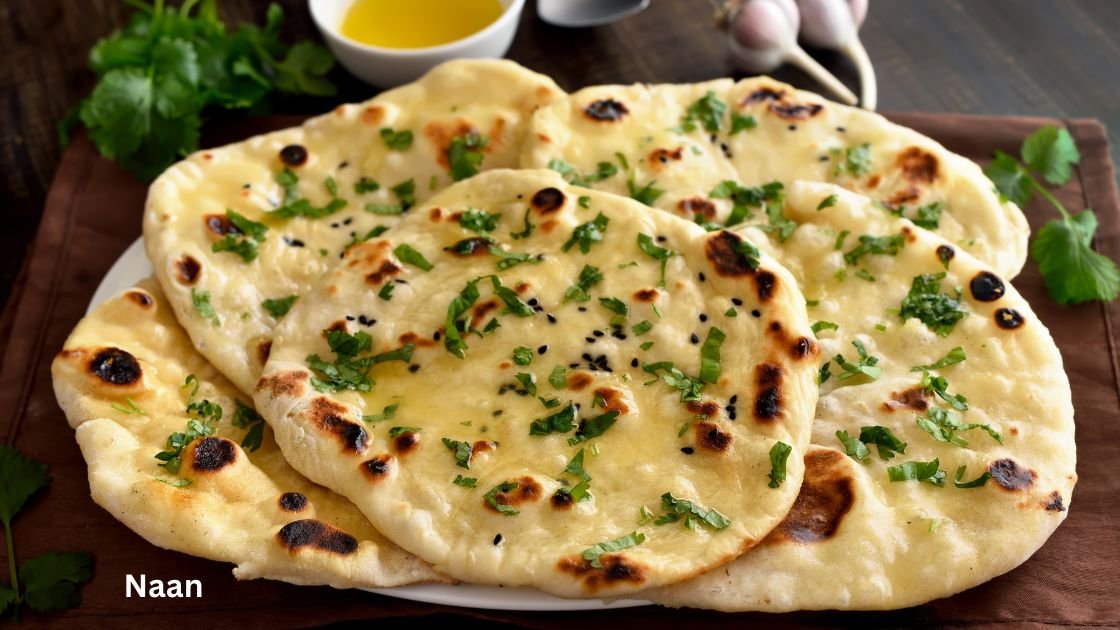
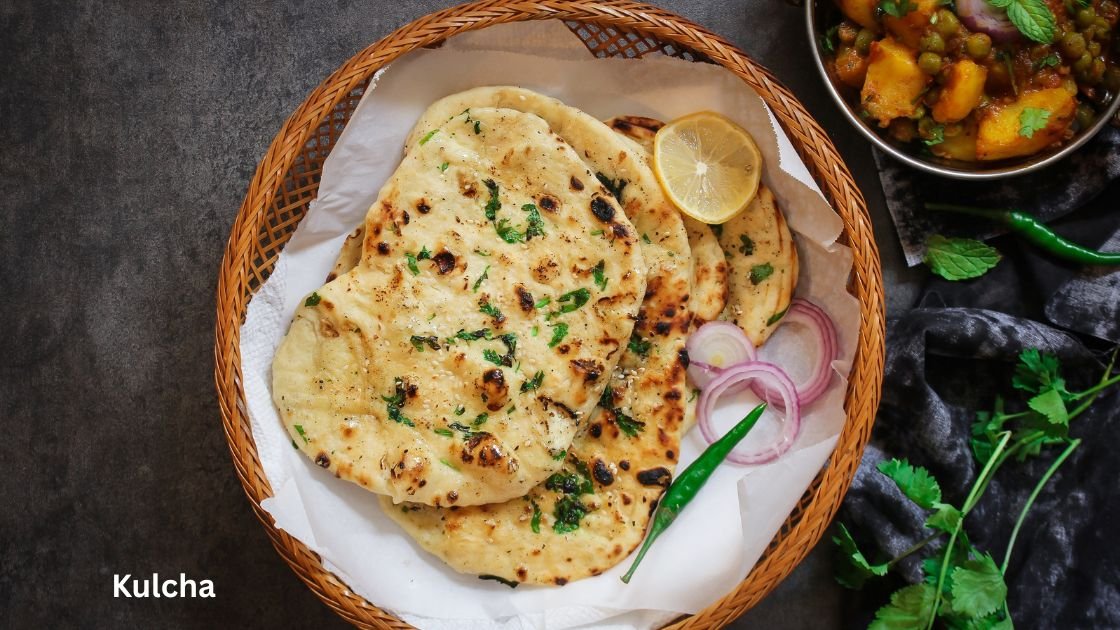
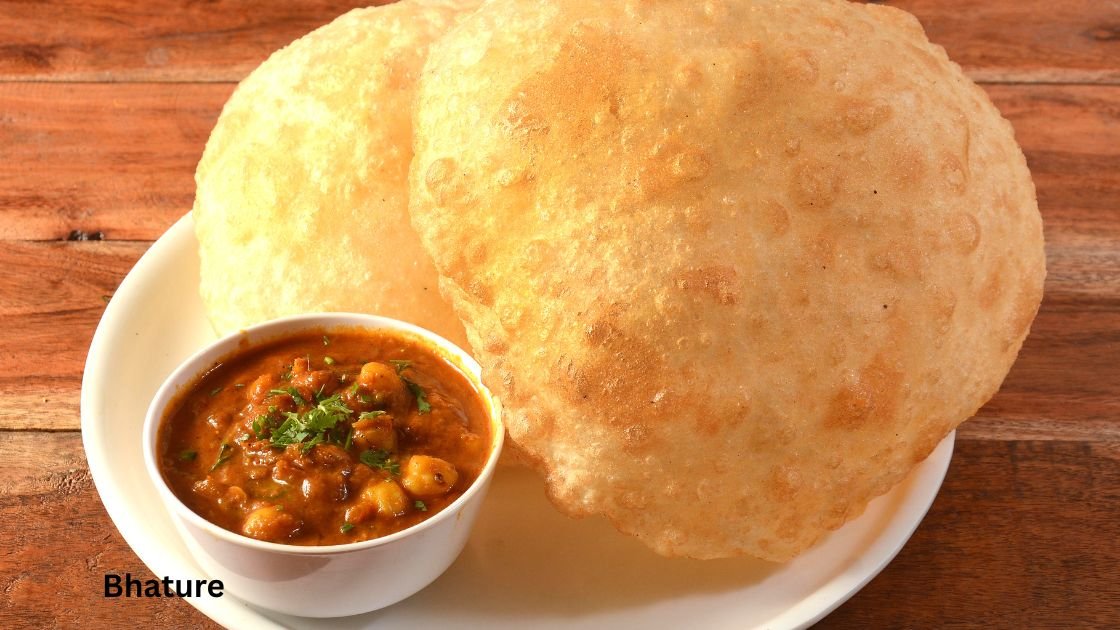
Serve it with buttered toast or pav for breakfast, or with soft phulkas and a simple onion-cucumber salad for a light lunch or dinner. It also makes a great filling for wraps and parathas.
Frequently Asked Questions
Why does my paneer turn hard after cooking?
This happens when it is cooked for too long or on too high a flame. Add the paneer at the very end and cook it just long enough to warm through.
Can I make paneer bhurji ahead for meal prep?
You can prep the onion-tomato masala base a day ahead and refrigerate it. Add the paneer fresh when reheating for the best texture.
Is paneer bhurji good for weight loss?
It is high in protein and low in carbs, which makes it a satisfying option, though portion size and the amount of oil or butter used will affect how it fits into a weight-loss diet.
Can I use store-bought paneer?
Yes, just soak it in warm water for a few minutes first to soften it before crumbling, since packaged paneer tends to be firmer than the fresh homemade kind.
Nutrition Information (approximate, per serving)
Calories: 220 | Protein: 12g | Carbohydrates: 7g | Fat: 16g | Fibre: 2g. Values are estimates and will vary based on the exact paneer and oil quantity used.