When my doctor suggested cutting back on wheat a few years ago, my grandmother’s answer was simple: go back to jowar roti, like everyone used to eat before wheat took over Indian kitchens. It turns out she was onto something that nutritionists are only now catching up with, because this humble millet has quietly stayed one of the most balanced grains in the Indian pantry all along.
What is Jowar?
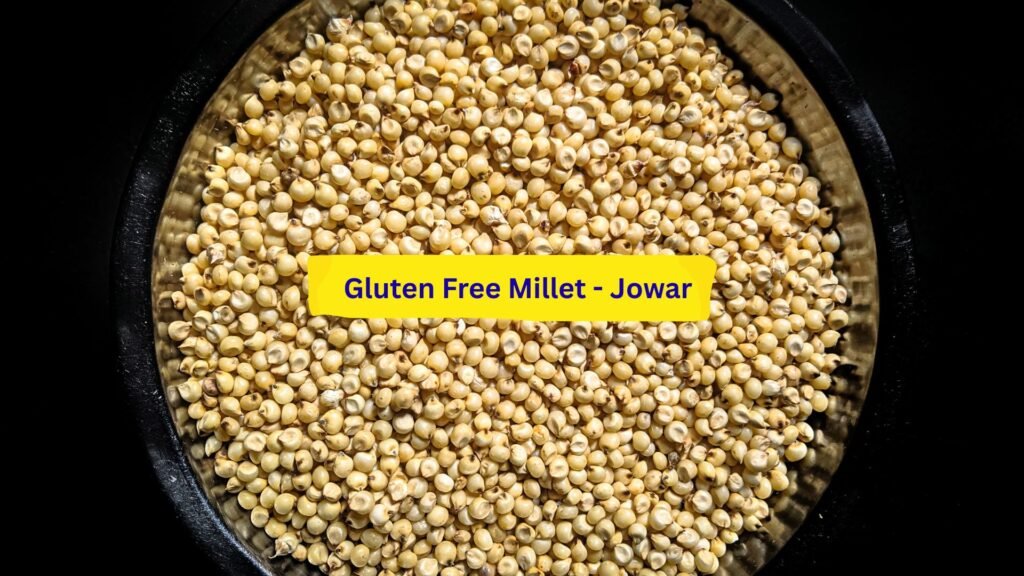
Jowar, known internationally as sorghum, is one of India’s oldest cultivated grains and a member of the millet family. It is ground into flour for rotis and bhakri, popped like popcorn as a snack, or cooked whole as a rice substitute. Pale in color and mild in taste, it works as a fairly neutral base for both savory and lightly sweet dishes.
Where Jowar Fits in Indian Food Culture
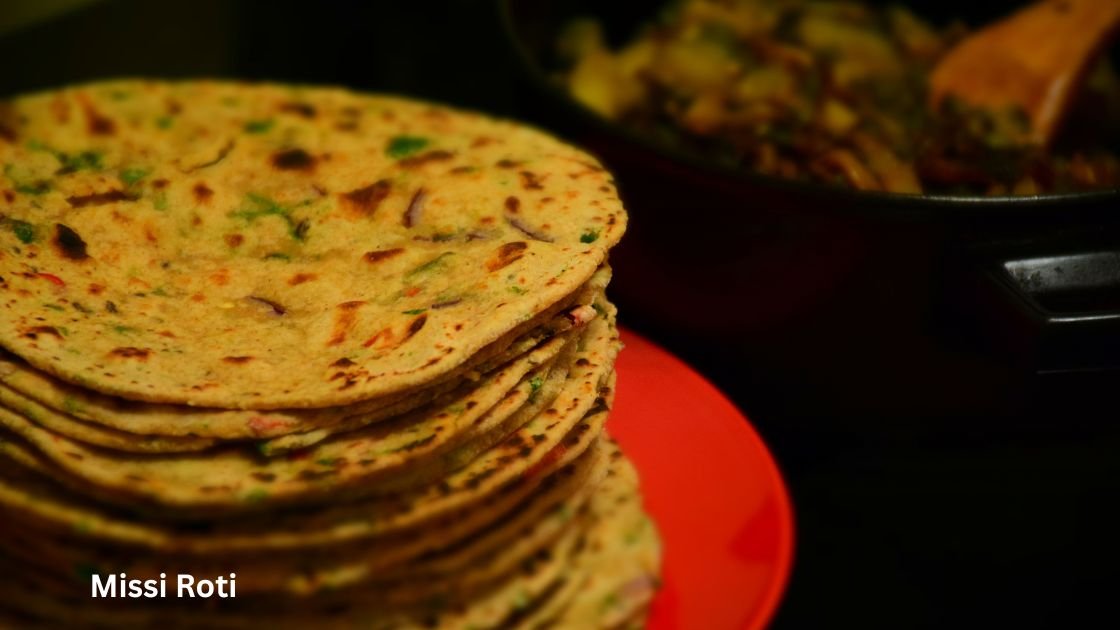
Jowar has long been a staple across Maharashtra, Karnataka, Telangana and parts of Rajasthan, especially in drier regions where it grows more reliably than rice or wheat. Jowar bhakri with pithla or thecha is an everyday meal in rural Maharashtra, and in Karnataka, jowar rotti is served alongside spicy chutneys. It fell out of everyday use for a couple of decades as refined wheat became more accessible, but it has been steadily returning to Indian kitchens as part of the broader millet revival.
The Real Benefits
- Naturally gluten-free, making it safe for people with celiac disease or gluten sensitivity
- High in dietary fiber, which supports digestion and helps manage constipation
- Rich in plant-based protein compared to refined wheat flour
- Contains antioxidants called polyphenols that help reduce inflammation
- Good source of iron, phosphorus and B vitamins
- Low glycemic index, which means a slower, steadier rise in blood sugar
- Contains magnesium, which supports better calcium absorption for bone health
How To Add More Jowar to Your Diet
- Swap one wheat roti a day for a jowar roti or bhakri
- Try jowar upma or khichdi as a lighter alternative to rice-based versions
- Use popped jowar as a crunchy topping for salads or a snack on its own
- Mix jowar flour with wheat flour in a 1:1 ratio if the pure grain feels too dense at first
- Cook jowar rotis fresh and eat them warm, since they turn hard and brittle once they cool
Jowar isn’t a trendy new ingredient, it’s a grain Indian kitchens already knew well before refined wheat took over the shelf space. Bringing a little more of it back into your weekly rotation is less about following a diet trend and more about returning to something that was already working.

Karwa Chauth 2026 Vrat Guide: Sargi, Fasting Foods and What to Eat After Moonrise
What Is Karwa Chauth Karwa Chauth is a traditional fast observed mainly by married women in North India, primarily in Punjab, Haryana, Uttar Pradesh, and

How to Store Paneer, Curd and Milk Safely During Festival Season
Festival season in an Indian kitchen means one thing: dairy everywhere. Paneer for the sabzi, khoya for the ladoos, curd for the raita and milk

Vegetarian Sources of Folate (Vitamin B9) for Indian Diets: Why It Matters Most for Women
Ask most Indian vegetarians which nutrients they need to watch and you’ll hear about protein, iron and maybe B12. Folate rarely comes up in conversation,

Health Benefits of Gond Katira (Edible Gum): The Cooling Ayurvedic Ingredient Everyone Searched For
If you’ve spent any time in an Indian kitchen during the hotter months, you’ve probably seen small, translucent, crystal-like pieces soaking in a bowl of

Paneer vs Tofu vs Soya Chunks: Which Vegetarian Protein Should You Choose?
What Are Paneer, Tofu, and Soya Chunks? Paneer is fresh Indian cottage cheese which is made by curdling full-fat milk with lemon juice or vinegar.

Healthy Substitutes for Maida (Refined Flour) in Everyday Indian Cooking
Maida has been the quiet backbone of Indian snacking for decades. Maida is used in everything from bhature and samosas to the naan at your

Do Indian Foods Work Like Ozempic? Everyday Foods That Support GLP-1 and Natural Fullness
What Is GLP-1, Really? GLP-1, or glucagon-like peptide-1, is a hormone your own gut releases after you eat. It releases especially after fibre, protein and
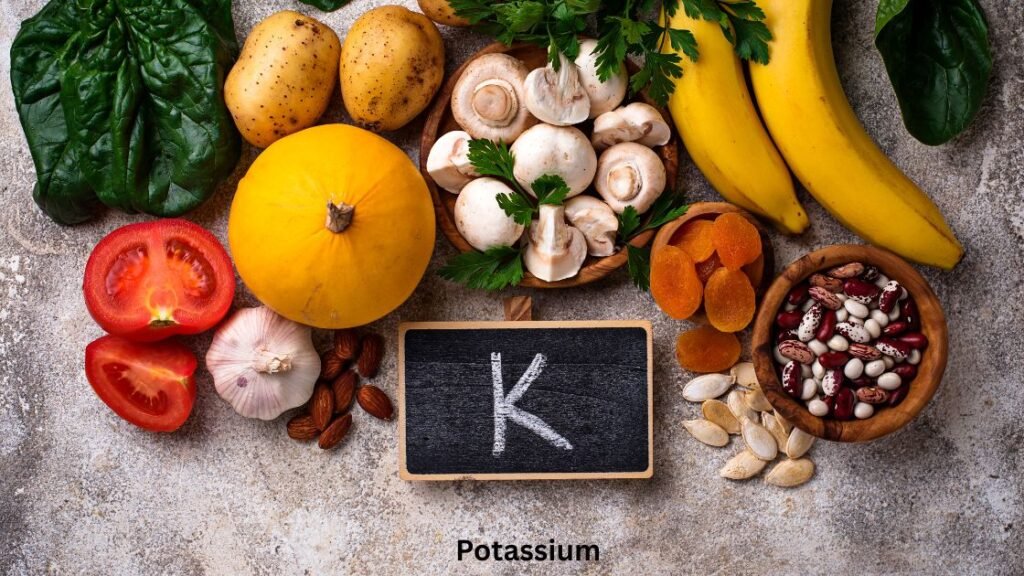
Vegetarian Sources of Potassium for Indian Diets: Preventing Cramps, Fatigue and High Blood Pressure
If you have ever felt an unexplained muscle cramp climbing up your calf at 2am or found yourself inexplicably tired despite sleeping well, potassium might
Natural Electrolyte Drinks from Your Indian Kitchen: Beating Dehydration Without Sports Drinks
Why Electrolytes Matter More Than Plain Water Electrolytes like sodium, potassium and magnesium control how water moves in and out of your cells and how
High-Protein Vegetarian Diet: A Practical Indian Meal Guide
Why Protein Matters (And Why Vegetarians Worry About It) Protein is the building block for muscle, skin, hair, enzymes and hormones, and unlike carbohydrates and
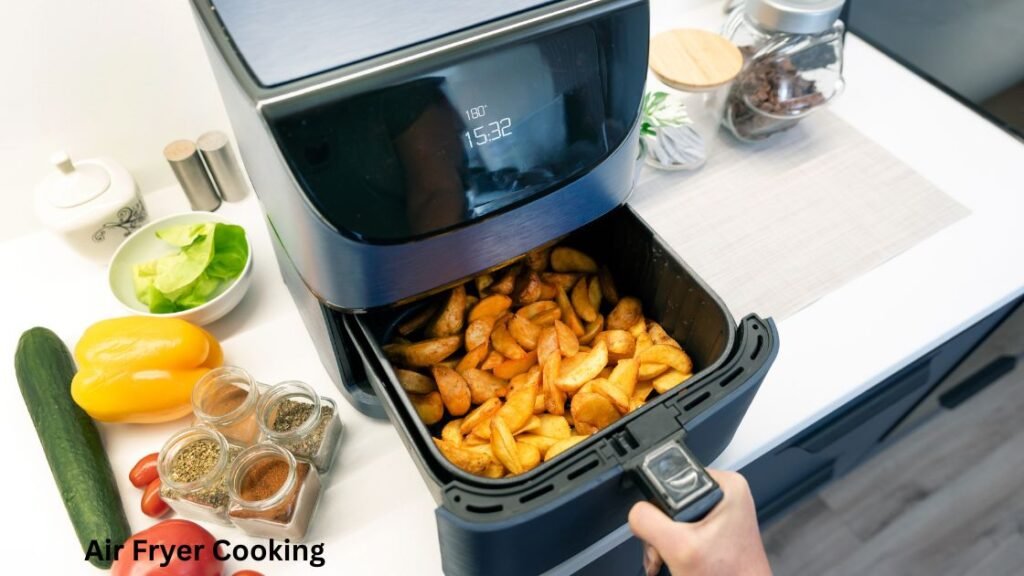
Air Fryer Indian Cooking: How to Make Your Favorite Snacks Without Deep-Frying
What Is Air Frying, and Why Indian Kitchens Are Adopting It An air fryer is essentially a small, powerful convection oven. It circulates very hot
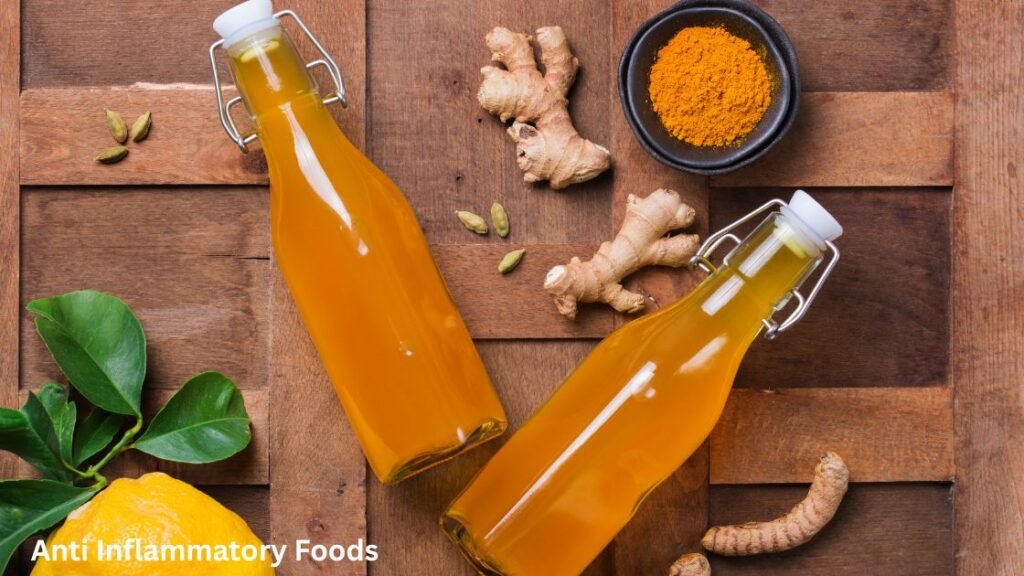
Anti-Inflammatory Indian Foods: The Spices and Ingredients Already in Your Kitchen
What Is Inflammation and Why Does It Matter? Inflammation is the body’s natural response to injury or infection. It is literally your immune system doing
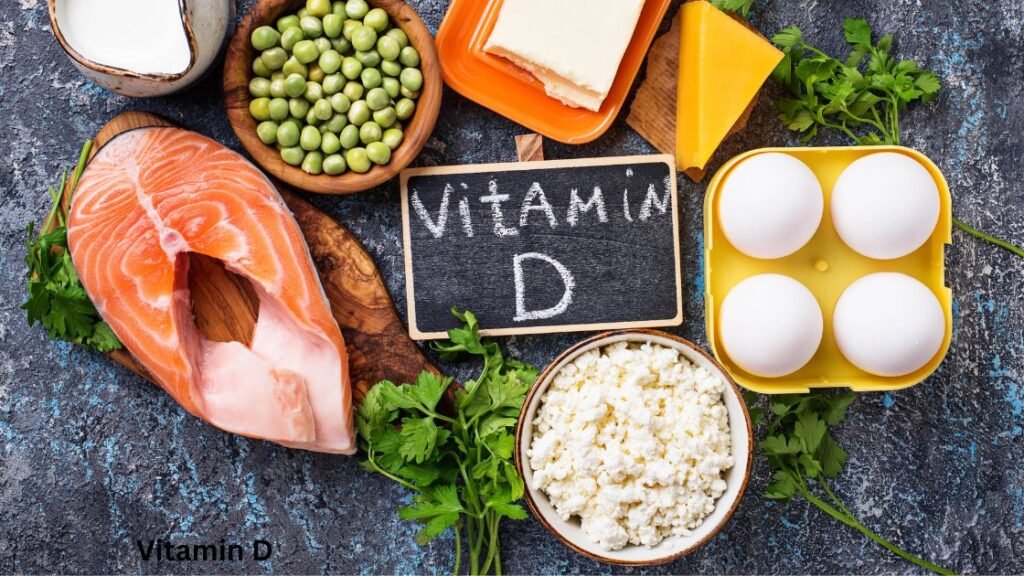
Vegetarian Sources of Vitamin D for Indian Diets: Fighting a Silent Deficiency
If you’ve ever gotten a blood test in India and been quietly told your vitamin D is “a little low”, you’re in extremely large company.
How to Enjoy Festive Sweets Without the Guilt: A Practical Guide for Ganesh Chaturthi Season
Why Festival Season Feels So Hard to Navigate Indian festivals are built around food as an expression of celebration, devotion, and hospitality. Refusing a sweet