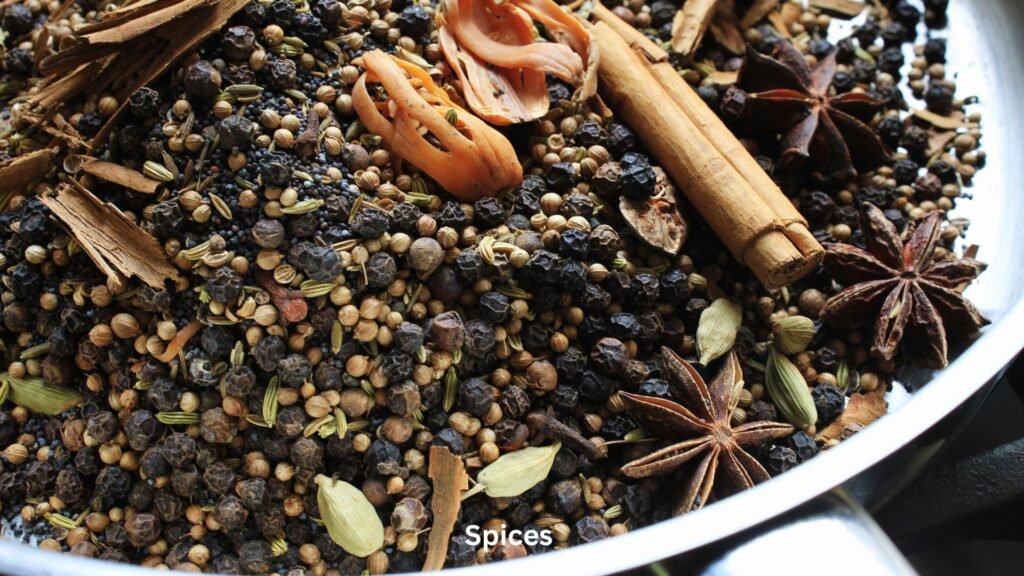
My grandmother always dry-roasted her cumin and coriander seeds before grinding them into masala, and as a kid I never understood why she wouldn’t just skip the step. It took me years of cooking on my own to realise that ten seconds too long in that pan is the difference between a fragrant masala and a bitter, flat one, and that the roasting itself is doing real chemistry, not just tradition for its own sake.
What is Bhunai?
Bhunai, or dry-roasting, is the technique of heating whole or ground spices in a pan with no oil or water, just direct heat, until they release their aroma and darken slightly. It’s different from tempering (tadka), where spices are fried in hot oil, though both techniques work on the same basic principle of using heat to unlock flavour that stays locked away in raw spices.
Where Roasting Fits in Indian Kitchens
Nearly every regional Indian cuisine has its own version of this step. Whole spices are dry-roasted before being ground into garam masala or sambar powder, papads are roasted over an open flame before serving, and even ready-ground spices are often given a quick roast in a dry pan before going into a dish to wake them back up. It’s such a routine motion in Indian kitchens that most home cooks do it without thinking twice, even though it’s genuinely doing something to the spice at a molecular level.
The Real Benefits
- Heat triggers a Maillard-type reaction in the spice’s natural oils, creating new aromatic compounds that don’t exist in the raw ingredient
- Roasting evaporates surface moisture, which concentrates flavour and makes spices easier to grind into a fine, consistent powder
- It mellows out raw, sometimes bitter or grassy notes in spices like coriander and fenugreek, replacing them with warmer, nuttier flavours
- Roasted spices generally have a longer shelf life once ground, since the process reduces moisture that would otherwise encourage spoilage
- A well-roasted spice blend needs less quantity to deliver the same depth of flavour, which can mean less salt or fat needed elsewhere in the dish to compensate
Tips for Roasting Spices at Home
- Use a heavy-bottomed pan on low to medium heat, spices burn quickly on high heat and turn bitter almost instantly
- Keep the spices moving constantly, shaking the pan or stirring with a spoon, so they toast evenly instead of scorching in one spot
- Roast by aroma, not by the clock, the moment the kitchen fills with fragrance and the spices darken just slightly, take the pan off the heat
- Roast spices with similar cooking times together, and let harder ones like whole coriander go in a little before delicate ones like cumin
- Let roasted spices cool completely before grinding, grinding them warm can trap steam and make the powder clump
Once you start paying attention to that shift from raw to roasted, it’s hard to skip the step again. It costs a couple of minutes and doesn’t need any special equipment, but it’s often the single biggest difference between a masala that tastes flat and one that tastes like it came from a kitchen that knew exactly what it was doing.

Karwa Chauth 2026 Vrat Guide: Sargi, Fasting Foods and What to Eat After Moonrise
What Is Karwa Chauth Karwa Chauth is a traditional fast observed mainly by married women in North India, primarily in Punjab, Haryana, Uttar Pradesh, and

How to Store Paneer, Curd and Milk Safely During Festival Season
Festival season in an Indian kitchen means one thing: dairy everywhere. Paneer for the sabzi, khoya for the ladoos, curd for the raita and milk

Vegetarian Sources of Folate (Vitamin B9) for Indian Diets: Why It Matters Most for Women
Ask most Indian vegetarians which nutrients they need to watch and you’ll hear about protein, iron and maybe B12. Folate rarely comes up in conversation,

Health Benefits of Gond Katira (Edible Gum): The Cooling Ayurvedic Ingredient Everyone Searched For
If you’ve spent any time in an Indian kitchen during the hotter months, you’ve probably seen small, translucent, crystal-like pieces soaking in a bowl of

Paneer vs Tofu vs Soya Chunks: Which Vegetarian Protein Should You Choose?
What Are Paneer, Tofu, and Soya Chunks? Paneer is fresh Indian cottage cheese which is made by curdling full-fat milk with lemon juice or vinegar.

Healthy Substitutes for Maida (Refined Flour) in Everyday Indian Cooking
Maida has been the quiet backbone of Indian snacking for decades. Maida is used in everything from bhature and samosas to the naan at your

Do Indian Foods Work Like Ozempic? Everyday Foods That Support GLP-1 and Natural Fullness
What Is GLP-1, Really? GLP-1, or glucagon-like peptide-1, is a hormone your own gut releases after you eat. It releases especially after fibre, protein and
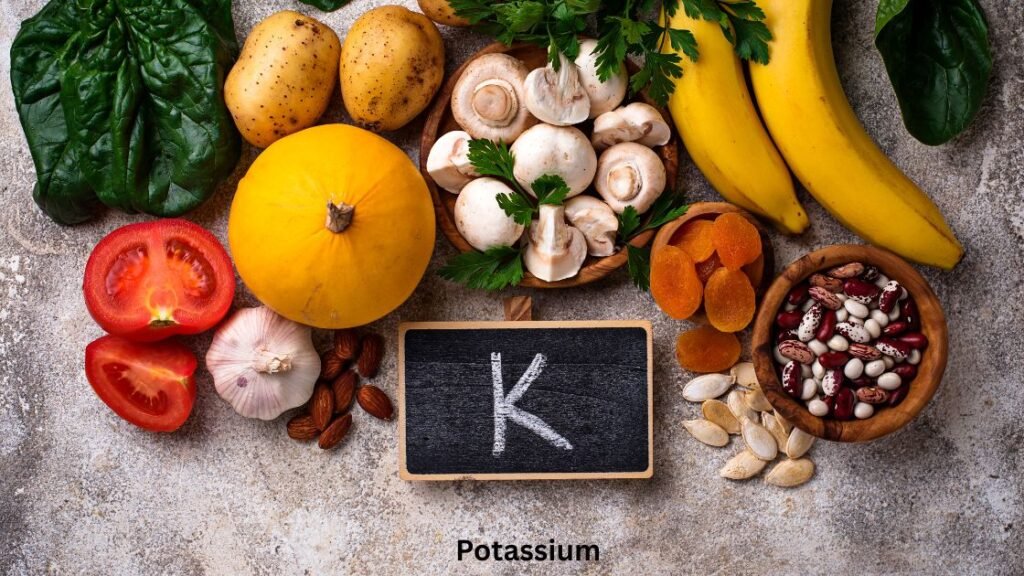
Vegetarian Sources of Potassium for Indian Diets: Preventing Cramps, Fatigue and High Blood Pressure
If you have ever felt an unexplained muscle cramp climbing up your calf at 2am or found yourself inexplicably tired despite sleeping well, potassium might

Natural Electrolyte Drinks from Your Indian Kitchen: Beating Dehydration Without Sports Drinks
Why Electrolytes Matter More Than Plain Water Electrolytes like sodium, potassium and magnesium control how water moves in and out of your cells and how
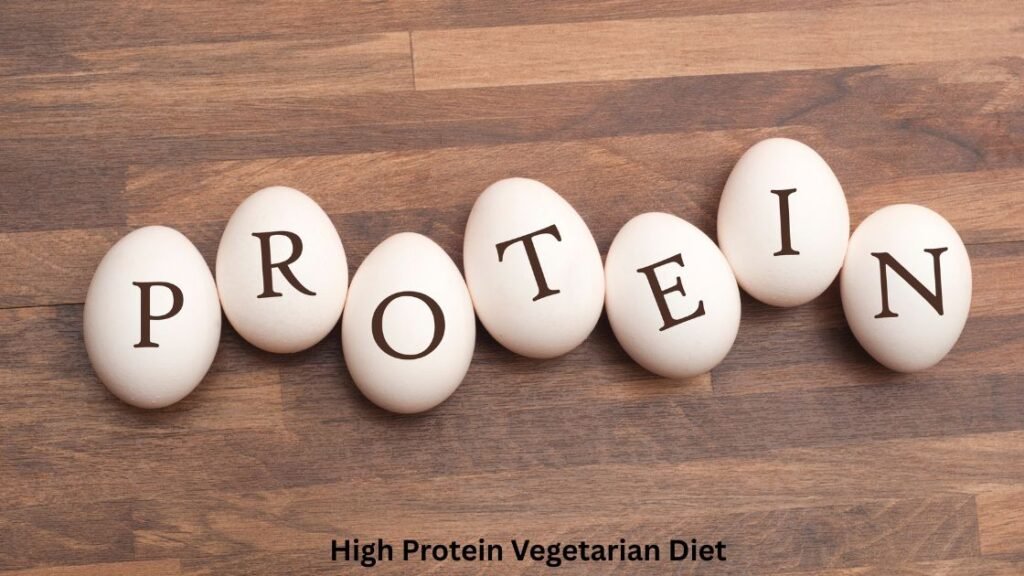
High-Protein Vegetarian Diet: A Practical Indian Meal Guide
Why Protein Matters (And Why Vegetarians Worry About It) Protein is the building block for muscle, skin, hair, enzymes and hormones, and unlike carbohydrates and
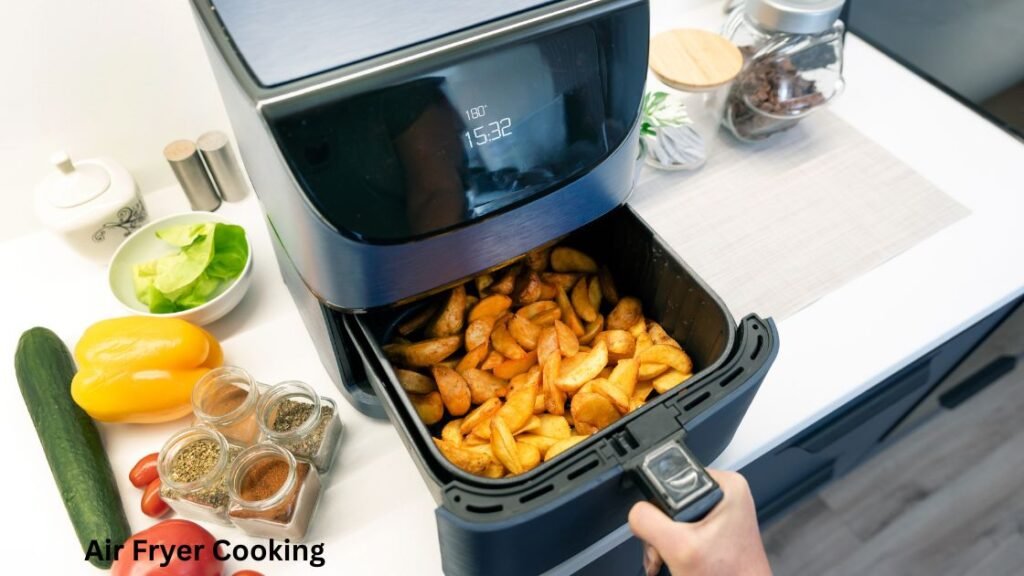
Air Fryer Indian Cooking: How to Make Your Favorite Snacks Without Deep-Frying
What Is Air Frying, and Why Indian Kitchens Are Adopting It An air fryer is essentially a small, powerful convection oven. It circulates very hot
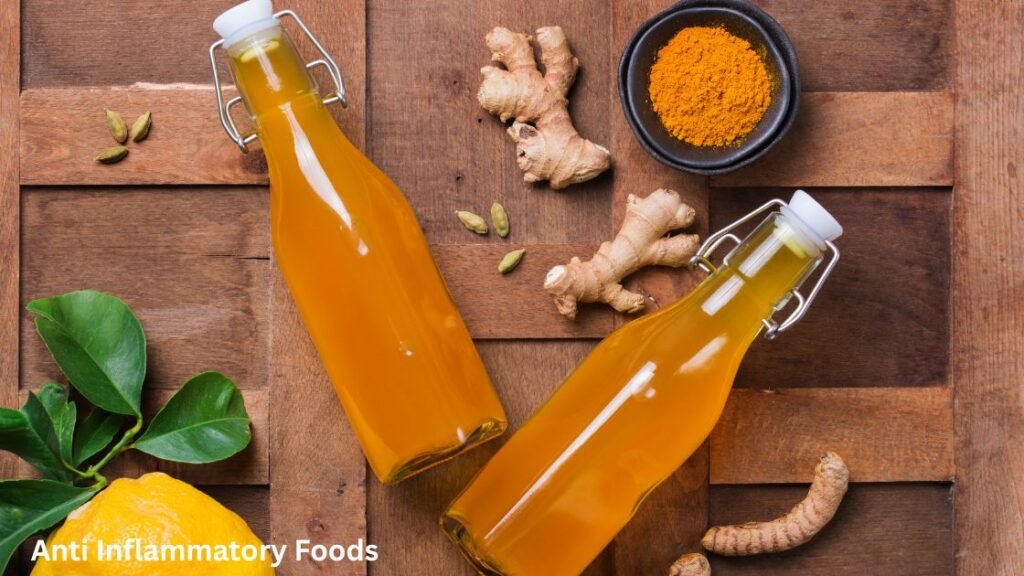
Anti-Inflammatory Indian Foods: The Spices and Ingredients Already in Your Kitchen
What Is Inflammation and Why Does It Matter? Inflammation is the body’s natural response to injury or infection. It is literally your immune system doing
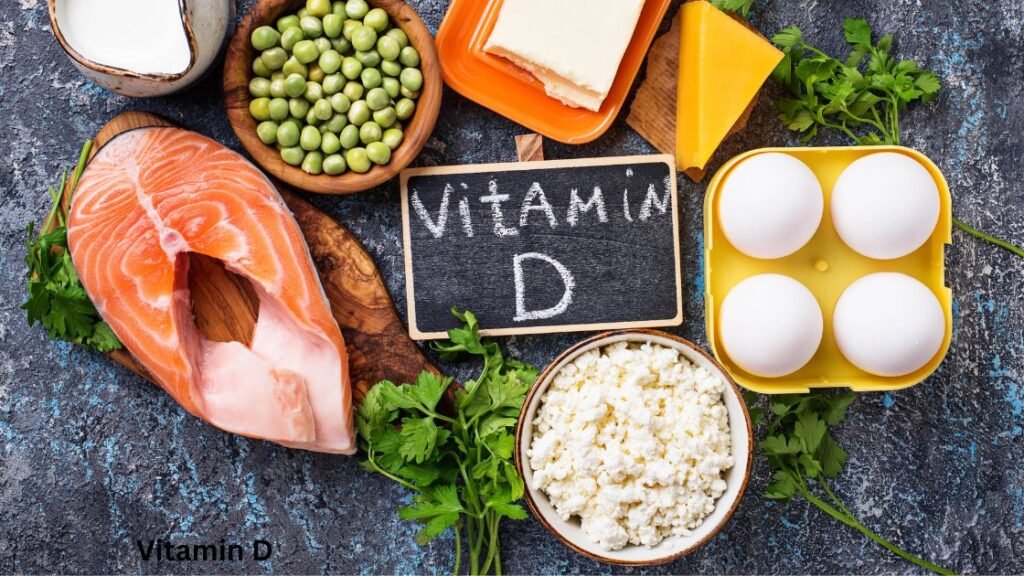
Vegetarian Sources of Vitamin D for Indian Diets: Fighting a Silent Deficiency
If you’ve ever gotten a blood test in India and been quietly told your vitamin D is “a little low”, you’re in extremely large company.

How to Enjoy Festive Sweets Without the Guilt: A Practical Guide for Ganesh Chaturthi Season
Why Festival Season Feels So Hard to Navigate Indian festivals are built around food as an expression of celebration, devotion, and hospitality. Refusing a sweet