Ask anyone who grew up in an Indian household and they’ll tell you the sound of a pressure cooker whistling is basically a dinner bell. Dal that would simmer for an hour on an open flame is done in fifteen minutes, and nobody in my family ever questioned why the cooker was just non-negotiable kitchen equipment, like the mixer-grinder or the tawa. It’s only when you look at what’s actually happening inside that sealed pot that you realize how much science is packed into that hissing sound.
Why Pressure Cooking Works
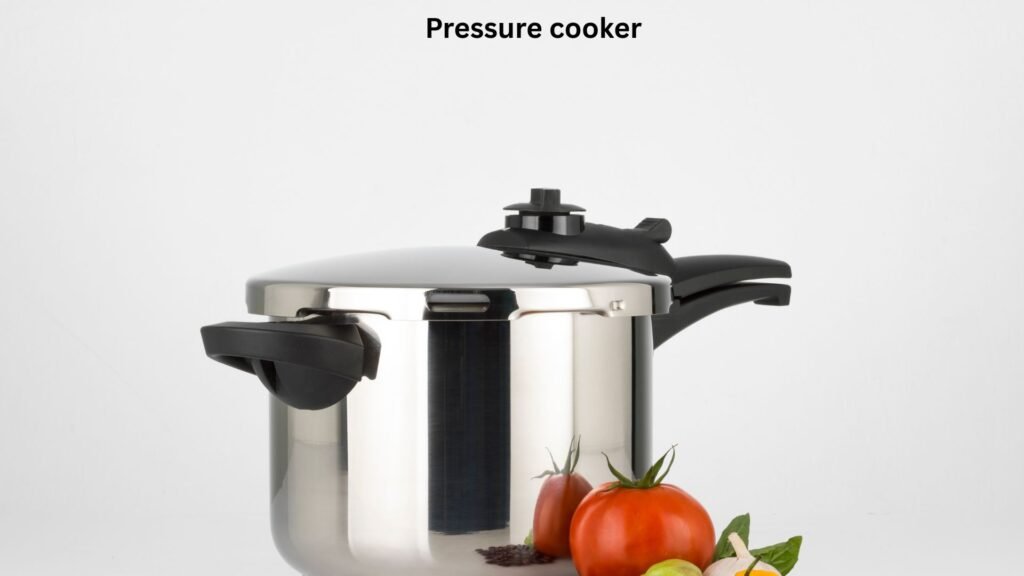
A pressure cooker is a sealed pot that traps steam as water boils. As steam builds up with nowhere to escape, the pressure inside rises above normal atmospheric pressure, and here’s the part that matters: at higher pressure, water needs a higher temperature to boil. In a regular open pot, water boils at 100C no matter how high you turn the flame, the extra heat just makes it boil more vigorously, not hotter. Inside a sealed cooker, the trapped steam can push the boiling point up to around 120-121C, and that higher cooking temperature is what shrinks a two-hour rajma into a twenty-minute job.
Where Pressure Cooking Fits in Indian Kitchen Culture
Pressure cookers arrived in India in the 1950s, and within a couple of decades they’d become one of the most common wedding-gift and household-essential items across the country. Part of that was practical: Indian cooking leans heavily on dried lentils, whole spices, and tougher vegetables like potatoes, all of which take a long time to soften with regular boiling. Fuel, whether kerosene, LPG, or firewood, was also expensive and often rationed, so a pot that cut cooking time by 70-80% wasn’t a luxury, it was a necessity. Even today, with induction stoves and instant pots widely available, the whistle-counting cooker remains the default way most Indian households make dal, rajma, chana, and rice.
The Real Benefits
- Cooks dense, fibrous foods like whole lentils, beans, and tougher vegetables in a fraction of the time compared to open-pot boiling
- Uses less fuel and less water, since the sealed environment prevents steam from escaping and drying things out
- Retains more water-soluble vitamins (like B vitamins and vitamin C) than long open-pot boiling, because shorter cooking times mean less nutrient breakdown
- Softens tough plant fibers and breaks down anti-nutrients in legumes more effectively, which is part of why pressure-cooked dal is easier to digest than undercooked dal
- Keeps the kitchen cooler and faster-moving, since you’re not tending an open pot for an hour
Tips for Getting the Most Out of Your Pressure Cooker
- Always add enough water, at least one cup, since the sealed cooking process relies on steam, and too little water can scorch the bottom before pressure even builds
- Don’t overfill the cooker; leave at least a third of the pot empty so there’s room for steam to build pressure safely
- Match whistle count to the ingredient: 3-4 whistles for dal, 1 whistle plus simmering for rice, 4-5 for tougher rajma or chana
- Let the pressure release naturally for delicate items like rice or dal, since a natural release keeps grains intact instead of blowing them apart with a rushed quick-release
- Soak beans and legumes beforehand when possible, it cuts cooking time further and helps them cook more evenly
Once you know what’s actually happening under that lid, the pressure cooker stops feeling like a mysterious hissing box and starts feeling like exactly what it is, a simple, energy-efficient way to get real food on the table fast, which is probably why it never went out of style in Indian kitchens in the first place.

Karwa Chauth 2026 Vrat Guide: Sargi, Fasting Foods and What to Eat After Moonrise
What Is Karwa Chauth Karwa Chauth is a traditional fast observed mainly by married women in North India, primarily in Punjab, Haryana, Uttar Pradesh, and

How to Store Paneer, Curd and Milk Safely During Festival Season
Festival season in an Indian kitchen means one thing: dairy everywhere. Paneer for the sabzi, khoya for the ladoos, curd for the raita and milk

Vegetarian Sources of Folate (Vitamin B9) for Indian Diets: Why It Matters Most for Women
Ask most Indian vegetarians which nutrients they need to watch and you’ll hear about protein, iron and maybe B12. Folate rarely comes up in conversation,

Health Benefits of Gond Katira (Edible Gum): The Cooling Ayurvedic Ingredient Everyone Searched For
If you’ve spent any time in an Indian kitchen during the hotter months, you’ve probably seen small, translucent, crystal-like pieces soaking in a bowl of

Paneer vs Tofu vs Soya Chunks: Which Vegetarian Protein Should You Choose?
What Are Paneer, Tofu, and Soya Chunks? Paneer is fresh Indian cottage cheese which is made by curdling full-fat milk with lemon juice or vinegar.

Healthy Substitutes for Maida (Refined Flour) in Everyday Indian Cooking
Maida has been the quiet backbone of Indian snacking for decades. Maida is used in everything from bhature and samosas to the naan at your

Do Indian Foods Work Like Ozempic? Everyday Foods That Support GLP-1 and Natural Fullness
What Is GLP-1, Really? GLP-1, or glucagon-like peptide-1, is a hormone your own gut releases after you eat. It releases especially after fibre, protein and
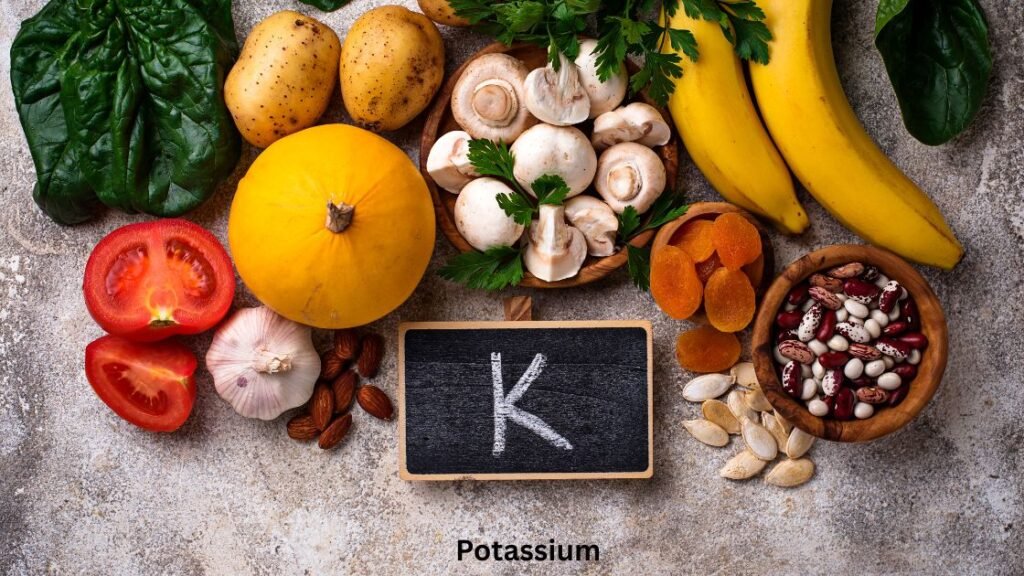
Vegetarian Sources of Potassium for Indian Diets: Preventing Cramps, Fatigue and High Blood Pressure
If you have ever felt an unexplained muscle cramp climbing up your calf at 2am or found yourself inexplicably tired despite sleeping well, potassium might
Natural Electrolyte Drinks from Your Indian Kitchen: Beating Dehydration Without Sports Drinks
Why Electrolytes Matter More Than Plain Water Electrolytes like sodium, potassium and magnesium control how water moves in and out of your cells and how
High-Protein Vegetarian Diet: A Practical Indian Meal Guide
Why Protein Matters (And Why Vegetarians Worry About It) Protein is the building block for muscle, skin, hair, enzymes and hormones, and unlike carbohydrates and
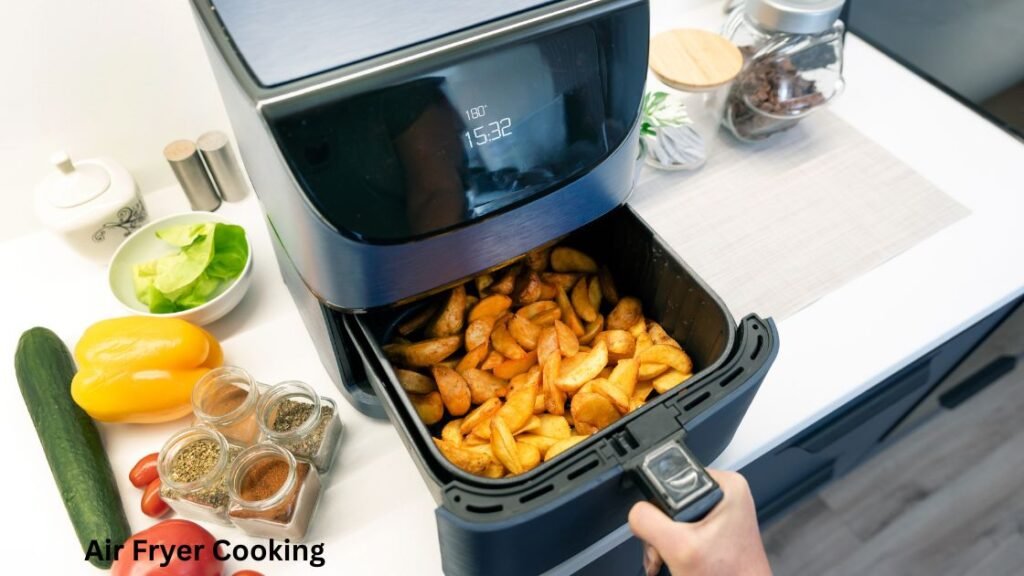
Air Fryer Indian Cooking: How to Make Your Favorite Snacks Without Deep-Frying
What Is Air Frying, and Why Indian Kitchens Are Adopting It An air fryer is essentially a small, powerful convection oven. It circulates very hot
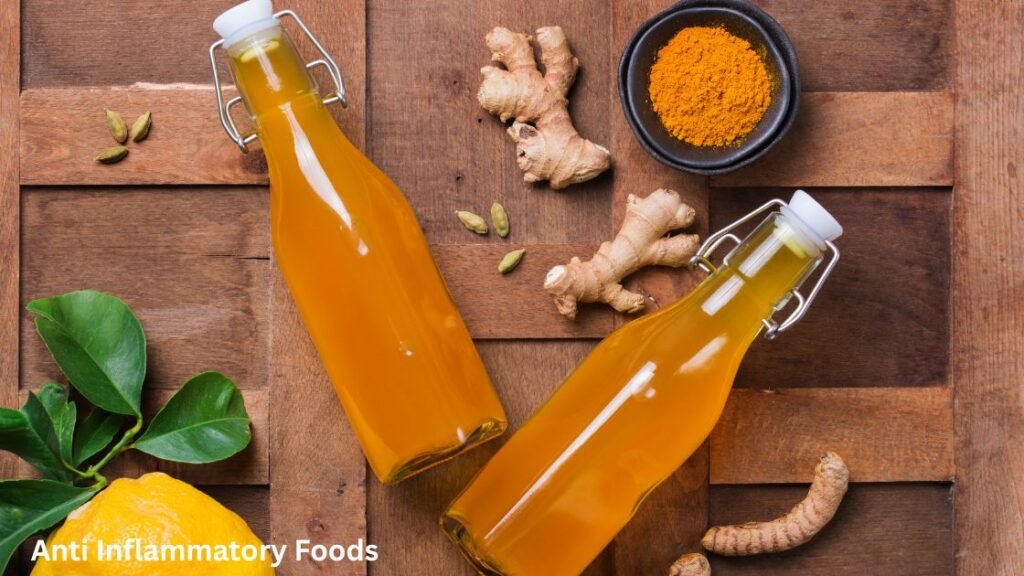
Anti-Inflammatory Indian Foods: The Spices and Ingredients Already in Your Kitchen
What Is Inflammation and Why Does It Matter? Inflammation is the body’s natural response to injury or infection. It is literally your immune system doing
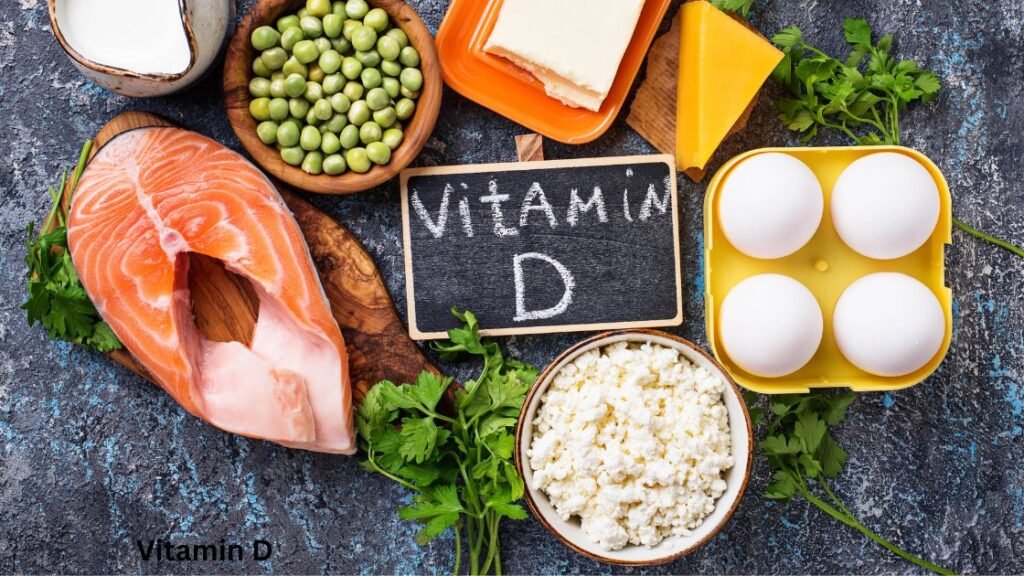
Vegetarian Sources of Vitamin D for Indian Diets: Fighting a Silent Deficiency
If you’ve ever gotten a blood test in India and been quietly told your vitamin D is “a little low”, you’re in extremely large company.
How to Enjoy Festive Sweets Without the Guilt: A Practical Guide for Ganesh Chaturthi Season
Why Festival Season Feels So Hard to Navigate Indian festivals are built around food as an expression of celebration, devotion, and hospitality. Refusing a sweet