What is Viruddha Ahara?
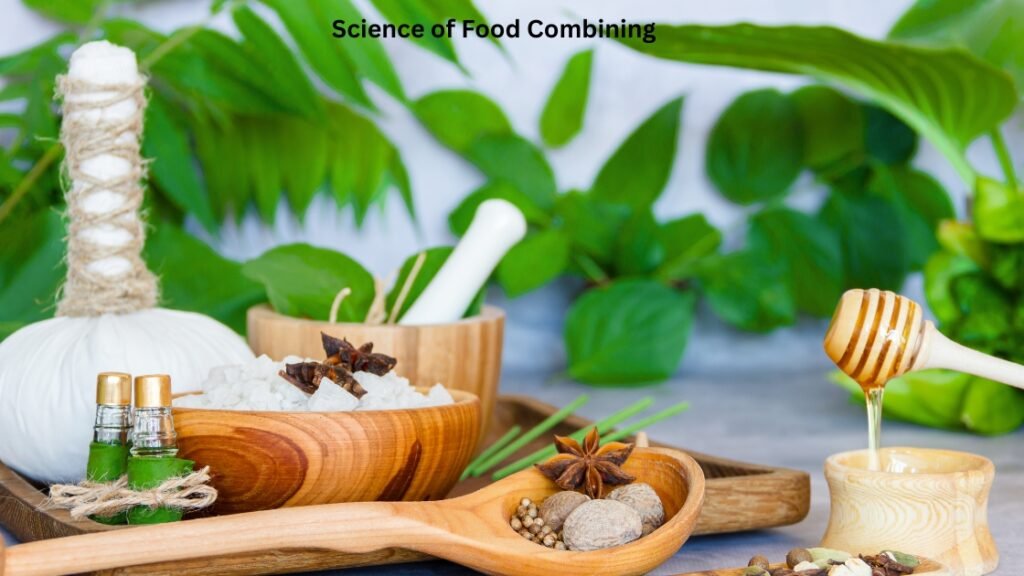
Viruddha ahara literally translates to “incompatible food” in Ayurveda. It refers to combinations of foods that, when eaten together, are believed to disturb digestion, create toxins (called ama), and throw off the body’s natural balance. This isn’t about any single food being bad, it’s specifically about certain pairings that clash.
Where This Fits in Indian Food Culture
Food combining rules show up quietly all over Indian households: not drinking milk right after eating sour fruits, avoiding fish and dairy together, not mixing honey with hot water or ghee in equal parts, and giving fruit its own space away from meals. These aren’t random rules, they come from centuries-old Ayurvedic texts like the Charaka Samhita, which classify foods by their qualities (guna), and warn against combining opposites, like something heating with something cooling, or two heavy proteins at once.
The Real Reasons Behind It
- Some combinations genuinely slow digestion, like heavy proteins eaten together, which can sit longer in the gut
- Milk is thought to curdle when combined with sour or acidic foods, potentially making it harder to digest
- Eating fruit with or right after a meal can cause fermentation, as fruit digests faster than heavier foods and gets held up behind them
- Combining very hot and very cold foods or drinks may stress digestion, according to Ayurvedic thinking
- Modern nutrition partly overlaps here: mixing certain proteins can cause bloating, and fruit is generally better digested on an empty stomach
Practical Combinations to Be Mindful Of
- Milk with sour fruits like citrus, or with fish and other seafood
- Honey heated or mixed in equal parts with ghee, which Ayurveda considers toxic when done this way
- Fruit eaten immediately after a full meal, rather than 30-60 minutes before or after
- Cold drinks with hot food, which can dull digestive fire (agni) according to Ayurveda
- Reheated dairy-based dishes, which are thought to lose their digestibility
How to Apply This Without Overthinking It
- Give fruit its own slot, as a snack between meals rather than dessert right after dinner
- Leave a gap of 20-30 minutes between milk and any sour or citrus food
- If you love fish, skip pairing it with a dairy-heavy curry or a glass of milk in the same meal
- Let honey cool before adding it to warm (not hot) water or tea, and avoid heating it directly
- Trust how your own body reacts, some of these rules affect people differently, and mild sensitivity isn’t the same as a strict rule for everyone
A Balanced Take
It’s worth saying clearly: not every viruddha ahara rule has strong modern scientific backing, and some are more cultural tradition than proven fact. But a few of them, like not overloading on dairy with acidic foods, or giving fruit room to digest on its own, do line up with how digestion actually works. The practical approach is to treat these as gentle guidelines passed down through experience, not strict laws, and to notice what genuinely feels good in your own body.

Karwa Chauth 2026 Vrat Guide: Sargi, Fasting Foods and What to Eat After Moonrise
What Is Karwa Chauth Karwa Chauth is a traditional fast observed mainly by married women in North India, primarily in Punjab, Haryana, Uttar Pradesh, and

How to Store Paneer, Curd and Milk Safely During Festival Season
Festival season in an Indian kitchen means one thing: dairy everywhere. Paneer for the sabzi, khoya for the ladoos, curd for the raita and milk

Vegetarian Sources of Folate (Vitamin B9) for Indian Diets: Why It Matters Most for Women
Ask most Indian vegetarians which nutrients they need to watch and you’ll hear about protein, iron and maybe B12. Folate rarely comes up in conversation,

Health Benefits of Gond Katira (Edible Gum): The Cooling Ayurvedic Ingredient Everyone Searched For
If you’ve spent any time in an Indian kitchen during the hotter months, you’ve probably seen small, translucent, crystal-like pieces soaking in a bowl of

Paneer vs Tofu vs Soya Chunks: Which Vegetarian Protein Should You Choose?
What Are Paneer, Tofu, and Soya Chunks? Paneer is fresh Indian cottage cheese which is made by curdling full-fat milk with lemon juice or vinegar.

Healthy Substitutes for Maida (Refined Flour) in Everyday Indian Cooking
Maida has been the quiet backbone of Indian snacking for decades. Maida is used in everything from bhature and samosas to the naan at your

Do Indian Foods Work Like Ozempic? Everyday Foods That Support GLP-1 and Natural Fullness
What Is GLP-1, Really? GLP-1, or glucagon-like peptide-1, is a hormone your own gut releases after you eat. It releases especially after fibre, protein and
Vegetarian Sources of Potassium for Indian Diets: Preventing Cramps, Fatigue and High Blood Pressure
If you have ever felt an unexplained muscle cramp climbing up your calf at 2am or found yourself inexplicably tired despite sleeping well, potassium might

Natural Electrolyte Drinks from Your Indian Kitchen: Beating Dehydration Without Sports Drinks
Why Electrolytes Matter More Than Plain Water Electrolytes like sodium, potassium and magnesium control how water moves in and out of your cells and how
High-Protein Vegetarian Diet: A Practical Indian Meal Guide
Why Protein Matters (And Why Vegetarians Worry About It) Protein is the building block for muscle, skin, hair, enzymes and hormones, and unlike carbohydrates and

Air Fryer Indian Cooking: How to Make Your Favorite Snacks Without Deep-Frying
What Is Air Frying, and Why Indian Kitchens Are Adopting It An air fryer is essentially a small, powerful convection oven. It circulates very hot
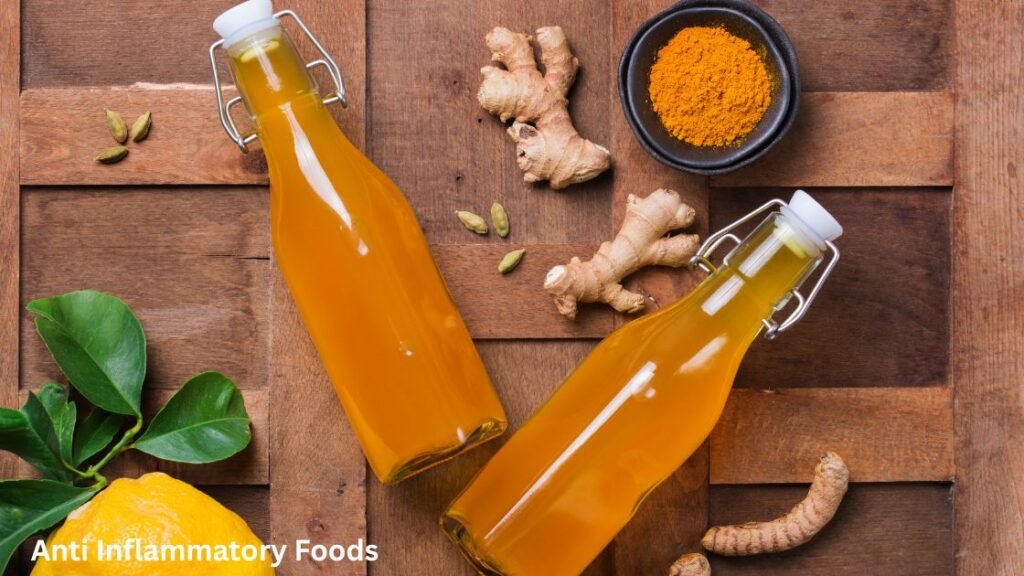
Anti-Inflammatory Indian Foods: The Spices and Ingredients Already in Your Kitchen
What Is Inflammation and Why Does It Matter? Inflammation is the body’s natural response to injury or infection. It is literally your immune system doing
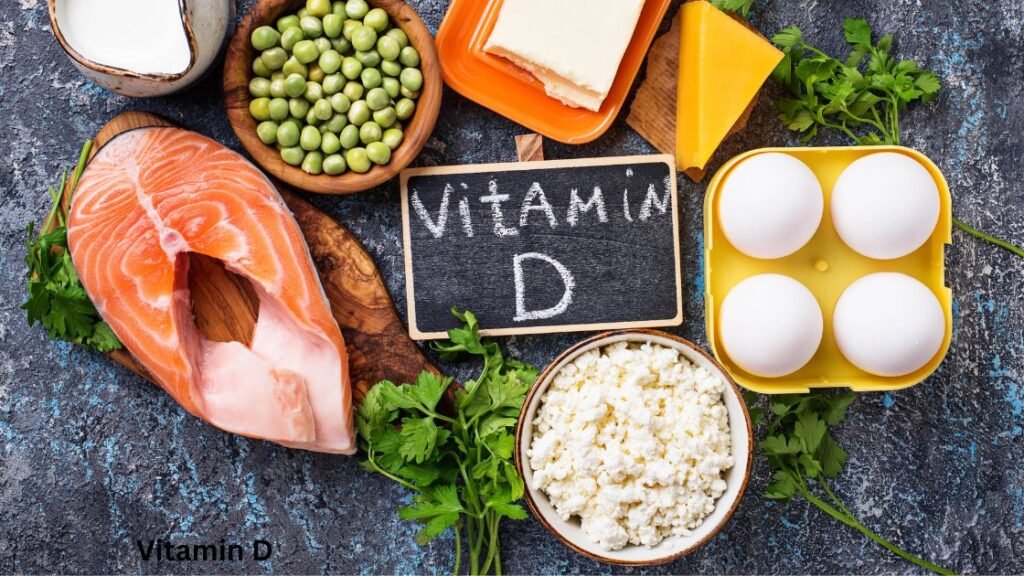
Vegetarian Sources of Vitamin D for Indian Diets: Fighting a Silent Deficiency
If you’ve ever gotten a blood test in India and been quietly told your vitamin D is “a little low”, you’re in extremely large company.
How to Enjoy Festive Sweets Without the Guilt: A Practical Guide for Ganesh Chaturthi Season
Why Festival Season Feels So Hard to Navigate Indian festivals are built around food as an expression of celebration, devotion, and hospitality. Refusing a sweet