Every year, a few weeks before Ganesh Chaturthi, my grandmother would start practicing her modak pleats, insisting hers had gotten rusty since the last festival. I used to sit beside her on the kitchen floor, stealing spoonfuls of the coconut-jaggery filling before it even made it into the dough. To this day, the smell of coconut simmering with jaggery instantly transports me back to her kitchen.
What is Modak?
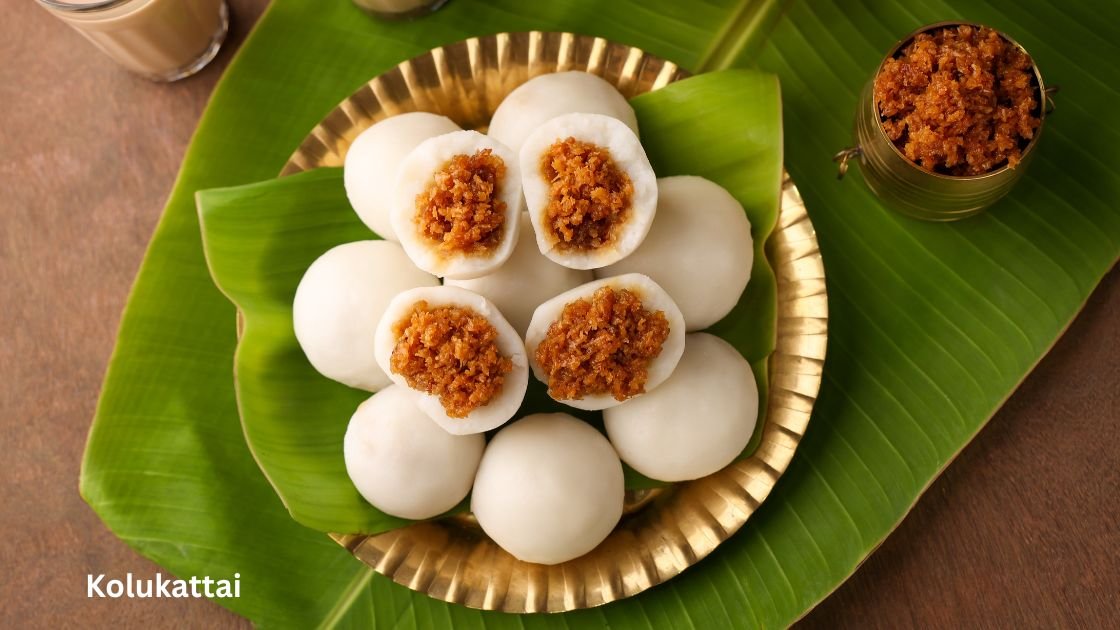
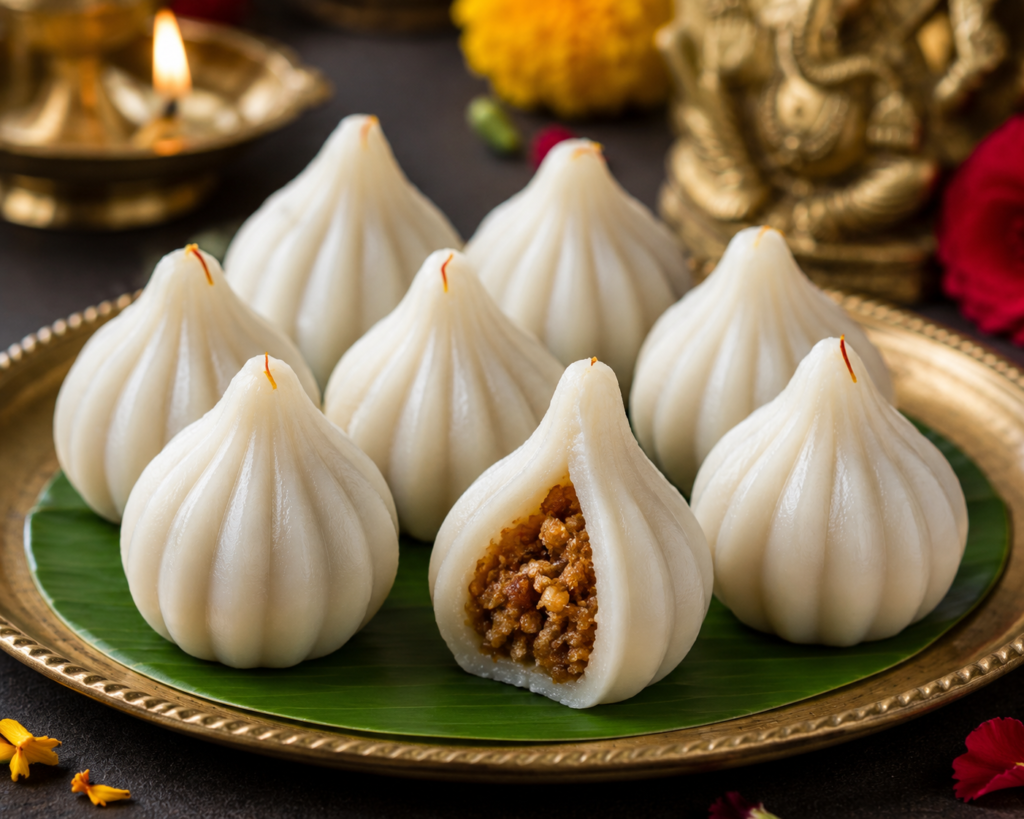
Modak is a sweet steamed dumpling made from a soft rice flour dough, stuffed with a filling of fresh grated coconut and jaggery, and delicately shaped into a pleated, teardrop-shaped parcel. It has a soft, slightly chewy outer shell and a warm, caramel-sweet filling inside.
Where Modak Comes From
Modak is most closely associated with Maharashtra, where it is considered Lord Ganesha’s favorite sweet and is prepared in almost every household during Ganesh Chaturthi. The festival, which falls in late August or September, sees families gather to make dozens of modaks as an offering to the deity before the sweets are shared among family and friends. Variations of this stuffed dumpling appear across India under different names, but the steamed ukadiche modak remains the most traditional version.
Health Benefits of Coconut
- Fresh coconut is rich in medium-chain triglycerides, which the body can use quickly for energy
- It contains fiber, manganese and copper, supporting digestion and bone health
- Jaggery, used in place of refined sugar, retains small amounts of iron and minerals and is easier on digestion for most people
- Rice flour makes the dumplings naturally gluten-free
Ingredients:
- 1 cup rice flour
- 1 cup water
- 1/2 tsp ghee, plus extra for greasing
- A pinch of salt
- 1 cup fresh grated coconut
- 3/4 cup grated jaggery
- 1/2 tsp cardamom powder
- 1 tbsp chopped nuts (cashews or almonds), optional
- 1 tsp poppy seeds, optional
Instructions:
Step 1: Make the filling
In a pan, combine grated coconut and jaggery. Cook on low heat, stirring continuously, until the jaggery melts and the mixture thickens and turns slightly glossy, about 6-8 minutes. Stir in cardamom powder and nuts, then set aside to cool.
Step 2: Prepare the rice flour dough
Bring water, ghee and salt to a boil in a heavy-bottomed pan. Turn off the heat, add the rice flour all at once, and stir quickly with a spoon until it comes together. Cover and let it rest for 3-4 minutes.
Step 3: Knead the dough
Once cool enough to handle, knead the dough with lightly greased hands until smooth and pliable, with no cracks.
Step 4: Shape the modaks
Take a small ball of dough and flatten it into a disc using your fingers, keeping the edges thin. Place a spoonful of the coconut-jaggery filling in the center, then gently bring the edges together, pleating as you go, and pinch the top to seal into a teardrop shape.
Step 5: Steam the modaks
Arrange the shaped modaks on a greased steamer plate and steam for 10-12 minutes, until the outer shell turns slightly glossy and translucent.
Tips:
Keep a damp cloth over the dough while you shape the modaks, as rice flour dough dries out and cracks quickly. If pleating feels tricky, don’t worry – a simple silicone modak mold gives you neat, festival-ready shapes in seconds. Serve warm with a spoon of ghee drizzled on top.
For more such quick recipes, visit my YouTube channel @qwikrecipes. If you like the recipe, do like, comment and subscribe.

Karwa Chauth 2026 Vrat Guide: Sargi, Fasting Foods and What to Eat After Moonrise
What Is Karwa Chauth Karwa Chauth is a traditional fast observed mainly by married women in North India, primarily in Punjab, Haryana, Uttar Pradesh, and

How to Store Paneer, Curd and Milk Safely During Festival Season
Festival season in an Indian kitchen means one thing: dairy everywhere. Paneer for the sabzi, khoya for the ladoos, curd for the raita and milk

Vegetarian Sources of Folate (Vitamin B9) for Indian Diets: Why It Matters Most for Women
Ask most Indian vegetarians which nutrients they need to watch and you’ll hear about protein, iron and maybe B12. Folate rarely comes up in conversation,

Health Benefits of Gond Katira (Edible Gum): The Cooling Ayurvedic Ingredient Everyone Searched For
If you’ve spent any time in an Indian kitchen during the hotter months, you’ve probably seen small, translucent, crystal-like pieces soaking in a bowl of

Paneer vs Tofu vs Soya Chunks: Which Vegetarian Protein Should You Choose?
What Are Paneer, Tofu, and Soya Chunks? Paneer is fresh Indian cottage cheese which is made by curdling full-fat milk with lemon juice or vinegar.

Healthy Substitutes for Maida (Refined Flour) in Everyday Indian Cooking
Maida has been the quiet backbone of Indian snacking for decades. Maida is used in everything from bhature and samosas to the naan at your

Do Indian Foods Work Like Ozempic? Everyday Foods That Support GLP-1 and Natural Fullness
What Is GLP-1, Really? GLP-1, or glucagon-like peptide-1, is a hormone your own gut releases after you eat. It releases especially after fibre, protein and
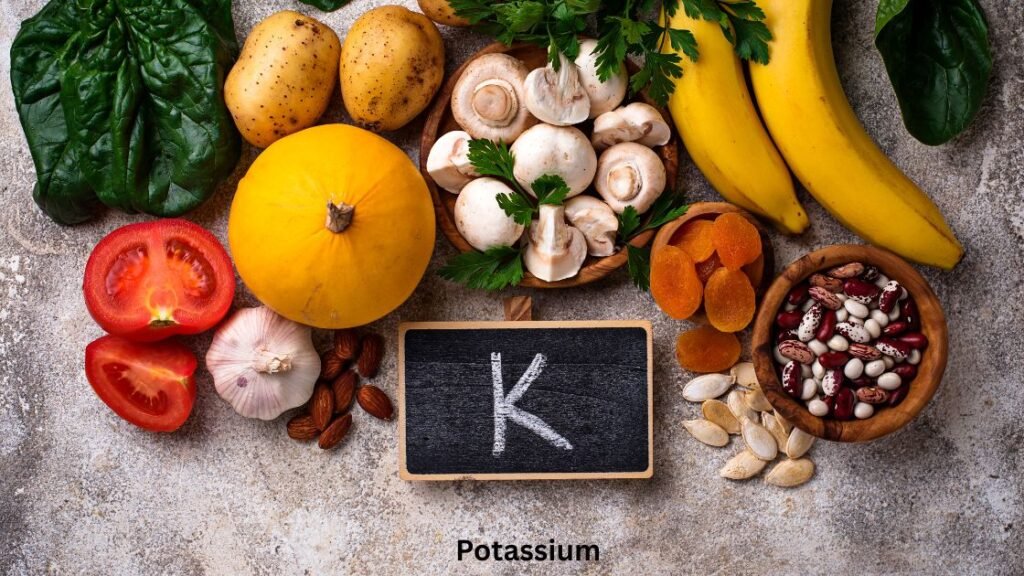
Vegetarian Sources of Potassium for Indian Diets: Preventing Cramps, Fatigue and High Blood Pressure
If you have ever felt an unexplained muscle cramp climbing up your calf at 2am or found yourself inexplicably tired despite sleeping well, potassium might
Natural Electrolyte Drinks from Your Indian Kitchen: Beating Dehydration Without Sports Drinks
Why Electrolytes Matter More Than Plain Water Electrolytes like sodium, potassium and magnesium control how water moves in and out of your cells and how
High-Protein Vegetarian Diet: A Practical Indian Meal Guide
Why Protein Matters (And Why Vegetarians Worry About It) Protein is the building block for muscle, skin, hair, enzymes and hormones, and unlike carbohydrates and
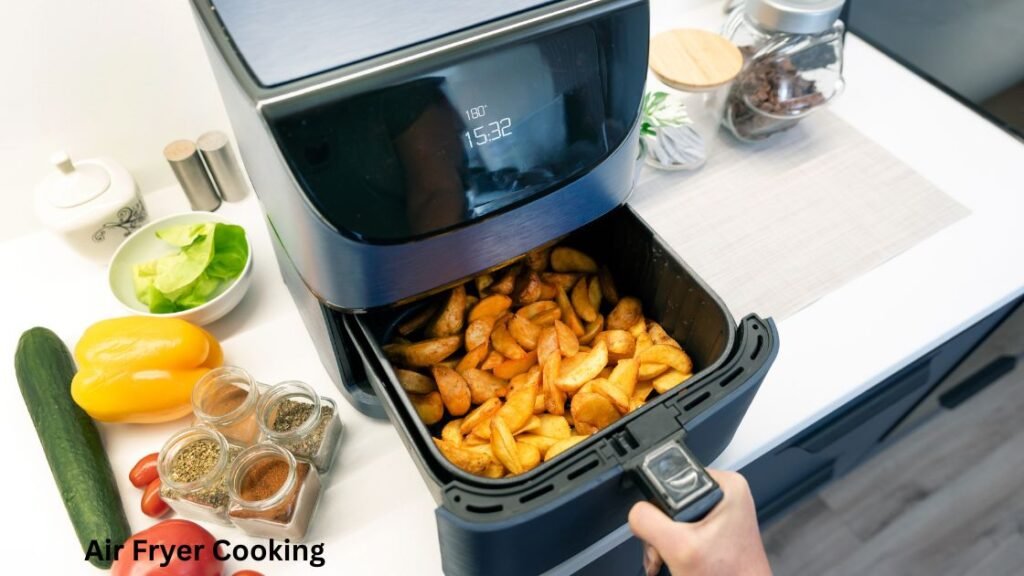
Air Fryer Indian Cooking: How to Make Your Favorite Snacks Without Deep-Frying
What Is Air Frying, and Why Indian Kitchens Are Adopting It An air fryer is essentially a small, powerful convection oven. It circulates very hot
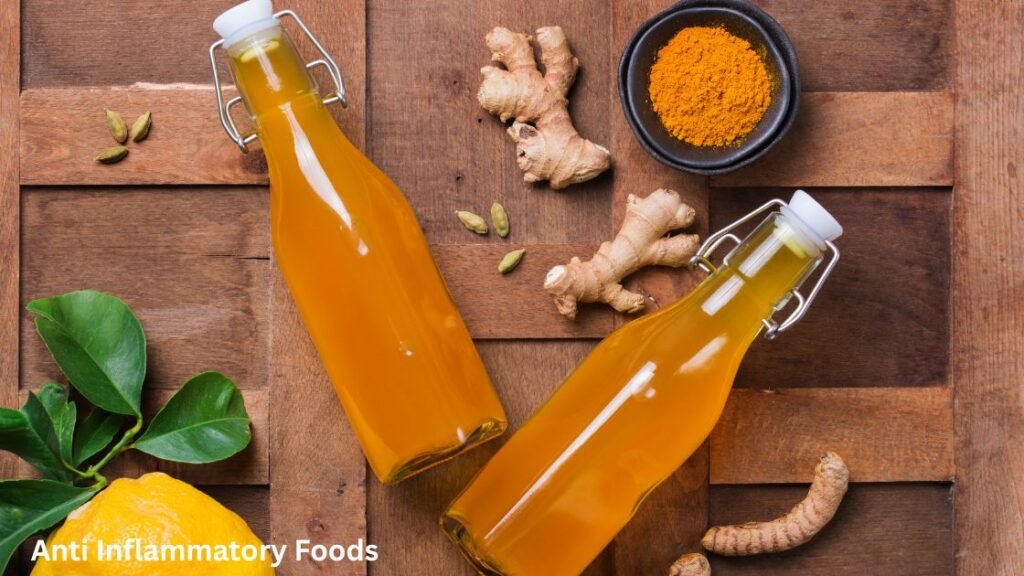
Anti-Inflammatory Indian Foods: The Spices and Ingredients Already in Your Kitchen
What Is Inflammation and Why Does It Matter? Inflammation is the body’s natural response to injury or infection. It is literally your immune system doing
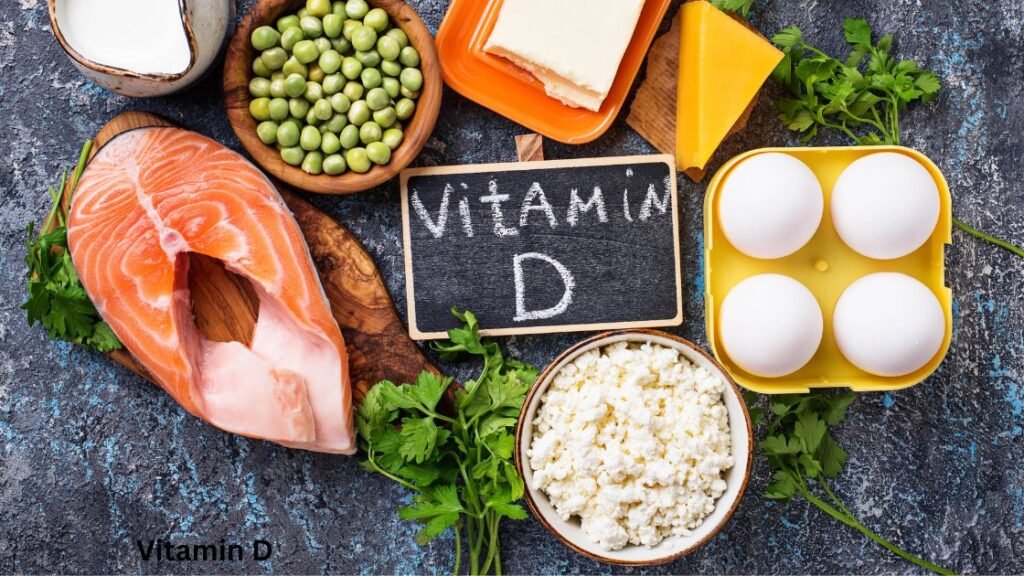
Vegetarian Sources of Vitamin D for Indian Diets: Fighting a Silent Deficiency
If you’ve ever gotten a blood test in India and been quietly told your vitamin D is “a little low”, you’re in extremely large company.
How to Enjoy Festive Sweets Without the Guilt: A Practical Guide for Ganesh Chaturthi Season
Why Festival Season Feels So Hard to Navigate Indian festivals are built around food as an expression of celebration, devotion, and hospitality. Refusing a sweet