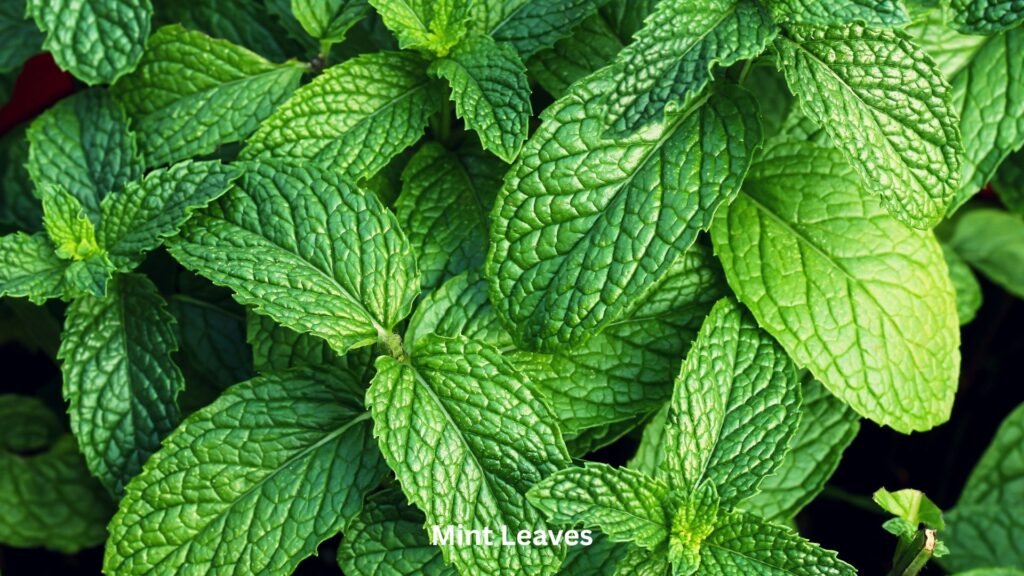
There’s always a small bunch of pudina sitting in my fridge, and by monsoon it becomes non-negotiable. It goes into chutneys, raitas, and a big glass of pudina water the moment the air turns humid and heavy. It’s one of those herbs that feels less like a garnish and more like a small daily ritual.
What is Pudina?
Pudina, or mint, is the fresh green herb with that instantly recognizable cooling aroma, used across Indian kitchens in chutneys, raitas, drinks, and as a finishing garnish on everything from biryani to chaat. A little goes a long way, which is probably why it’s grown in pots on balconies and kitchen windowsills all over the country.
Where Mint Fits in Indian Food Culture
In Ayurveda, pudina is considered a “sheetala,” or cooling, herb, which is exactly why it shows up so heavily in the hotter, more humid months. Pudina chutney is the classic pairing for fried snacks like pakoras and samosas, not just for flavor but because the herb is traditionally believed to counter the heaviness of fried food, and pudina sharbat or mint water is a common way to cool down after a meal or a hot afternoon outside.
The Real Benefits
- Menthol in mint relaxes the muscles of the digestive tract, which helps ease bloating and gas after a heavy meal
- It has natural carminative properties that stimulate saliva and digestive enzymes, making it a genuine appetite aid, not just a garnish
- Its cooling effect helps balance pitta in Ayurveda, which is why it feels so refreshing in hot, humid weather
- It can help calm an upset stomach and may ease mild IBS-type discomfort
- It’s naturally rich in antioxidants and has a pleasant, breath-freshening effect
How To Use It
- Add a handful of mint leaves to your everyday coriander chutney for an instant cooling twist
- Steep a few leaves in warm water for a simple after-meal mint tea
- Blend mint into raita or buttermilk for a cooling side with spicy meals
- Always pair fried snacks with a mint-based chutney. It’s a genuinely useful habit, not just tradition
- Store mint wrapped loosely in a damp paper towel in the fridge to keep it fresh for over a week
Keep a small bunch on hand through the monsoon and summer months, and you’ll find yourself reaching for it far more than you’d expect in your chutneys, your drinks, and even just a few leaves chewed on their own after a meal.

Karwa Chauth 2026 Vrat Guide: Sargi, Fasting Foods and What to Eat After Moonrise
What Is Karwa Chauth Karwa Chauth is a traditional fast observed mainly by married women in North India, primarily in Punjab, Haryana, Uttar Pradesh, and

How to Store Paneer, Curd and Milk Safely During Festival Season
Festival season in an Indian kitchen means one thing: dairy everywhere. Paneer for the sabzi, khoya for the ladoos, curd for the raita and milk

Vegetarian Sources of Folate (Vitamin B9) for Indian Diets: Why It Matters Most for Women
Ask most Indian vegetarians which nutrients they need to watch and you’ll hear about protein, iron and maybe B12. Folate rarely comes up in conversation,

Health Benefits of Gond Katira (Edible Gum): The Cooling Ayurvedic Ingredient Everyone Searched For
If you’ve spent any time in an Indian kitchen during the hotter months, you’ve probably seen small, translucent, crystal-like pieces soaking in a bowl of

Paneer vs Tofu vs Soya Chunks: Which Vegetarian Protein Should You Choose?
What Are Paneer, Tofu, and Soya Chunks? Paneer is fresh Indian cottage cheese which is made by curdling full-fat milk with lemon juice or vinegar.

Healthy Substitutes for Maida (Refined Flour) in Everyday Indian Cooking
Maida has been the quiet backbone of Indian snacking for decades. Maida is used in everything from bhature and samosas to the naan at your

Do Indian Foods Work Like Ozempic? Everyday Foods That Support GLP-1 and Natural Fullness
What Is GLP-1, Really? GLP-1, or glucagon-like peptide-1, is a hormone your own gut releases after you eat. It releases especially after fibre, protein and
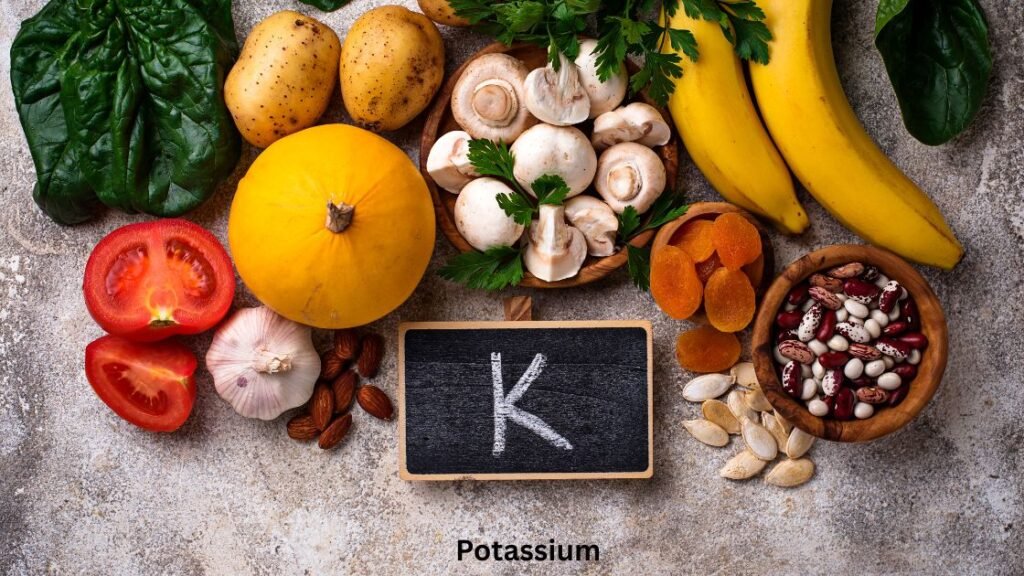
Vegetarian Sources of Potassium for Indian Diets: Preventing Cramps, Fatigue and High Blood Pressure
If you have ever felt an unexplained muscle cramp climbing up your calf at 2am or found yourself inexplicably tired despite sleeping well, potassium might
Natural Electrolyte Drinks from Your Indian Kitchen: Beating Dehydration Without Sports Drinks
Why Electrolytes Matter More Than Plain Water Electrolytes like sodium, potassium and magnesium control how water moves in and out of your cells and how
High-Protein Vegetarian Diet: A Practical Indian Meal Guide
Why Protein Matters (And Why Vegetarians Worry About It) Protein is the building block for muscle, skin, hair, enzymes and hormones, and unlike carbohydrates and
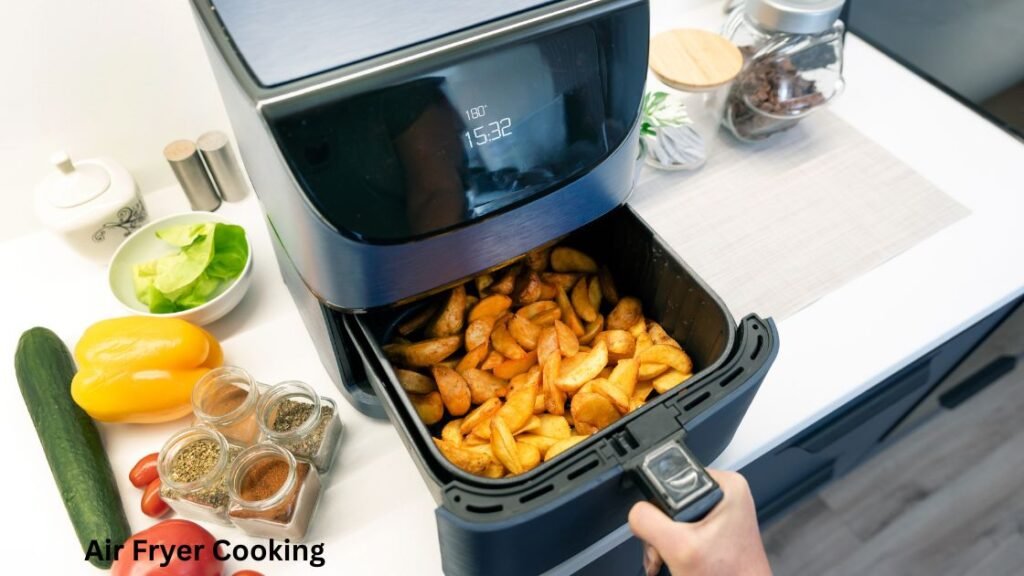
Air Fryer Indian Cooking: How to Make Your Favorite Snacks Without Deep-Frying
What Is Air Frying, and Why Indian Kitchens Are Adopting It An air fryer is essentially a small, powerful convection oven. It circulates very hot
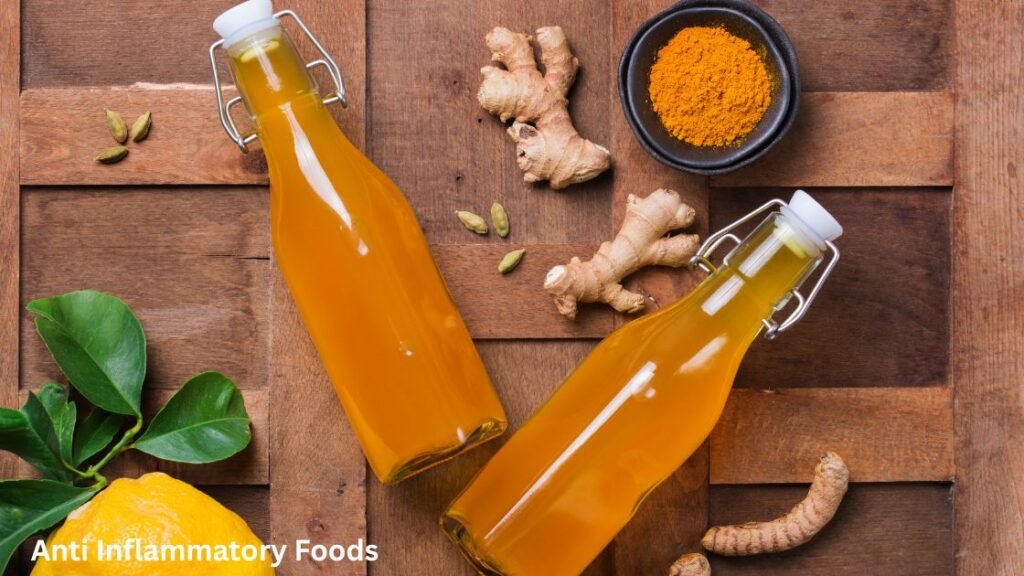
Anti-Inflammatory Indian Foods: The Spices and Ingredients Already in Your Kitchen
What Is Inflammation and Why Does It Matter? Inflammation is the body’s natural response to injury or infection. It is literally your immune system doing
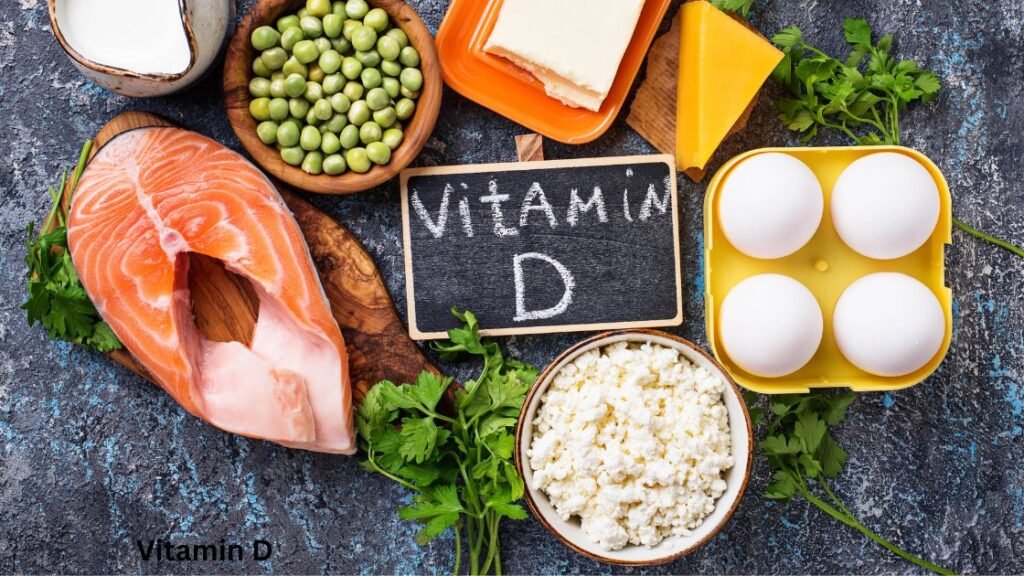
Vegetarian Sources of Vitamin D for Indian Diets: Fighting a Silent Deficiency
If you’ve ever gotten a blood test in India and been quietly told your vitamin D is “a little low”, you’re in extremely large company.
How to Enjoy Festive Sweets Without the Guilt: A Practical Guide for Ganesh Chaturthi Season
Why Festival Season Feels So Hard to Navigate Indian festivals are built around food as an expression of celebration, devotion, and hospitality. Refusing a sweet