Walk into almost any Indian kitchen at dinnertime and you’ll catch that first unmistakable sizzle of garlic hitting hot oil. It’s such a routine sound that most of us barely register it, yet that one crushed clove is doing a lot more than building flavor. Garlic has quietly been part of Indian cooking and home remedies for generations, long before “superfood” became a marketing word.
Why Garlic Matters
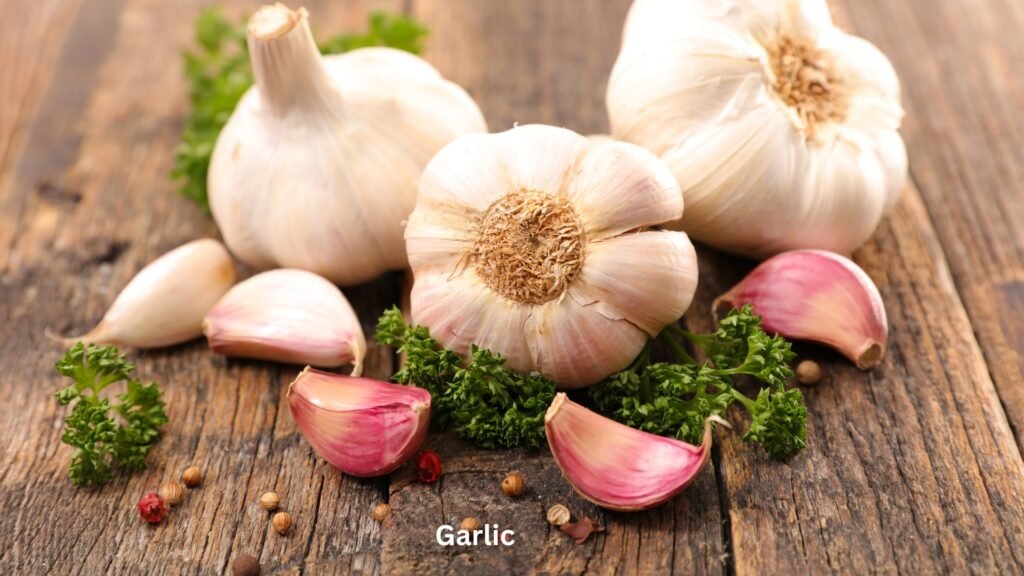
Garlic (Allium sativum), known as lehsun in Hindi, is a bulb from the onion family that’s used in Indian kitchens both as a flavor base and as a traditional remedy. Its pungent smell and taste come from allicin, a sulfur compound that’s released when a clove is crushed or chopped, and it’s this same compound that’s behind most of garlic’s health effects.
Where Garlic Fits in Indian Food Culture
Garlic shows up in nearly every regional Indian cuisine, from the ginger-garlic paste that forms the base of North Indian curries to the tempering (tadka) used in South Indian sambar and chutneys. Ayurveda has long classified garlic as a warming food with medicinal properties, traditionally used to support digestion and immunity, especially during the colder months and monsoon season when colds are common. Interestingly, garlic is avoided in some traditional Jain and Satvik diets because of its strong, stimulating qualities.
The Real Benefits
- Supports immunity, with allicin showing natural antibacterial and antiviral properties
- May help manage cholesterol and support heart health when eaten regularly
- Has mild blood-thinning properties, which is why it’s sometimes flagged before surgery
- Contains antioxidants that help fight oxidative stress in the body
- Traditionally used to ease cold and cough symptoms in Indian home remedies
- May help regulate blood sugar levels as part of a balanced diet
How to Use Garlic for Maximum Benefit
- Crush or chop garlic and let it sit for 10 minutes before cooking, this activates more allicin
- Add garlic toward the end of cooking rather than the very start, since prolonged high heat destroys some of its beneficial compounds
- Try a small piece of raw garlic on an empty stomach occasionally, a traditional remedy for immunity, though it’s strong and not for everyone
- Store garlic in a cool, dry, ventilated spot rather than the refrigerator to keep it from sprouting too quickly
- If the smell is a concern, chewing on fennel seeds or mint leaves afterward helps freshen breath
A Few Things to Keep in Mind
Garlic can interact with blood-thinning medications and may not be suitable in large quantities for people on such medication or those about to undergo surgery, so it’s worth checking with a doctor if that applies to you. Eating too much raw garlic on an empty stomach can also irritate the stomach lining for some people, so it’s best to start with small amounts. As with most home remedies, garlic supports overall health but isn’t a substitute for medical treatment when you’re actually unwell.
Bringing It Back to the Kitchen
The good news is you don’t need to overhaul your diet to get garlic’s benefits, most Indian households are already using it daily in dals, sabzis, and chutneys. The simplest change is just being a little more mindful: crushing your garlic a few minutes before it hits the pan, and not overcooking it into bitterness. It’s a small habit, but it’s one that generations of Indian kitchens have already gotten right.
For more such quick recipes, visit my YouTube channel @qwikrecipes. If you like the recipe, do like, comment and subscribe.

Karwa Chauth 2026 Vrat Guide: Sargi, Fasting Foods and What to Eat After Moonrise
What Is Karwa Chauth Karwa Chauth is a traditional fast observed mainly by married women in North India, primarily in Punjab, Haryana, Uttar Pradesh, and

How to Store Paneer, Curd and Milk Safely During Festival Season
Festival season in an Indian kitchen means one thing: dairy everywhere. Paneer for the sabzi, khoya for the ladoos, curd for the raita and milk

Vegetarian Sources of Folate (Vitamin B9) for Indian Diets: Why It Matters Most for Women
Ask most Indian vegetarians which nutrients they need to watch and you’ll hear about protein, iron and maybe B12. Folate rarely comes up in conversation,

Health Benefits of Gond Katira (Edible Gum): The Cooling Ayurvedic Ingredient Everyone Searched For
If you’ve spent any time in an Indian kitchen during the hotter months, you’ve probably seen small, translucent, crystal-like pieces soaking in a bowl of

Paneer vs Tofu vs Soya Chunks: Which Vegetarian Protein Should You Choose?
What Are Paneer, Tofu, and Soya Chunks? Paneer is fresh Indian cottage cheese which is made by curdling full-fat milk with lemon juice or vinegar.

Healthy Substitutes for Maida (Refined Flour) in Everyday Indian Cooking
Maida has been the quiet backbone of Indian snacking for decades. Maida is used in everything from bhature and samosas to the naan at your

Do Indian Foods Work Like Ozempic? Everyday Foods That Support GLP-1 and Natural Fullness
What Is GLP-1, Really? GLP-1, or glucagon-like peptide-1, is a hormone your own gut releases after you eat. It releases especially after fibre, protein and
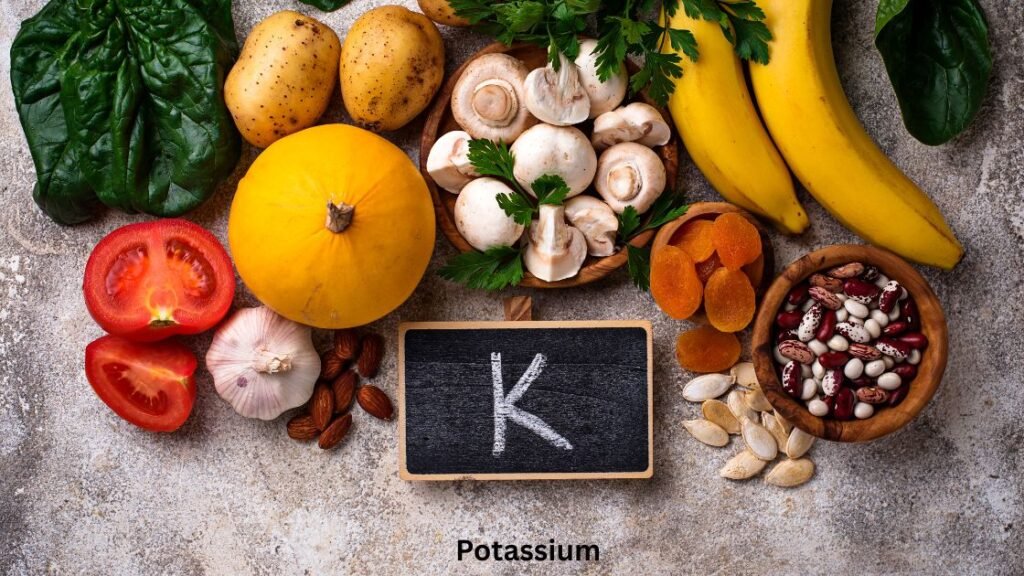
Vegetarian Sources of Potassium for Indian Diets: Preventing Cramps, Fatigue and High Blood Pressure
If you have ever felt an unexplained muscle cramp climbing up your calf at 2am or found yourself inexplicably tired despite sleeping well, potassium might
Natural Electrolyte Drinks from Your Indian Kitchen: Beating Dehydration Without Sports Drinks
Why Electrolytes Matter More Than Plain Water Electrolytes like sodium, potassium and magnesium control how water moves in and out of your cells and how
High-Protein Vegetarian Diet: A Practical Indian Meal Guide
Why Protein Matters (And Why Vegetarians Worry About It) Protein is the building block for muscle, skin, hair, enzymes and hormones, and unlike carbohydrates and

Air Fryer Indian Cooking: How to Make Your Favorite Snacks Without Deep-Frying
What Is Air Frying, and Why Indian Kitchens Are Adopting It An air fryer is essentially a small, powerful convection oven. It circulates very hot
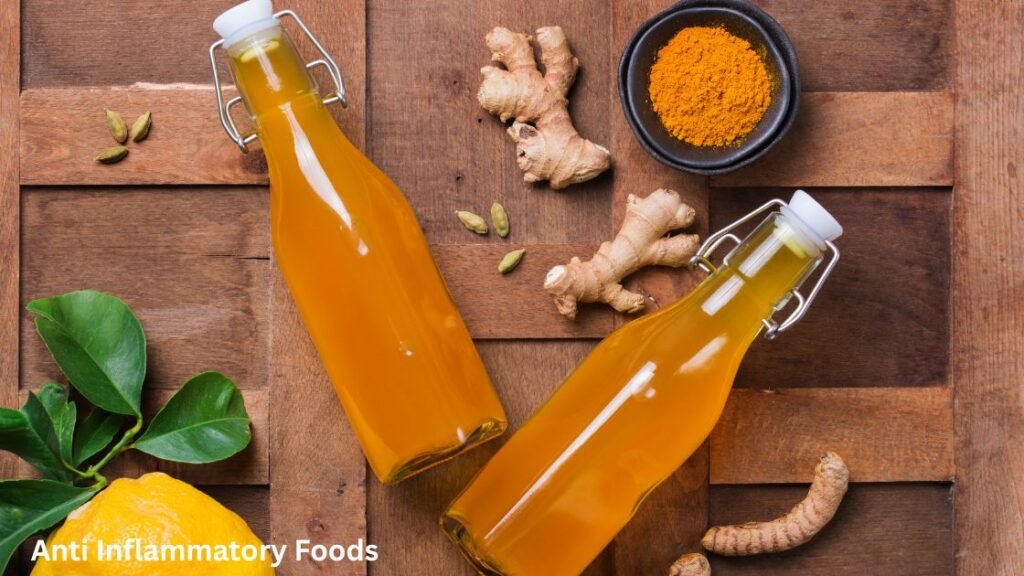
Anti-Inflammatory Indian Foods: The Spices and Ingredients Already in Your Kitchen
What Is Inflammation and Why Does It Matter? Inflammation is the body’s natural response to injury or infection. It is literally your immune system doing
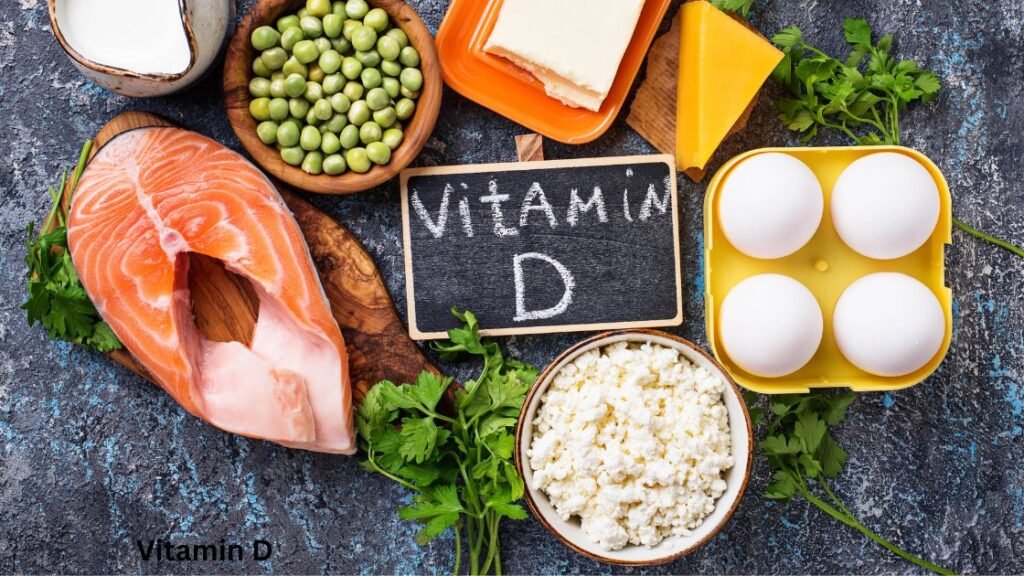
Vegetarian Sources of Vitamin D for Indian Diets: Fighting a Silent Deficiency
If you’ve ever gotten a blood test in India and been quietly told your vitamin D is “a little low”, you’re in extremely large company.
How to Enjoy Festive Sweets Without the Guilt: A Practical Guide for Ganesh Chaturthi Season
Why Festival Season Feels So Hard to Navigate Indian festivals are built around food as an expression of celebration, devotion, and hospitality. Refusing a sweet