Every Indian household has that one relative who was told by the doctor to “cut down on sugar and rice” and suddenly panicked about what’s even left to eat. The good news is that Indian vegetarian cooking, done right, is actually one of the most diabetes-friendly cuisines in the world. This guide breaks down what actually matters, without giving up on flavour or tradition.
What Makes a Food “Diabetes-Friendly”?
Not every food that tastes sweet is dangerous, and not every food that tastes bland is safe. What actually matters for blood sugar is the glycemic index (how fast a food raises blood sugar), the fibre content, and whether the food is eaten alone or paired with protein and fat that slow down digestion. This is exactly why a bowl of poha with peanuts behaves differently in the body than a bowl of plain white rice.
Where This Fits in Indian Food Culture
Long before glycemic index became a buzzword, Indian grandmothers were already cooking this way. Millets like ragi and jowar were everyday staples in many regions before polished rice and maida took over urban kitchens. Bitter vegetables like karela, fenugreek leaves, and neem were cooked regularly, not as punishment but as normal seasonal food. Traditional thalis were also naturally portion-controlled, with small bowls of everything rather than a single oversized plate of one item. Diabetes-friendly eating in India isn’t really a new invention, it’s closer to going back to how meals used to be built.
The Real Benefits: Diabetes-Friendly Indian Foods to Include
- Whole moong dal and other legumes – high in protein and fibre, they slow down sugar release into the bloodstream
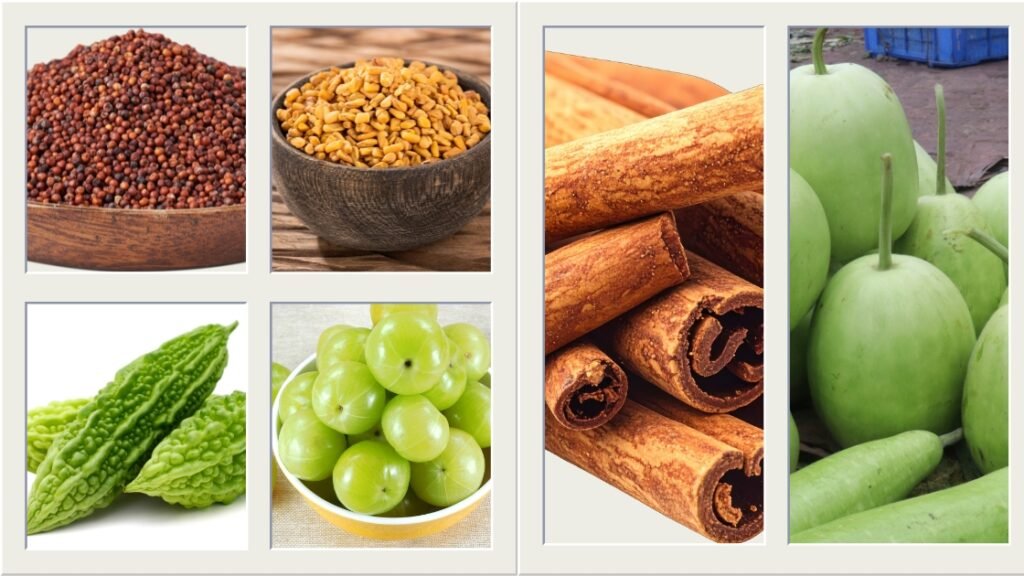
- Ragi (finger millet) – a low-GI grain that works well as roti, dosa, or porridge
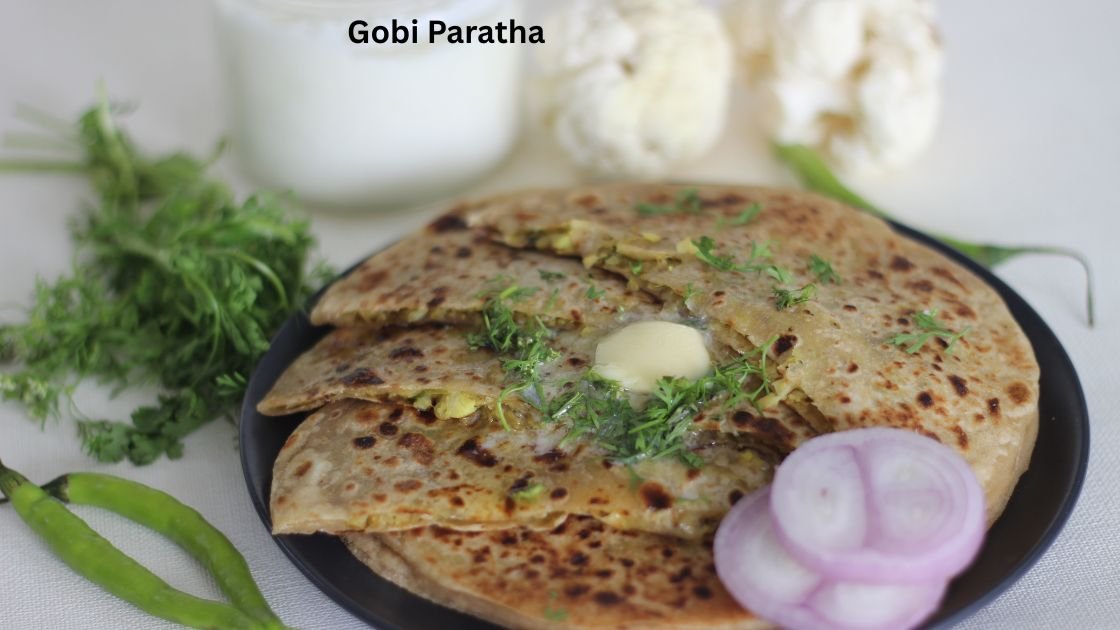
- Methi (fenugreek) seeds and leaves – traditionally used to help manage blood sugar, easy to add to parathas and sabzis
- Karela (bitter gourd) – low in carbs and long used in Indian households for blood sugar support
- Amla (Indian gooseberry) – rich in vitamin C and antioxidants, often eaten as murabba or juice in moderation
- Cinnamon (dalchini) – a common spice that may help improve insulin sensitivity when used regularly in cooking
- Oats and steel-cut oats – a fibre-rich breakfast option that digests slowly
- Chana (chickpeas) – versatile, filling, and gentle on blood sugar when not deep fried
- Bottle gourd (lauki) and other non-starchy vegetables – low in carbs, high in water and fibre
How To: Practical Tips for Everyday Meals
- Pair carbs with protein or fibre – eat rice or roti alongside dal, curd, or a vegetable with skin on, rather than alone
- Watch portion size, not just food type – even healthy grains raise blood sugar if the bowl is too big
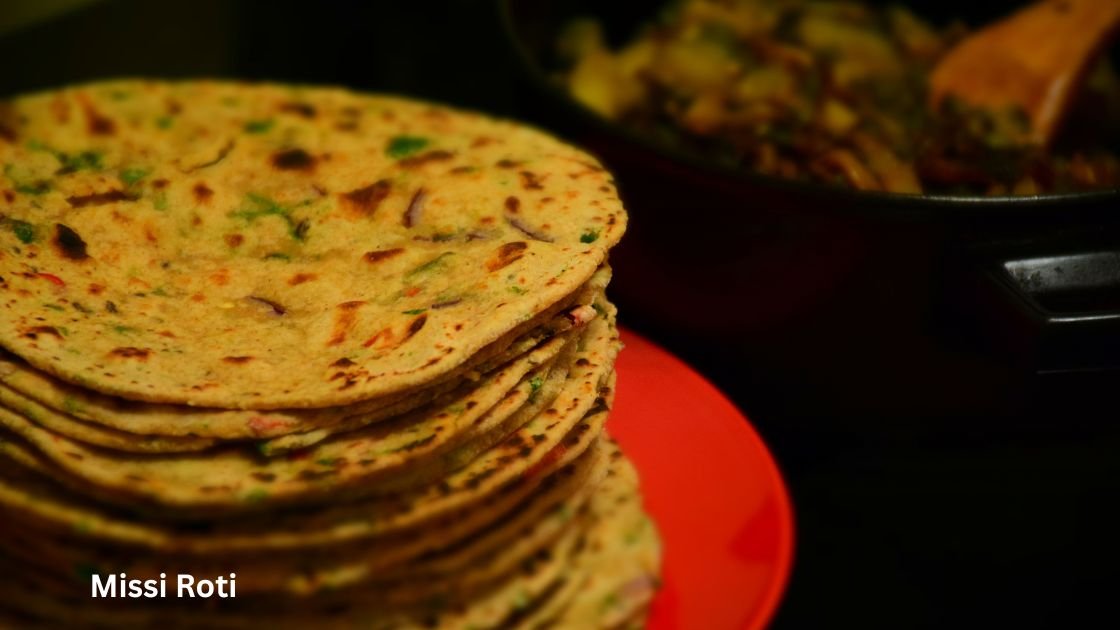
- Choose stone-ground atta or millet flour over refined maida for rotis and parathas
- Cook with less oil and prefer steaming, roasting, or light sautéing over deep frying
- Space meals evenly through the day instead of one large meal, to avoid big blood sugar spikes
- Go easy on fruit juices and dried fruits – whole fruits with skin are almost always the better choice
- Take a short walk after meals – even 10 to 15 minutes can noticeably help blood sugar response
Managing diabetes doesn’t mean giving up on Indian food, it means going back to how it was traditionally cooked and eaten, with balance, variety, and sensible portions. Small, consistent changes to your daily thali matter far more than any single “superfood.” As always, work with your doctor or dietitian to build a plan suited to your own health, since individual needs can vary quite a bit.

Karwa Chauth 2026 Vrat Guide: Sargi, Fasting Foods and What to Eat After Moonrise
What Is Karwa Chauth Karwa Chauth is a traditional fast observed mainly by married women in North India, primarily in Punjab, Haryana, Uttar Pradesh, and

How to Store Paneer, Curd and Milk Safely During Festival Season
Festival season in an Indian kitchen means one thing: dairy everywhere. Paneer for the sabzi, khoya for the ladoos, curd for the raita and milk

Vegetarian Sources of Folate (Vitamin B9) for Indian Diets: Why It Matters Most for Women
Ask most Indian vegetarians which nutrients they need to watch and you’ll hear about protein, iron and maybe B12. Folate rarely comes up in conversation,

Health Benefits of Gond Katira (Edible Gum): The Cooling Ayurvedic Ingredient Everyone Searched For
If you’ve spent any time in an Indian kitchen during the hotter months, you’ve probably seen small, translucent, crystal-like pieces soaking in a bowl of

Paneer vs Tofu vs Soya Chunks: Which Vegetarian Protein Should You Choose?
What Are Paneer, Tofu, and Soya Chunks? Paneer is fresh Indian cottage cheese which is made by curdling full-fat milk with lemon juice or vinegar.

Healthy Substitutes for Maida (Refined Flour) in Everyday Indian Cooking
Maida has been the quiet backbone of Indian snacking for decades. Maida is used in everything from bhature and samosas to the naan at your

Do Indian Foods Work Like Ozempic? Everyday Foods That Support GLP-1 and Natural Fullness
What Is GLP-1, Really? GLP-1, or glucagon-like peptide-1, is a hormone your own gut releases after you eat. It releases especially after fibre, protein and
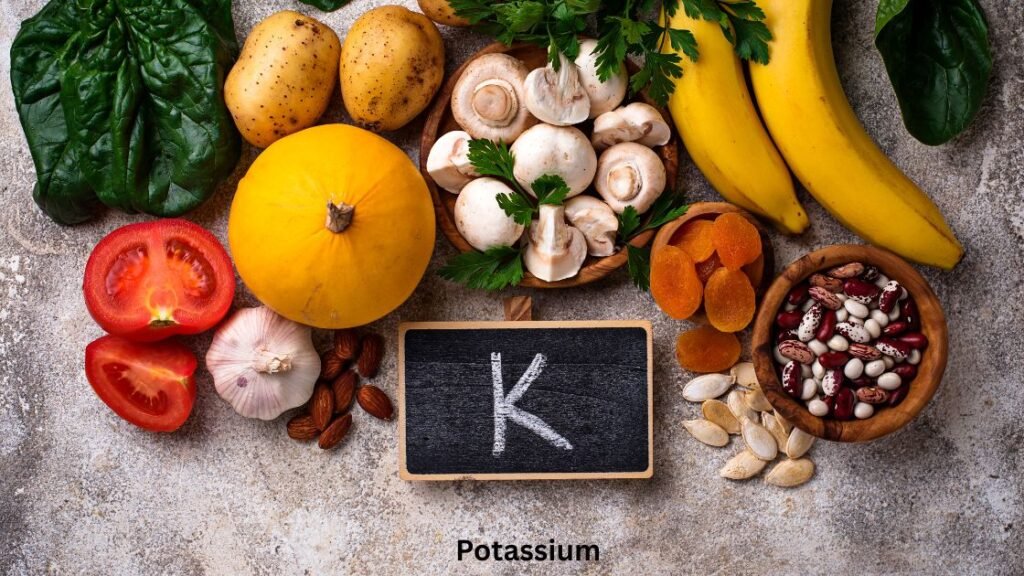
Vegetarian Sources of Potassium for Indian Diets: Preventing Cramps, Fatigue and High Blood Pressure
If you have ever felt an unexplained muscle cramp climbing up your calf at 2am or found yourself inexplicably tired despite sleeping well, potassium might
Natural Electrolyte Drinks from Your Indian Kitchen: Beating Dehydration Without Sports Drinks
Why Electrolytes Matter More Than Plain Water Electrolytes like sodium, potassium and magnesium control how water moves in and out of your cells and how
High-Protein Vegetarian Diet: A Practical Indian Meal Guide
Why Protein Matters (And Why Vegetarians Worry About It) Protein is the building block for muscle, skin, hair, enzymes and hormones, and unlike carbohydrates and
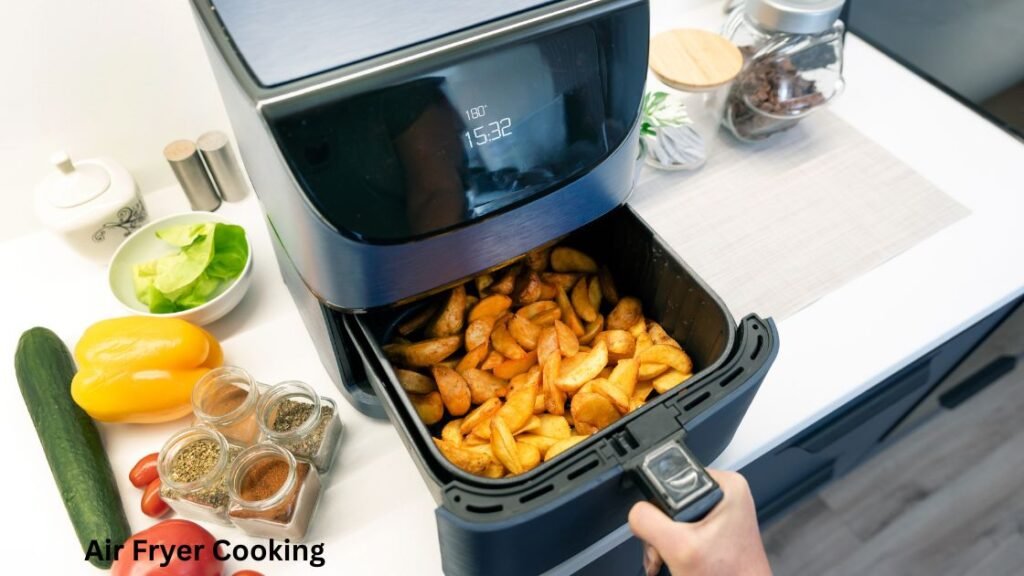
Air Fryer Indian Cooking: How to Make Your Favorite Snacks Without Deep-Frying
What Is Air Frying, and Why Indian Kitchens Are Adopting It An air fryer is essentially a small, powerful convection oven. It circulates very hot
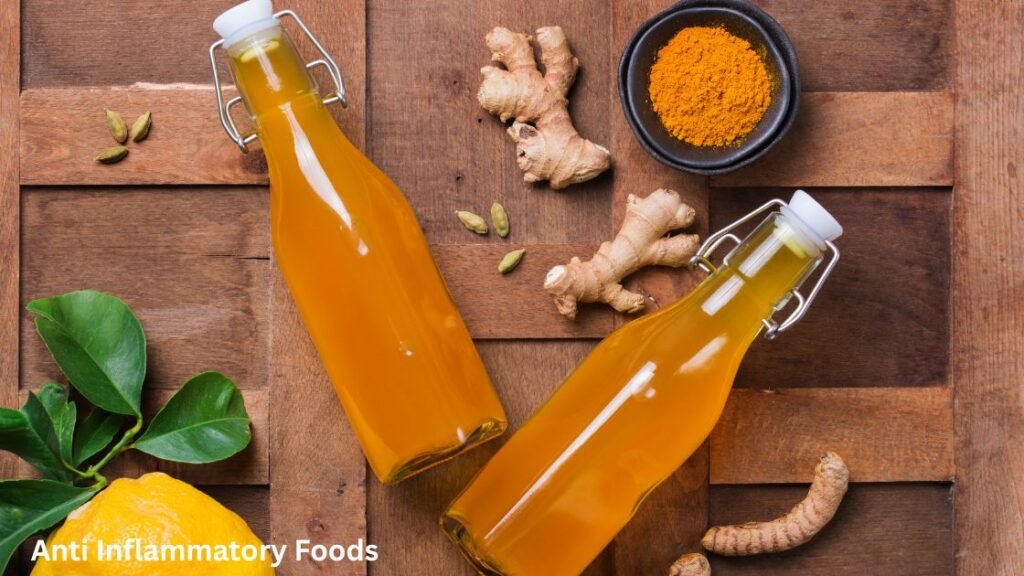
Anti-Inflammatory Indian Foods: The Spices and Ingredients Already in Your Kitchen
What Is Inflammation and Why Does It Matter? Inflammation is the body’s natural response to injury or infection. It is literally your immune system doing
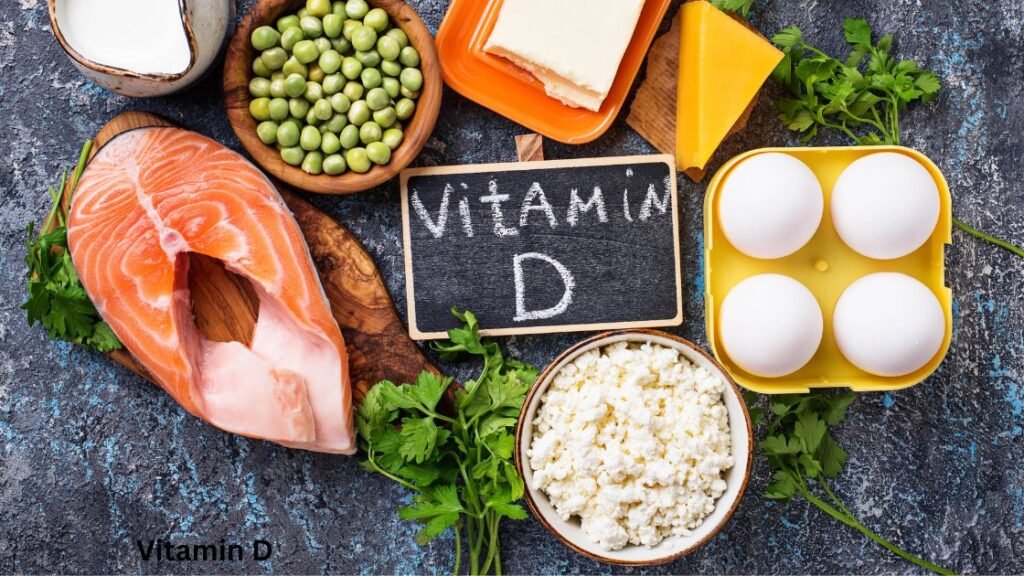
Vegetarian Sources of Vitamin D for Indian Diets: Fighting a Silent Deficiency
If you’ve ever gotten a blood test in India and been quietly told your vitamin D is “a little low”, you’re in extremely large company.
How to Enjoy Festive Sweets Without the Guilt: A Practical Guide for Ganesh Chaturthi Season
Why Festival Season Feels So Hard to Navigate Indian festivals are built around food as an expression of celebration, devotion, and hospitality. Refusing a sweet