What is Bajra?
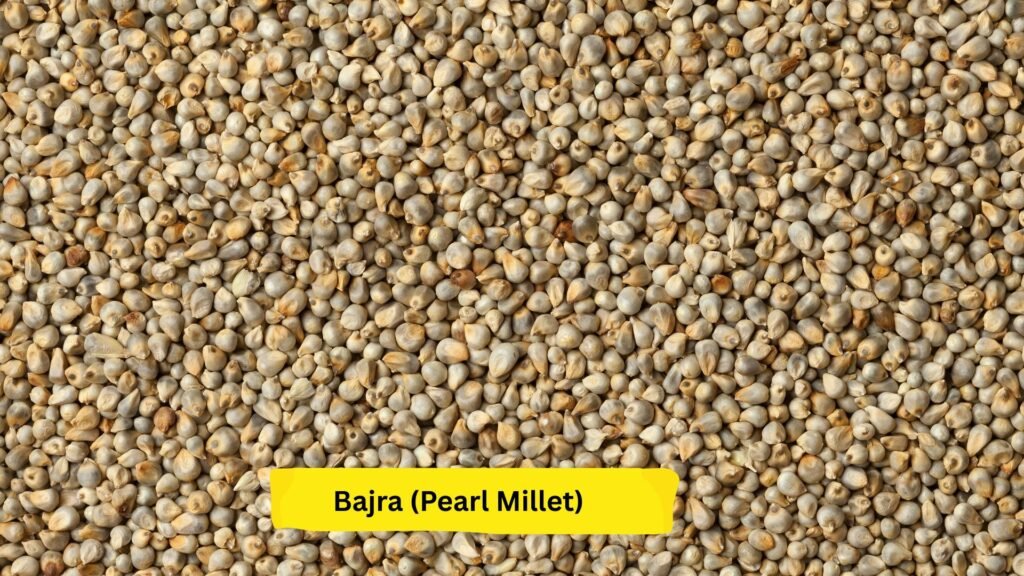
Bajra, known in English as pearl millet, is one of the oldest cultivated grains in India. It’s a small, round millet that’s typically ground into flour and used to make rotis, khichdi, and porridge. Unlike wheat, bajra has a slightly nutty, earthy flavor and a coarser texture, and it’s naturally gluten-free, which makes it a popular choice for anyone looking to diversify their grain intake.
Where Bajra Fits in Indian Food Culture
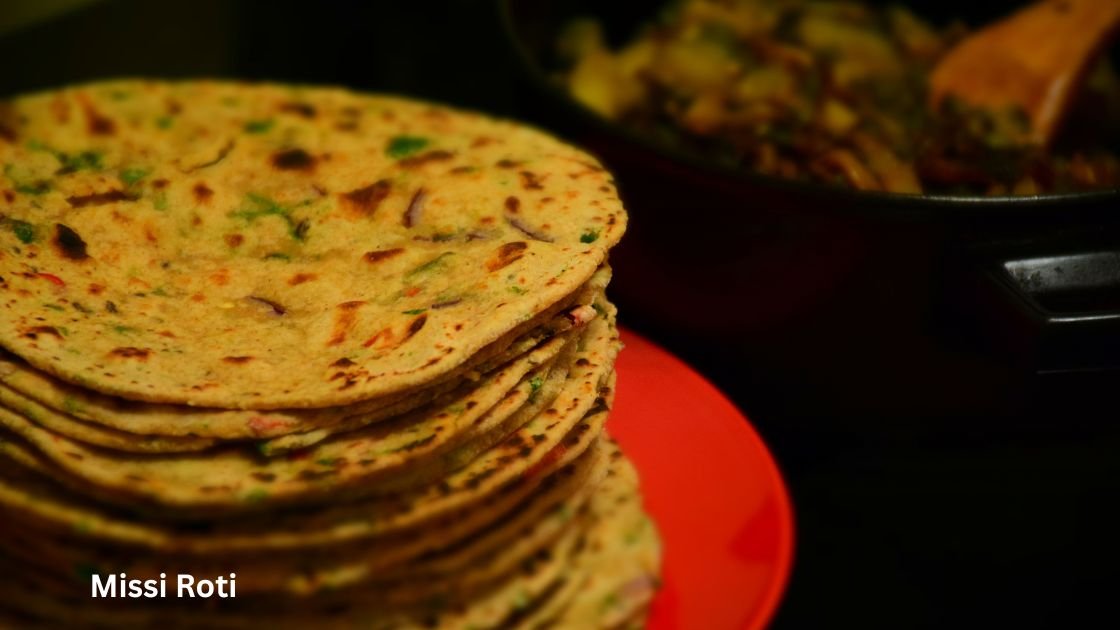
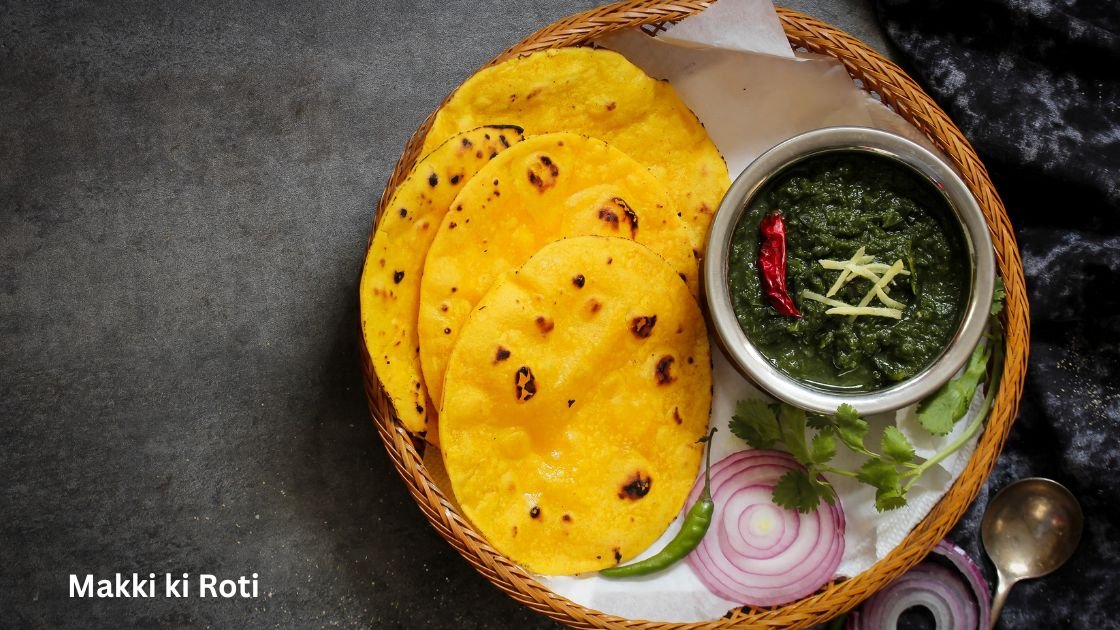
Bajra has long been a staple in the drier regions of India, particularly Rajasthan, Gujarat, and parts of Haryana, where it grows well in low-rainfall conditions. It’s traditionally eaten in the cooler months, since Ayurveda considers it a warming grain that helps the body generate heat. Bajra roti with ghee, jaggery, and a bowl of curd is a classic winter combination in many rural households, and it remains a symbol of simple, no-fuss home cooking across these regions.
The Real Benefits
- Bajra is rich in dietary fiber, which supports digestion and helps you feel full for longer
- It contains significantly more iron than rice, making it useful for maintaining healthy hemoglobin levels
- Bajra is naturally gluten-free, making it suitable for those with gluten sensitivity or celiac disease
- It has a low glycemic index, which helps keep blood sugar levels more stable
- Bajra is a good source of magnesium and phosphorus, both important for bone health
- The slow-digesting carbohydrates in bajra provide steady energy rather than a quick spike and crash
How to Add Bajra to Your Diet
- Start with bajra roti mixed half-and-half with wheat flour if you’re new to its texture
- Try bajra khichdi with vegetables and a dollop of ghee for a warming one-pot winter meal
- Use bajra flour to make thick, savory pancakes similar to thalipeeth
- Add roasted bajra flour to your regular flour mix for extra fiber in parathas
- Pair bajra dishes with a fat like ghee, which helps balance its drying, rough quality according to Ayurveda
Bajra is a good example of how traditional Indian eating patterns lined up with the seasons long before we had a scientific word for it. Bringing it back into your winter rotation, even a few times a week, is a simple way to add more fiber, iron, and steady energy to your everyday meals.

Karwa Chauth 2026 Vrat Guide: Sargi, Fasting Foods and What to Eat After Moonrise
What Is Karwa Chauth Karwa Chauth is a traditional fast observed mainly by married women in North India, primarily in Punjab, Haryana, Uttar Pradesh, and

How to Store Paneer, Curd and Milk Safely During Festival Season
Festival season in an Indian kitchen means one thing: dairy everywhere. Paneer for the sabzi, khoya for the ladoos, curd for the raita and milk

Vegetarian Sources of Folate (Vitamin B9) for Indian Diets: Why It Matters Most for Women
Ask most Indian vegetarians which nutrients they need to watch and you’ll hear about protein, iron and maybe B12. Folate rarely comes up in conversation,

Health Benefits of Gond Katira (Edible Gum): The Cooling Ayurvedic Ingredient Everyone Searched For
If you’ve spent any time in an Indian kitchen during the hotter months, you’ve probably seen small, translucent, crystal-like pieces soaking in a bowl of

Paneer vs Tofu vs Soya Chunks: Which Vegetarian Protein Should You Choose?
What Are Paneer, Tofu, and Soya Chunks? Paneer is fresh Indian cottage cheese which is made by curdling full-fat milk with lemon juice or vinegar.

Healthy Substitutes for Maida (Refined Flour) in Everyday Indian Cooking
Maida has been the quiet backbone of Indian snacking for decades. Maida is used in everything from bhature and samosas to the naan at your

Do Indian Foods Work Like Ozempic? Everyday Foods That Support GLP-1 and Natural Fullness
What Is GLP-1, Really? GLP-1, or glucagon-like peptide-1, is a hormone your own gut releases after you eat. It releases especially after fibre, protein and
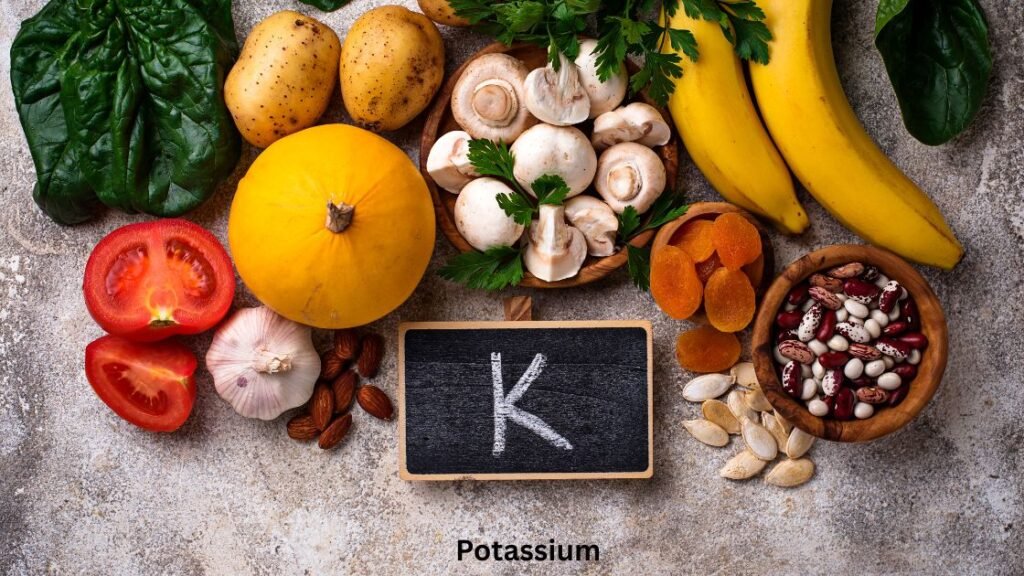
Vegetarian Sources of Potassium for Indian Diets: Preventing Cramps, Fatigue and High Blood Pressure
If you have ever felt an unexplained muscle cramp climbing up your calf at 2am or found yourself inexplicably tired despite sleeping well, potassium might
Natural Electrolyte Drinks from Your Indian Kitchen: Beating Dehydration Without Sports Drinks
Why Electrolytes Matter More Than Plain Water Electrolytes like sodium, potassium and magnesium control how water moves in and out of your cells and how
High-Protein Vegetarian Diet: A Practical Indian Meal Guide
Why Protein Matters (And Why Vegetarians Worry About It) Protein is the building block for muscle, skin, hair, enzymes and hormones, and unlike carbohydrates and
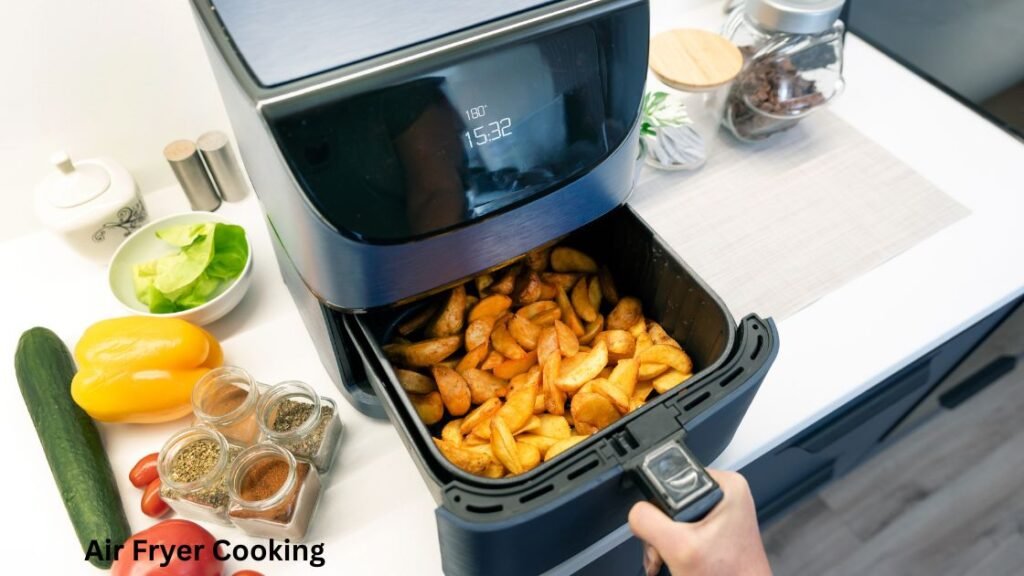
Air Fryer Indian Cooking: How to Make Your Favorite Snacks Without Deep-Frying
What Is Air Frying, and Why Indian Kitchens Are Adopting It An air fryer is essentially a small, powerful convection oven. It circulates very hot
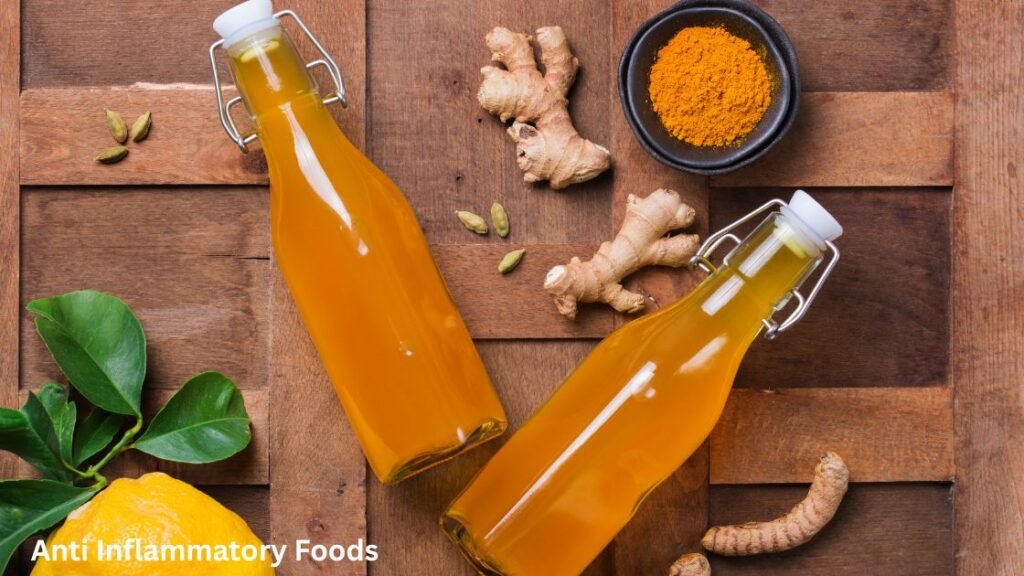
Anti-Inflammatory Indian Foods: The Spices and Ingredients Already in Your Kitchen
What Is Inflammation and Why Does It Matter? Inflammation is the body’s natural response to injury or infection. It is literally your immune system doing
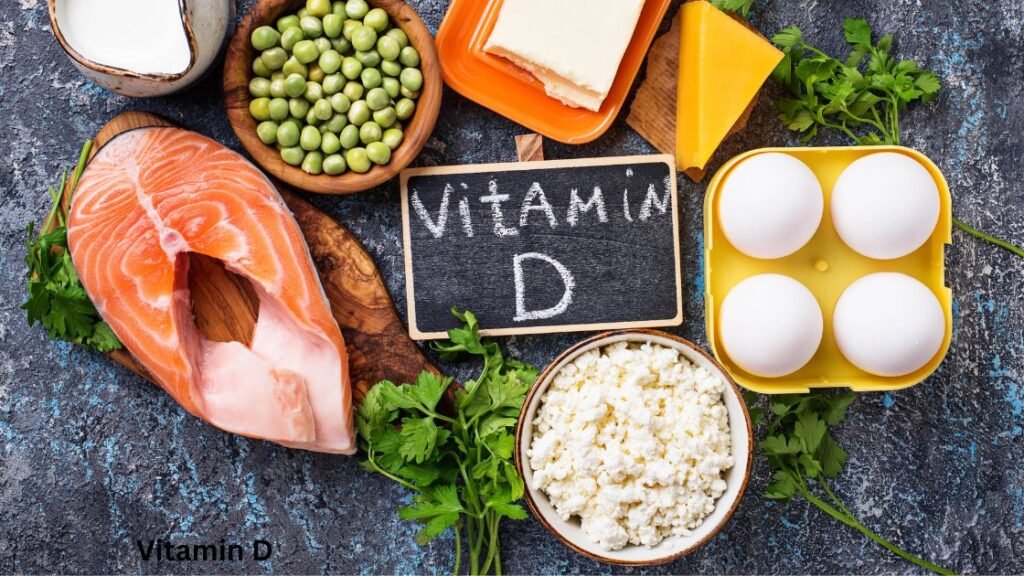
Vegetarian Sources of Vitamin D for Indian Diets: Fighting a Silent Deficiency
If you’ve ever gotten a blood test in India and been quietly told your vitamin D is “a little low”, you’re in extremely large company.
How to Enjoy Festive Sweets Without the Guilt: A Practical Guide for Ganesh Chaturthi Season
Why Festival Season Feels So Hard to Navigate Indian festivals are built around food as an expression of celebration, devotion, and hospitality. Refusing a sweet