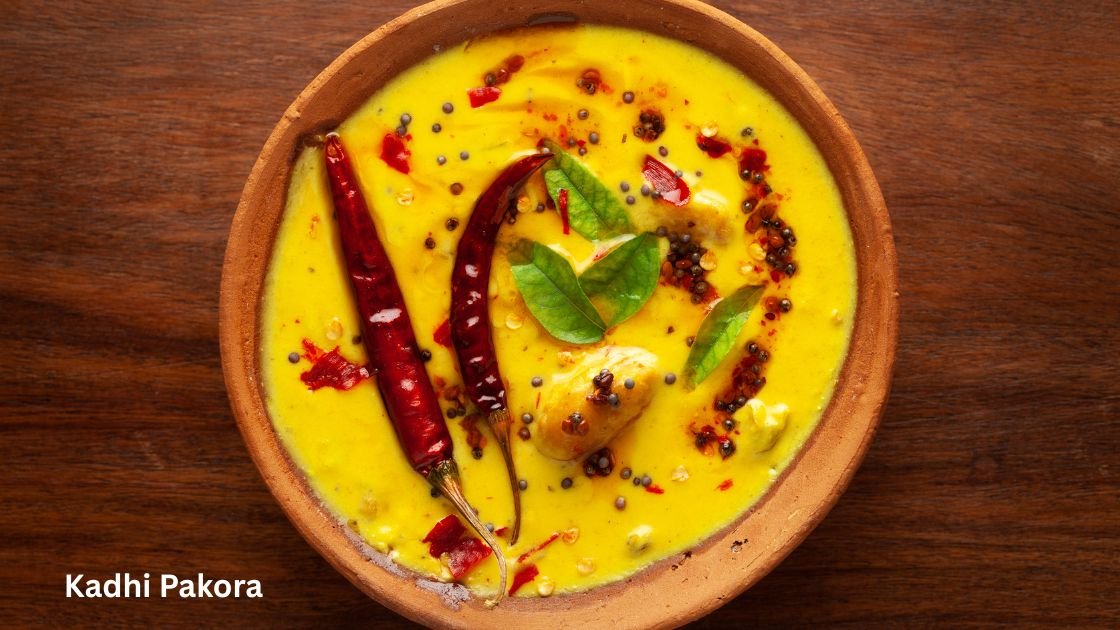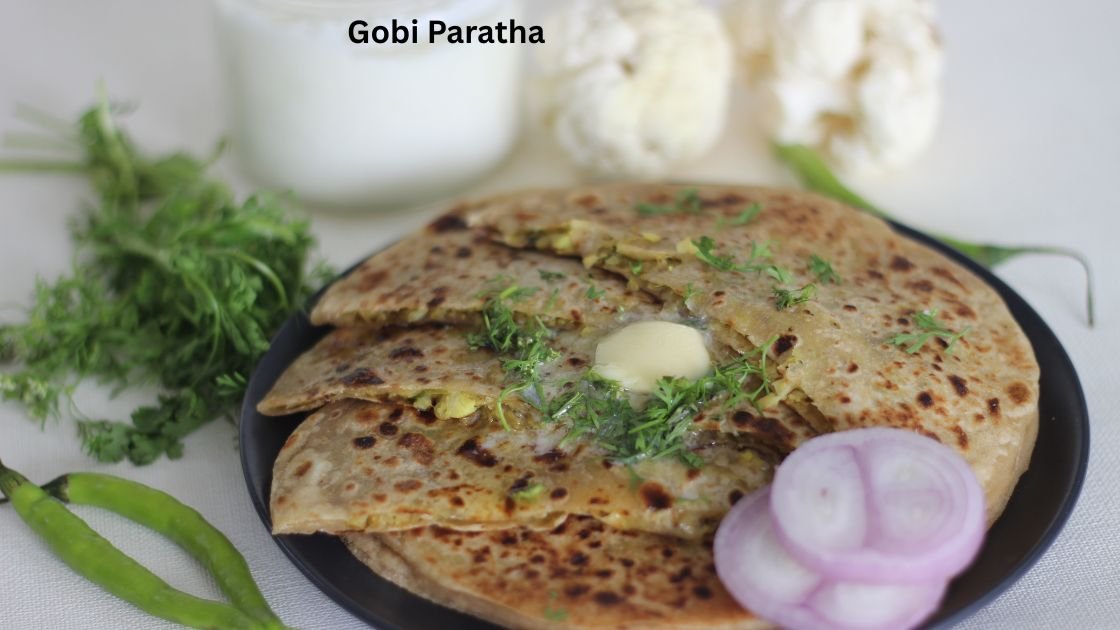
I used to skip blanching my vegetables before frying because it felt like an unnecessary extra step, until I noticed my cauliflower always came out either raw in the middle or burnt on the outside. The day I started parboiling first, my pakoras and dry sabzis suddenly cooked evenly, and I never went back.
What is Blanching?
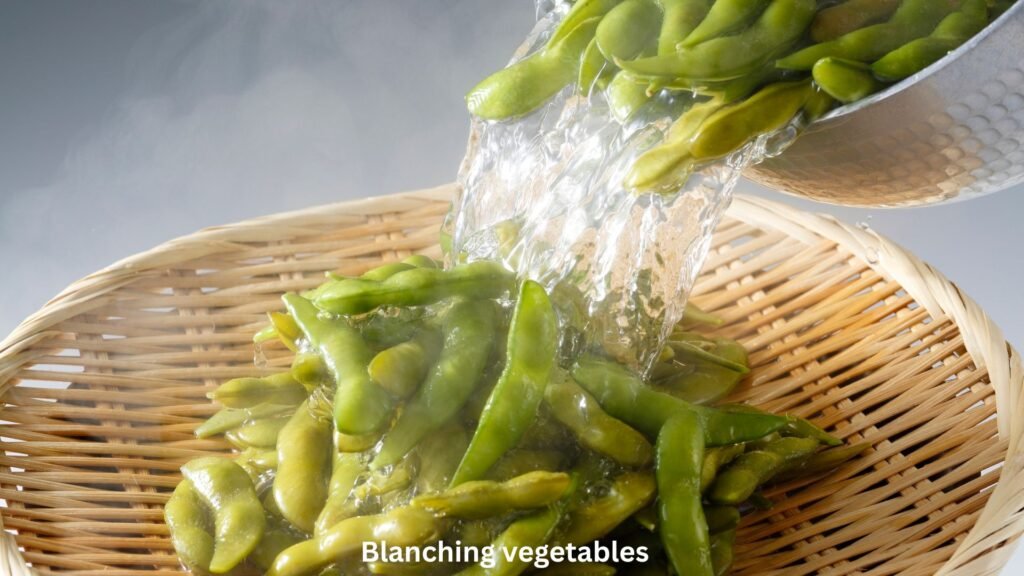
Blanching is a quick cooking technique where vegetables are briefly boiled in hot water, usually for one to three minutes, then either used immediately or plunged into cold water to stop the cooking. Parboiling is a close cousin of blanching, it also involves partially cooking a vegetable in boiling water first, but without the ice-bath step, so the vegetable stays slightly warm and ready to go straight into the pan. Indian kitchens use both techniques constantly, especially before frying, stir-frying or roasting vegetables like cauliflower, potato or beans.
Why Indian Cooks Use It
In Indian cooking, many popular dishes need a vegetable to be both fully cooked through and lightly browned or crisp on the outside, think aloo gobi, crispy bhindi or pakoras, and that combination is hard to achieve by frying alone. If you fry a raw, dense vegetable straight in a hot pan, the outside browns and even burns before the inside is properly cooked, but a quick parboil solves this by softening the vegetable first, so the frying step only needs to add colour, crunch and flavour rather than fully cook the whole piece. This is why so many classic Indian sabzi recipes have a step where you boil or steam the vegetable partially before it ever touches the tadka pan.
The Real Benefits
- Ensures vegetables cook evenly instead of burning outside while staying raw inside
- Deactivates enzymes that cause colour and nutrient loss, so vegetables stay vibrant
- Reduces overall frying time, which means less oil absorption
- Helps remove excess starch from vegetables like potatoes, giving a crisper final texture
- Makes it easier to peel or handle certain vegetables, like tomatoes for peeling
How To Blanch or Parboil at Home
- Bring a pot of water to a rolling boil and add a pinch of salt before adding your vegetables
- Cook just until the vegetable turns slightly tender but still holds its shape, usually 1 to 3 minutes depending on the vegetable
- For blanching, transfer immediately to a bowl of ice water to stop the cooking and lock in colour
- For parboiling before frying, simply drain well and pat dry so the vegetable doesn’t spatter in hot oil
- Always drain thoroughly, excess water is the main reason parboiled vegetables spatter or turn soggy when fried
Blanching and parboiling might feel like an extra step when you are already juggling a full meal, but they are one of the simplest ways to get restaurant-style texture at home. Once you build the habit into your usual sabzi routine, dishes like aloo gobi and crispy bhindi come out noticeably better with barely any extra effort.

Karwa Chauth 2026 Vrat Guide: Sargi, Fasting Foods and What to Eat After Moonrise
What Is Karwa Chauth Karwa Chauth is a traditional fast observed mainly by married women in North India, primarily in Punjab, Haryana, Uttar Pradesh, and

How to Store Paneer, Curd and Milk Safely During Festival Season
Festival season in an Indian kitchen means one thing: dairy everywhere. Paneer for the sabzi, khoya for the ladoos, curd for the raita and milk

Vegetarian Sources of Folate (Vitamin B9) for Indian Diets: Why It Matters Most for Women
Ask most Indian vegetarians which nutrients they need to watch and you’ll hear about protein, iron and maybe B12. Folate rarely comes up in conversation,

Health Benefits of Gond Katira (Edible Gum): The Cooling Ayurvedic Ingredient Everyone Searched For
If you’ve spent any time in an Indian kitchen during the hotter months, you’ve probably seen small, translucent, crystal-like pieces soaking in a bowl of

Paneer vs Tofu vs Soya Chunks: Which Vegetarian Protein Should You Choose?
What Are Paneer, Tofu, and Soya Chunks? Paneer is fresh Indian cottage cheese which is made by curdling full-fat milk with lemon juice or vinegar.

Healthy Substitutes for Maida (Refined Flour) in Everyday Indian Cooking
Maida has been the quiet backbone of Indian snacking for decades. Maida is used in everything from bhature and samosas to the naan at your

Do Indian Foods Work Like Ozempic? Everyday Foods That Support GLP-1 and Natural Fullness
What Is GLP-1, Really? GLP-1, or glucagon-like peptide-1, is a hormone your own gut releases after you eat. It releases especially after fibre, protein and
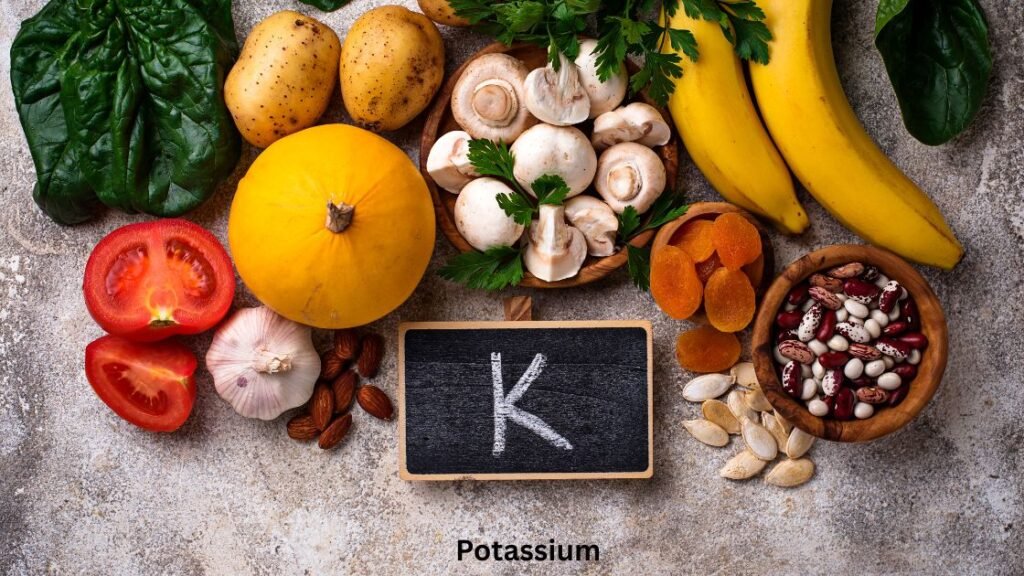
Vegetarian Sources of Potassium for Indian Diets: Preventing Cramps, Fatigue and High Blood Pressure
If you have ever felt an unexplained muscle cramp climbing up your calf at 2am or found yourself inexplicably tired despite sleeping well, potassium might
Natural Electrolyte Drinks from Your Indian Kitchen: Beating Dehydration Without Sports Drinks
Why Electrolytes Matter More Than Plain Water Electrolytes like sodium, potassium and magnesium control how water moves in and out of your cells and how
High-Protein Vegetarian Diet: A Practical Indian Meal Guide
Why Protein Matters (And Why Vegetarians Worry About It) Protein is the building block for muscle, skin, hair, enzymes and hormones, and unlike carbohydrates and

Air Fryer Indian Cooking: How to Make Your Favorite Snacks Without Deep-Frying
What Is Air Frying, and Why Indian Kitchens Are Adopting It An air fryer is essentially a small, powerful convection oven. It circulates very hot
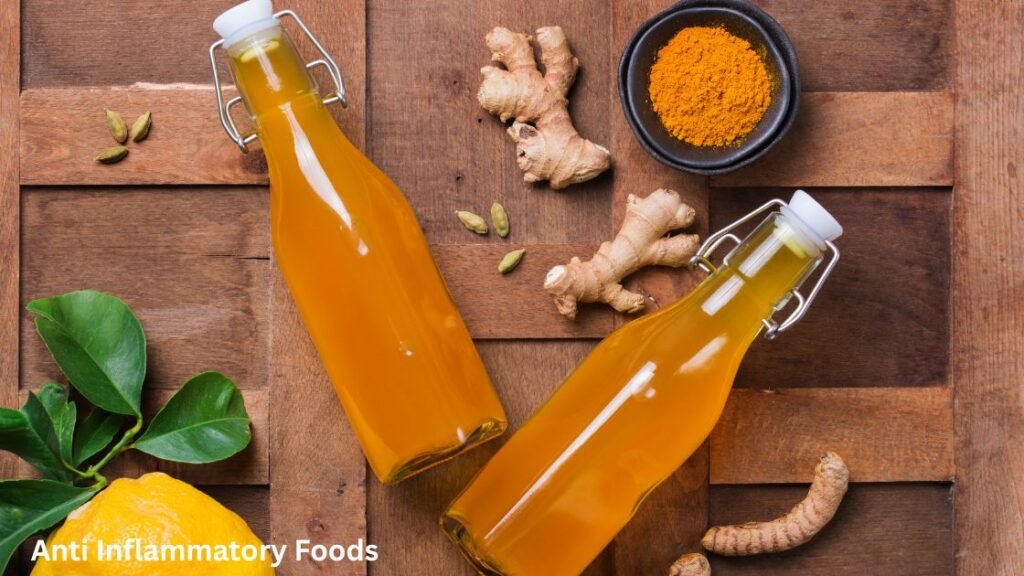
Anti-Inflammatory Indian Foods: The Spices and Ingredients Already in Your Kitchen
What Is Inflammation and Why Does It Matter? Inflammation is the body’s natural response to injury or infection. It is literally your immune system doing
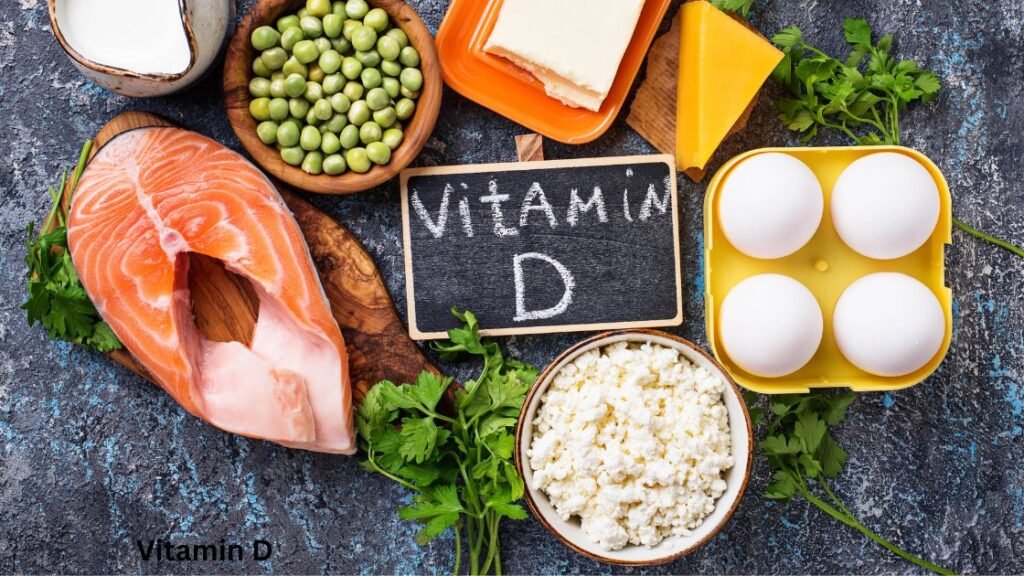
Vegetarian Sources of Vitamin D for Indian Diets: Fighting a Silent Deficiency
If you’ve ever gotten a blood test in India and been quietly told your vitamin D is “a little low”, you’re in extremely large company.
How to Enjoy Festive Sweets Without the Guilt: A Practical Guide for Ganesh Chaturthi Season
Why Festival Season Feels So Hard to Navigate Indian festivals are built around food as an expression of celebration, devotion, and hospitality. Refusing a sweet