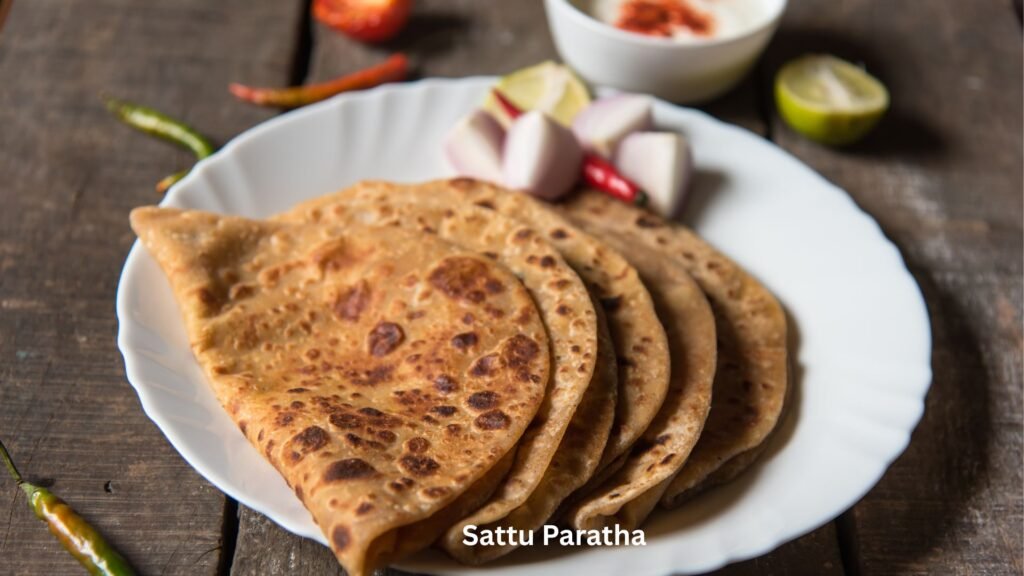
Sattu was never something my Bihari relatives treated as a trend.. it was just what you drank on a hot afternoon or stuffed into a paratha when you needed something that would actually keep you going. It’s funny watching it show up on wellness feeds now as a “new” high-protein discovery, when kitchens in Bihar and UP have been running on it for generations.
What is Sattu?
Sattu is a flour made from roasted chana (Bengal gram), sometimes blended with roasted barley, ground fine enough to mix straight into water or milk with no cooking needed. It has a distinctly nutty, toasty flavor and a texture similar to besan, but darker and coarser.
Where Sattu Fits in Indian Food Culture
Sattu is central to the cuisines of Bihar, Jharkhand, and eastern Uttar Pradesh, most famously as the stuffing in litti and as sattu paratha, but its everyday role is as a drink sattu sharbat, mixed with water, lemon, salt, and roasted cumin, was the go-to refreshment for farm and field workers who needed a cheap, no-cook source of sustained energy through long, hot days. That practical, working-class origin is exactly why it’s suddenly being rediscovered as a “superfood.”
The Real Benefits
- Sattu packs roughly 20-22 grams of protein per 100 grams, making it one of the richest plant protein sources in an everyday Indian pantry
- Its slow-releasing complex carbs and low glycemic index mean it doesn’t spike blood sugar the way refined flours do
- It’s rich in fibre, which supports digestion and keeps you feeling full for longer
- It’s a good source of potassium, which helps balance out sodium and supports healthy blood pressure
- It requires zero cooking, so the nutrients stay intact and it can be mixed up in under a minute
How To Use It
- Make a basic sattu sharbat by whisking sattu into cold water with lemon juice, roasted cumin powder, and a pinch of salt or jaggery
- Add a spoonful of sattu to your regular atta while kneading dough for a protein boost in everyday rotis
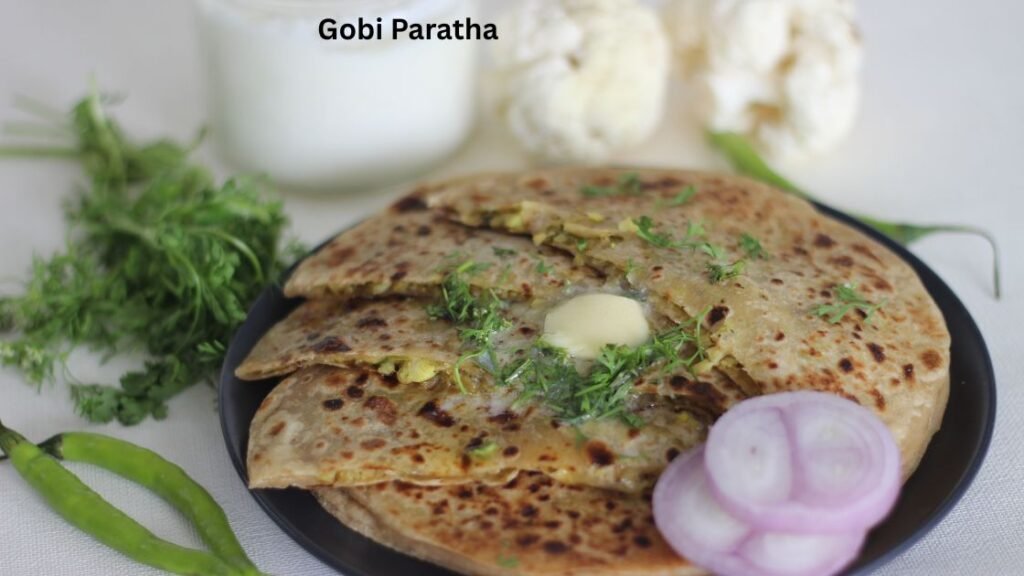
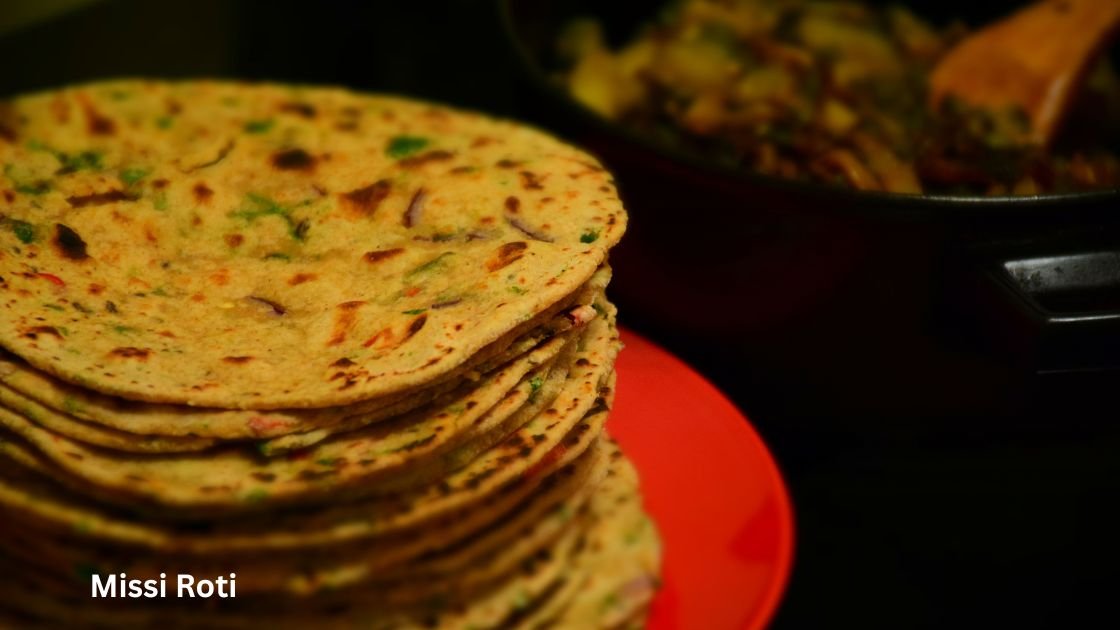
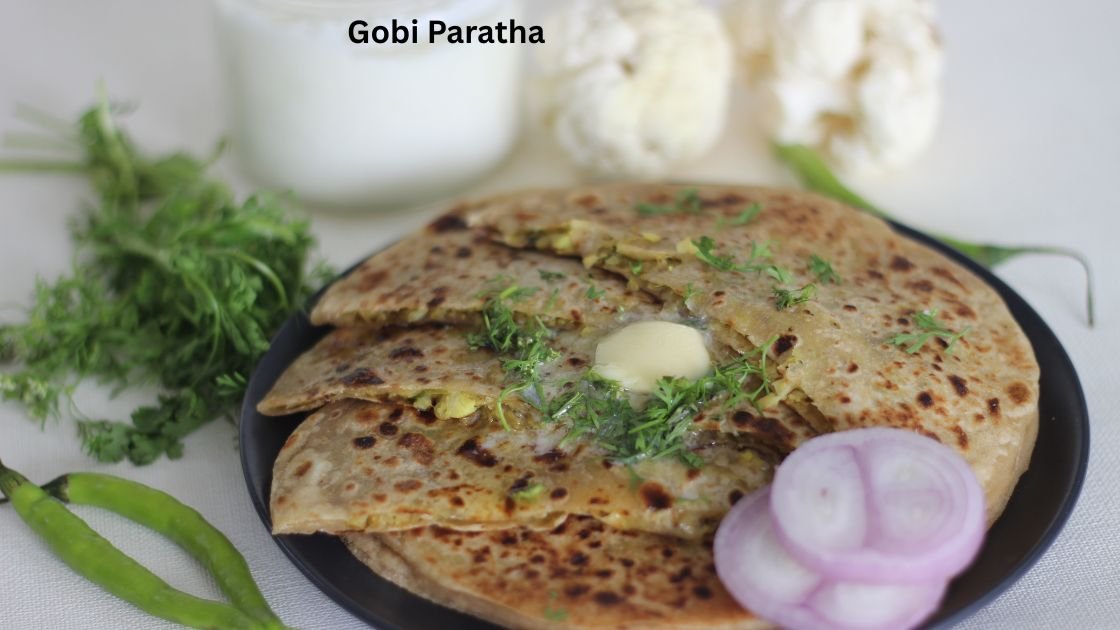
- Use it as the stuffing base for litti or sattu paratha
- Mix it into a thick paste with a little water and spices for a quick sattu chutney
- Store sattu in an airtight container away from moisture, since it can turn rancid faster than plain flour
Whether you’re drinking it as a summer cooler or folding it into your dough, sattu is one of those ingredients that proves the most useful foods in Indian kitchens were never really “new” just overlooked.