
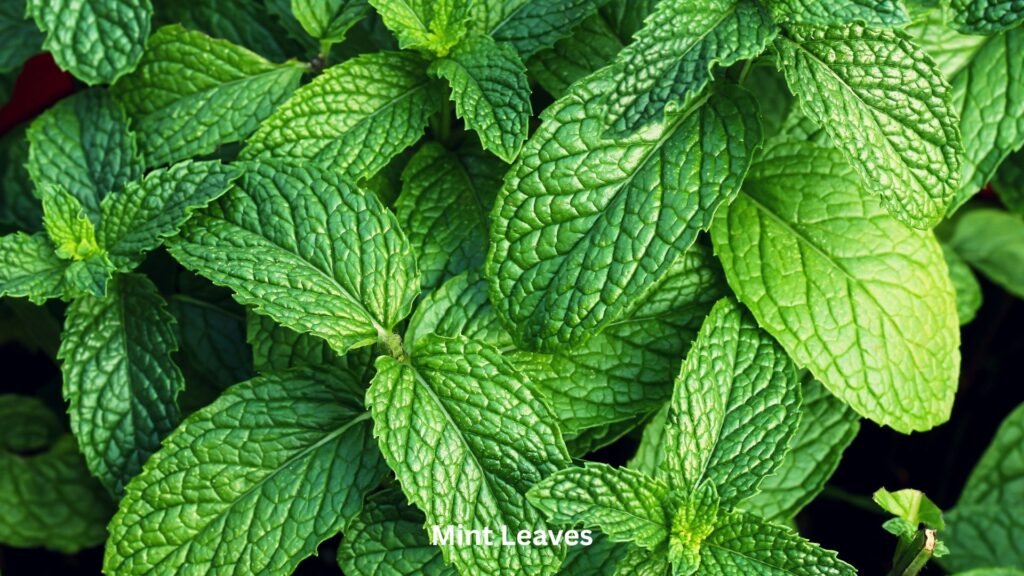
There’s always a small bunch of pudina sitting in my fridge, and by monsoon it becomes non-negotiable. It goes into chutneys, raitas, and a big glass of pudina water the moment the air turns humid and heavy. It’s one of those herbs that feels less like a garnish and more like a small daily ritual.
What is Pudina?
Pudina, or mint, is the fresh green herb with that instantly recognizable cooling aroma, used across Indian kitchens in chutneys, raitas, drinks, and as a finishing garnish on everything from biryani to chaat. A little goes a long way, which is probably why it’s grown in pots on balconies and kitchen windowsills all over the country.
Where Mint Fits in Indian Food Culture
In Ayurveda, pudina is considered a “sheetala,” or cooling, herb, which is exactly why it shows up so heavily in the hotter, more humid months. Pudina chutney is the classic pairing for fried snacks like pakoras and samosas, not just for flavor but because the herb is traditionally believed to counter the heaviness of fried food, and pudina sharbat or mint water is a common way to cool down after a meal or a hot afternoon outside.
The Real Benefits
- Menthol in mint relaxes the muscles of the digestive tract, which helps ease bloating and gas after a heavy meal
- It has natural carminative properties that stimulate saliva and digestive enzymes, making it a genuine appetite aid, not just a garnish
- Its cooling effect helps balance pitta in Ayurveda, which is why it feels so refreshing in hot, humid weather
- It can help calm an upset stomach and may ease mild IBS-type discomfort
- It’s naturally rich in antioxidants and has a pleasant, breath-freshening effect
How To Use It
- Add a handful of mint leaves to your everyday coriander chutney for an instant cooling twist
- Steep a few leaves in warm water for a simple after-meal mint tea
- Blend mint into raita or buttermilk for a cooling side with spicy meals
- Always pair fried snacks with a mint-based chutney. It’s a genuinely useful habit, not just tradition
- Store mint wrapped loosely in a damp paper towel in the fridge to keep it fresh for over a week
Keep a small bunch on hand through the monsoon and summer months, and you’ll find yourself reaching for it far more than you’d expect in your chutneys, your drinks, and even just a few leaves chewed on their own after a meal.
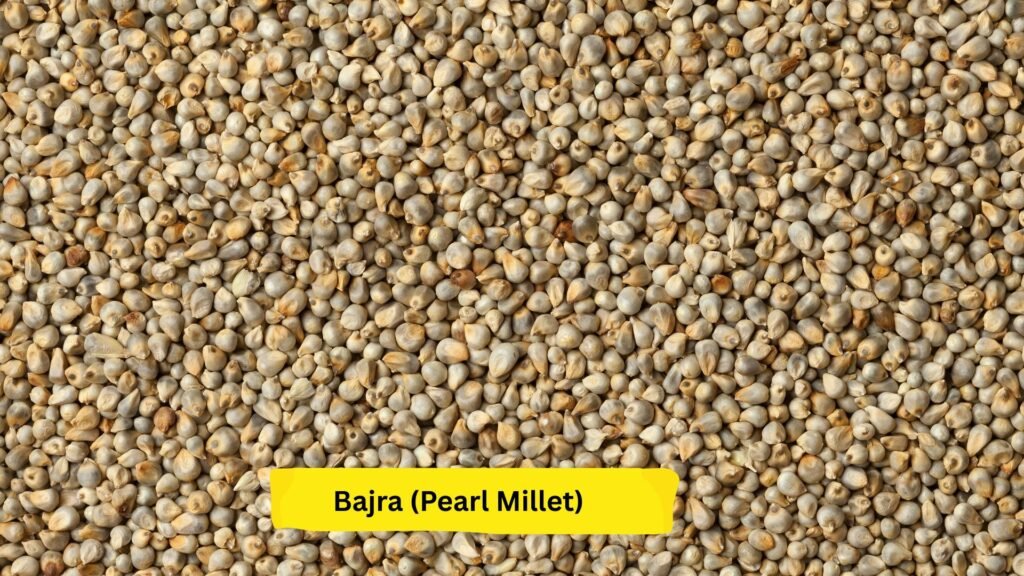
Health Benefits of Bajra (Pearl Millet): India’s Iron-Rich Winter Grain
What is Bajra? Bajra, known in English as pearl millet, is one of the oldest cultivated grains in India. It’s a small, round millet that’s
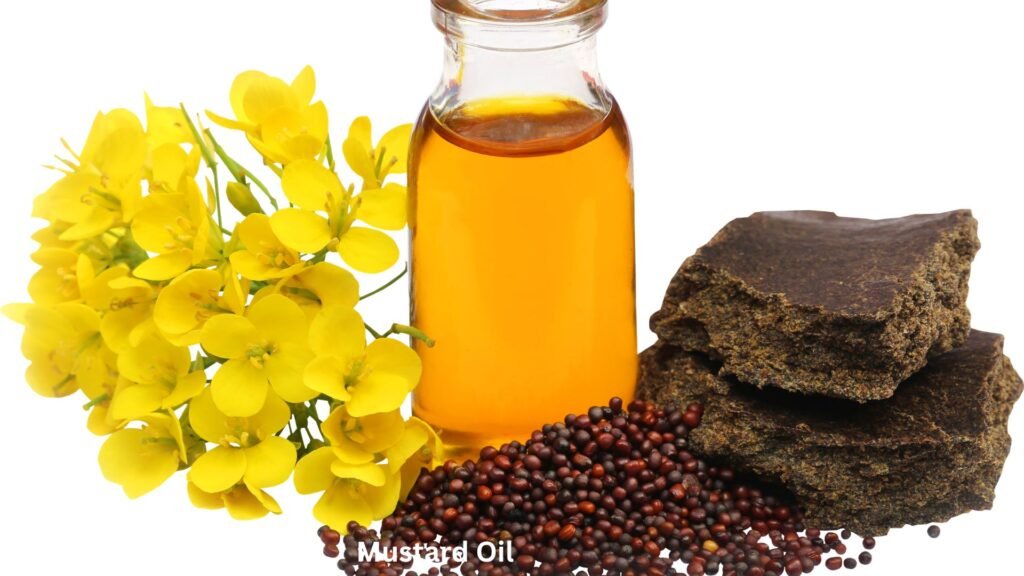
Health Benefits of Mustard Oil (Sarson ka Tel): India’s Traditional Cooking Fat
My mother still keeps two bottles of oil next to the stove, one refined and one mustard, and she reaches for the mustard one whenever
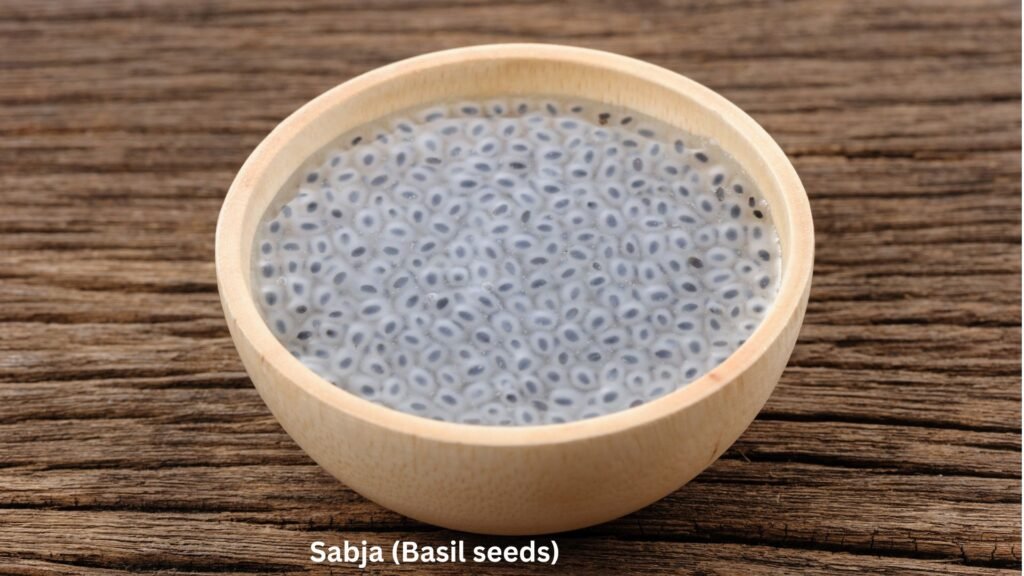
Health Benefits of Sabja (Basil) Seeds: India’s Cooling Monsoon Superseed
The first time I saw sabja seeds, I thought someone had dropped fish eggs into my falooda. My aunt laughed and told me they were
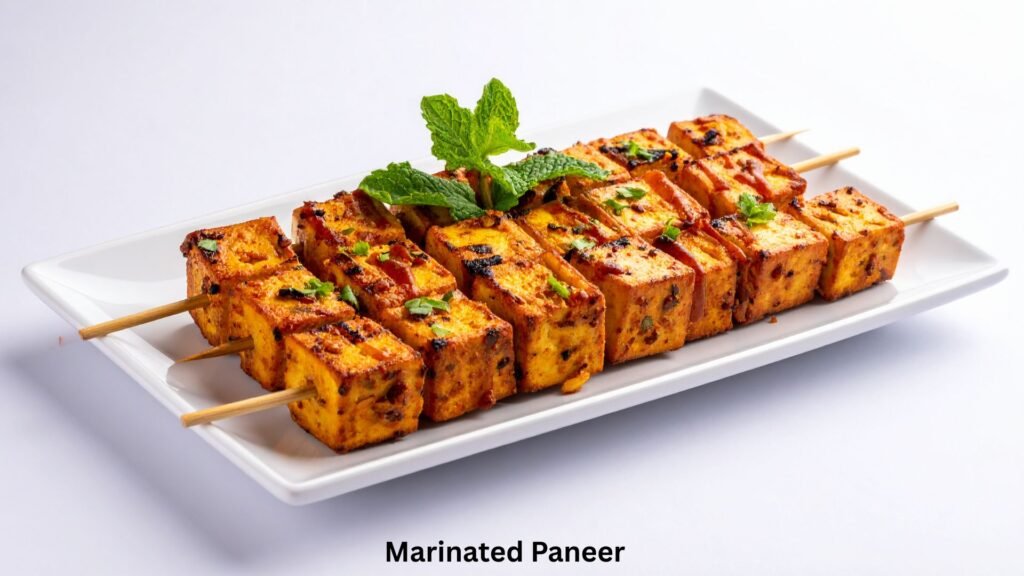
The Science of Marination: Why It Makes Indian Paneer and Vegetables Taste Better
I used to think marinating paneer for a tandoori tikka was just about coating it in yogurt and spices before it hit the pan. It
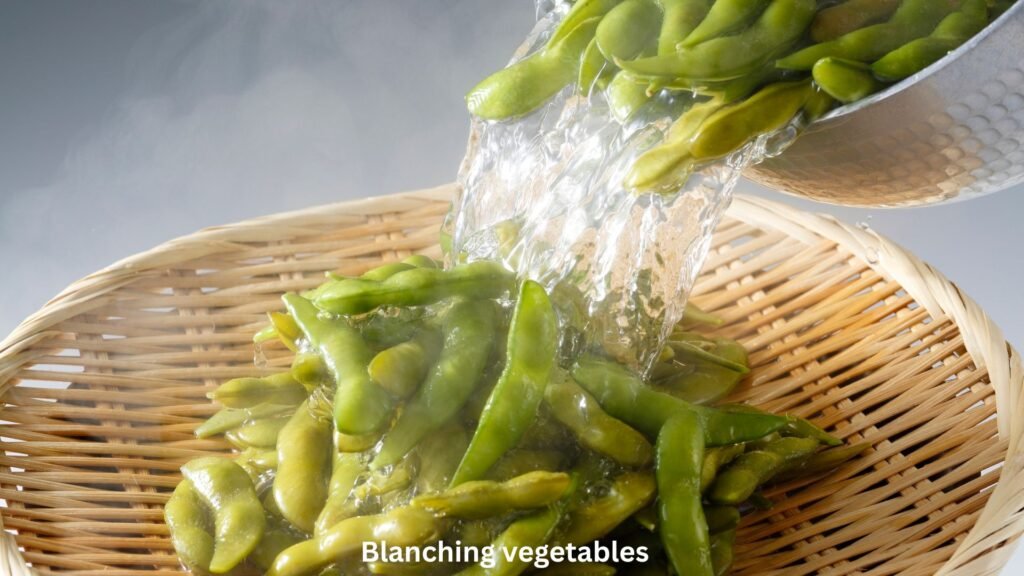
The Science of Blanching: Why Indian Cooks Parboil Vegetables Before Frying
I used to skip blanching my vegetables before frying because it felt like an unnecessary extra step, until I noticed my cauliflower always came out
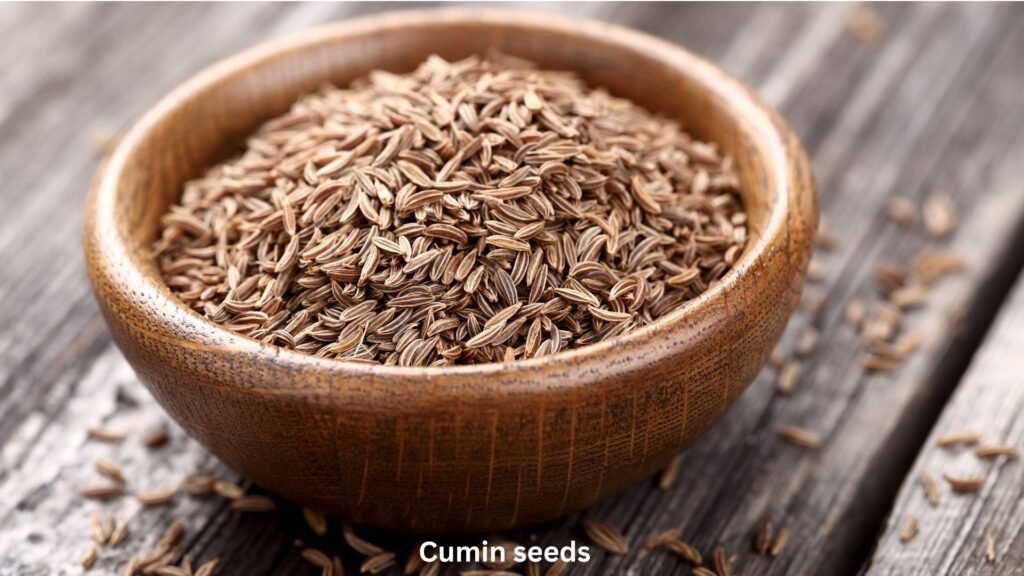
Health Benefits of Cumin (Jeera): India’s Everyday Digestive Spice
Every Indian kitchen has a jar of jeera within arm’s reach of the stove, mine sits right next to the salt, because half of what
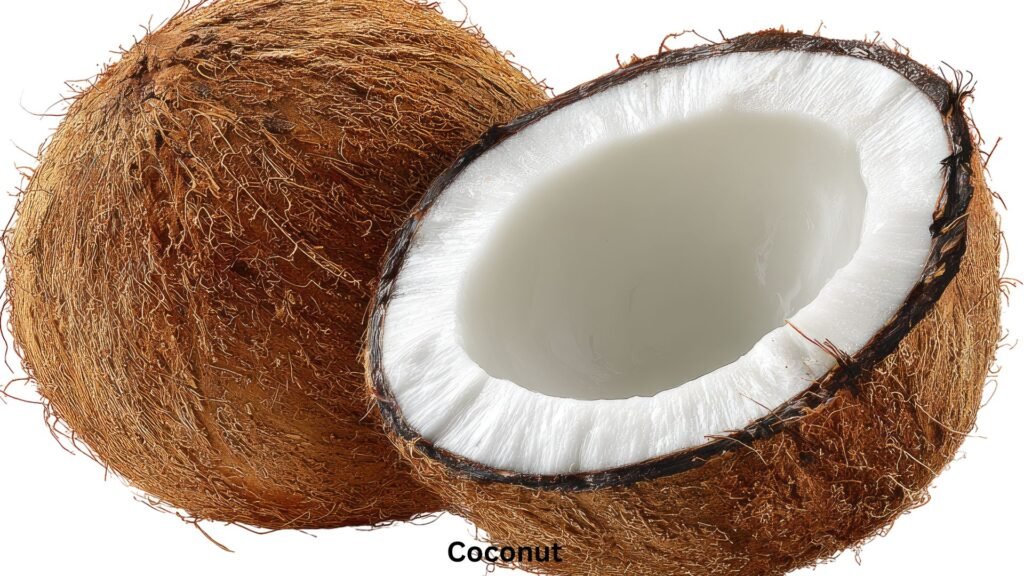
Health Benefits of Coconut: Kerala’s Onam Season Superfood
Every August, once the first coconut hits my kitchen counter for Onam cooking, I remember how much of my mother’s cooking depended on this one
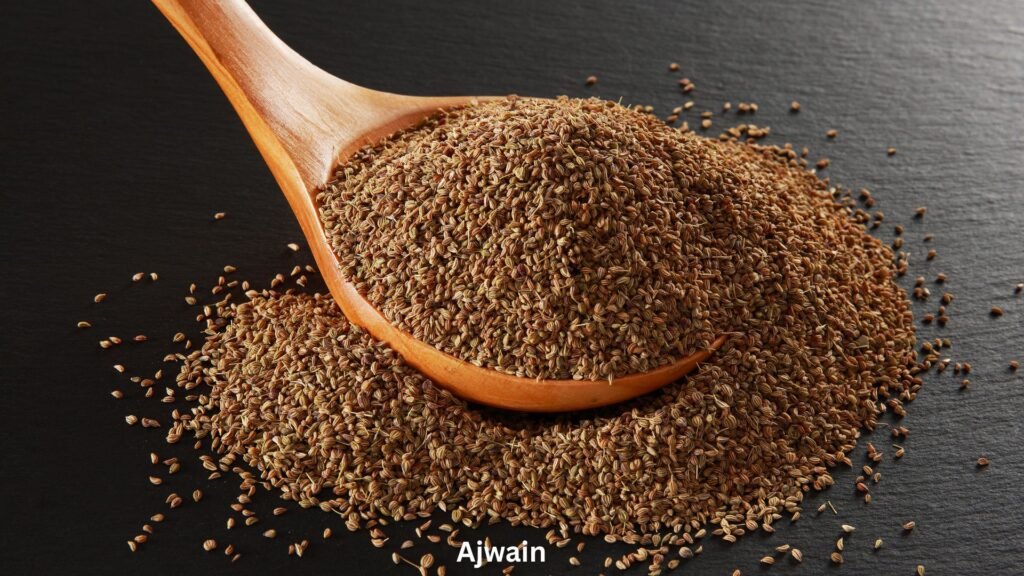
Health Benefits of Ajwain (Carom Seeds): India’s Digestive Powerhouse Spice
Every Indian household seems to have a small jar of ajwain tucked away for emergencies, the kind your mother reaches for the moment you complain
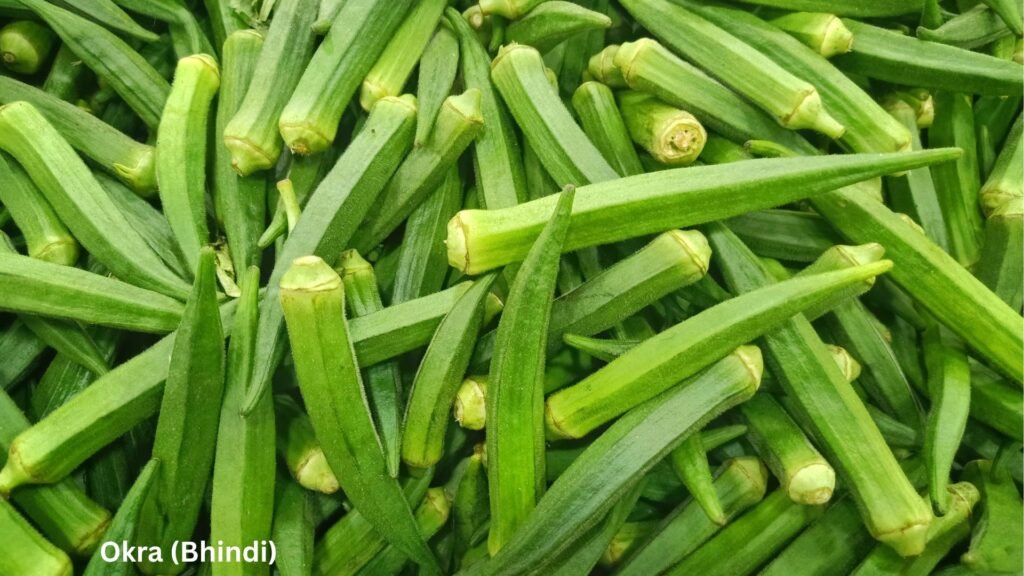
Health Benefits of Okra (Bhindi): India’s Humble Superfood Vegetable
Okra rarely gets the credit it deserves in Indian kitchens. It shows up quietly on the weekly sabzi rotation, gets called slimy more often than
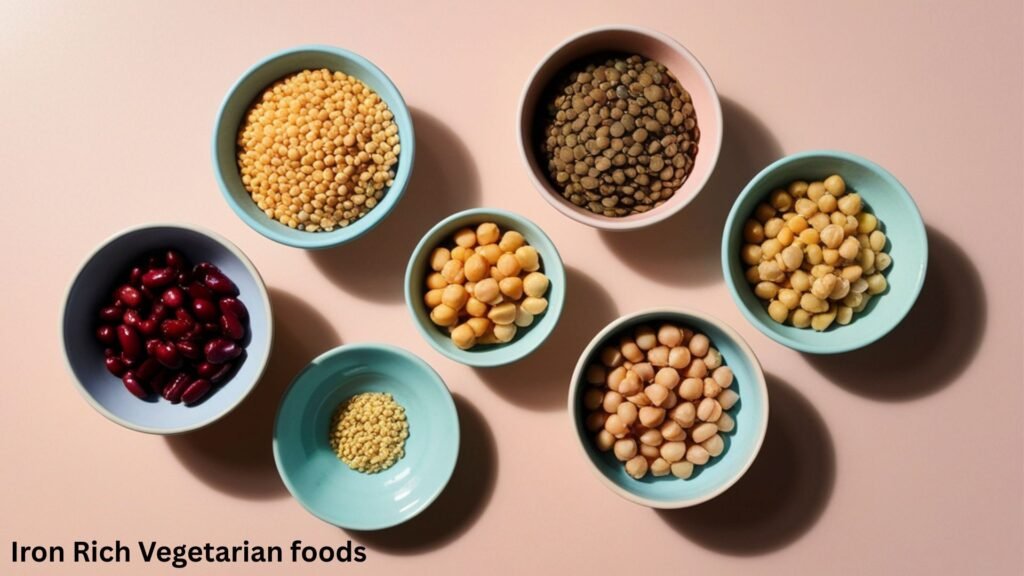
Iron-Rich Vegetarian Foods for an Indian Diet: Fighting Anemia Naturally
A routine blood test a couple of years ago told me my iron levels were lower than they should be, which surprised me because I
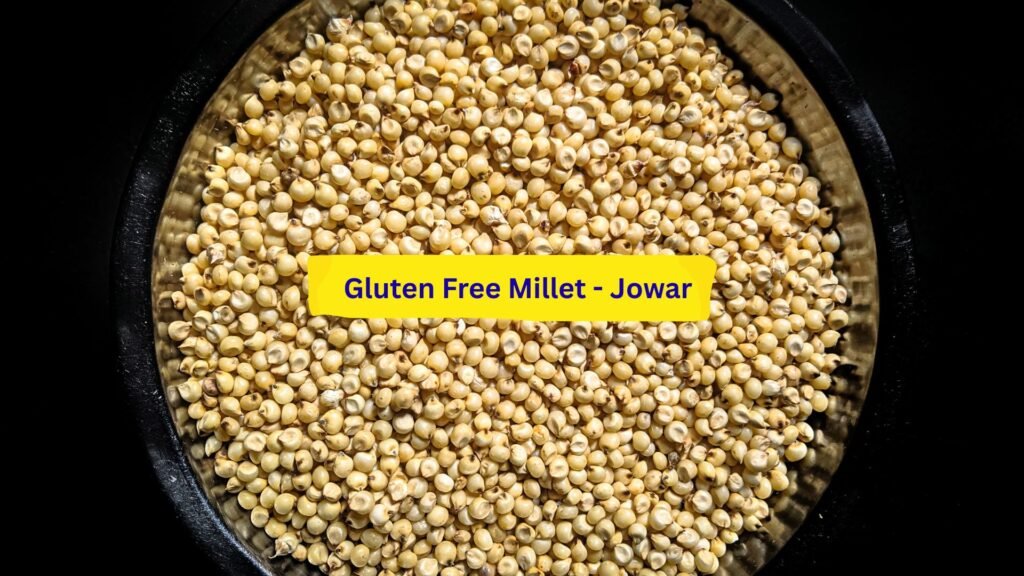
Health Benefits of Jowar (Sorghum): India’s Ancient Gluten-Free Millet
When my doctor suggested cutting back on wheat a few years ago, my grandmother’s answer was simple: go back to jowar roti, like everyone used

Why Ayurveda Says You Should Eat With Your Hands: The Science Behind an Old Habit
My grandfather never once used a spoon for his rice and dal, and as a kid I used to think it was just an old
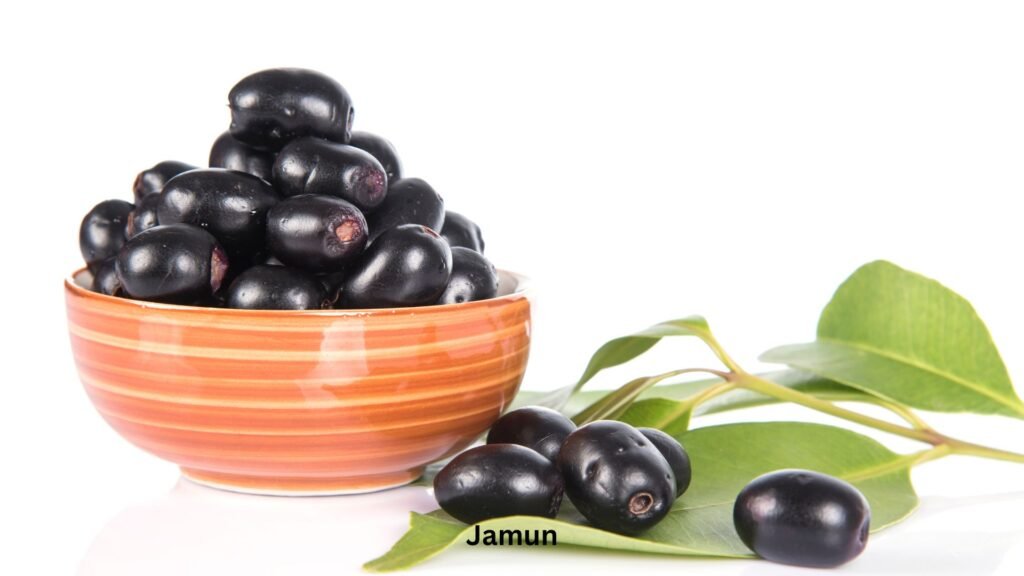
Health Benefits of Jamun (Indian Blackberry): Monsoon’s Blood-Sugar-Friendly Fruit
Every monsoon, the roadside near my house fills up with vendors selling small baskets of jamun, sprinkled with a little rock salt and chilli powder.
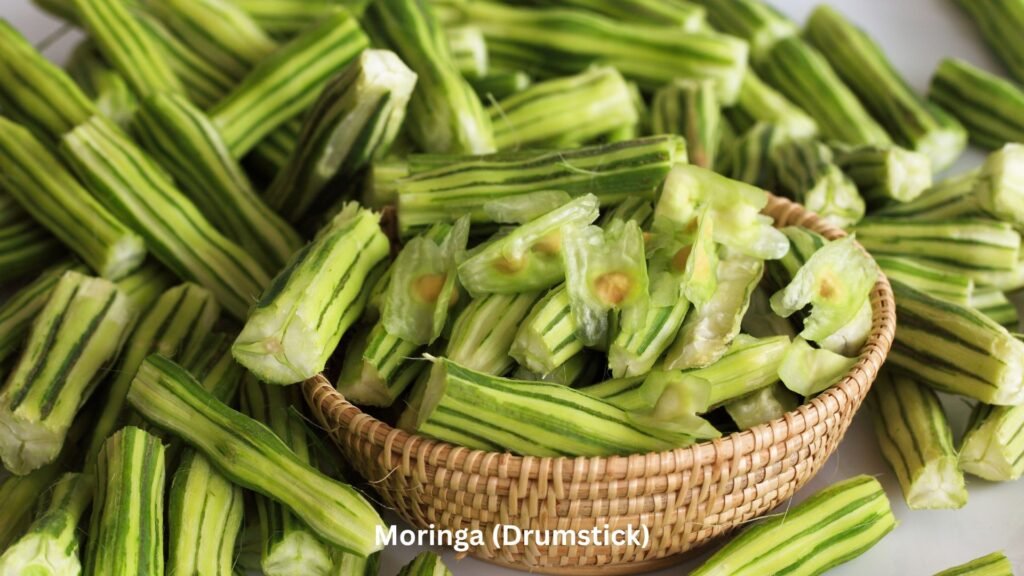
Health Benefits of Moringa (Drumstick/Sahjan): India’s Nutrient-Dense Superfood Tree
There’s a moringa tree in almost every second backyard I’ve visited in India, and for the longest time I barely paid attention to it beyond