
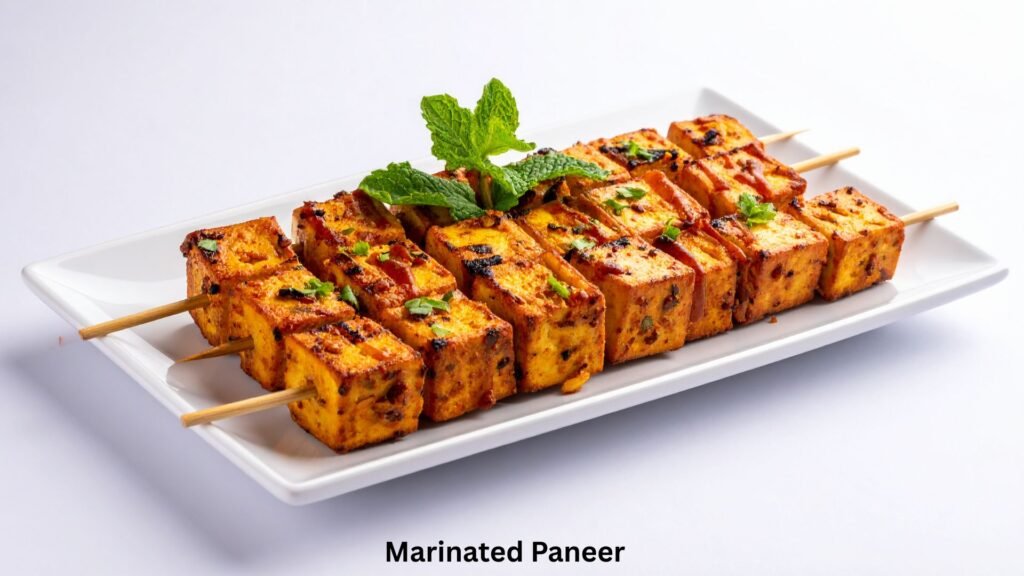
I used to think marinating paneer for a tandoori tikka was just about coating it in yogurt and spices before it hit the pan. It wasn’t until a batch came out noticeably more flavourful and tender after resting overnight that I actually looked into what marination is doing at a chemical level, and it changed how long I let everything sit before cooking.
What is Marination?
Marination is the process of soaking an ingredient, whether paneer, vegetables, or tofu, in a mixture of acid, fat, salt and spices before cooking. In Indian kitchens, this usually means a yogurt-based marinade loaded with ginger-garlic paste, chilli powder, garam masala and a squeeze of lemon, the base for everything from paneer tikka to tandoori vegetables. The goal isn’t just to add flavour on the surface; a good marinade actually changes the texture of what you’re cooking.
Where Marination Fits in Indian Cooking
Marination is central to tandoori-style cooking, a technique that originated in the Punjab region and neighbouring areas where clay tandoor ovens have long been used to grill skewered, marinated food at high heat. Yogurt-based marinades became especially popular here because yogurt is gentle enough not to break down delicate ingredients like paneer, while still carrying deep, smoky spice flavour into every bite. Today, the same principle shows up across Indian home cooking, from a quick 20-minute marinade for pan-seared paneer to an overnight soak for vegetables destined for the grill.
The Real Benefits
- The acid in yogurt or lemon juice gently breaks down surface proteins, which helps marinades penetrate further than oil or spices alone.
- Salt in the marinade draws moisture out and then back in, seasoning the ingredient more evenly all the way through.
- Fat, especially from yogurt or oil, helps fat-soluble spice compounds like those in turmeric and chilli bloom fully, deepening the flavour.
- Marination reduces the chances of paneer turning rubbery on high heat, since the yogurt coating buffers direct contact with the pan or grill.
- Resting time allows spices to actually diffuse into the ingredient rather than sitting only on the surface.
How To Marinate Better
- Give paneer and firm vegetables at least 30 minutes to marinate; for deeper flavour, aim for 2 hours or overnight in the fridge.
- Use thick, hung yogurt rather than thin yogurt so the marinade clings to the surface instead of sliding off.
- Add a little oil to the marinade even if it’s yogurt-based, since it helps spices bloom and prevents sticking on the pan.
- Pat off excess marinade before cooking on high heat so the surface sears instead of steaming.
- Avoid marinating delicate vegetables like tomatoes for too long, as prolonged acid exposure can turn them mushy.
Marination isn’t just a flavour step to rush through; it’s doing real, measurable work on your ingredients. A little patience before the pan or tandoor almost always shows up in the final bite.
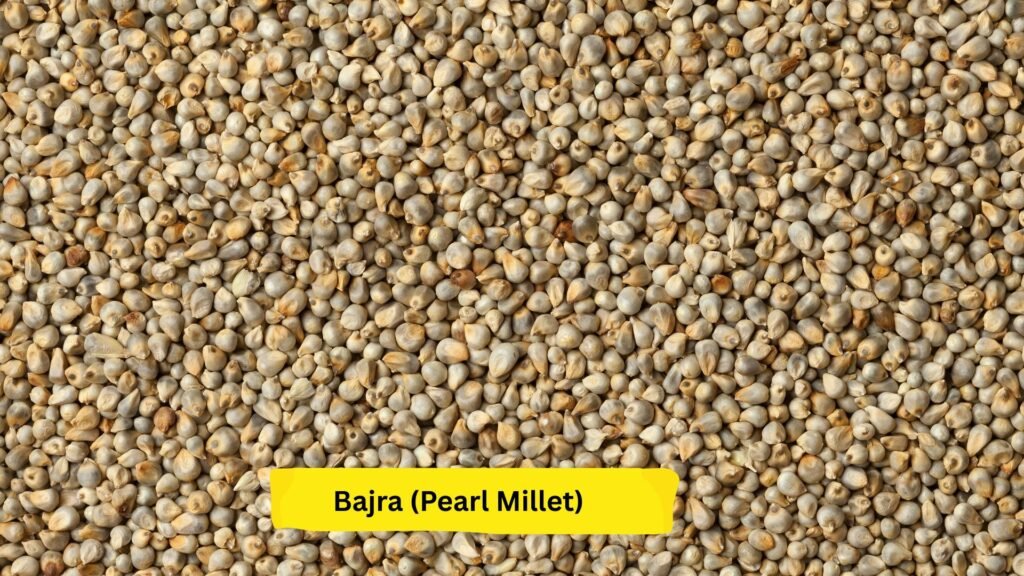
Health Benefits of Bajra (Pearl Millet): India’s Iron-Rich Winter Grain
What is Bajra? Bajra, known in English as pearl millet, is one of the oldest cultivated grains in India. It’s a small, round millet that’s
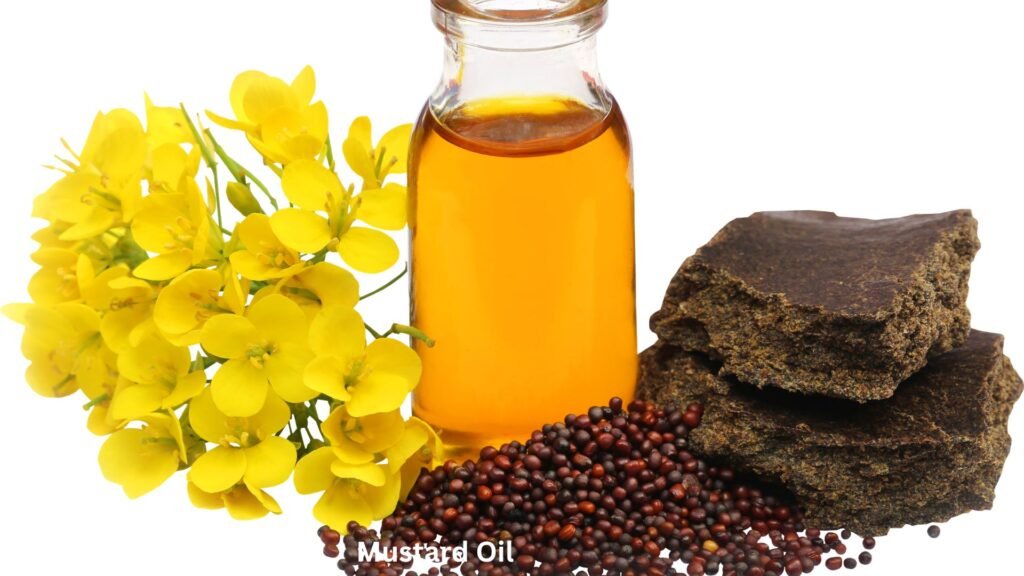
Health Benefits of Mustard Oil (Sarson ka Tel): India’s Traditional Cooking Fat
My mother still keeps two bottles of oil next to the stove, one refined and one mustard, and she reaches for the mustard one whenever
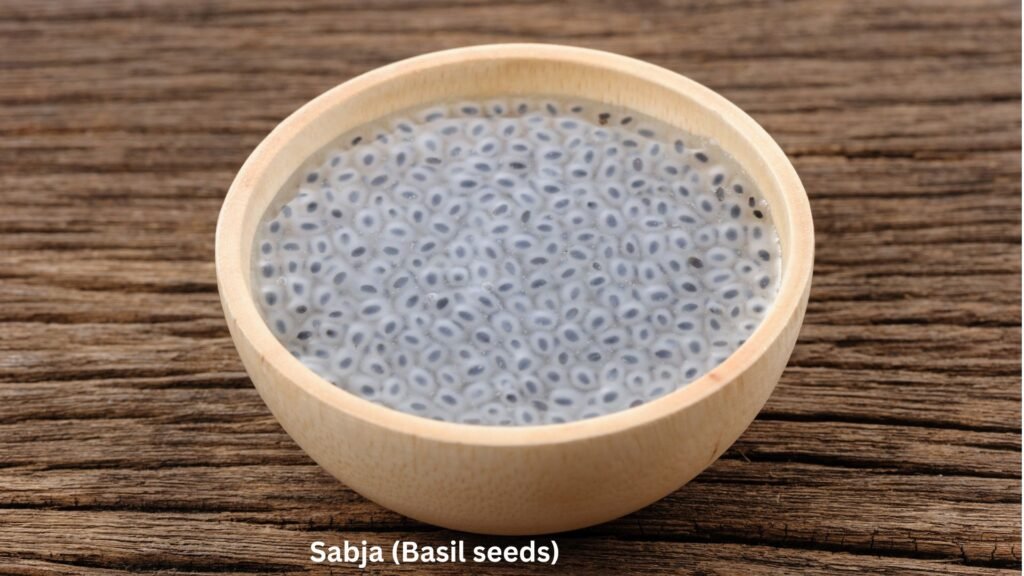
Health Benefits of Sabja (Basil) Seeds: India’s Cooling Monsoon Superseed
The first time I saw sabja seeds, I thought someone had dropped fish eggs into my falooda. My aunt laughed and told me they were
The Science of Marination: Why It Makes Indian Paneer and Vegetables Taste Better
I used to think marinating paneer for a tandoori tikka was just about coating it in yogurt and spices before it hit the pan. It
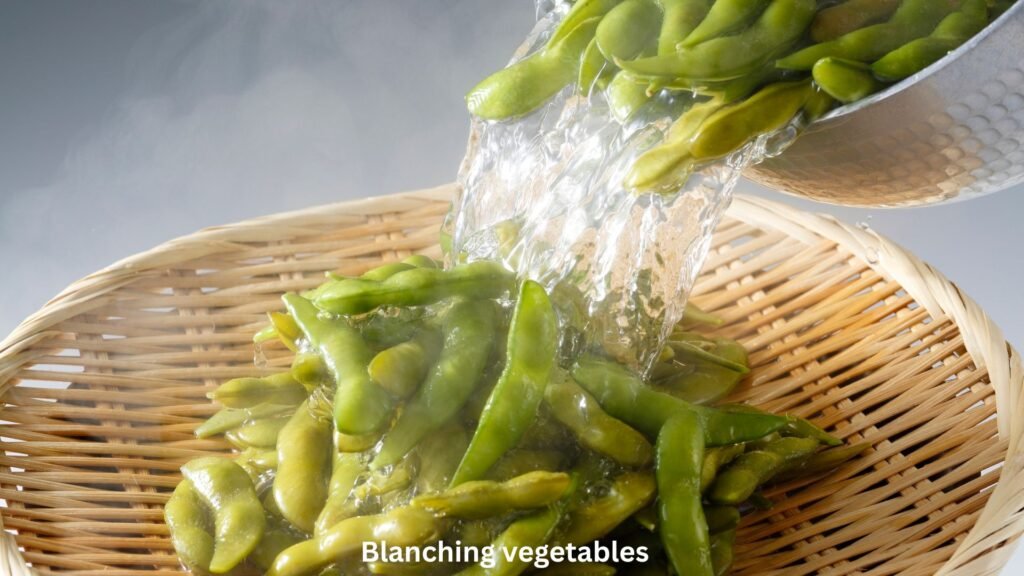
The Science of Blanching: Why Indian Cooks Parboil Vegetables Before Frying
I used to skip blanching my vegetables before frying because it felt like an unnecessary extra step, until I noticed my cauliflower always came out
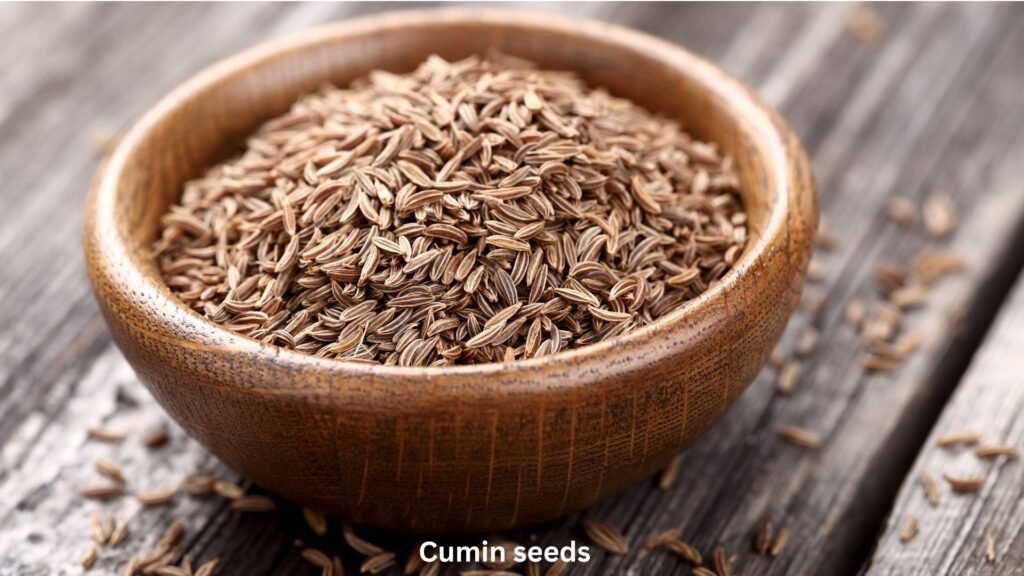
Health Benefits of Cumin (Jeera): India’s Everyday Digestive Spice
Every Indian kitchen has a jar of jeera within arm’s reach of the stove, mine sits right next to the salt, because half of what
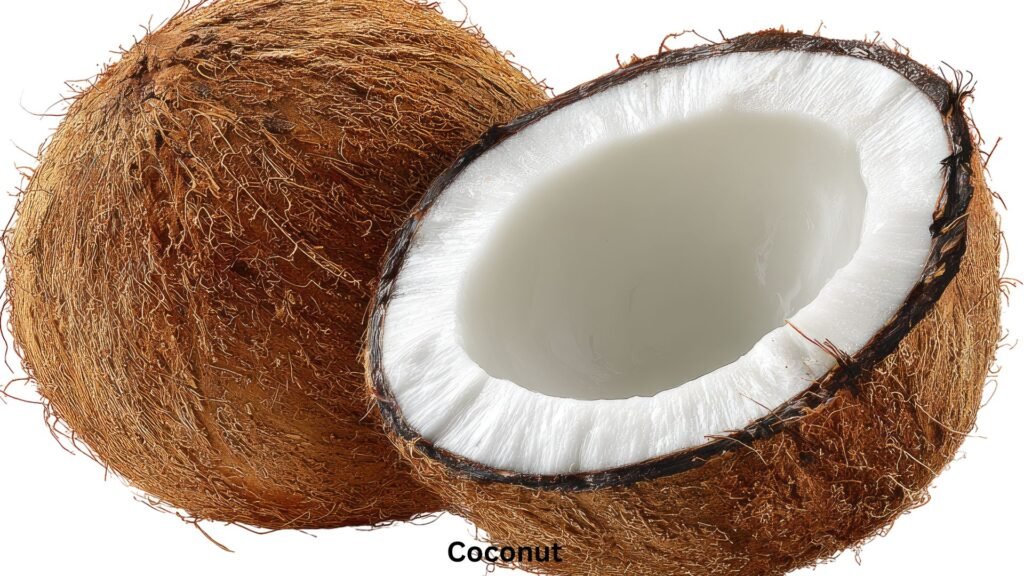
Health Benefits of Coconut: Kerala’s Onam Season Superfood
Every August, once the first coconut hits my kitchen counter for Onam cooking, I remember how much of my mother’s cooking depended on this one
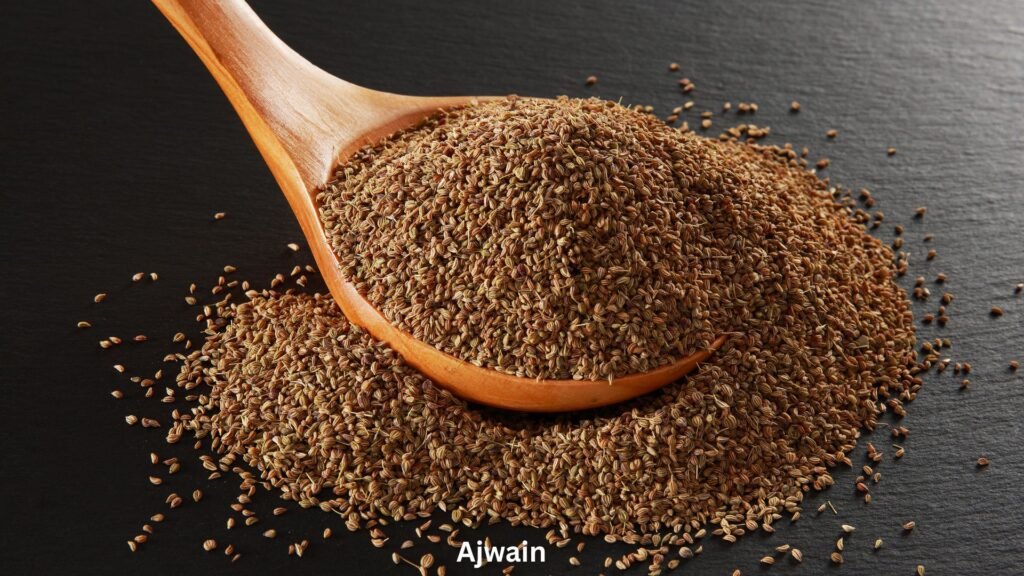
Health Benefits of Ajwain (Carom Seeds): India’s Digestive Powerhouse Spice
Every Indian household seems to have a small jar of ajwain tucked away for emergencies, the kind your mother reaches for the moment you complain
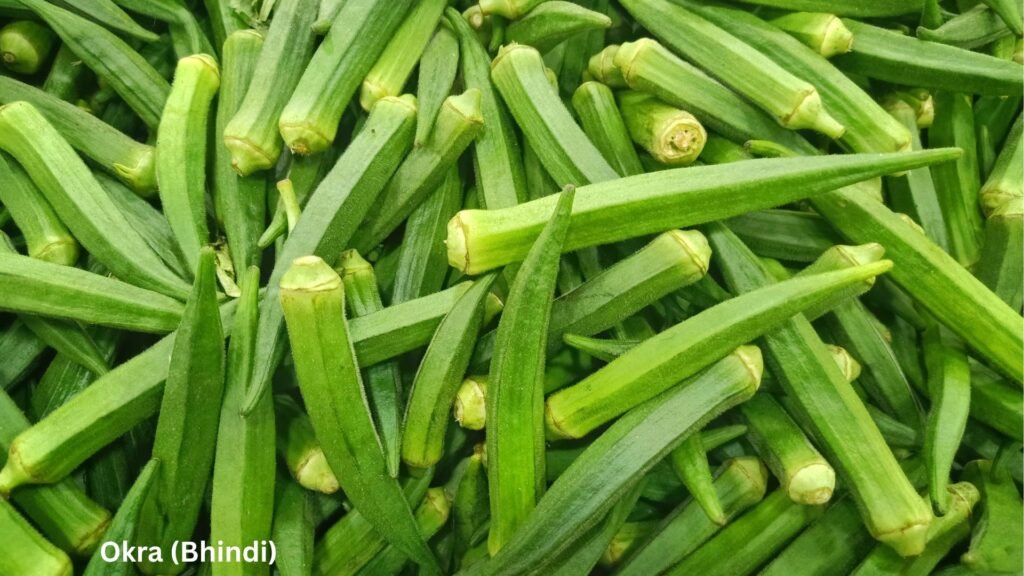
Health Benefits of Okra (Bhindi): India’s Humble Superfood Vegetable
Okra rarely gets the credit it deserves in Indian kitchens. It shows up quietly on the weekly sabzi rotation, gets called slimy more often than
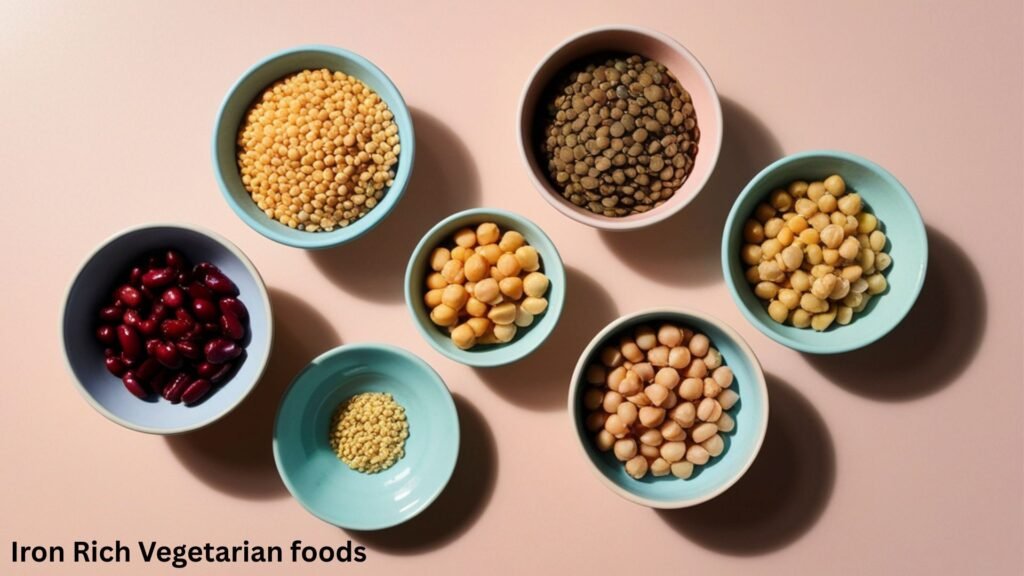
Iron-Rich Vegetarian Foods for an Indian Diet: Fighting Anemia Naturally
A routine blood test a couple of years ago told me my iron levels were lower than they should be, which surprised me because I
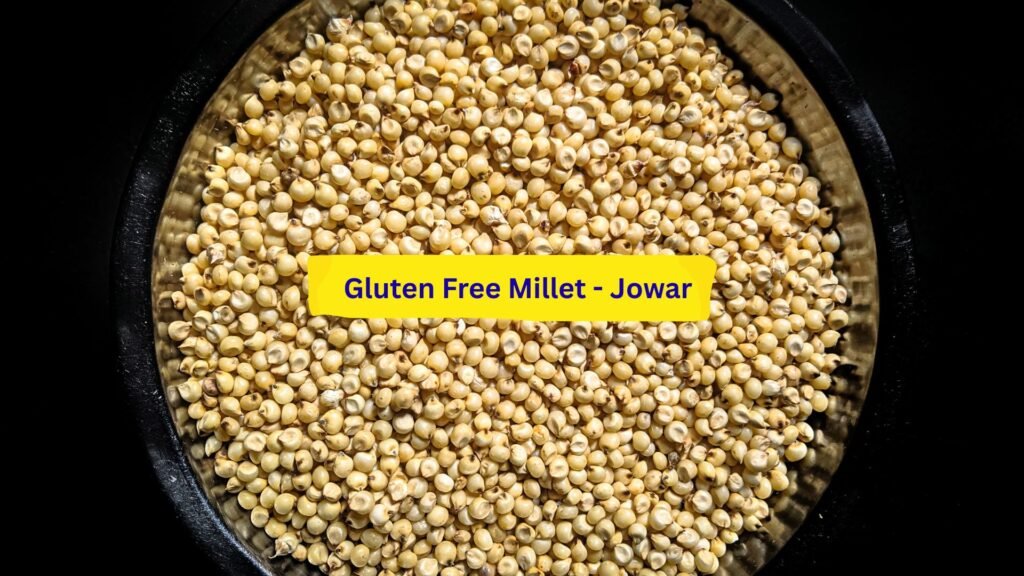
Health Benefits of Jowar (Sorghum): India’s Ancient Gluten-Free Millet
When my doctor suggested cutting back on wheat a few years ago, my grandmother’s answer was simple: go back to jowar roti, like everyone used

Why Ayurveda Says You Should Eat With Your Hands: The Science Behind an Old Habit
My grandfather never once used a spoon for his rice and dal, and as a kid I used to think it was just an old
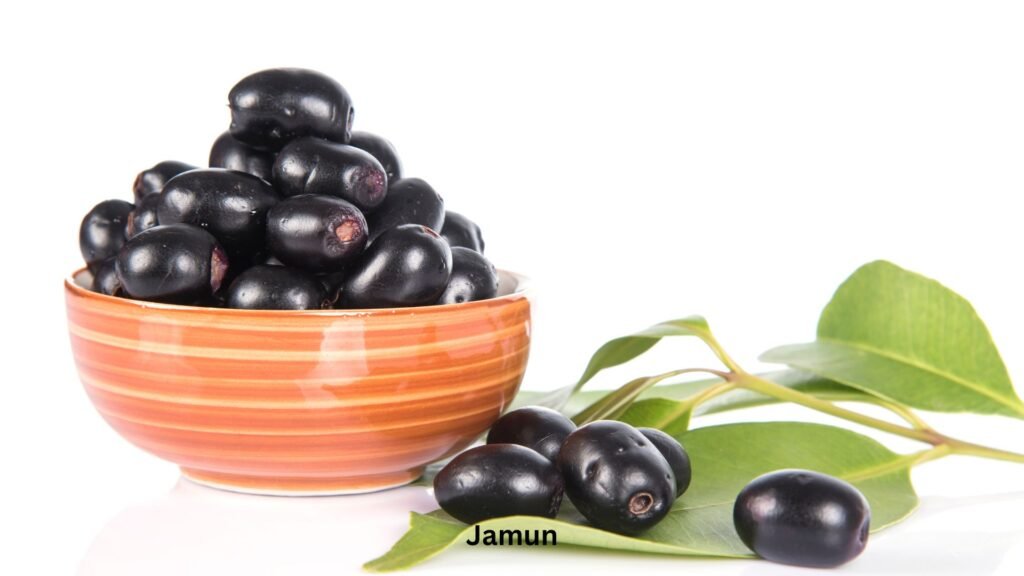
Health Benefits of Jamun (Indian Blackberry): Monsoon’s Blood-Sugar-Friendly Fruit
Every monsoon, the roadside near my house fills up with vendors selling small baskets of jamun, sprinkled with a little rock salt and chilli powder.
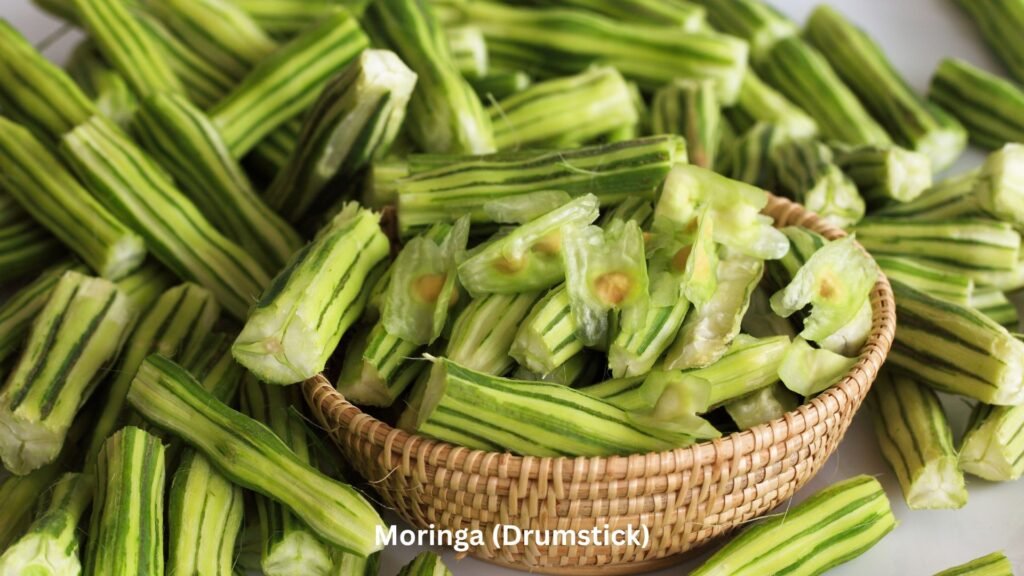
Health Benefits of Moringa (Drumstick/Sahjan): India’s Nutrient-Dense Superfood Tree
There’s a moringa tree in almost every second backyard I’ve visited in India, and for the longest time I barely paid attention to it beyond