
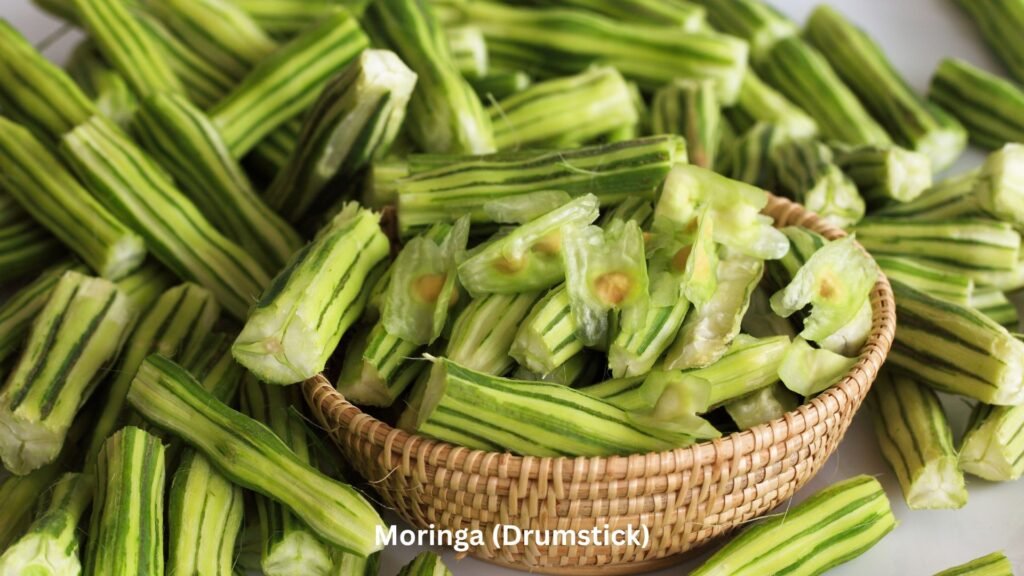
There’s a moringa tree in almost every second backyard I’ve visited in India, and for the longest time I barely paid attention to it beyond using the pods in sambar. It was only when I started reading up on nutrition that I realised how much this quietly ordinary tree actually does for us, from the leaves down to the pods.
What is Moringa?
Moringa oleifera, known in India as sahjan, munaga or the drumstick tree, is a fast-growing tree whose long, ridged pods (drumsticks), delicate leaves and even flowers are all edible. The leaves are typically cooked into a saag-style stir-fry or dal, while the pods show up in sambar and other South Indian curries, cooked until the pulp can be scraped out from inside the fibrous skin.
Where Moringa Fits in Indian Food Culture
Moringa is native to the Indian subcontinent and has been used in Ayurvedic preparations for centuries, valued long before the West began calling it a superfood. Drumstick pods are a staple in South Indian sambar and Andhra-style curries, while moringa leaves feature in stir-fries, dals and even parathas across many regional kitchens. Because the tree grows easily with little water, it has also long been an accessible, low-cost source of nutrition in rural households.
The Real Benefits
- Moringa leaves are exceptionally rich in vitamin A, vitamin C and calcium compared to most leafy greens
- They contain iron and protein, making them useful for vegetarians looking to round out their diet
- Moringa is rich in antioxidants like quercetin and chlorogenic acid, which help the body manage everyday oxidative stress
- The pods (drumsticks) are high in fibre, which supports digestion and gut health
- Some early research suggests moringa may help support healthy blood sugar levels, though it should never replace prescribed treatment for diabetes
How to Add More Moringa to Your Diet
- Add fresh or dried moringa leaves to dal or sambar in the last few minutes of cooking
- Use drumstick pods in sambar, avial or a simple moringa-coconut curry
- Stir a spoon of moringa powder into soups, smoothies or dough for rotis if you can’t get fresh leaves regularly
- When buying pods, choose ones that snap easily and aren’t overly fibrous, they’ll be more tender to cook
- Introduce it gradually if you’re new to it, and check with a doctor first if you’re pregnant or on blood pressure or thyroid medication, since moringa can interact with these
Moringa is one of those ingredients that doesn’t need a trend cycle to be worth cooking with, it’s been quietly doing the work in Indian kitchens for generations. If you have a tree nearby or see pods at your local market, treating it as a regular addition to dal or sambar, rather than an occasional garnish, is an easy way to get more out of every meal.
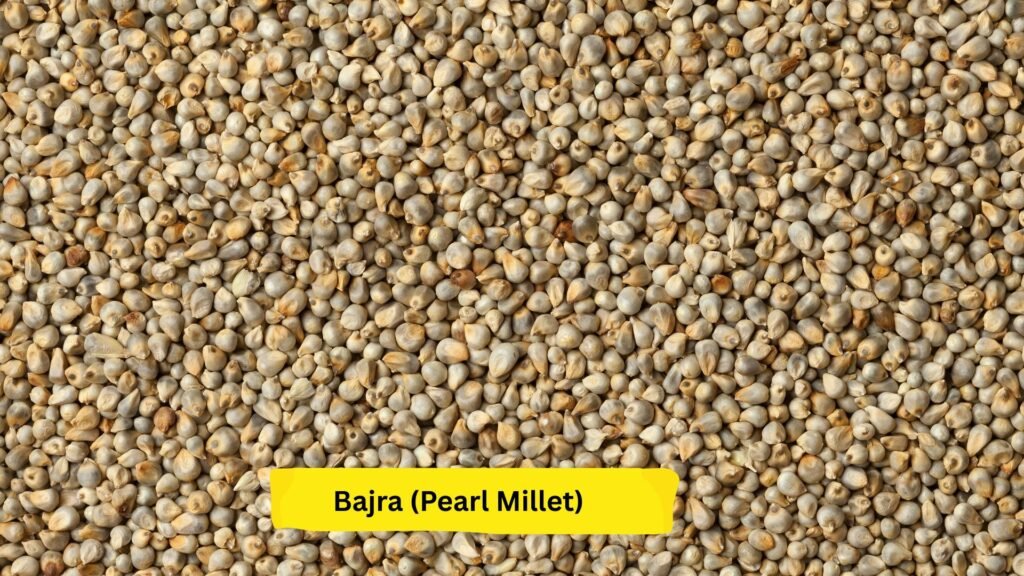
Health Benefits of Bajra (Pearl Millet): India’s Iron-Rich Winter Grain
What is Bajra? Bajra, known in English as pearl millet, is one of the oldest cultivated grains in India. It’s a small, round millet that’s
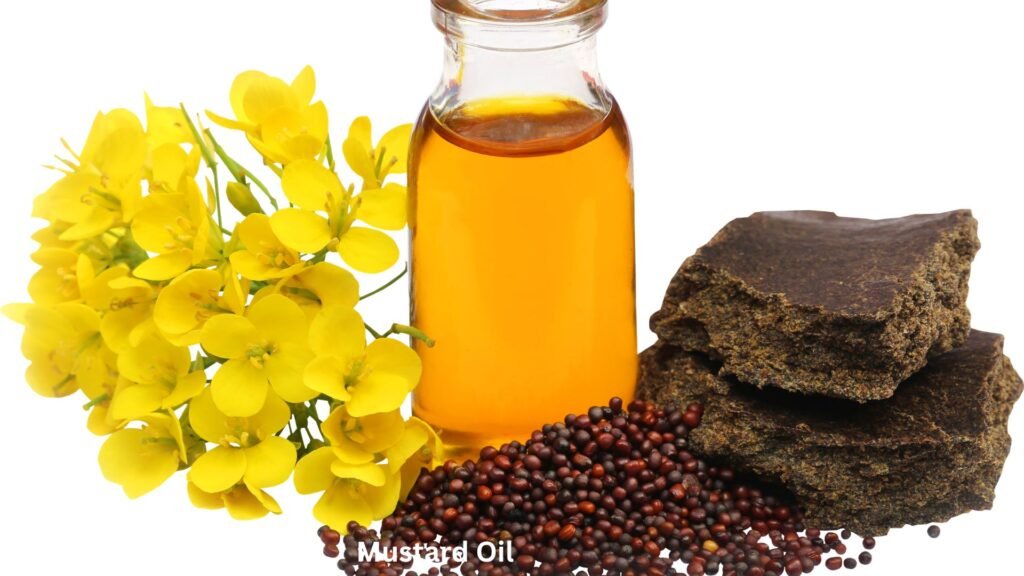
Health Benefits of Mustard Oil (Sarson ka Tel): India’s Traditional Cooking Fat
My mother still keeps two bottles of oil next to the stove, one refined and one mustard, and she reaches for the mustard one whenever
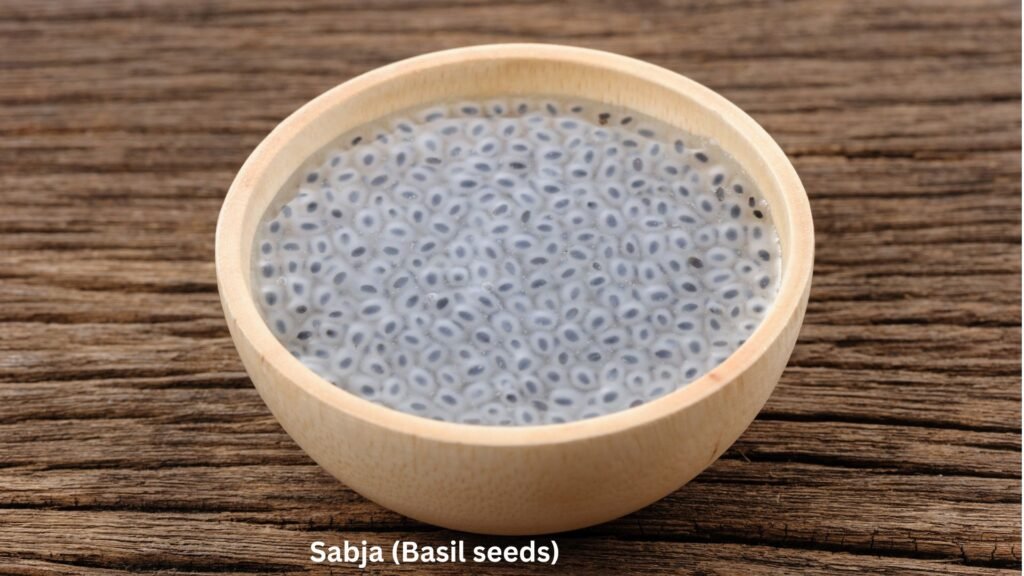
Health Benefits of Sabja (Basil) Seeds: India’s Cooling Monsoon Superseed
The first time I saw sabja seeds, I thought someone had dropped fish eggs into my falooda. My aunt laughed and told me they were
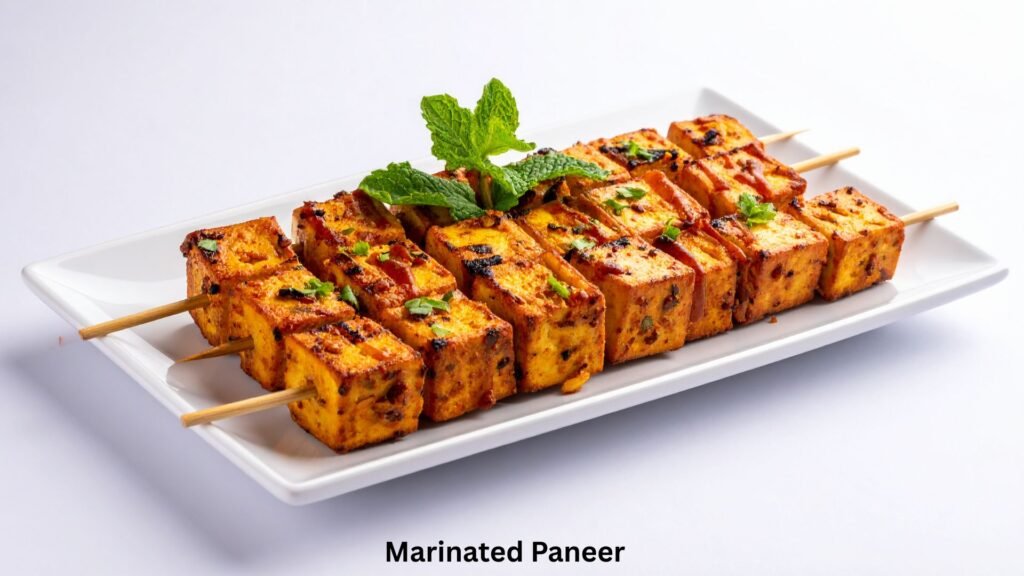
The Science of Marination: Why It Makes Indian Paneer and Vegetables Taste Better
I used to think marinating paneer for a tandoori tikka was just about coating it in yogurt and spices before it hit the pan. It
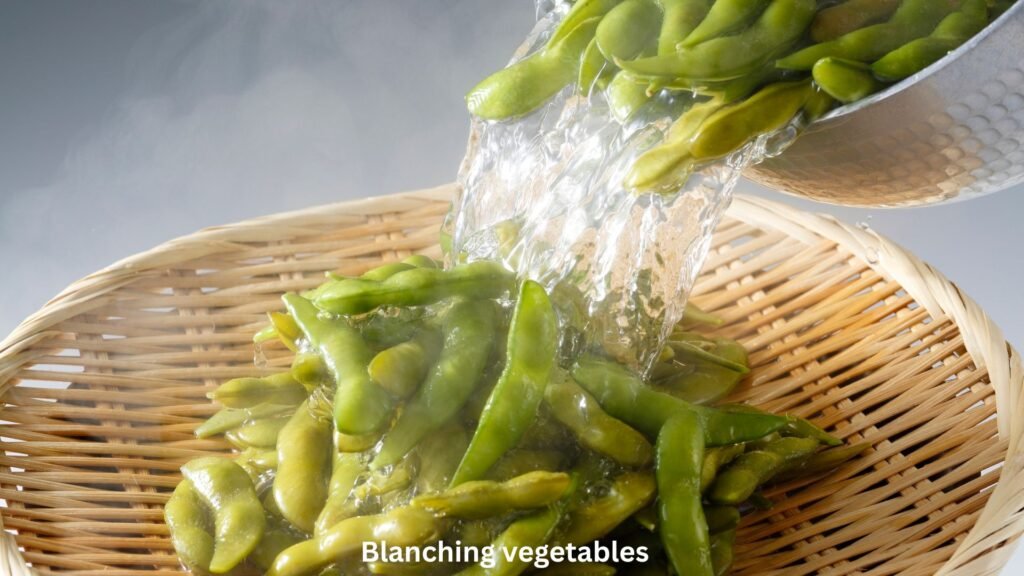
The Science of Blanching: Why Indian Cooks Parboil Vegetables Before Frying
I used to skip blanching my vegetables before frying because it felt like an unnecessary extra step, until I noticed my cauliflower always came out
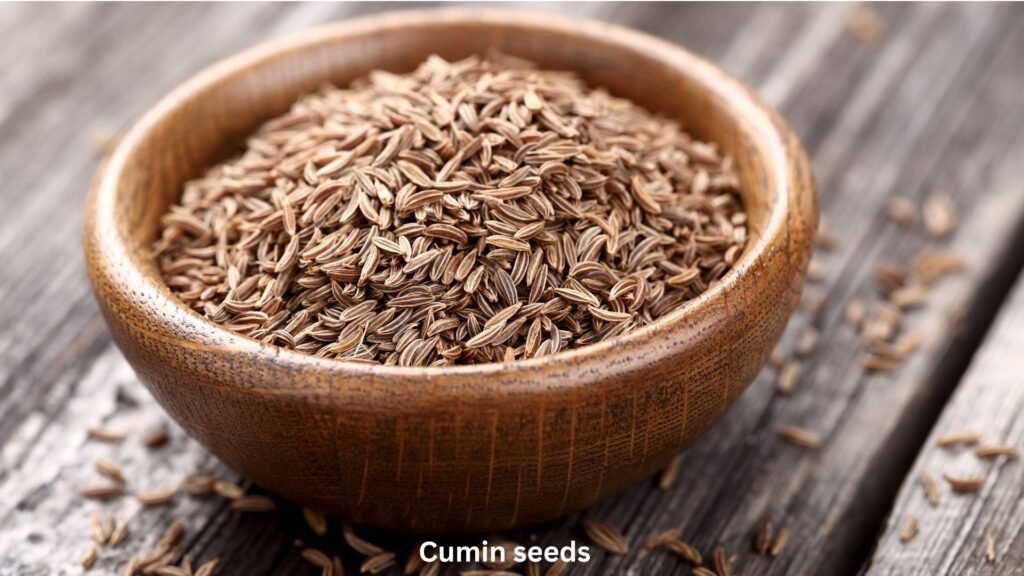
Health Benefits of Cumin (Jeera): India’s Everyday Digestive Spice
Every Indian kitchen has a jar of jeera within arm’s reach of the stove, mine sits right next to the salt, because half of what
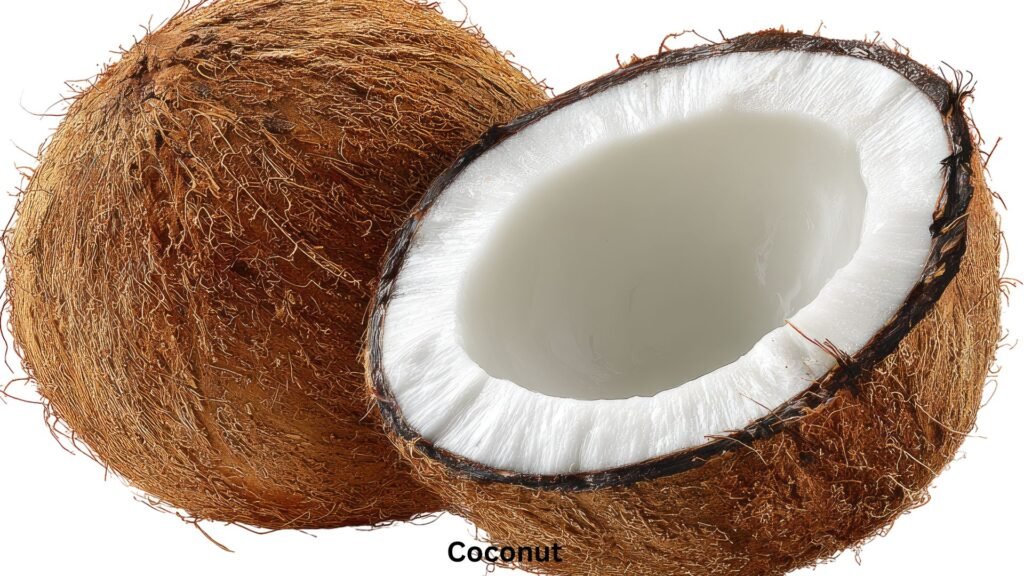
Health Benefits of Coconut: Kerala’s Onam Season Superfood
Every August, once the first coconut hits my kitchen counter for Onam cooking, I remember how much of my mother’s cooking depended on this one
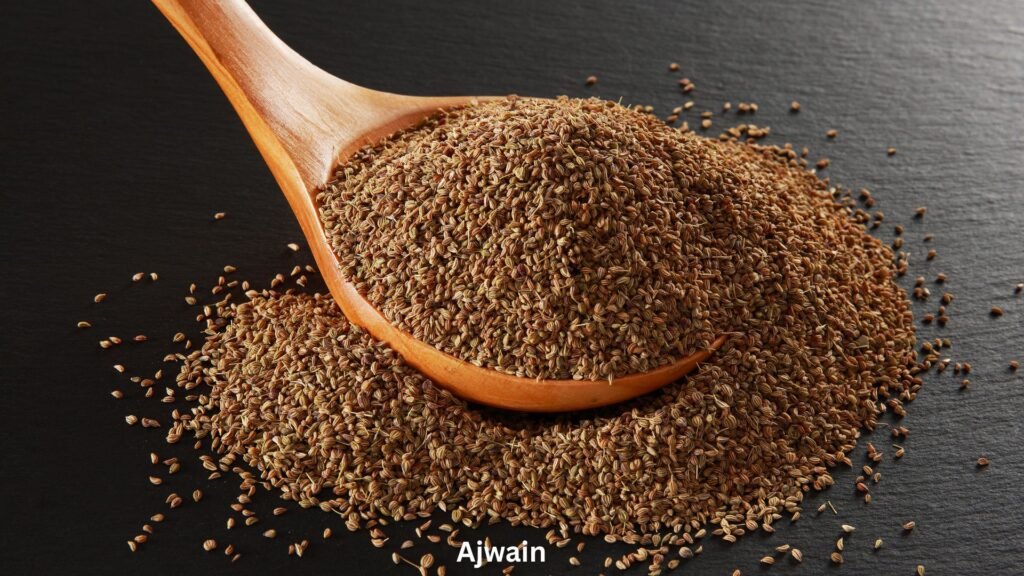
Health Benefits of Ajwain (Carom Seeds): India’s Digestive Powerhouse Spice
Every Indian household seems to have a small jar of ajwain tucked away for emergencies, the kind your mother reaches for the moment you complain
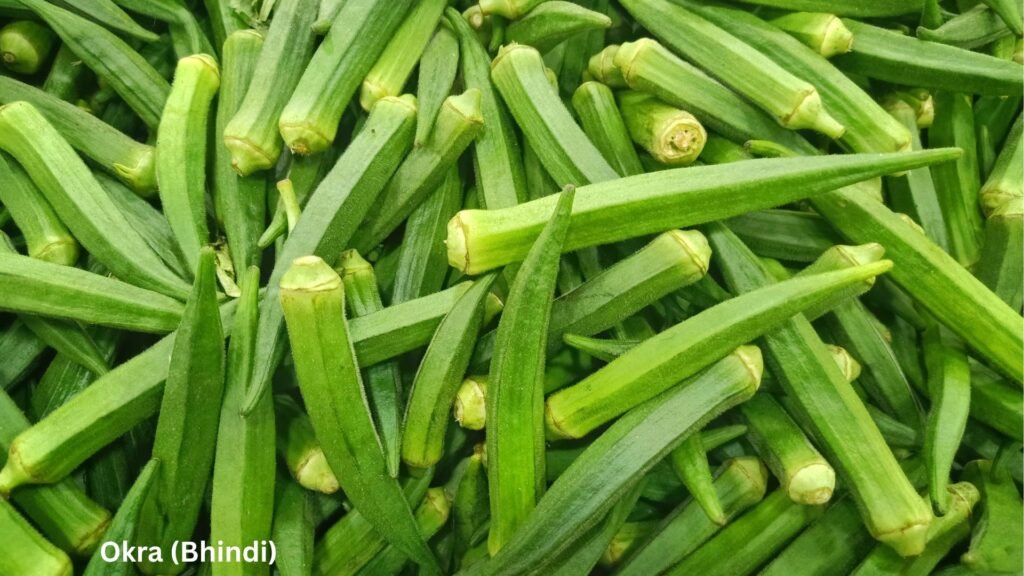
Health Benefits of Okra (Bhindi): India’s Humble Superfood Vegetable
Okra rarely gets the credit it deserves in Indian kitchens. It shows up quietly on the weekly sabzi rotation, gets called slimy more often than
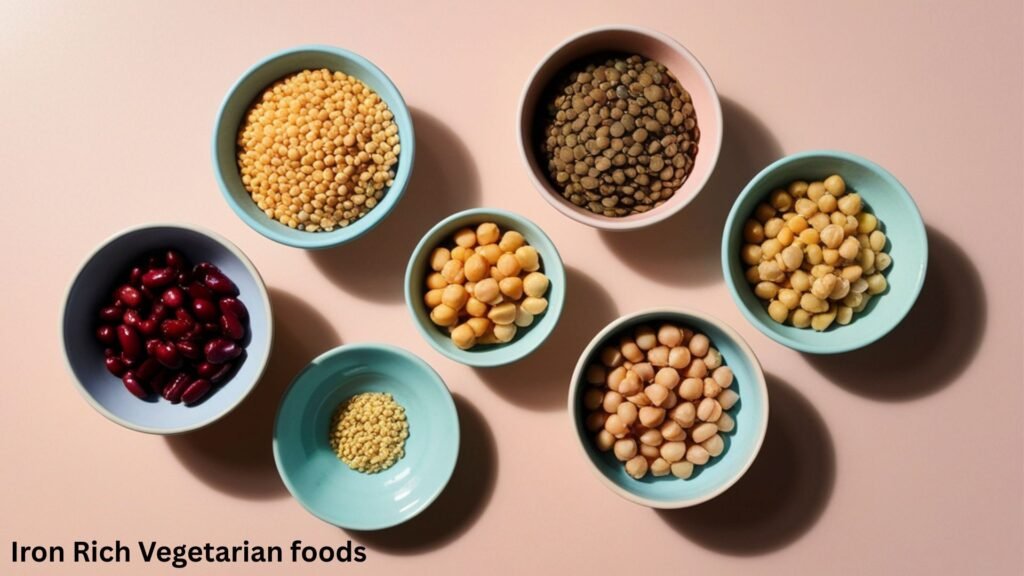
Iron-Rich Vegetarian Foods for an Indian Diet: Fighting Anemia Naturally
A routine blood test a couple of years ago told me my iron levels were lower than they should be, which surprised me because I
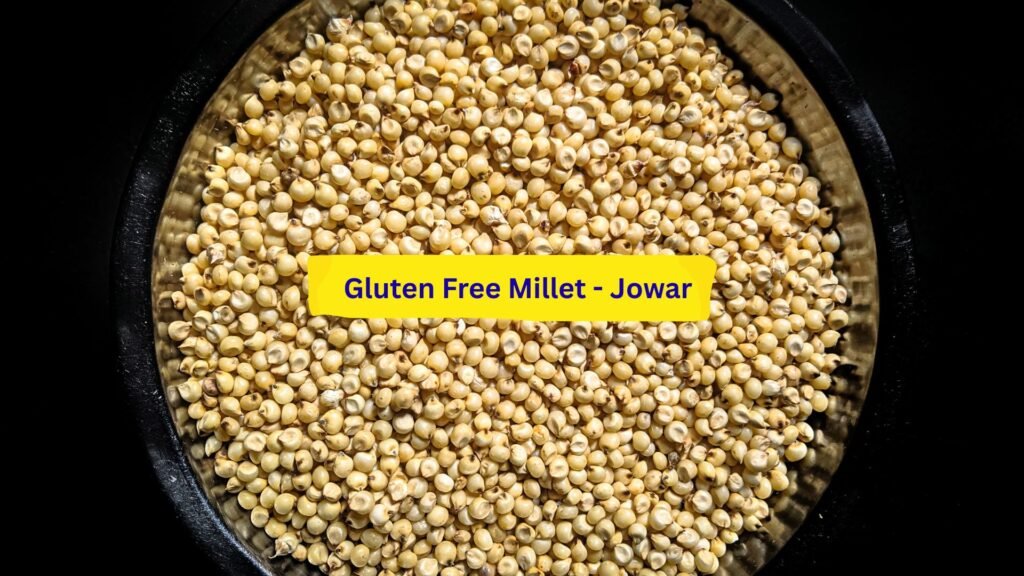
Health Benefits of Jowar (Sorghum): India’s Ancient Gluten-Free Millet
When my doctor suggested cutting back on wheat a few years ago, my grandmother’s answer was simple: go back to jowar roti, like everyone used

Why Ayurveda Says You Should Eat With Your Hands: The Science Behind an Old Habit
My grandfather never once used a spoon for his rice and dal, and as a kid I used to think it was just an old
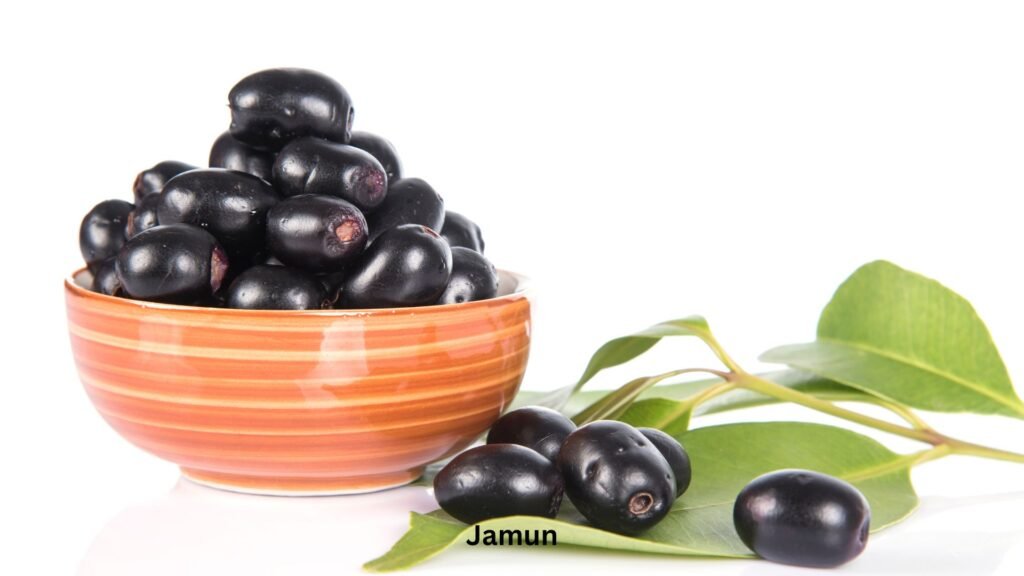
Health Benefits of Jamun (Indian Blackberry): Monsoon’s Blood-Sugar-Friendly Fruit
Every monsoon, the roadside near my house fills up with vendors selling small baskets of jamun, sprinkled with a little rock salt and chilli powder.
Health Benefits of Moringa (Drumstick/Sahjan): India’s Nutrient-Dense Superfood Tree
There’s a moringa tree in almost every second backyard I’ve visited in India, and for the longest time I barely paid attention to it beyond