My mother still keeps two bottles of oil next to the stove, one refined and one mustard, and she reaches for the mustard one whenever she’s making anything from Bengal or Punjab. Growing up, I thought it was just about taste, that sharp, pungent kick you get when it hits a hot pan. It wasn’t until I started cooking on my own that I realized how much thought actually goes into which oil she picks for which dish.
What is Mustard Oil?
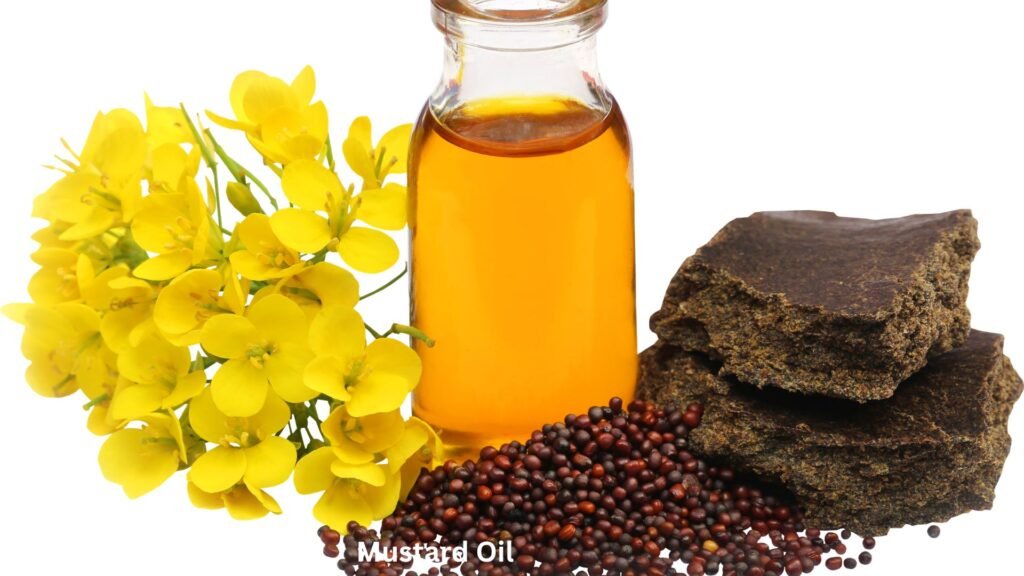
Mustard oil, known as sarson ka tel, is extracted from mustard seeds and has been a kitchen staple across North and East India for generations. It has a distinctive pungent aroma and a sharp, slightly spicy flavor that mellows once it’s heated to its smoking point. Beyond cooking, it’s also long been used topically for skin and hair care, which says a lot about how central it is to everyday Indian households.
Where Mustard Oil Fits in Indian Food Culture
Mustard oil is especially dominant in the cuisines of Bengal, Punjab, Bihar, and Uttar Pradesh, where it’s the default cooking fat for everything from fish curries to pickles. In Bengali cooking, it’s practically non-negotiable for dishes like shorshe maach, where the oil itself contributes as much flavor as the mustard paste. It’s also the traditional base for most Indian achaar, or pickles, since its natural preservative qualities help pickled vegetables stay fresh for months without refrigeration.
The Real Benefits
- Mustard oil is rich in monounsaturated and polyunsaturated fats, including a healthy ratio of omega-3 and omega-6 fatty acids
- It contains allyl isothiocyanate, a compound with antibacterial and antifungal properties
- It has a high smoking point, which makes it well-suited to deep frying and high-heat cooking without breaking down as easily as some other oils
- Mustard oil is often used in massage for joint and muscle discomfort, and many people find it soothing when warmed slightly
- It contains vitamin E, which supports skin health when used topically
How to Use Mustard Oil
- Heat it until it reaches its smoking point before adding other ingredients; this mellows the sharp raw flavor
- Use it as the base for pickles and chutneys, where its preservative qualities really shine
- Try it in fish curries or vegetable stir-fries for an authentic Bengali or Punjabi flavor profile
- Use it in moderation alongside other oils rather than as your only cooking fat, for a more balanced diet
- Look for cold-pressed, unrefined varieties for the most robust flavor and nutritional profile
Mustard oil is one of those ingredients that shows how traditional Indian cooking was never just about taste, it was also about practicality, preservation, and using what worked well for the local climate and diet. Keeping a bottle in your kitchen alongside your everyday cooking oil is a simple way to bring some of that traditional wisdom back into your meals.
Health Benefits of Bajra (Pearl Millet): India’s Iron-Rich Winter Grain
What is Bajra? Bajra, known in English as pearl millet, is one of the oldest cultivated grains in India. It’s a small, round millet that’s
Health Benefits of Mustard Oil (Sarson ka Tel): India’s Traditional Cooking Fat
My mother still keeps two bottles of oil next to the stove, one refined and one mustard, and she reaches for the mustard one whenever
Health Benefits of Sabja (Basil) Seeds: India’s Cooling Monsoon Superseed
The first time I saw sabja seeds, I thought someone had dropped fish eggs into my falooda. My aunt laughed and told me they were
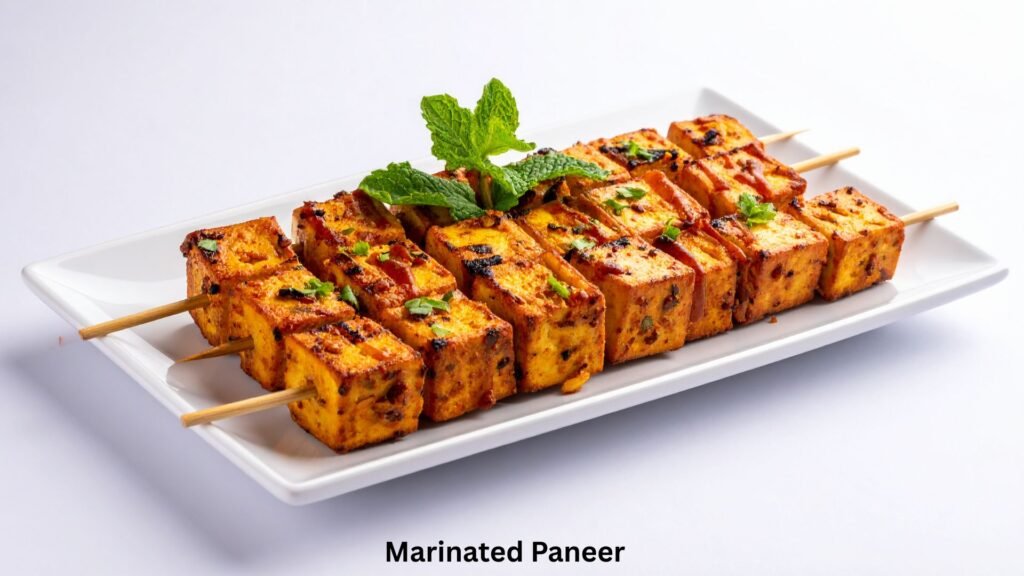
The Science of Marination: Why It Makes Indian Paneer and Vegetables Taste Better
I used to think marinating paneer for a tandoori tikka was just about coating it in yogurt and spices before it hit the pan. It
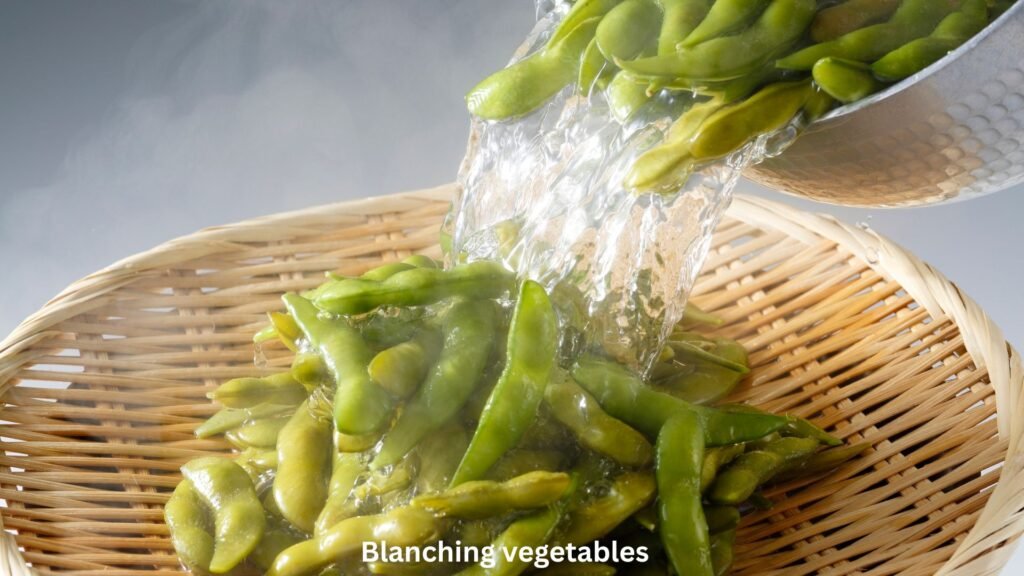
The Science of Blanching: Why Indian Cooks Parboil Vegetables Before Frying
I used to skip blanching my vegetables before frying because it felt like an unnecessary extra step, until I noticed my cauliflower always came out
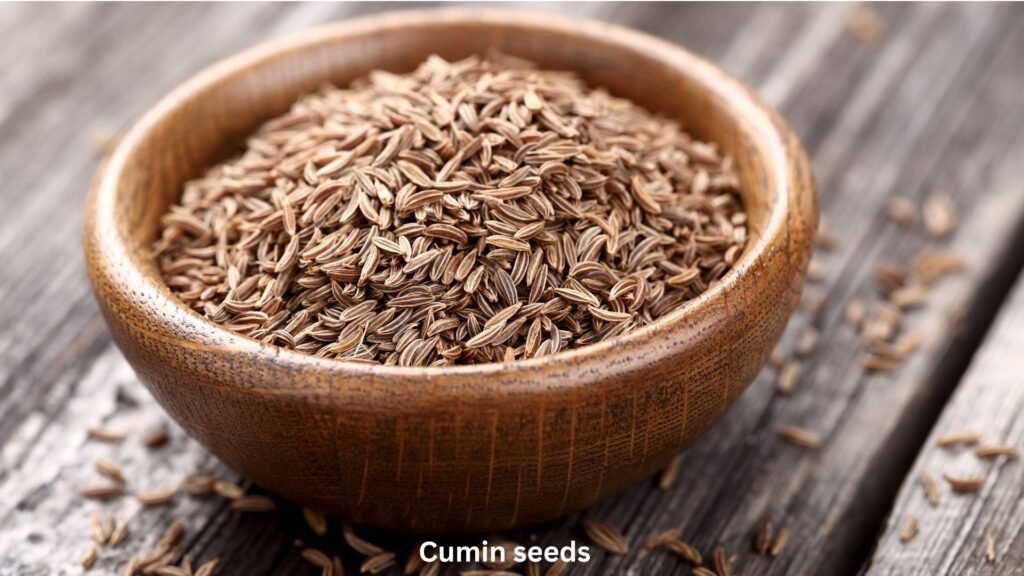
Health Benefits of Cumin (Jeera): India’s Everyday Digestive Spice
Every Indian kitchen has a jar of jeera within arm’s reach of the stove, mine sits right next to the salt, because half of what
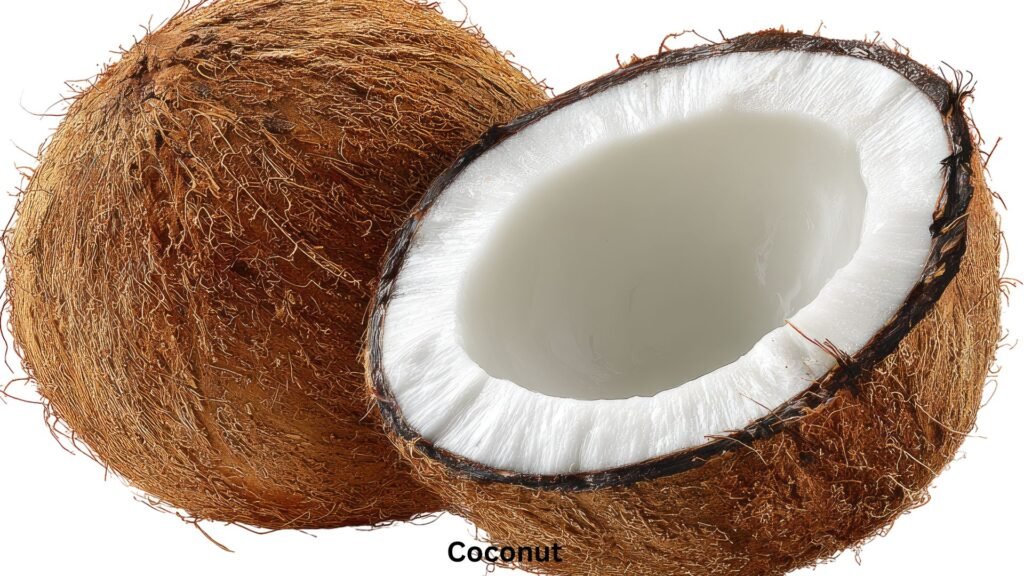
Health Benefits of Coconut: Kerala’s Onam Season Superfood
Every August, once the first coconut hits my kitchen counter for Onam cooking, I remember how much of my mother’s cooking depended on this one
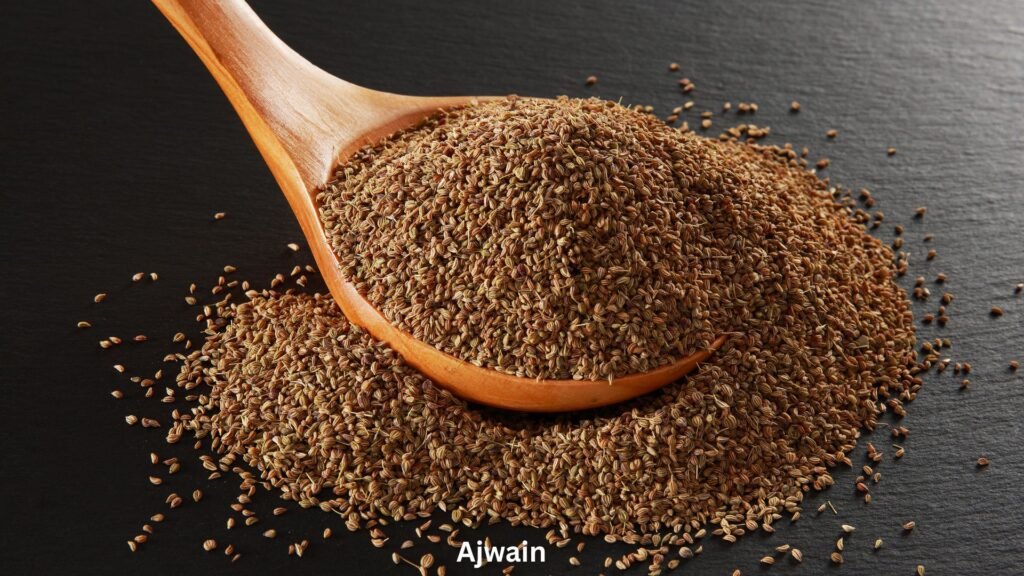
Health Benefits of Ajwain (Carom Seeds): India’s Digestive Powerhouse Spice
Every Indian household seems to have a small jar of ajwain tucked away for emergencies, the kind your mother reaches for the moment you complain
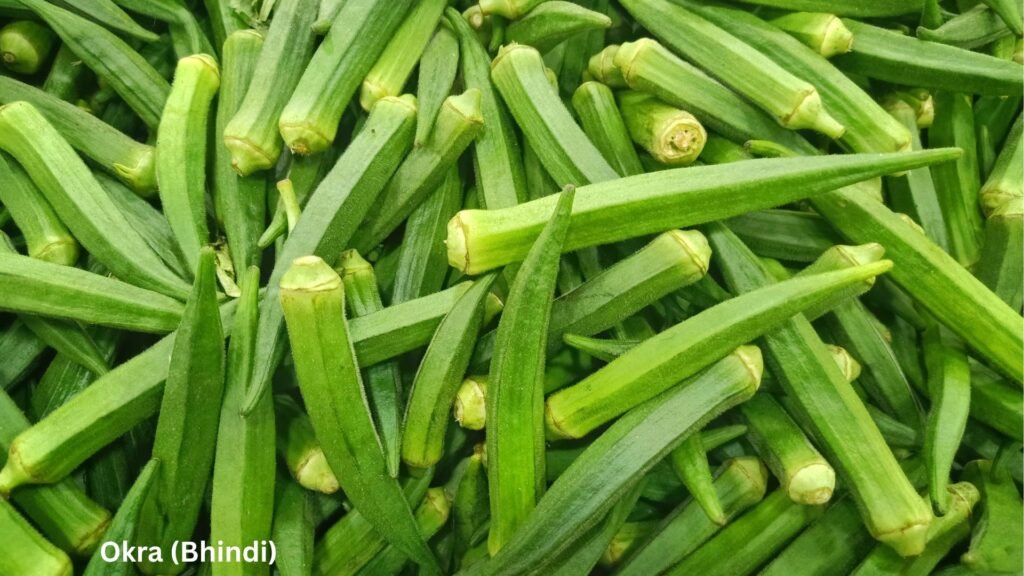
Health Benefits of Okra (Bhindi): India’s Humble Superfood Vegetable
Okra rarely gets the credit it deserves in Indian kitchens. It shows up quietly on the weekly sabzi rotation, gets called slimy more often than
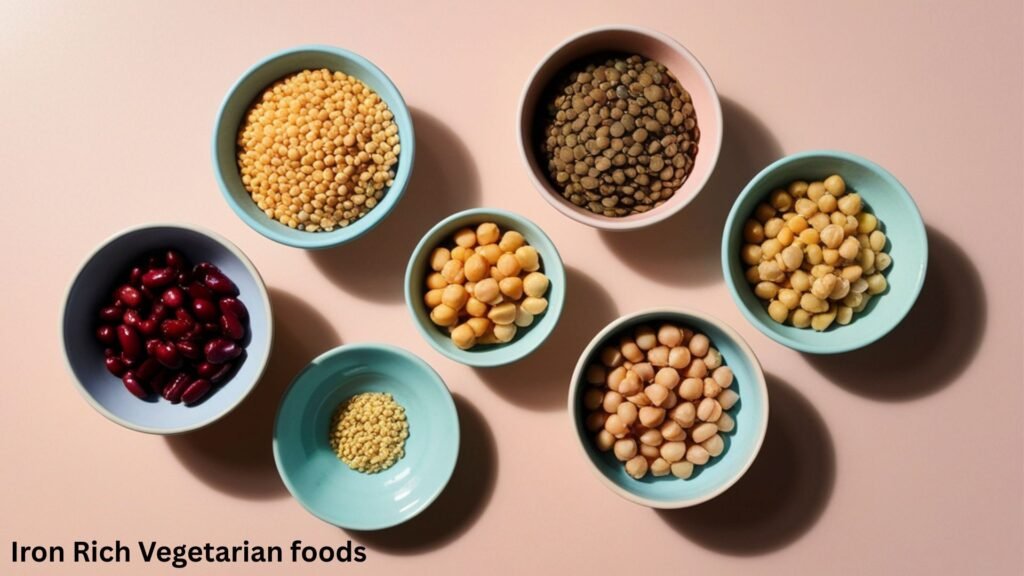
Iron-Rich Vegetarian Foods for an Indian Diet: Fighting Anemia Naturally
A routine blood test a couple of years ago told me my iron levels were lower than they should be, which surprised me because I
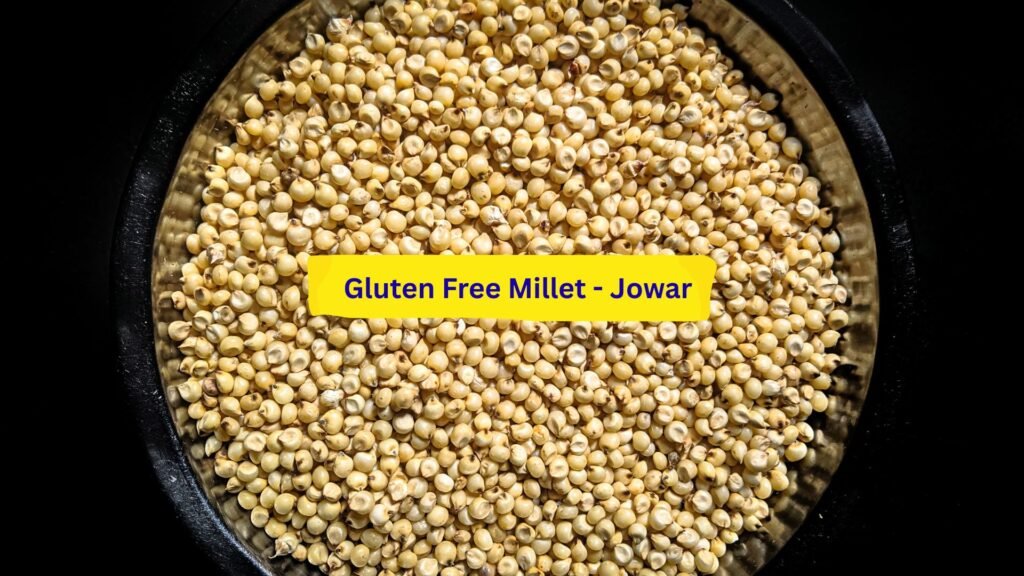
Health Benefits of Jowar (Sorghum): India’s Ancient Gluten-Free Millet
When my doctor suggested cutting back on wheat a few years ago, my grandmother’s answer was simple: go back to jowar roti, like everyone used

Why Ayurveda Says You Should Eat With Your Hands: The Science Behind an Old Habit
My grandfather never once used a spoon for his rice and dal, and as a kid I used to think it was just an old
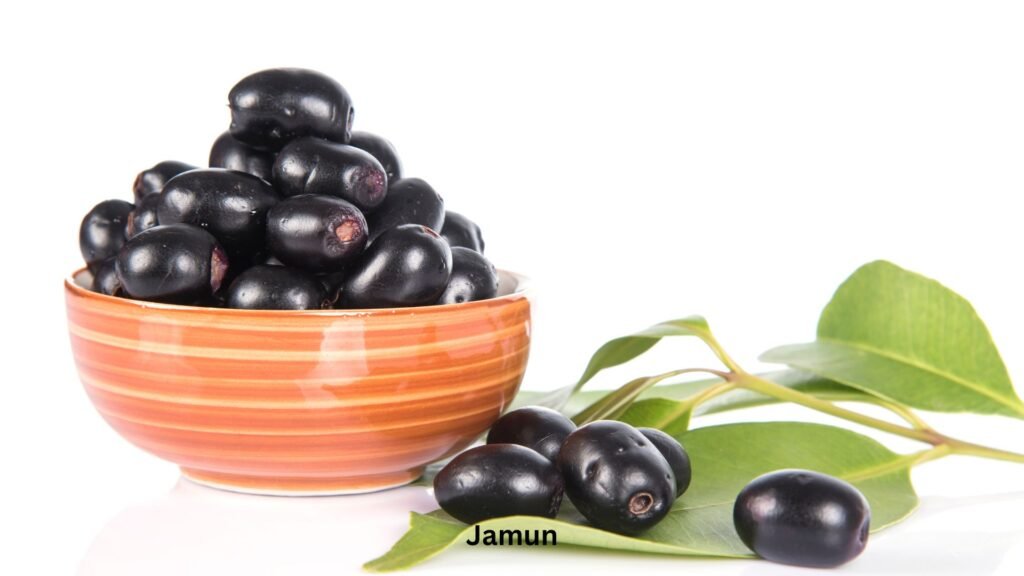
Health Benefits of Jamun (Indian Blackberry): Monsoon’s Blood-Sugar-Friendly Fruit
Every monsoon, the roadside near my house fills up with vendors selling small baskets of jamun, sprinkled with a little rock salt and chilli powder.
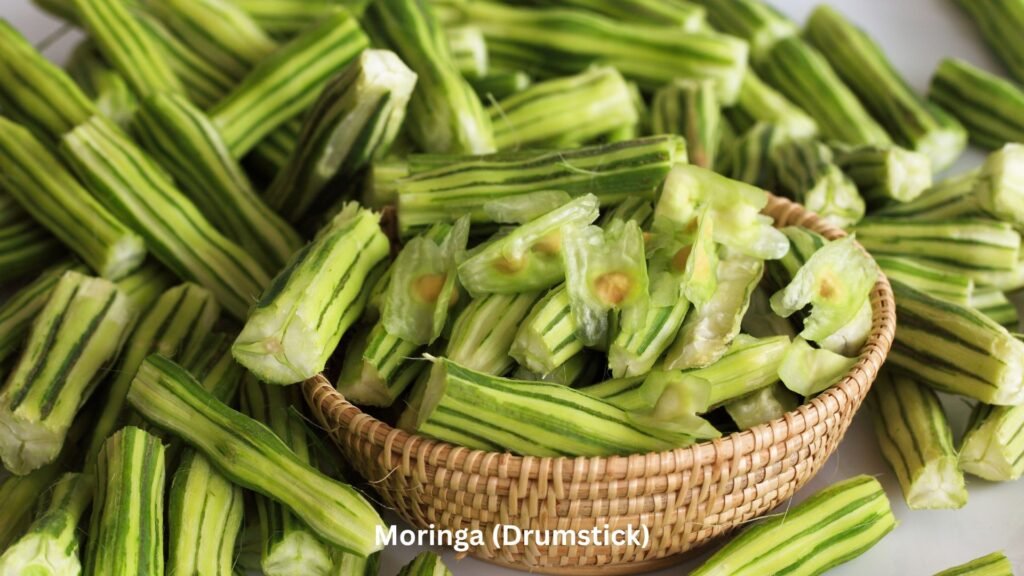
Health Benefits of Moringa (Drumstick/Sahjan): India’s Nutrient-Dense Superfood Tree
There’s a moringa tree in almost every second backyard I’ve visited in India, and for the longest time I barely paid attention to it beyond