Every August, once the first coconut hits my kitchen counter for Onam cooking, I remember how much of my mother’s cooking depended on this one ingredient, grated fresh into avial, pressed into milk for a curry, or roasted into a chutney for breakfast. Growing up outside Kerala, coconut was the one thing that instantly made a dish taste like home.
What Makes Coconut Special?
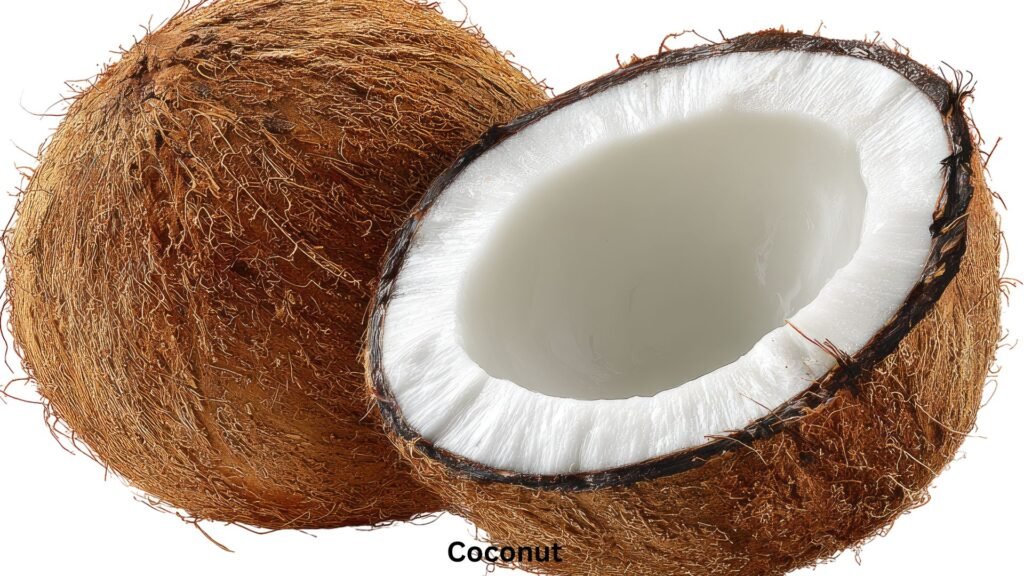
Coconut is the fruit of the coconut palm, and nearly every part of it finds its way into Indian cooking, the white flesh grated fresh or dried, the water inside sipped straight from the shell, and the oil pressed from the meat used for cooking and hair care alike. Unlike most fruits, coconut is high in fat rather than sugar, giving it a rich, creamy texture that Kerala cuisine leans on heavily, from thick curries to lightly sweetened payasams.
Where Coconut Fits in Indian Food Culture
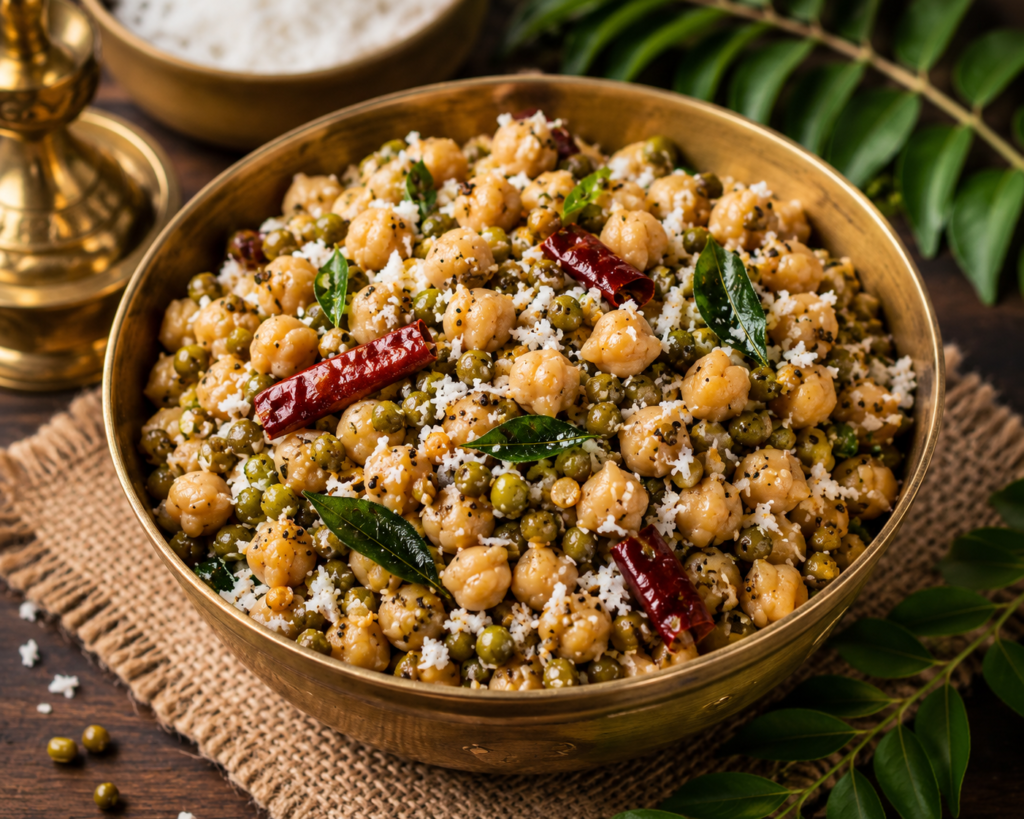
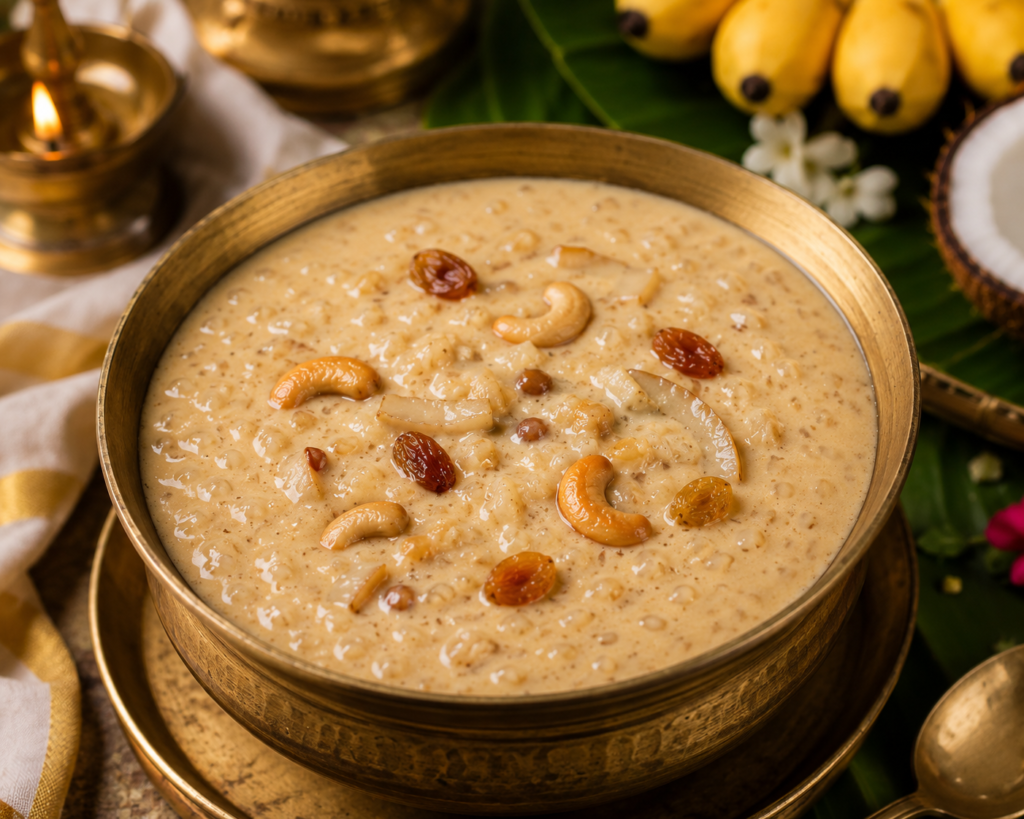
Coconut is central to the cuisines of Kerala, coastal Karnataka, Goa and Tamil Nadu, regions where coconut palms grow in abundance and shape both the land and the plate. During Onam, Kerala’s biggest harvest festival, coconut appears in nearly every dish of the sadya feast, ground into the pastes for avial and erissery, pressed for coconut milk in payasam, and shaved fine as a garnish over thoran. Beyond festivals, it is simply a daily kitchen staple, the base of everyday chutneys, curries and tempering across South India.
The Real Benefits
- Rich in medium-chain triglycerides (MCTs), a type of fat the body can use quickly for energy
- High in fibre, which supports digestion and gut health
- Contains manganese, copper and iron, useful minerals for metabolism and immunity
- Coconut water is naturally hydrating and a good source of potassium
- Coconut oil has natural antimicrobial properties from compounds like lauric acid
Tips for Using Coconut
- Use freshly grated coconut where possible, it has a lighter, sweeter flavour than desiccated coconut
- Add coconut milk toward the end of cooking a curry, prolonged high heat can cause it to split
- Store fresh grated coconut in the freezer in small batches so it’s always ready for a quick chutney
- Balance coconut-heavy dishes with lighter sides, since coconut is calorie-dense despite being nutritious
- Try coconut oil for tempering in South Indian dishes, it adds an authentic flavour you can’t get from other oils
Coconut earns its place as a Kerala kitchen staple honestly, it is hard to think of another ingredient that shows up in a savoury curry, a sweet payasam and a simple glass of hydrating water. Whether or not Onam is on your calendar, keeping a little fresh or frozen coconut on hand is an easy way to bring some of that South Indian warmth into your everyday cooking.