
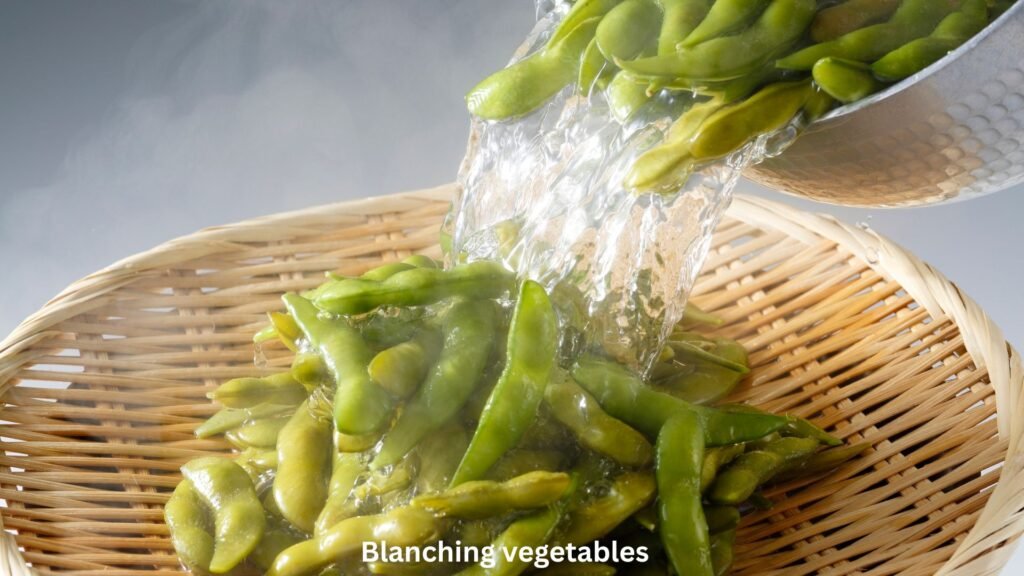
I used to skip blanching my vegetables before frying because it felt like an unnecessary extra step, until I noticed my cauliflower always came out either raw in the middle or burnt on the outside. The day I started parboiling first, my pakoras and dry sabzis suddenly cooked evenly, and I never went back.
What is Blanching?
Blanching is a quick cooking technique where vegetables are briefly boiled in hot water, usually for one to three minutes, then either used immediately or plunged into cold water to stop the cooking. Parboiling is a close cousin of blanching, it also involves partially cooking a vegetable in boiling water first, but without the ice-bath step, so the vegetable stays slightly warm and ready to go straight into the pan. Indian kitchens use both techniques constantly, especially before frying, stir-frying or roasting vegetables like cauliflower, potato or beans.
Why Indian Cooks Use It
In Indian cooking, many popular dishes need a vegetable to be both fully cooked through and lightly browned or crisp on the outside, think aloo gobi, crispy bhindi or pakoras, and that combination is hard to achieve by frying alone. If you fry a raw, dense vegetable straight in a hot pan, the outside browns and even burns before the inside is properly cooked, but a quick parboil solves this by softening the vegetable first, so the frying step only needs to add colour, crunch and flavour rather than fully cook the whole piece. This is why so many classic Indian sabzi recipes have a step where you boil or steam the vegetable partially before it ever touches the tadka pan.
The Real Benefits
- Ensures vegetables cook evenly instead of burning outside while staying raw inside
- Deactivates enzymes that cause colour and nutrient loss, so vegetables stay vibrant
- Reduces overall frying time, which means less oil absorption
- Helps remove excess starch from vegetables like potatoes, giving a crisper final texture
- Makes it easier to peel or handle certain vegetables, like tomatoes for peeling
How To Blanch or Parboil at Home
- Bring a pot of water to a rolling boil and add a pinch of salt before adding your vegetables
- Cook just until the vegetable turns slightly tender but still holds its shape, usually 1 to 3 minutes depending on the vegetable
- For blanching, transfer immediately to a bowl of ice water to stop the cooking and lock in colour
- For parboiling before frying, simply drain well and pat dry so the vegetable doesn’t spatter in hot oil
- Always drain thoroughly, excess water is the main reason parboiled vegetables spatter or turn soggy when fried
Blanching and parboiling might feel like an extra step when you are already juggling a full meal, but they are one of the simplest ways to get restaurant-style texture at home. Once you build the habit into your usual sabzi routine, dishes like aloo gobi and crispy bhindi come out noticeably better with barely any extra effort.
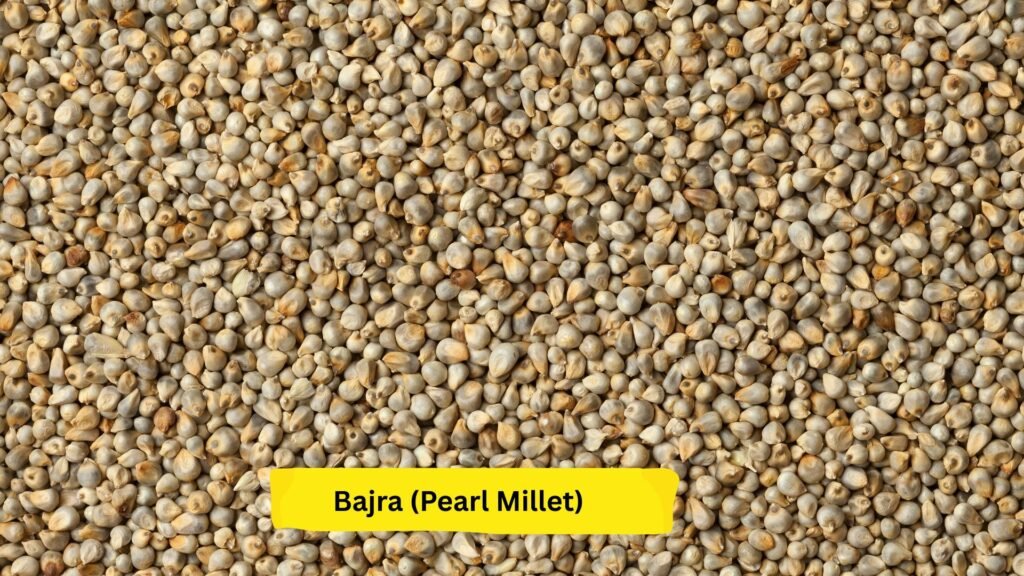
Health Benefits of Bajra (Pearl Millet): India’s Iron-Rich Winter Grain
What is Bajra? Bajra, known in English as pearl millet, is one of the oldest cultivated grains in India. It’s a small, round millet that’s
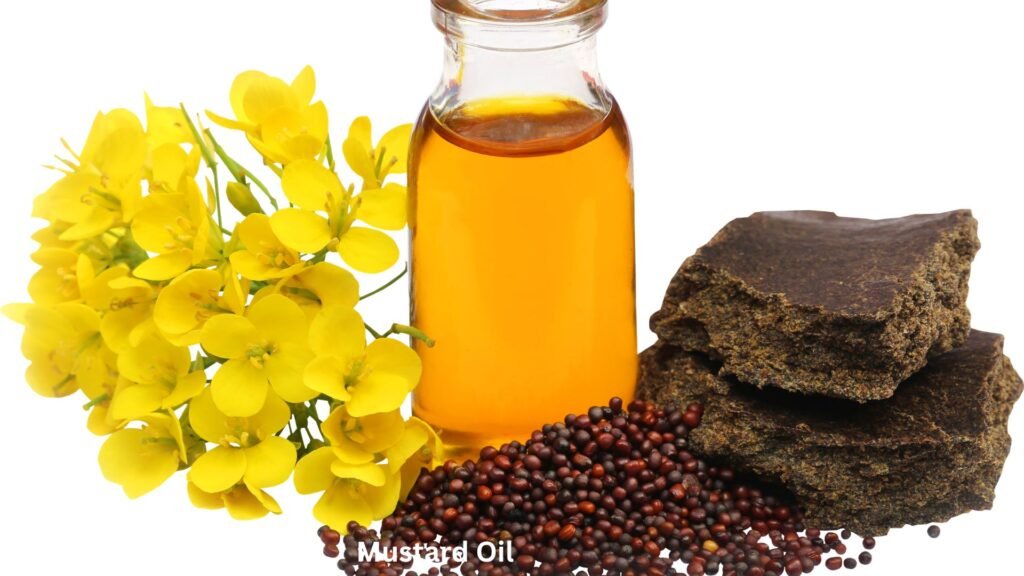
Health Benefits of Mustard Oil (Sarson ka Tel): India’s Traditional Cooking Fat
My mother still keeps two bottles of oil next to the stove, one refined and one mustard, and she reaches for the mustard one whenever
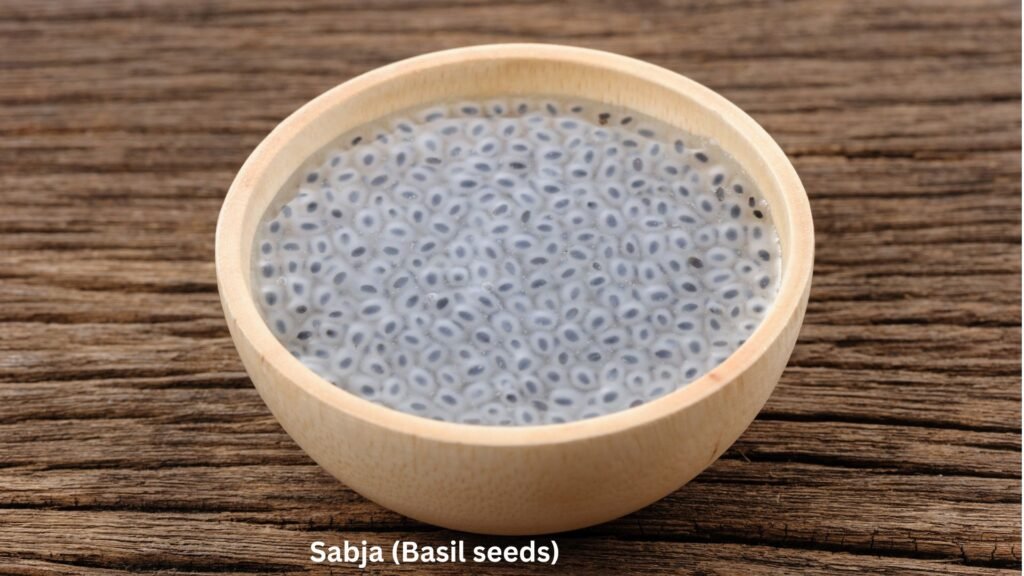
Health Benefits of Sabja (Basil) Seeds: India’s Cooling Monsoon Superseed
The first time I saw sabja seeds, I thought someone had dropped fish eggs into my falooda. My aunt laughed and told me they were
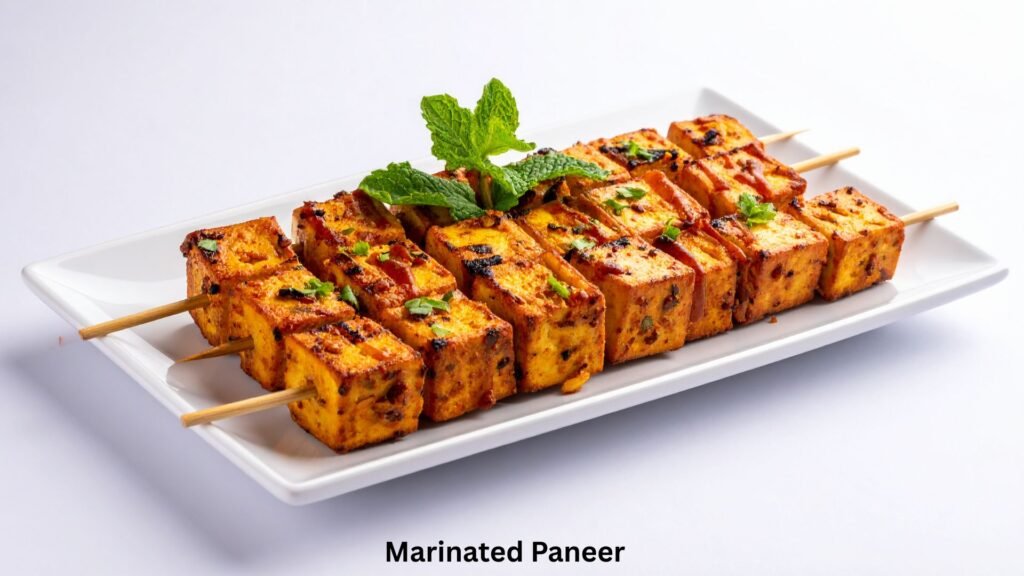
The Science of Marination: Why It Makes Indian Paneer and Vegetables Taste Better
I used to think marinating paneer for a tandoori tikka was just about coating it in yogurt and spices before it hit the pan. It
The Science of Blanching: Why Indian Cooks Parboil Vegetables Before Frying
I used to skip blanching my vegetables before frying because it felt like an unnecessary extra step, until I noticed my cauliflower always came out
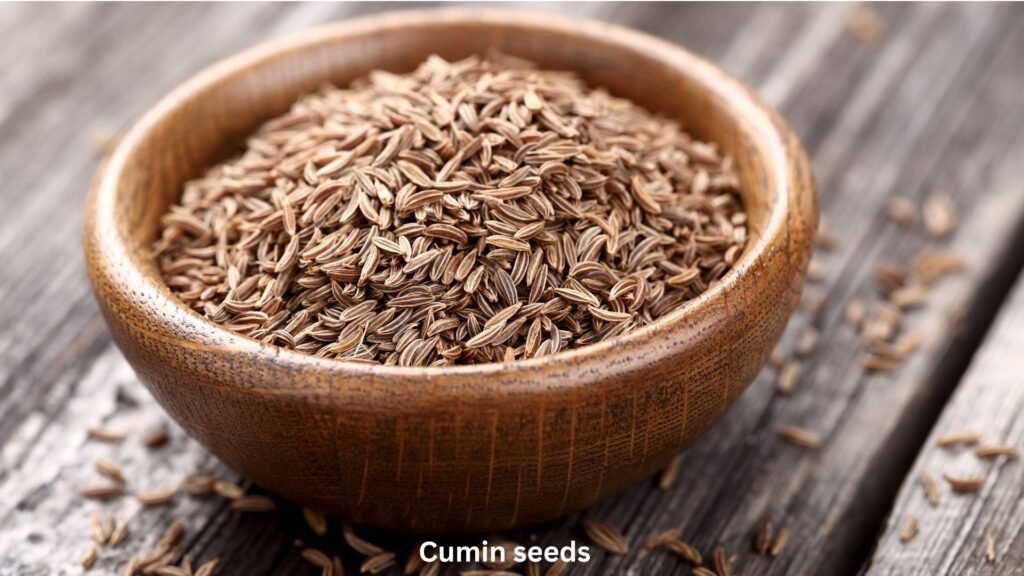
Health Benefits of Cumin (Jeera): India’s Everyday Digestive Spice
Every Indian kitchen has a jar of jeera within arm’s reach of the stove, mine sits right next to the salt, because half of what
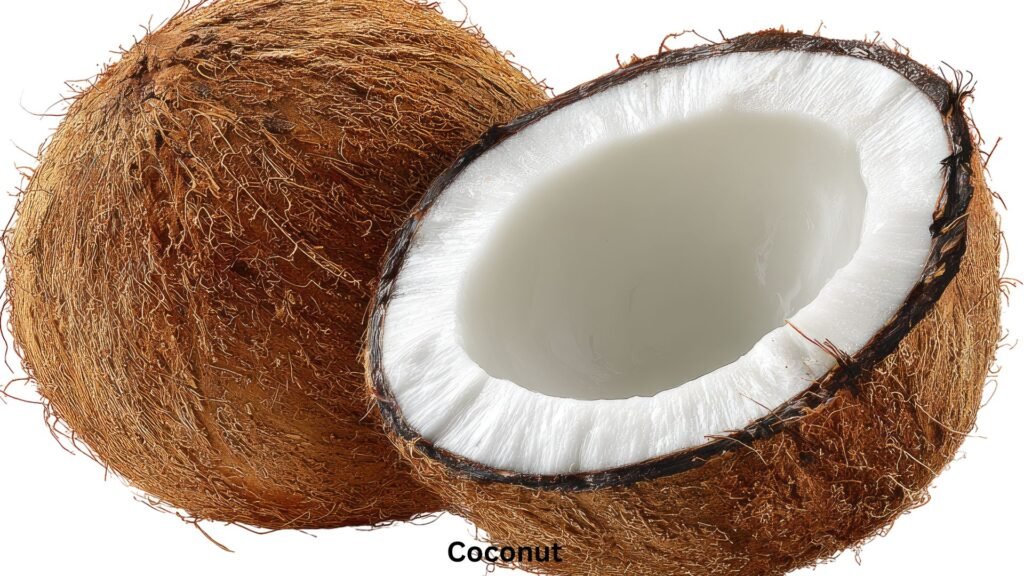
Health Benefits of Coconut: Kerala’s Onam Season Superfood
Every August, once the first coconut hits my kitchen counter for Onam cooking, I remember how much of my mother’s cooking depended on this one
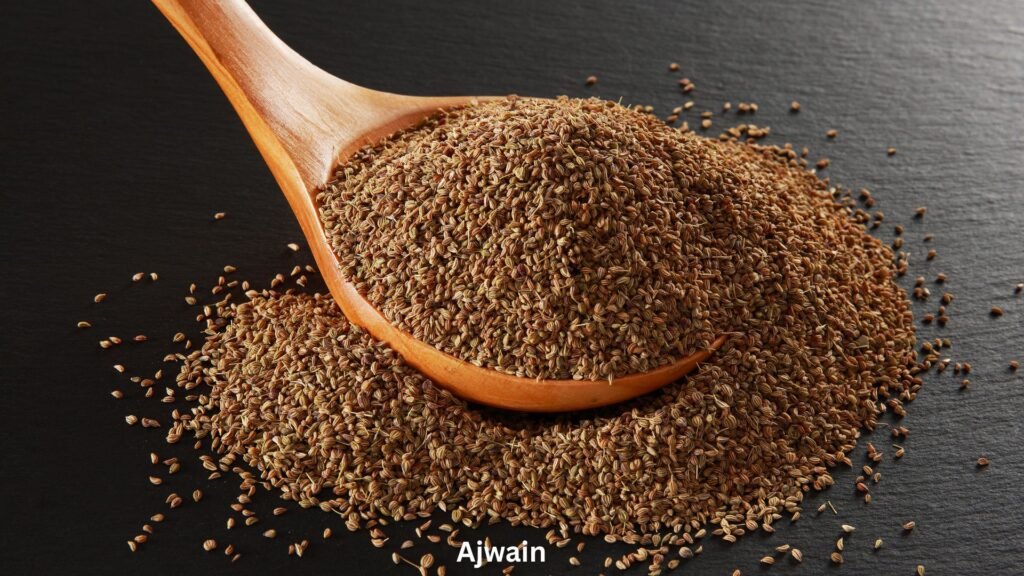
Health Benefits of Ajwain (Carom Seeds): India’s Digestive Powerhouse Spice
Every Indian household seems to have a small jar of ajwain tucked away for emergencies, the kind your mother reaches for the moment you complain
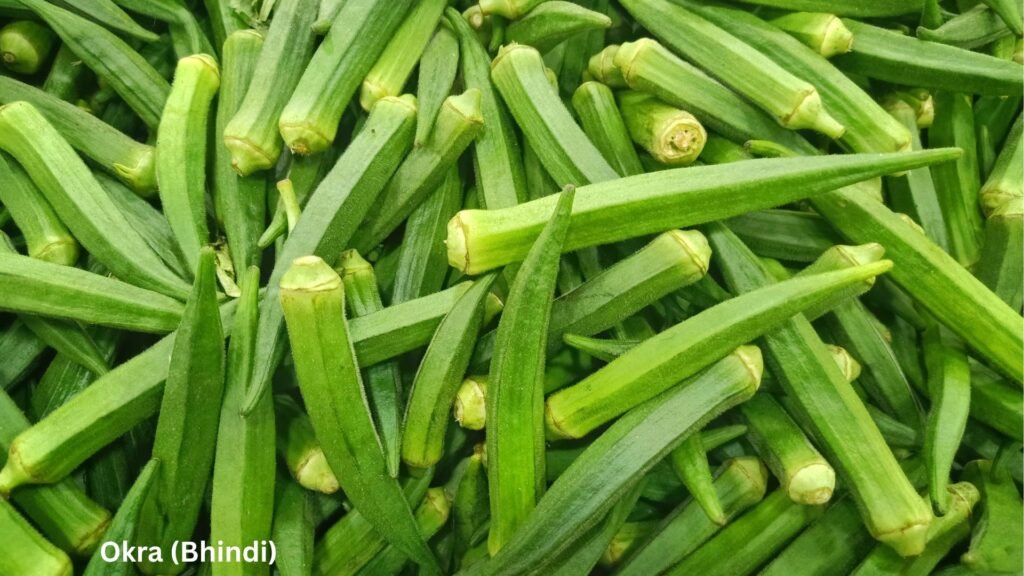
Health Benefits of Okra (Bhindi): India’s Humble Superfood Vegetable
Okra rarely gets the credit it deserves in Indian kitchens. It shows up quietly on the weekly sabzi rotation, gets called slimy more often than
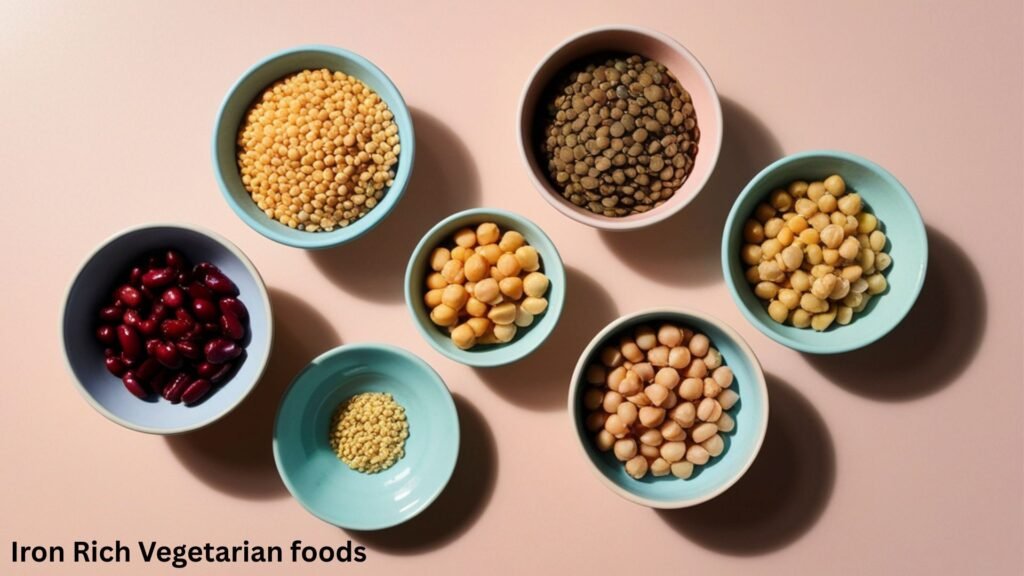
Iron-Rich Vegetarian Foods for an Indian Diet: Fighting Anemia Naturally
A routine blood test a couple of years ago told me my iron levels were lower than they should be, which surprised me because I
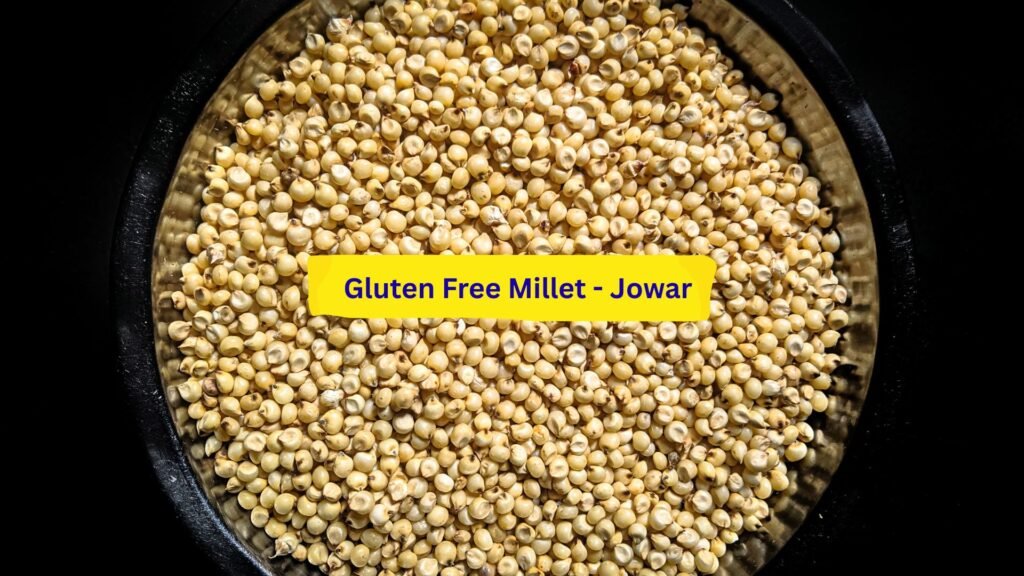
Health Benefits of Jowar (Sorghum): India’s Ancient Gluten-Free Millet
When my doctor suggested cutting back on wheat a few years ago, my grandmother’s answer was simple: go back to jowar roti, like everyone used

Why Ayurveda Says You Should Eat With Your Hands: The Science Behind an Old Habit
My grandfather never once used a spoon for his rice and dal, and as a kid I used to think it was just an old
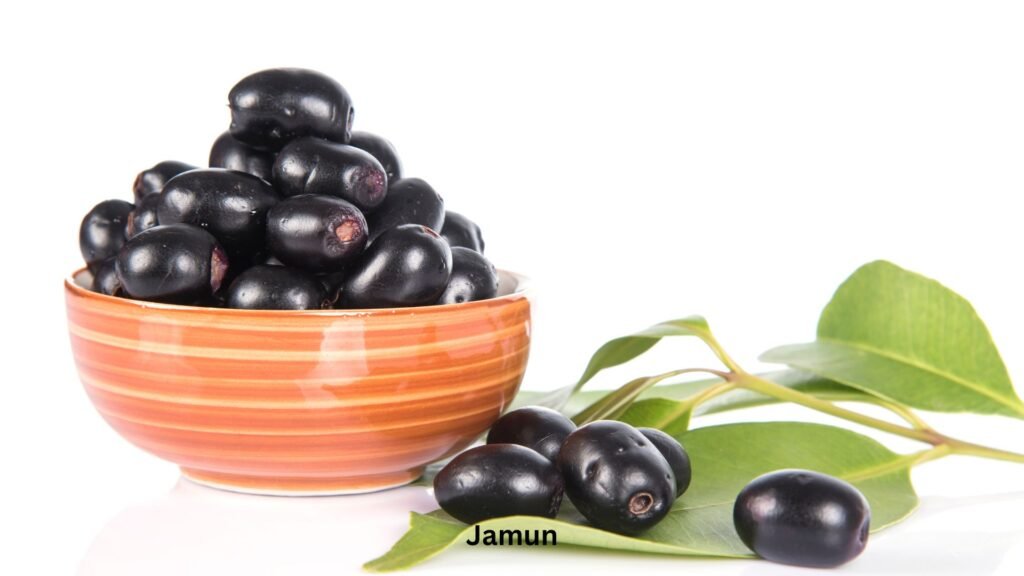
Health Benefits of Jamun (Indian Blackberry): Monsoon’s Blood-Sugar-Friendly Fruit
Every monsoon, the roadside near my house fills up with vendors selling small baskets of jamun, sprinkled with a little rock salt and chilli powder.
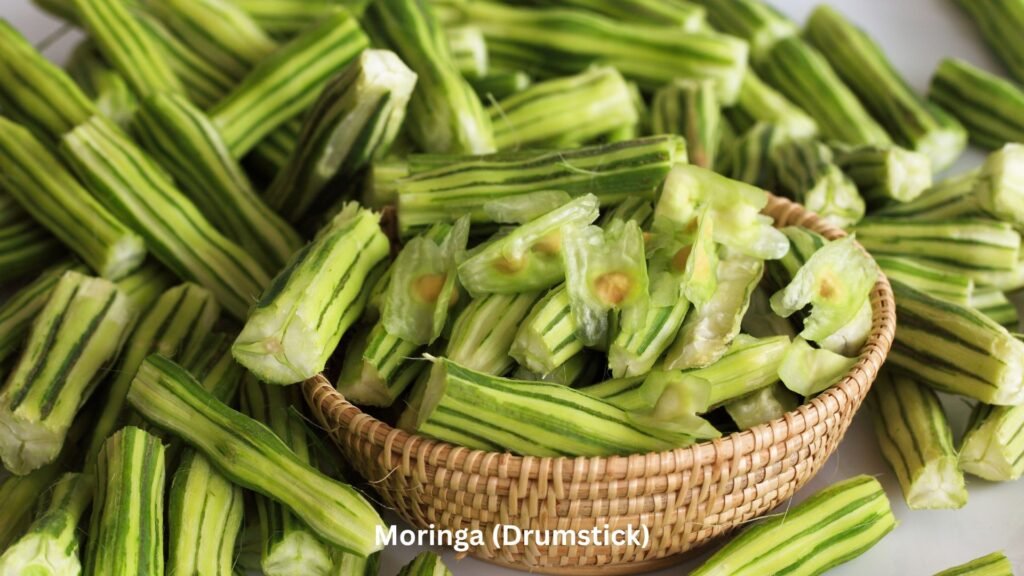
Health Benefits of Moringa (Drumstick/Sahjan): India’s Nutrient-Dense Superfood Tree
There’s a moringa tree in almost every second backyard I’ve visited in India, and for the longest time I barely paid attention to it beyond