Karela is the vegetable everyone in an Indian household has strong opinions about. Kids run from it, elders swear by it. Despite of it’s reputation it is a vegetable that’s actually doing a lot of quiet good for your body. I avoided it for years myself, I somehow never could get used to the bitterness in karela, until a doctor’s suggestion for better blood sugar control sent me looking for ways to actually enjoy it. Turns out, once you know how to cook it right, karela is far less bitter an experience than its reputation suggests. It’s healthy and if made right it’s tasty too.
What is Karela?
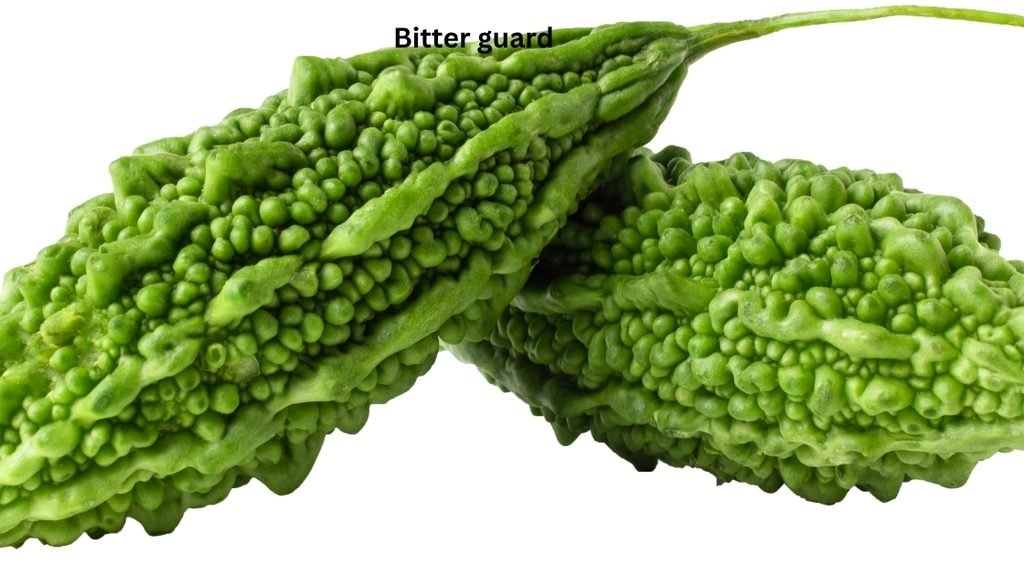
Karela, known in English as bitter gourd or bitter melon, is a warty, oblong green vegetable always available in Indian kitchens for both its distinct bitterness and its long list of traditional health uses. It belongs to the same family as cucumbers and gourds, but its bitterness comes from compounds called cucurbitacins and momordicin, which are also linked to many of its health benefits. Despite being an acquired taste, it shows up in dishes across almost every Indian region, from stir-fries to stuffed preparations to karela juice.
Where Karela Fits in Indian Food Culture
Karela has been used in Ayurveda for centuries as a natural remedy to support digestion and balance blood sugar, long before modern science began studying it. It’s especially popular in North Indian and Maharashtrian households as a summer vegetable, often paired with onions, besan, or stuffed with a tangy masala to offset its bitterness. Many families treat karela juice as an early-morning ritual, taken on an empty stomach for its believed cleansing and blood-sugar benefits. It did help control my dad’s blood sugar levels.
The Real Benefits
- Bitter gourd contains compounds like charantin and polypeptide-p, which studies suggest help lower blood glucose levels, making it a popular food for people managing diabetes
- It’s very low in calories and high in fiber, which supports digestion and helps with weight management
- Karela is a good source of vitamin C, which supports immunity and skin health
- It has traditionally been used to support liver health and may help with detoxification processes
- The vegetable’s high water content and nutrient density make it a light addition to summer meals
How to Reduce the Bitterness (and Cook It Well)
- Add salt in the sliced karela and let it sit for 15-20 minutes, then squeeze out the released liquid before cooking. It helps reduce the bitterness in karela
- Make karela with jaggery, onions, or besan as these help with balancing the test
- Deep-frying or stuffing karela with a spiced masala mellows the bitterness considerably compared to eating it plain
- You can also club it with Potato and make a dry curry by stir frying it
- Avoid overcooking as it can intensify the bitter flavor; a quick stir-fry on medium heat works best
- If you’re drinking karela juice, You can mix it with lemon or amla juice to make it easier to drink
Karela may never win a popularity contest at the dinner table, but a little technique goes a long way toward making it genuinely enjoyable. It’s good for your blood sugar and digestion. You can start with small quantities a couple of times a week and let it earn its place in your regular rotation rather than forcing it all at once.
This information is for general awareness and isn’t a substitute for medical advice. Anyone on diabetes medication should consult their doctor before making karela a regular part of their diet, since it can affect blood sugar levels significantly.