What is Cinnamon?
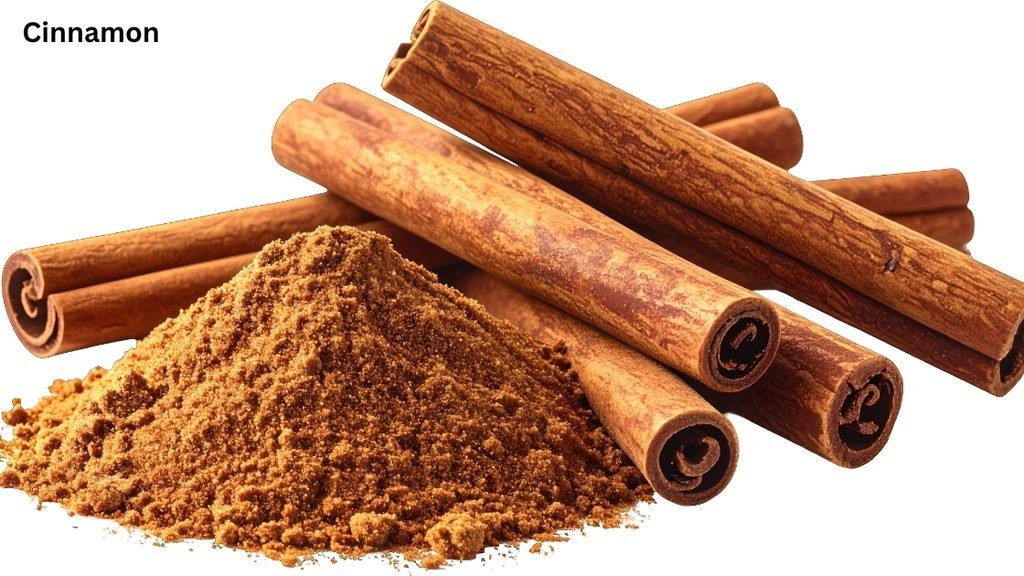
Cinnamon, known as dalchini in Hindi is a spice made from the inner bark of trees belonging to the Cinnamomum genus. It is harvested and dried into the curled sticks or quills. We recognize or ground into a fine powder. India primarily uses “cassia” cinnamon, which has a stronger, spicier flavor and a thicker, harder bark compared to the more delicate “true” Ceylon cinnamon grown in Sri Lanka. Its warm, sweet aroma comes largely from a compound called cinnamaldehyde which is also behind many of its health-supporting properties.
Where Cinnamon Fits in Indian Food Culture
Cinnamon is a foundational spice in Indian cooking, forming part of whole-spice blends like garam masala and appearing in everything from biryani and pulao to festive sweets like kheer and halwa. In Ayurveda, dalchini is considered a warming spice. It is traditionally used to support digestion and ease cold-weather discomforts like cough and congestion. It’s especially prominent in winter cooking and in spiced teas like masala chai where its natural sweetness allows for a little less sugar without losing flavor.
The Real Benefits
- Cinnamaldehyde, cinnamon’s key active compound has notable antioxidant and anti-inflammatory properties that may help protect cells from everyday oxidative stress
- Several studies suggest cinnamon can help improve insulin sensitivity and support healthier blood sugar levels, particularly when consumed regularly with meals
- It has natural antibacterial and antifungal properties which is part of why it has traditionally been used in remedies for colds and sore throats
- Cinnamon may support heart health by helping to moderate cholesterol and triglyceride levels in some studies
- Its warming nature is often described in Ayurveda as supporting digestion and reducing bloating after heavy or rich meals
How to Use Cinnamon Every Day
- Simmer a small piece of cinnamon stick in your daily chai or morning tea for natural warmth and sweetness without added sugar
- Add a pinch of cinnamon powder to your oats, dalia or smoothie for a subtle, comforting flavor boost
- Stir cinnamon into warm milk before bed as a simple, calming Ayurvedic-style drink
- Use whole cinnamon sticks in pulao, biryani, and dal tadka for a fragrant, layered base flavor
- Sprinkle a little on roasted sweet potatoes or fruit for a naturally sweet, spiced finish without extra sugar
Tips for Getting the Most Out of Cinnamon
Buy cinnamon sticks (quills) rather than pre-ground powder when possible because the whole sticks retain their essential oils and flavor far longer. Store cinnamon in an airtight container away from heat and light and try to use ground cinnamon within about six months for the best potency. If you’re using cinnamon regularly for its blood sugar benefits, Ceylon cinnamon is generally considered the gentler choice for daily use. Cassia cinnamon contains higher levels of coumarin, a compound best kept in moderation.
Things to Keep in Mind
Cinnamon is completely safe in the everyday amounts used in cooking and tea, but the cassia variety commonly sold in India contains coumarin which in very large or concentrated doses over long periods has been linked to liver concerns in some studies. This is a consideration mainly for people taking concentrated cinnamon supplements rather than those enjoying it in food and drink. but it’s worth being mindful of if you or a family member has liver issues. As always, food-level amounts are where cinnamon shines best.
Dalchini is proof that some of the most comforting things in our kitchens are also quietly doing good work for our bodies. Whether it’s a stick steeping in your evening chai or a sprinkle over your morning oats, this everyday spice deserves the small amount of extra attention we usually only give it once winter arrives.