Every Indian household seems to have a small jar of ajwain tucked away for emergencies, the kind your mother reaches for the moment you complain of a bloated stomach after a heavy meal. That instinct isn’t superstition; it’s generations of kitchen wisdom backed by real science.
What is Ajwain?
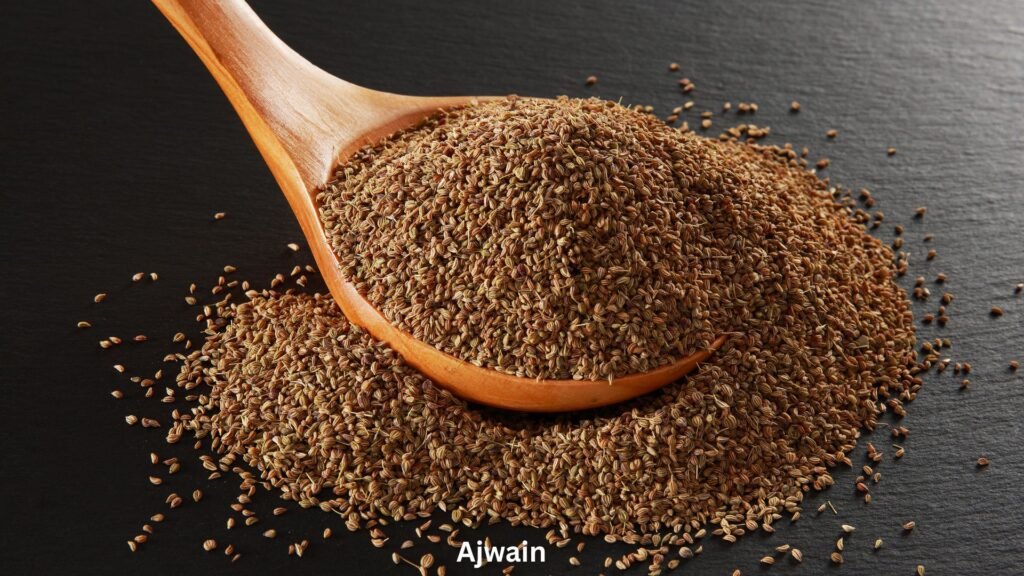
Ajwain, also known as carom seeds or ajwan, is a small, oval, ridged seed with a sharp, slightly bitter flavour similar to thyme, thanks to a compound called thymol. It’s used both as a whole spice tempered in hot oil and as a home remedy, often chewed raw with a pinch of salt or steeped into a warm tea after meals. A little ajwain goes a long way, since its flavour is far more intense than its tiny size suggests.
Where Ajwain Fits in Indian Kitchen Culture
Ajwain is a staple across Indian regional cooking, appearing in North Indian parathas and puris, Gujarati theplas, and as a tempering spice in dals and vegetable curries throughout the country. Beyond the kitchen, it holds a strong place in Ayurveda, where it’s classified as a Deepan-Pachan herb, meaning it’s believed to kindle digestive fire and support healthy metabolism. This dual role, as both a flavouring agent and a home remedy, is why nearly every Indian kitchen keeps it close at hand.
The Real Benefits
- Ajwain stimulates the secretion of digestive enzymes, which can help ease indigestion after a heavy meal.
- Its active compound, thymol, may help relax gastrointestinal muscles, easing bloating and gas.
- It’s traditionally used to support respiratory comfort, often in warm water or tea during cold weather.
- Ajwain contains fibre, calcium, phosphorus and iron in small but meaningful amounts.
- In Ayurveda, its warming nature is considered helpful for balancing Vata and Kapha doshas.
How To Use Ajwain at Home
- Temper a pinch of ajwain in hot ghee or oil at the start of cooking dals and vegetable curries for both flavour and digestibility.
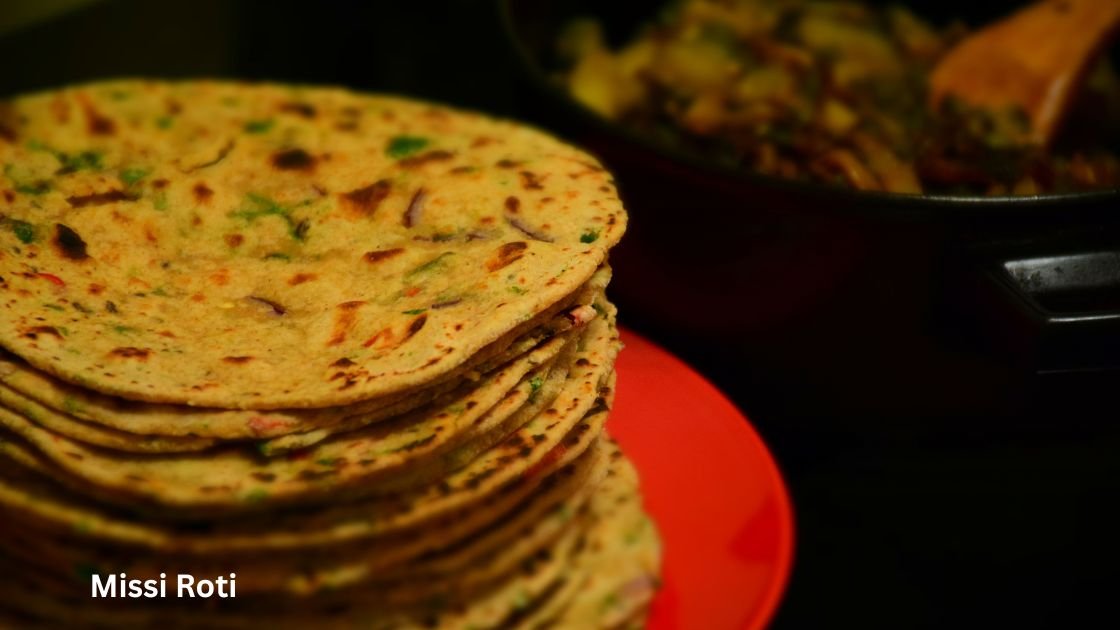
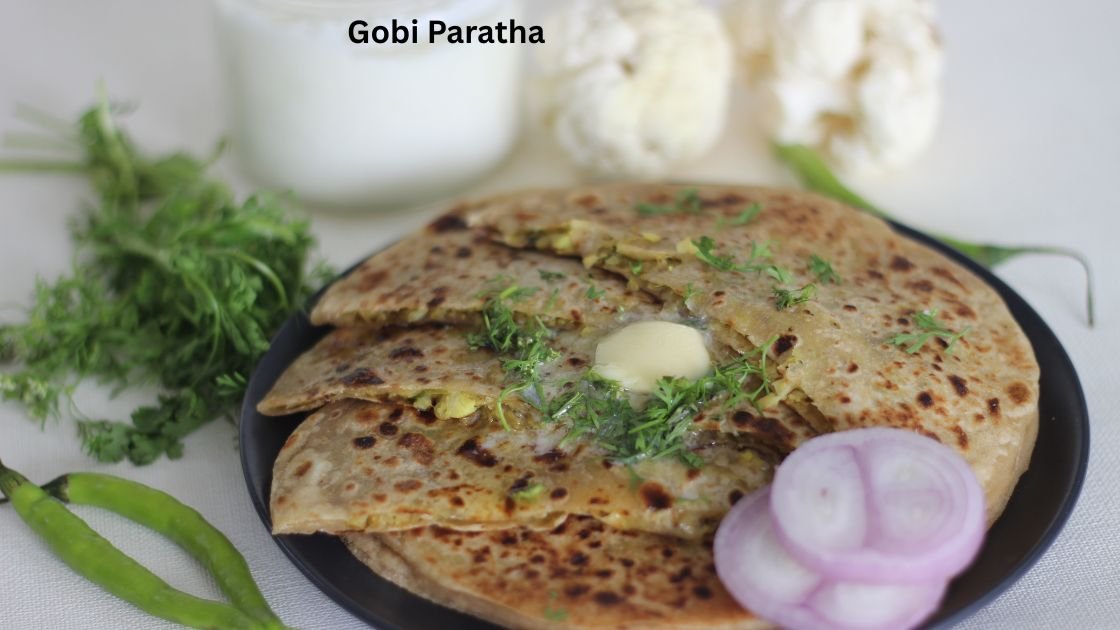
- Add it to the dough when making parathas, puris or theplas for a subtle, savoury bite.
- Steep half a teaspoon of ajwain in hot water after a heavy meal as a simple digestive tea.
- Chew a pinch of roasted ajwain with a little rock salt if you’re feeling bloated or gassy.
- Store it in an airtight jar away from sunlight to preserve its essential oils and aroma.
Ajwain is proof that some of the best remedies were sitting in the spice box all along. A pinch here and there, especially after a rich meal, is a small habit with genuinely useful benefits.


Why Cooking in an Iron Kadai Can Help : The Science of Iron Cookware
Why Iron Cookware Matters Cooking food in a cast iron kadai or pan causes small amounts of iron to leach into the food, particularly when

Diabetes-Friendly Indian Vegetarian Foods: A Practical Everyday Guide
Every Indian household has that one relative who was told by the doctor to “cut down on sugar and rice” and suddenly panicked about what’s

The Science of Sour: How Tamarind, Kokum and Amchur Balance Every Indian Dish
Ask any home cook what makes a sambar taste right, or a kokum curry from the Konkan coast sing, and they’ll usually point to one

The Science of Food Combining in Ayurveda (Viruddha Ahara): Why Some Combinations Upset Your Stomach
What is Viruddha Ahara? Viruddha ahara literally translates to “incompatible food” in Ayurveda. It refers to combinations of foods that, when eaten together, are believed

Navratri Vrat Diet Guide: What to Eat and Avoid During the Nine-Day Fast
Every year around Navratri, Most of Indian family kitchens quietly transform: no onion, no garlic, no regular wheat flour, and suddenly sabudana and singhara atta

Health Benefits of Sesame Seeds (Til): India’s Winter-Warming Superseed
Walk into any Indian kitchen in the weeks leading up to Makar Sankranti and you’ll find a tin of til quietly waiting to be turned

Health Benefits of Garlic (Lehsun): India’s Everyday Immunity Spice
Walk into almost any Indian kitchen at dinnertime and you’ll catch that first unmistakable sizzle of garlic hitting hot oil. It’s such a routine sound

The Science of Resting Roti Dough: Why It Makes Softer Flatbreads
Every Indian home cook has heard some version of “rest the dough before rolling,” usually passed down without much explanation. It sounds like a small

Health Benefits of Ginger (Adrak): India’s Everyday Immunity Spice
Almost every Indian kitchen has a knob of ginger sitting on the counter, ready to be grated into chai the moment someone sneezes. It’s one

Health Benefits of Asafoetida (Hing): India’s Pungent Digestive Spice
A tiny pinch of hing dropped into hot ghee before it hits the dal is one of those small kitchen rituals that instantly signals “this

Health Benefits of Bajra (Pearl Millet): India’s Iron-Rich Winter Grain
What is Bajra? Bajra, known in English as pearl millet, is one of the oldest cultivated grains in India. It’s a small, round millet that’s

Health Benefits of Mustard Oil (Sarson ka Tel): India’s Traditional Cooking Fat
My mother still keeps two bottles of oil next to the stove, one refined and one mustard, and she reaches for the mustard one whenever

Health Benefits of Sabja (Basil) Seeds: India’s Cooling Monsoon Superseed
The first time I saw sabja seeds, I thought someone had dropped fish eggs into my falooda. My aunt laughed and told me they were

The Science of Marination: Why It Makes Indian Paneer and Vegetables Taste Better
I used to think marinating paneer for a tandoori tikka was just about coating it in yogurt and spices before it hit the pan. It