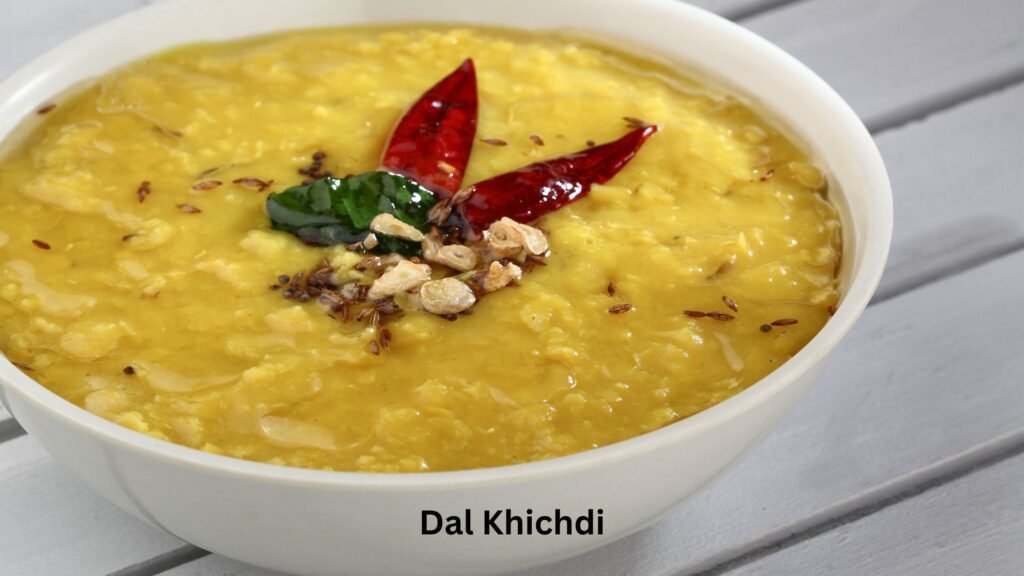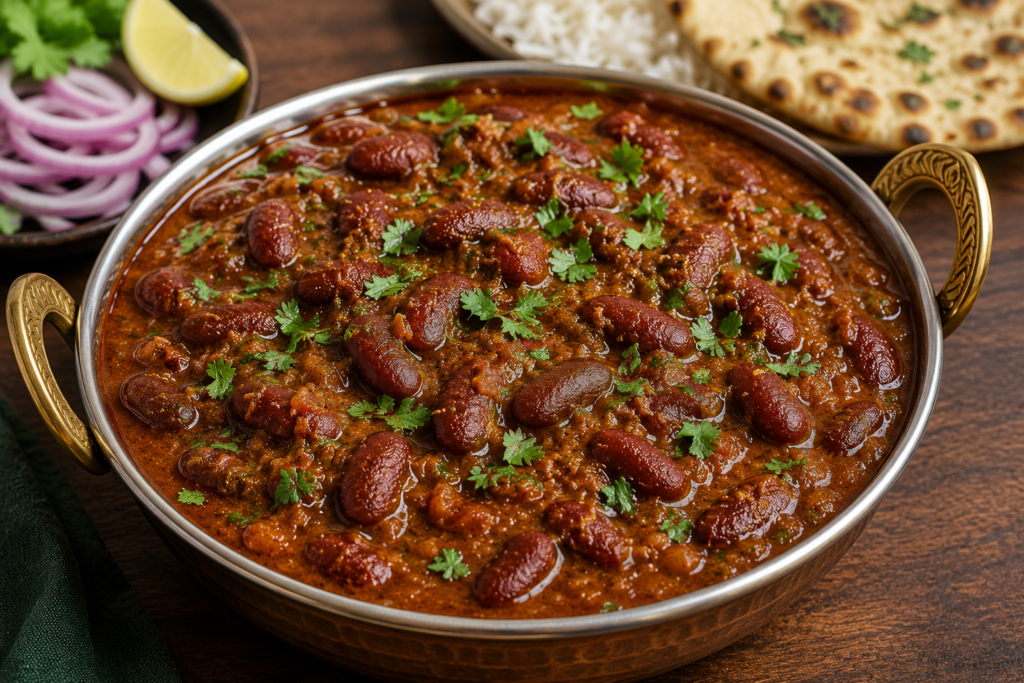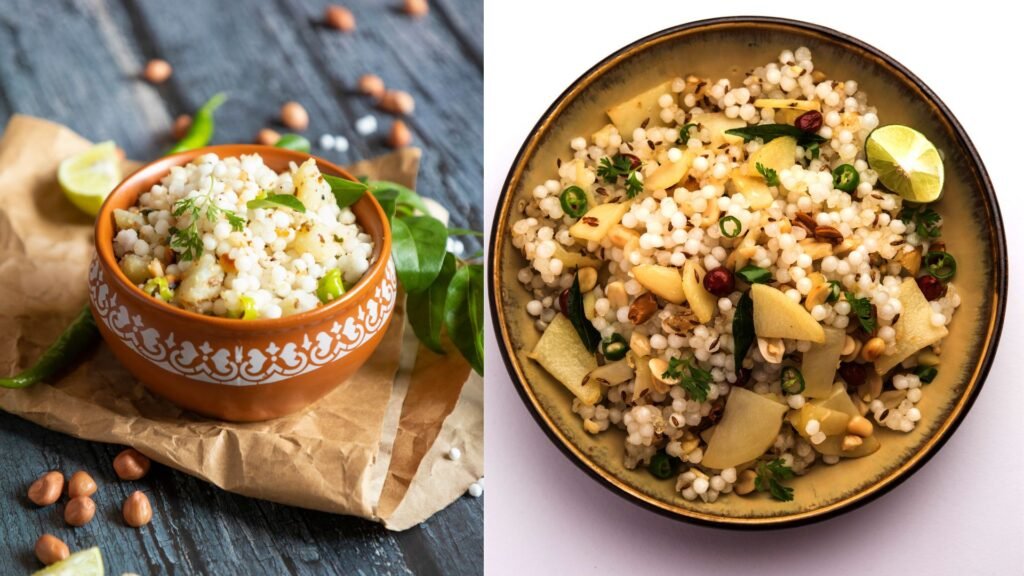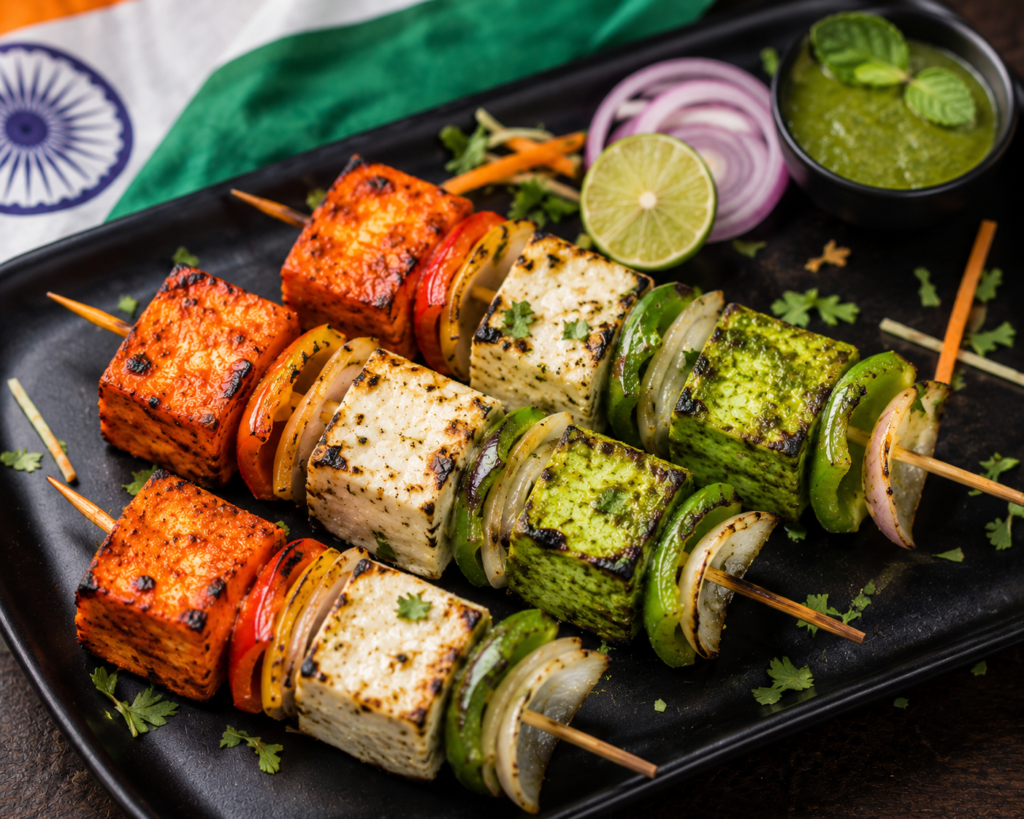
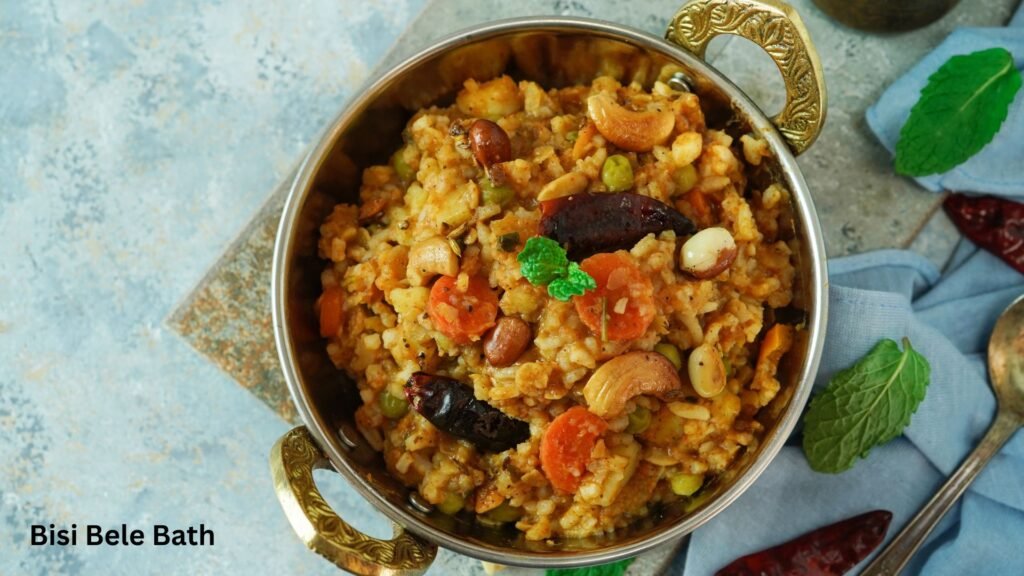
Bisi bele bath was the dish my friend’s mom always had simmering on the stove whenever we visited, and the smell of that spice powder toasting in ghee still means ‘home’ to me. It’s the kind of one-pot meal that turns rice, dal and whatever vegetables are in the fridge into something deeply comforting. I make a big pot whenever the weather turns cool and rainy.
What is Bisi Bele Bath?
Bisi bele bath literally means ‘hot lentil rice’ in Kannada, and that’s exactly what it is – a thick, spiced one-pot dish made by cooking rice and toor dal together with mixed vegetables and a distinctive, freshly roasted spice powder. It sits somewhere between a khichdi and a sambar rice, with a deeper, more complex flavour thanks to the bisi bele bath powder, and is usually topped with a crackling tempering of ghee, cashews and curry leaves.
Where Bisi Bele Bath Comes From
This dish comes from Karnataka, particularly associated with Mysore and Bangalore, and is said to have originated in the kitchens of the Mysore Palace. It’s a staple of Kannadiga households, served at everyday meals as well as festivals and special occasions, often as part of a full South Indian thali. Bisi bele bath is meant to be eaten hot – the name insists on it – usually with a side of crunchy potato chips or papad.
Health Benefits of Toor Dal (Pigeon Pea)
Toor dal, along with the rice and vegetables, makes this a genuinely balanced one-pot meal.
- Toor dal is a strong source of plant protein and helps make this dish satisfying on its own
- It’s rich in fibre, which supports digestion and helps regulate blood sugar levels
- Toor dal contains folate, potassium and iron, all important for everyday energy levels
- Combined with rice, it forms a complete protein, giving you all the essential amino acids in one bowl
Ingredients:
- 1 cup rice
- 1/2 cup toor dal
- 1 cup mixed vegetables (carrot, beans, drumstick, peas)
- 3-4 tbsp bisi bele bath powder
- 1 small ball tamarind, soaked in water
- 1 tbsp jaggery
- 2 tbsp ghee
- 1/4 cup cashews
- 1 tsp mustard seeds
- A few curry leaves
- 2 dried red chillies
- A pinch of asafoetida (hing)
- Salt to taste
Instructions:
Step 1: Cook rice and dal together
Wash the rice and toor dal together and pressure cook with 4 cups of water until both are very soft and mushy, about 4-5 whistles.
Step 2: Cook the vegetables
In a separate pot, boil the mixed vegetables with a little water and salt until just tender.
Step 3: Combine and season
Add the cooked vegetables, tamarind water, bisi bele bath powder and jaggery to the rice-dal mixture. Simmer everything together for 10-12 minutes, stirring occasionally and adding water to loosen the consistency as needed.
Step 4: Prepare the tempering
Heat ghee in a small pan, add mustard seeds and let them splutter. Add the cashews and fry until golden, then add curry leaves, dried red chillies and asafoetida.
Step 5: Finish and serve
Pour the hot tempering over the bisi bele bath and mix well. Serve piping hot with papad or potato chips on the side.
Tips:
Don’t skip the jaggery – it balances the tang of the tamarind and the heat of the spice powder. The consistency should be slightly thick and porridge-like, not runny, so add water gradually. If you don’t have bisi bele bath powder on hand, a mix of sambar powder with extra coriander and cumin will work in a pinch, though the flavour won’t be quite as deep.
For more such quick recipes, visit my YouTube channel @qwikrecipes. If you like the recipe, do like, comment and subscribe.