Every year, a few weeks before Ganesh Chaturthi, my grandmother would start practicing her modak pleats, insisting hers had gotten rusty since the last festival. I used to sit beside her on the kitchen floor, stealing spoonfuls of the coconut-jaggery filling before it even made it into the dough. To this day, the smell of coconut simmering with jaggery instantly transports me back to her kitchen.
What is Modak?
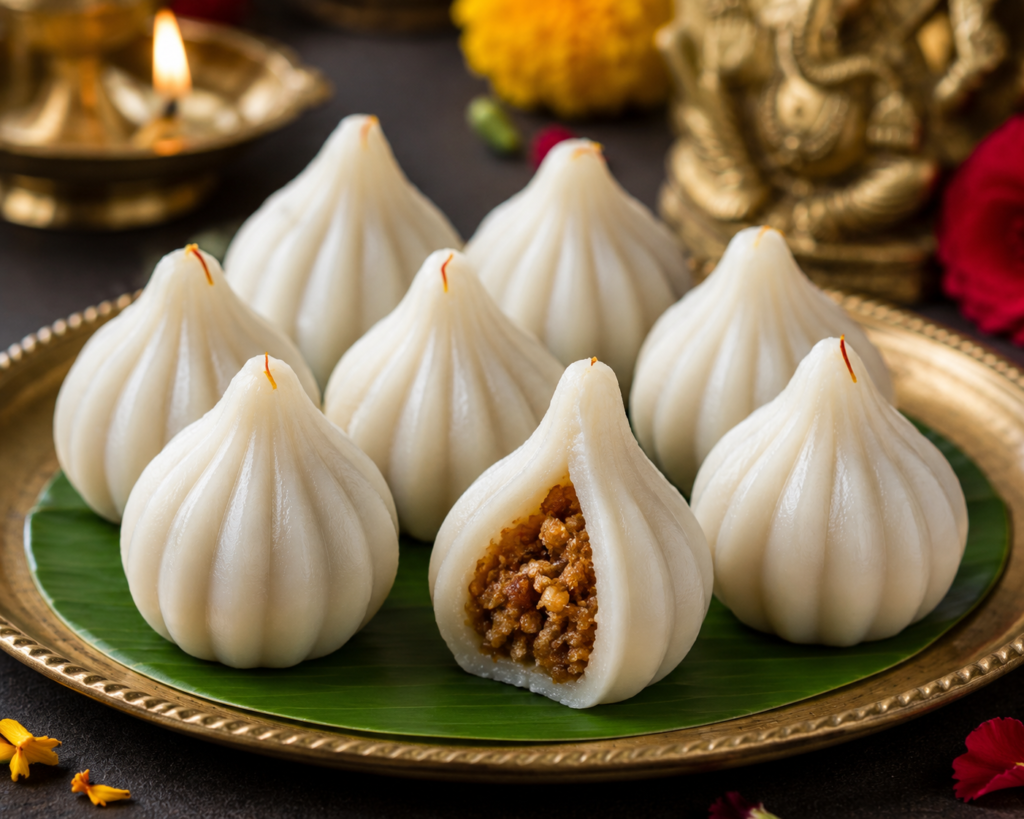
Modak is a sweet steamed dumpling made from a soft rice flour dough, stuffed with a filling of fresh grated coconut and jaggery, and delicately shaped into a pleated, teardrop-shaped parcel. It has a soft, slightly chewy outer shell and a warm, caramel-sweet filling inside.
Where Modak Comes From
Modak is most closely associated with Maharashtra, where it is considered Lord Ganesha’s favorite sweet and is prepared in almost every household during Ganesh Chaturthi. The festival, which falls in late August or September, sees families gather to make dozens of modaks as an offering to the deity before the sweets are shared among family and friends. Variations of this stuffed dumpling appear across India under different names, but the steamed ukadiche modak remains the most traditional version.
Health Benefits of Coconut
- Fresh coconut is rich in medium-chain triglycerides, which the body can use quickly for energy
- It contains fiber, manganese and copper, supporting digestion and bone health
- Jaggery, used in place of refined sugar, retains small amounts of iron and minerals and is easier on digestion for most people
- Rice flour makes the dumplings naturally gluten-free
Ingredients:
- 1 cup rice flour
- 1 cup water
- 1/2 tsp ghee, plus extra for greasing
- A pinch of salt
- 1 cup fresh grated coconut
- 3/4 cup grated jaggery
- 1/2 tsp cardamom powder
- 1 tbsp chopped nuts (cashews or almonds), optional
- 1 tsp poppy seeds, optional
Instructions:
Step 1: Make the filling
In a pan, combine grated coconut and jaggery. Cook on low heat, stirring continuously, until the jaggery melts and the mixture thickens and turns slightly glossy, about 6-8 minutes. Stir in cardamom powder and nuts, then set aside to cool.
Step 2: Prepare the rice flour dough
Bring water, ghee and salt to a boil in a heavy-bottomed pan. Turn off the heat, add the rice flour all at once, and stir quickly with a spoon until it comes together. Cover and let it rest for 3-4 minutes.
Step 3: Knead the dough
Once cool enough to handle, knead the dough with lightly greased hands until smooth and pliable, with no cracks.
Step 4: Shape the modaks
Take a small ball of dough and flatten it into a disc using your fingers, keeping the edges thin. Place a spoonful of the coconut-jaggery filling in the center, then gently bring the edges together, pleating as you go, and pinch the top to seal into a teardrop shape.
Step 5: Steam the modaks
Arrange the shaped modaks on a greased steamer plate and steam for 10-12 minutes, until the outer shell turns slightly glossy and translucent.
Tips:
Keep a damp cloth over the dough while you shape the modaks, as rice flour dough dries out and cracks quickly. If pleating feels tricky, don’t worry – a simple silicone modak mold gives you neat, festival-ready shapes in seconds. Serve warm with a spoon of ghee drizzled on top.
For more such quick recipes, visit my YouTube channel @qwikrecipes. If you like the recipe, do like, comment and subscribe.
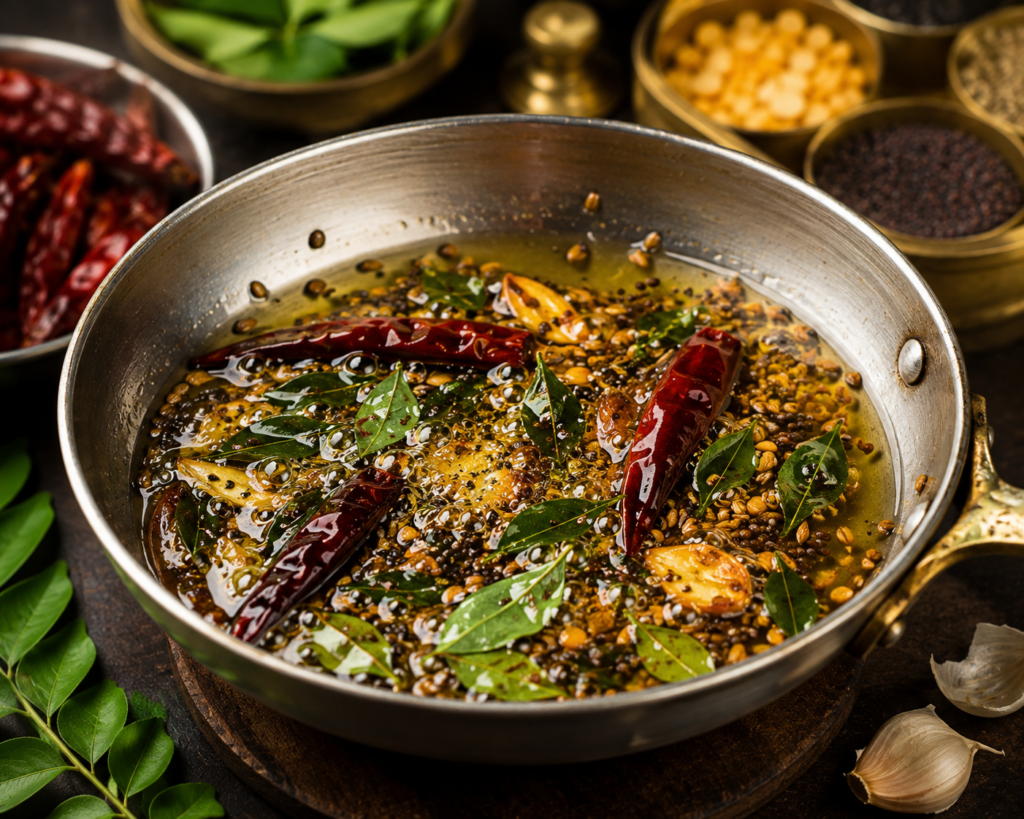
The Science Behind Tadka: Why Tempering Spices Makes Indian Food Taste Better
I used to skip the tadka step when I was in a hurry, tossing raw cumin and mustard seeds straight into the dal. It never
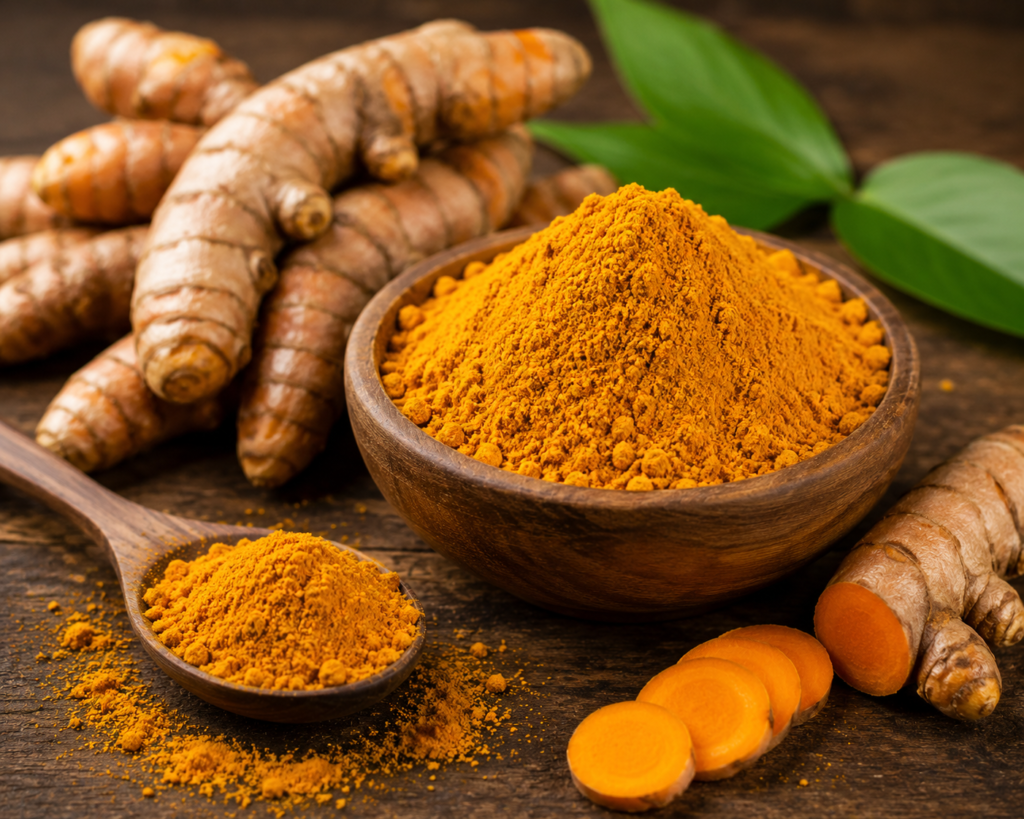
Health Benefits of Turmeric (Haldi): India’s Golden Spice
My mother’s cure for almost everything growing up was a glass of warm turmeric milk – a scraped knee, a cold, even just a rough
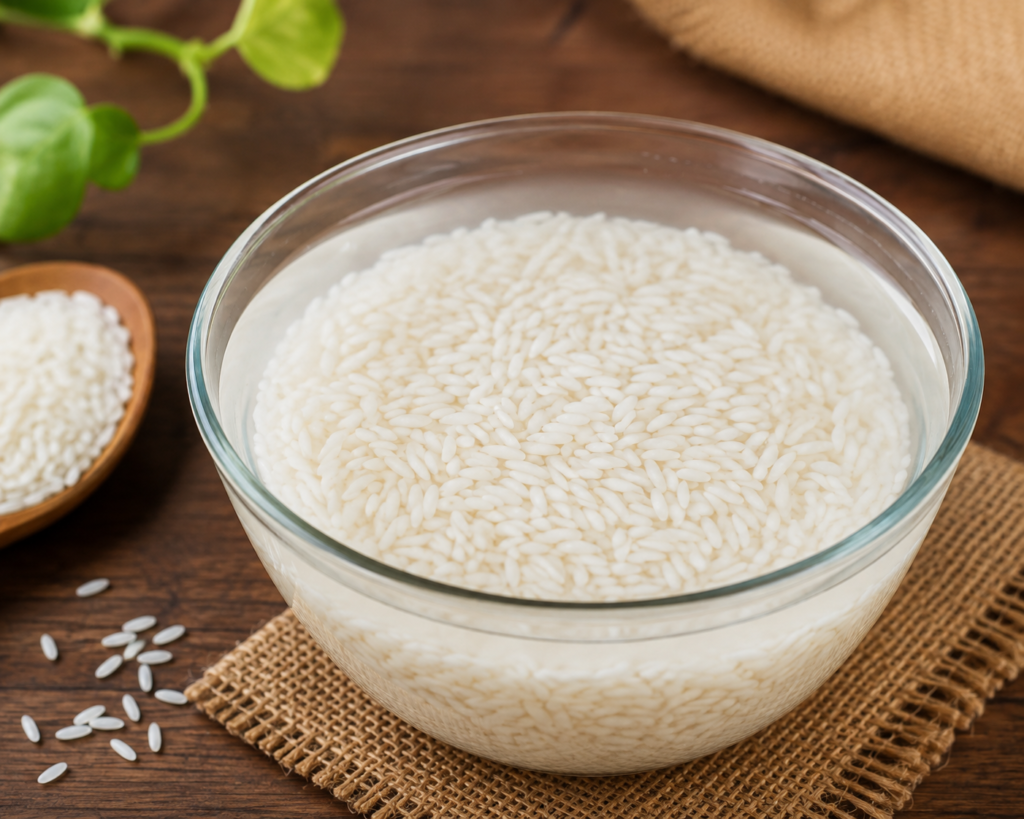
Why Soaking Rice, Dal and Nuts Before Cooking Actually Matters
Soaking rice before cooking, letting dal sit in water for a few hours, leaving almonds in a bowl overnight — these are things most of
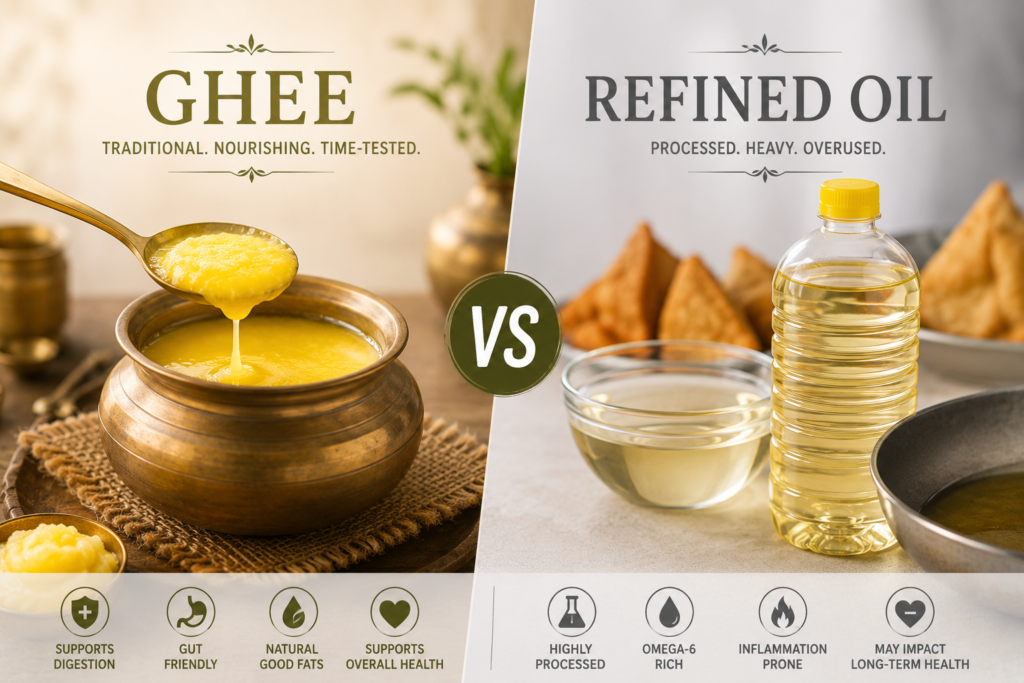
Ghee vs Refined Oil: The Great Indian Cooking Fat Debate
How We Went From Ghee to “Heart-Healthy” Oils and Back Again If you ask anyone above 60 what they cooked with growing up, chances are
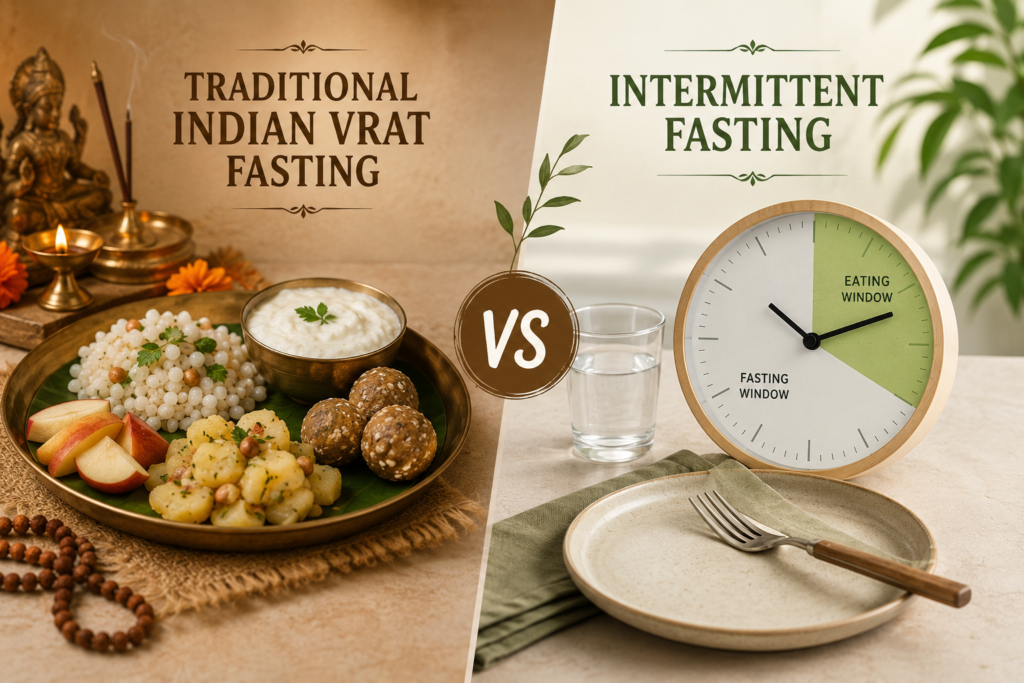
Traditional Indian Vrat Fasting vs Intermittent Fasting: What’s the Real Difference?
Turns Out, We’ve Been “Biohacking” Since Before It Had a Name Intermittent fasting has taken over wellness conversations globally over the last several years, framed
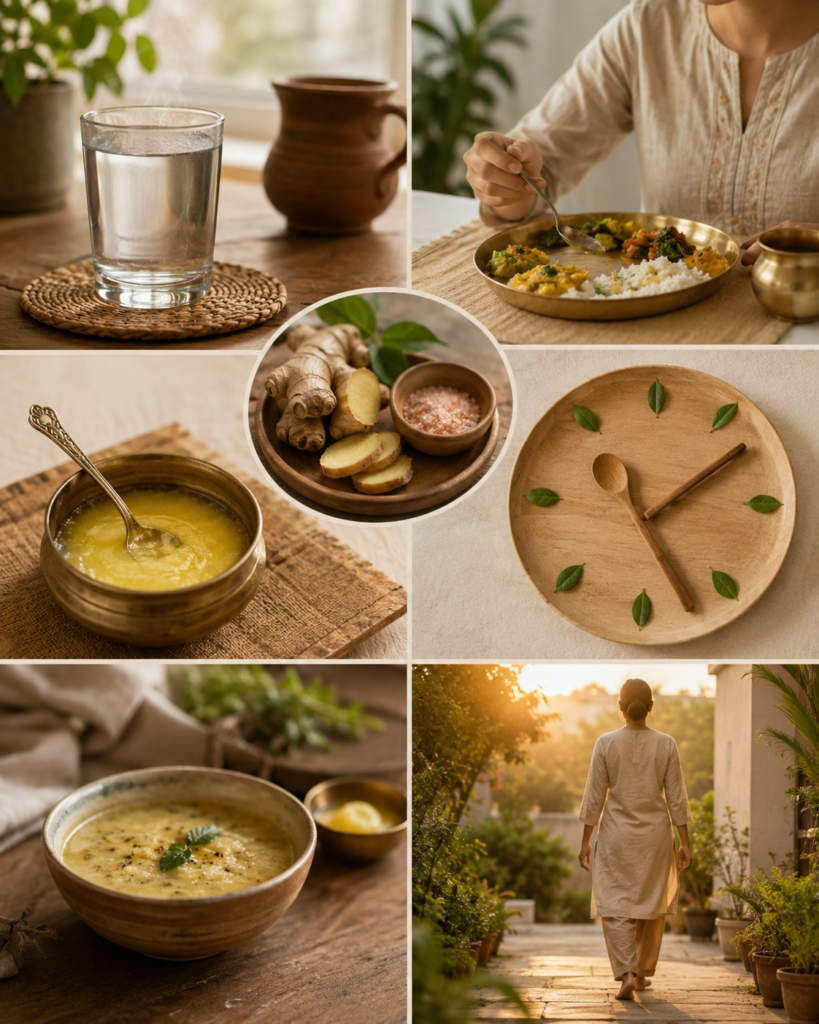
Simple Ayurvedic Morning Habits for Better Gut Health
Gut health has become a big topic lately, but a lot of what’s being talked about now was already part of Ayurveda for centuries. My
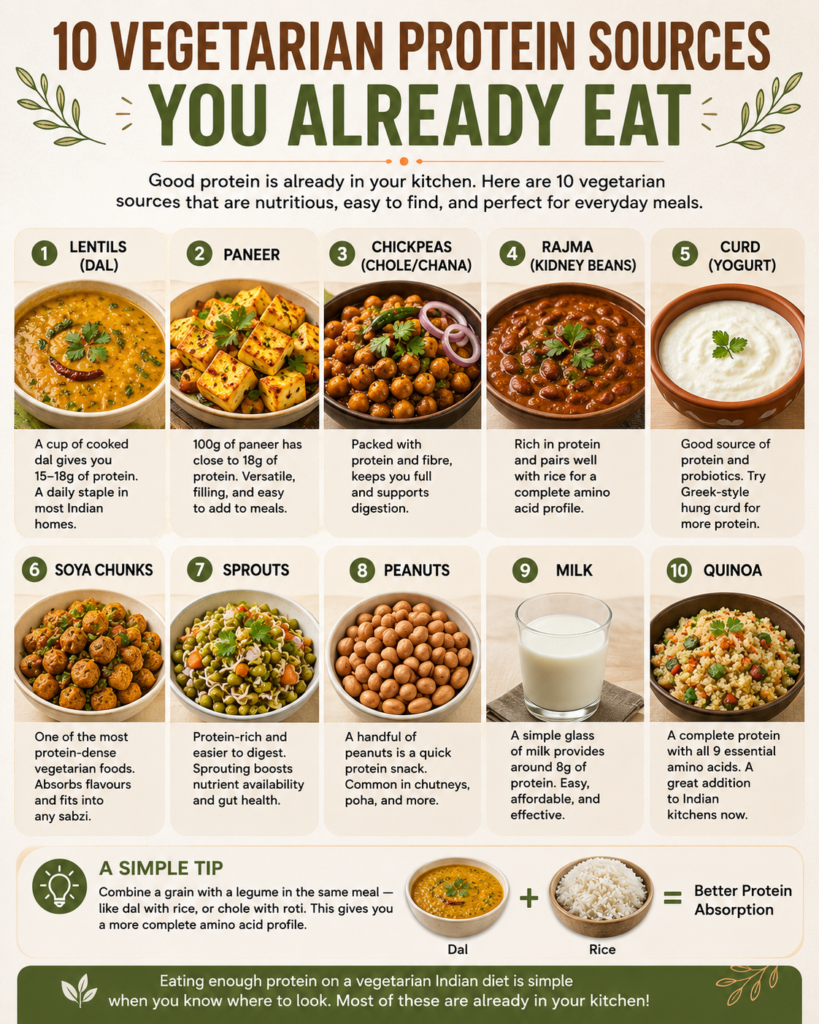
10 High-Protein Vegetarian Foods for an Indian Diet
“Where do vegetarians even get their protein from?” is a question I’ve heard more times than I can count, usually from people who’ve never actually
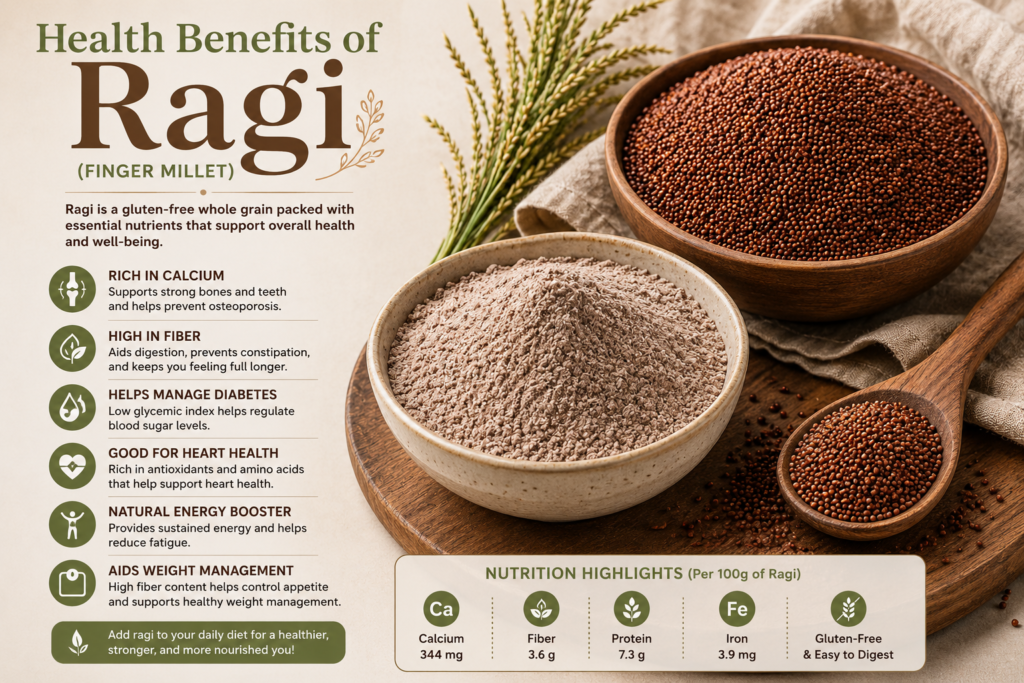
Health Benefits of Ragi (Finger Millet)
Ragi has been quietly sitting in Indian kitchens for generations, long before “superfood” became a marketing word. My grandmother used to make ragi mudde and
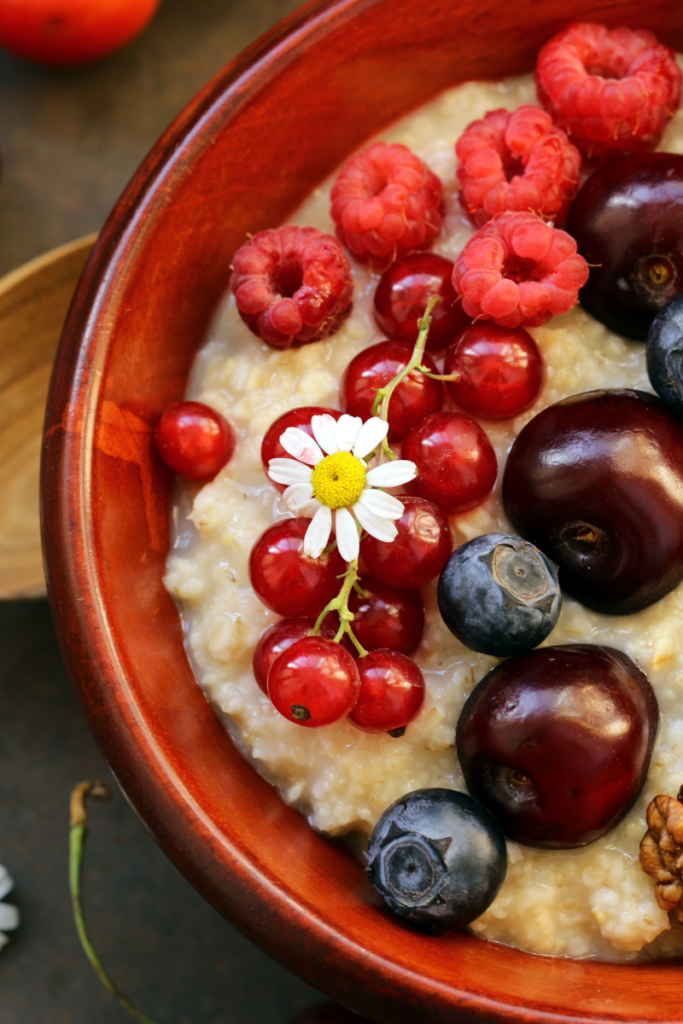
Health Benefits of Oats
Oats, scientifically known as Avena sativa, are a type of cereal grain widely consumed for their nutritional benefits. Oats have been a staple food in

Exploring the Health Benefits of Dark Chocolate
Chocolate is made from the seeds of Theobroma Cacao tree. As per wikipedia dark chocolate have been consumed over years. It may have been developed
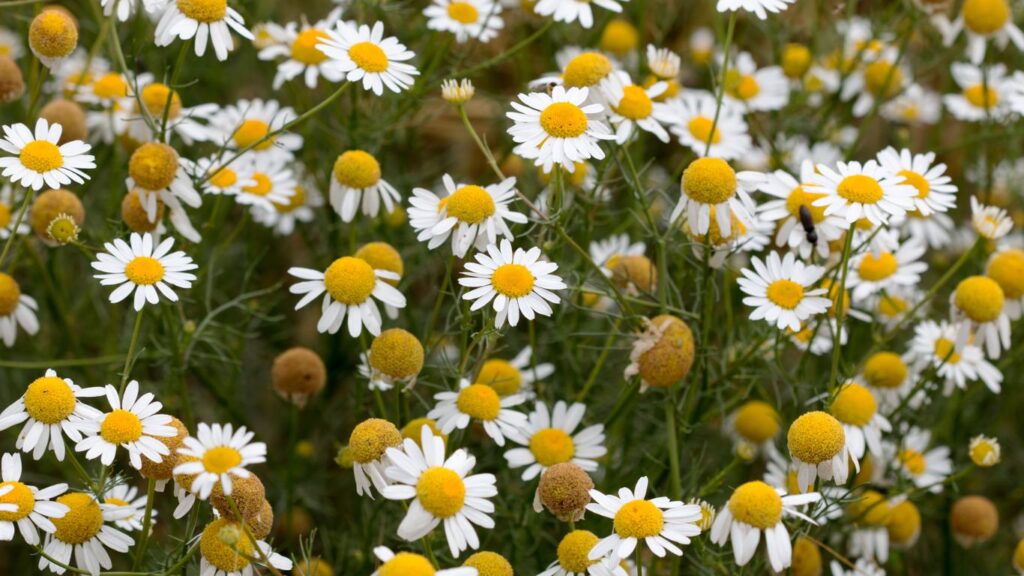
Unlocking the Potential of Homegrown Herbal Remedies
In today’s world, where the focus on natural living and holistic wellness is gaining momentum, homegrown herbal remedies offer a treasure trove of healing potential. From soothing teas to aromatic infusions, these herbal wonders have been cherished for centuries for their diverse therapeutic properties.

Healthy Lifestyle – Take small steps to achieve
In our fast-paced world prioritising a healthy lifestyle is more important than ever. Making conscious choices to nurture our physical, mental and emotional well-being can lead to a happier and more fulfilling life. But where do we start on this journey towards wellness?
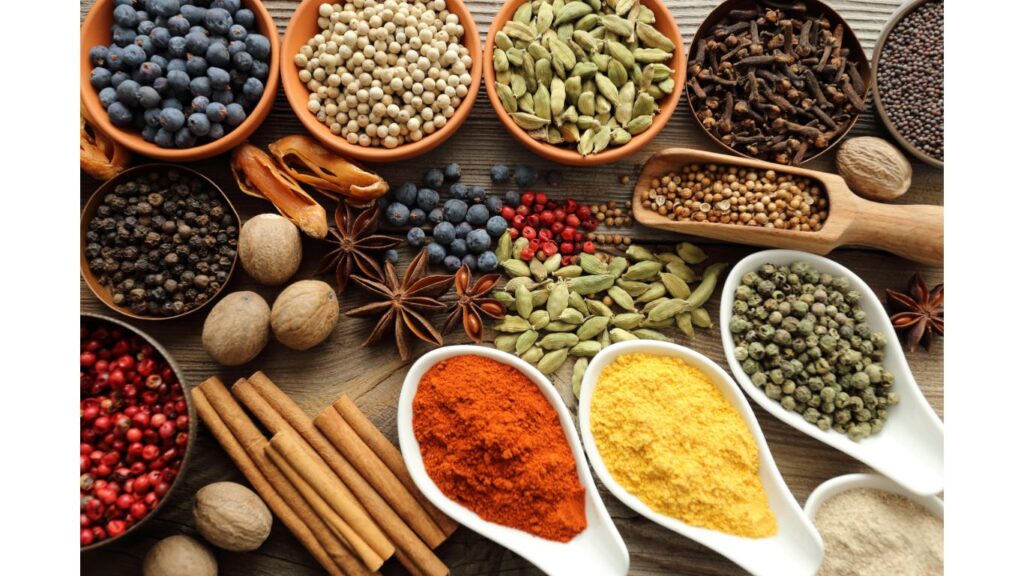
Unlocking the Health Benefits of 7 Essential Spices
Spices are the magical ingredients that add flavour, aroma, and color to our favourite dishes. They come from all sorts of plants like seeds, fruits,
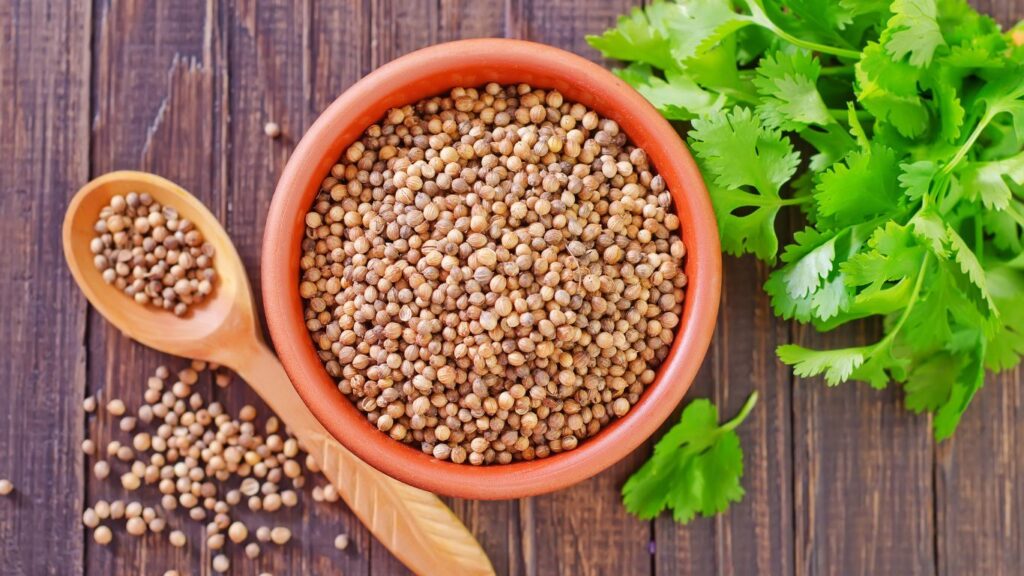
Health Benefits of Coriander Leaves | Coriander Seeds
Coriander offers a plethora of health benefits, making it more than just a flavourful herb. Some of its key advantages include: Rich in antioxidants: Coriander