
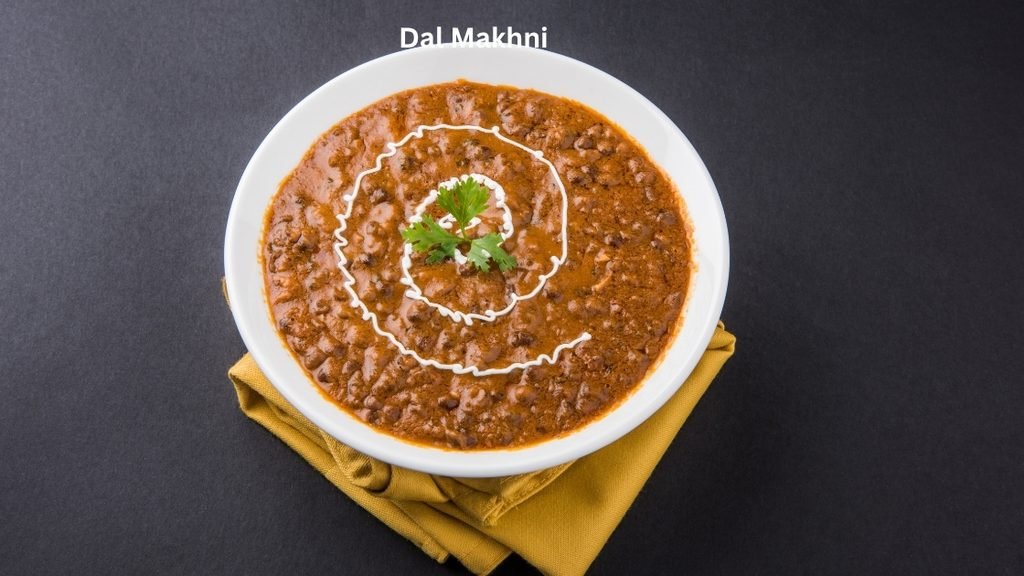
What is Dal Makhani?
Dal makhani is a rich, creamy North Indian lentil curry made from whole black urad dal and rajma (kidney beans). It’s slow-cooked until velvety soft and then finished with butter and cream. The name comes from “makhan,” the Hindi word for butter. Dal Makhani is built on the idea that a small amount of dal cooked long enough can become something so luxurious and tasty.
Where Dal Makhani Comes From?
Dal makhani was created in Delhi’s Moti Mahal restaurant by Punjabi migrants Kundan Lal Gujral and Kundan Lal Jaggi after Partition. They adapted the humble home-style “maa ki dal” of undivided Punjab into a richer, restaurant-worthy dish. Traditionally it was simmered for hours over a wood-fired tandoor which gave it a deep, smoky flavor that’s hard to replicate but worth chasing at home with a long, slow simmer. Today it’s a fixture on Punjabi restaurant menus everywhere and a common centerpiece at North Indian weddings and celebrations.
Health Benefits of Urad Dal and Rajma
The lentils at the heart of this dish are more than just a creamy backdrop.
- Whole urad dal is high in protein and iron, both important for vegetarians relying on plant sources
- Rajma or kidney beans are rich in fiber which supports digestion and helps you feel fuller for longer
- Both legumes have a low glycemic index meaning they release energy slowly rather than spiking blood sugar
- Urad dal contains magnesium and potassium which support healthy blood pressure
Ingredients:
- 1 cup whole black urad dal, soaked overnight
- 1/4 cup rajma (kidney beans), soaked overnight
- 4 cups water, for pressure cooking
- 2 tablespoons butter, plus more to finish
- 1 tablespoon oil
- 1 onion, finely chopped
- 2 tomatoes, pureed
- 1 tablespoon ginger-garlic paste
- 1-2 green chilies, slit
- 1 teaspoon red chili powder
- 1/2 teaspoon turmeric powder
- 1 teaspoon garam masala
- 1/2 cup fresh cream
- Salt, to taste
- Fresh coriander, for garnish
Instructions:
Step 1: Cook the lentils
Drain the soaked urad dal and rajma and pressure cook with 4 cups of water and a pinch of salt for 8-10 whistles, until completely soft and mushy. The dal should mash easily between your fingers.
Step 2: Build the masala
Heat butter and oil in a heavy-bottomed pan. Add onions and saute until golden, then add ginger-garlic paste and green chilies, cooking until the raw smell disappears. Stir in the tomato puree, red chili powder, and turmeric, and cook until the oil separates from the masala.
Step 3: Simmer the dal
Add the cooked dal and rajma, along with their cooking liquid, into the masala. Mash some of the lentils lightly with a spoon for a creamier texture, then let it simmer on low heat for at least 30-45 minutes, stirring occasionally.
Step 4: Finish and serve
Stir in the garam masala and most of the cream, saving a little for garnish. Simmer another 5 minutes, top with a swirl of cream and a knob of butter, and garnish with fresh coriander.
Tips:
The longer dal makhani simmers on low heat, the better it tastes. 45 minutes to an hour lets the lentils break down and thicken the gravy naturally. Stir occasionally and add a splash of water if it gets too thick, since it will continue to thicken as it sits. A small piece of charcoal, smoked briefly over the finished dal under a lid, adds a smoky, tandoor-like flavor if you want to go the extra mile.
Preparation Time:
20 minutes prep, plus 8 hours soaking and 1 hour cooking. Serves 4-5.
Common Mistakes:
- Not soaking the lentils long enough, which leaves them undercooked and grainy
- Rushing the simmering step, which skips the slow breakdown that gives dal makhani its signature texture
- Adding all the cream at once instead of finishing with it, which can make the dish taste flat
Substitutions:
Use canned kidney beans if you’re short on time, though the texture will be slightly different. Cashew paste or coconut cream can replace dairy cream for a lighter or vegan version, and butter can be swapped for a neutral oil to reduce richness.
Storage and Reheating:
Dal makhani keeps well refrigerated for 3-4 days and actually tastes better the next day as the flavors deepen. Reheat gently on the stovetop with a splash of water or milk to loosen the gravy, stirring frequently so it doesn’t stick.
What to Serve With It:
Serve with butter naan, tandoori roti, or steamed basmati rice, along with a side of sliced onions and a wedge of lemon.
Frequently Asked Questions:
Why does restaurant dal makhani taste smokier than homemade?
Restaurants often use the dhungar, or smoking, technique or cook in a tandoor, both of which add a distinct char flavor.
Can I make dal makhani in an Instant Pot?
Yes, pressure cook the lentils for about 25-30 minutes on high pressure, then continue with the masala and simmering steps.
Is dal makhani very heavy or calorie-dense?
It can be, given the butter and cream. but you can lighten it by reducing both without losing much flavor.
Nutrition Information (per serving, approximate):
Calories: 280-320 kcal | Carbohydrates: 28g | Protein: 12g | Fat: 16g | Fiber: 8g