Every Indian household seems to have a small jar of ajwain tucked away for emergencies, the kind your mother reaches for the moment you complain of a bloated stomach after a heavy meal. That instinct isn’t superstition; it’s generations of kitchen wisdom backed by real science.
What is Ajwain?
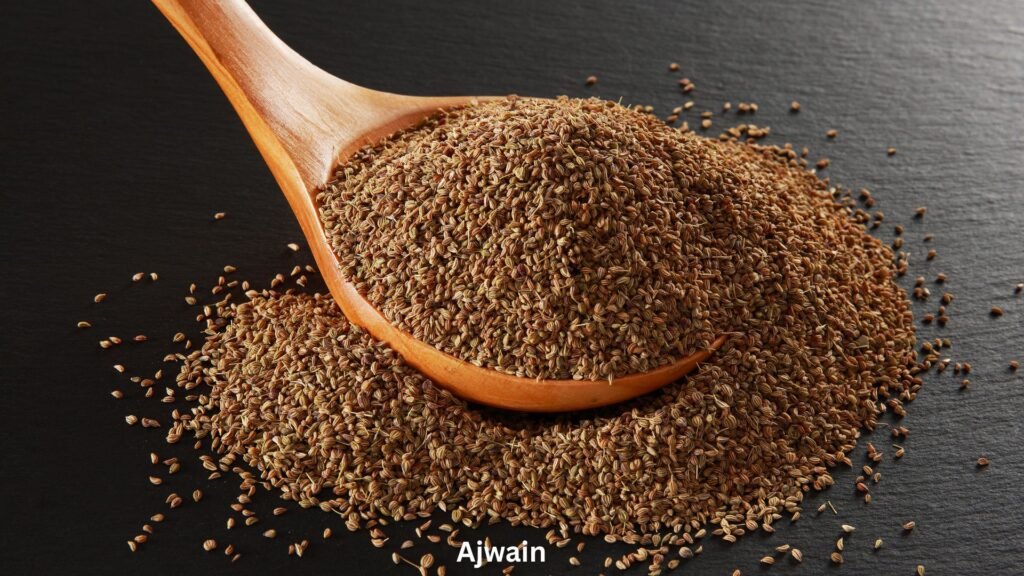
Ajwain, also known as carom seeds or ajwan, is a small, oval, ridged seed with a sharp, slightly bitter flavour similar to thyme, thanks to a compound called thymol. It’s used both as a whole spice tempered in hot oil and as a home remedy, often chewed raw with a pinch of salt or steeped into a warm tea after meals. A little ajwain goes a long way, since its flavour is far more intense than its tiny size suggests.
Where Ajwain Fits in Indian Kitchen Culture
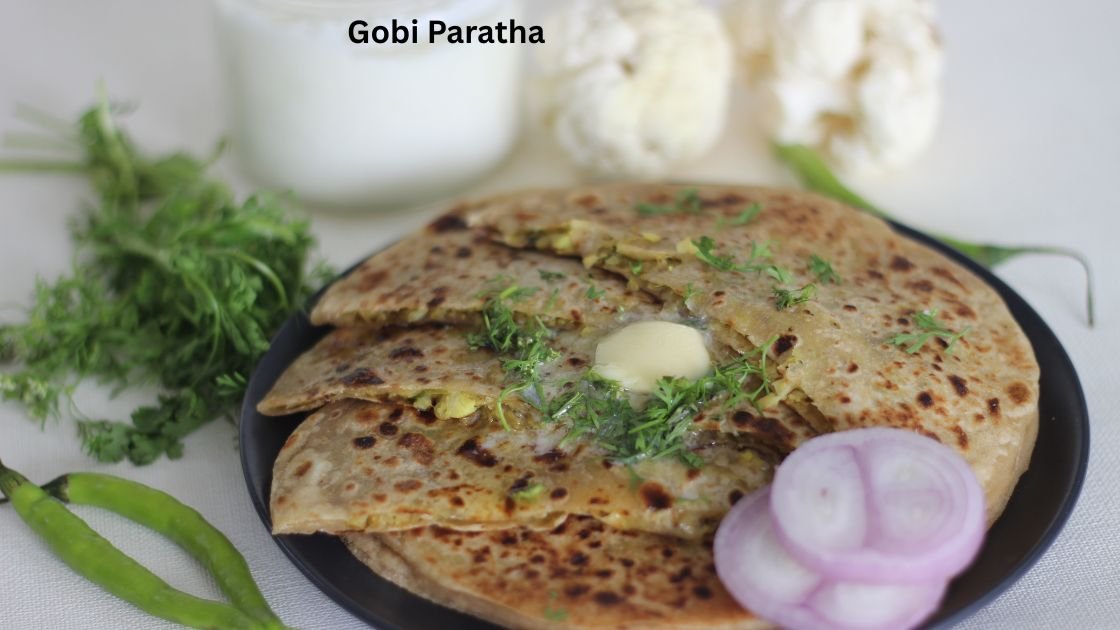
Ajwain is a staple across Indian regional cooking, appearing in North Indian parathas and puris, Gujarati theplas, and as a tempering spice in dals and vegetable curries throughout the country. Beyond the kitchen, it holds a strong place in Ayurveda, where it’s classified as a Deepan-Pachan herb, meaning it’s believed to kindle digestive fire and support healthy metabolism. This dual role, as both a flavouring agent and a home remedy, is why nearly every Indian kitchen keeps it close at hand.
The Real Benefits
- Ajwain stimulates the secretion of digestive enzymes, which can help ease indigestion after a heavy meal.
- Its active compound, thymol, may help relax gastrointestinal muscles, easing bloating and gas.
- It’s traditionally used to support respiratory comfort, often in warm water or tea during cold weather.
- Ajwain contains fibre, calcium, phosphorus and iron in small but meaningful amounts.
- In Ayurveda, its warming nature is considered helpful for balancing Vata and Kapha doshas.
How To Use Ajwain at Home
- Temper a pinch of ajwain in hot ghee or oil at the start of cooking dals and vegetable curries for both flavour and digestibility.
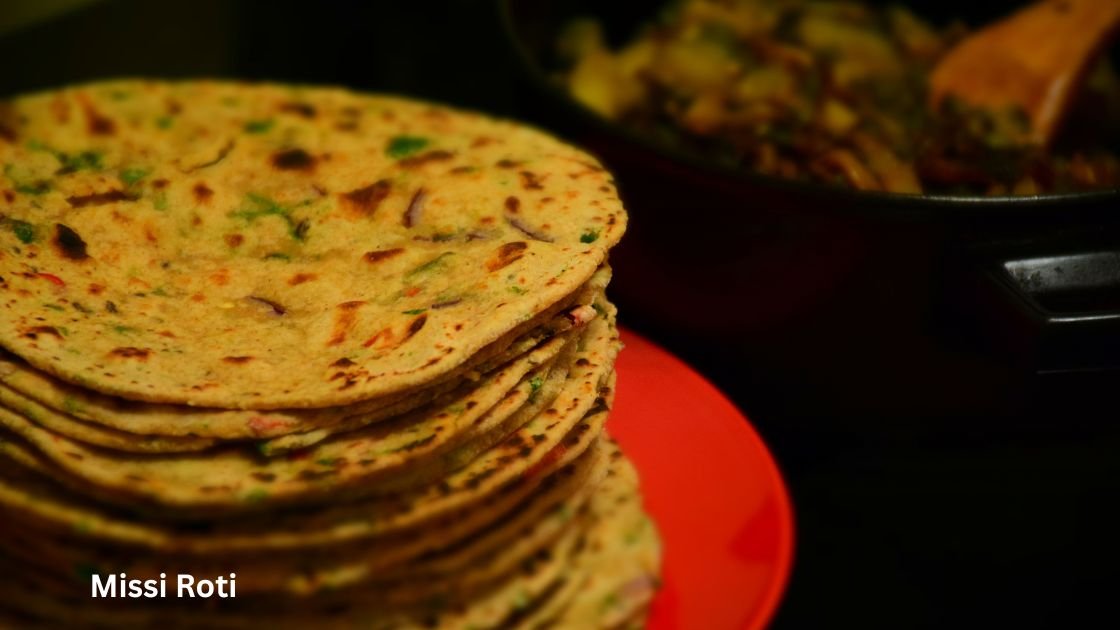
- Add it to the dough when making parathas, puris or theplas for a subtle, savoury bite.
- Steep half a teaspoon of ajwain in hot water after a heavy meal as a simple digestive tea.
- Chew a pinch of roasted ajwain with a little rock salt if you’re feeling bloated or gassy.
- Store it in an airtight jar away from sunlight to preserve its essential oils and aroma.
Ajwain is proof that some of the best remedies were sitting in the spice box all along. A pinch here and there, especially after a rich meal, is a small habit with genuinely useful benefits.