Soaking rice before cooking, letting dal sit in water for a few hours, leaving almonds in a bowl overnight — these are things most of us grew up watching our mothers and grandmothers do without ever asking why. It looked like ritual. Turns out it’s mostly food science, and skipping it quietly costs you nutrition, digestibility and time in the kitchen.
Why Do We Soak Grains, Lentils and Nuts?
Rice, dals, beans and nuts all contain compounds like phytic acid, tannins and certain complex sugars that our bodies don’t break down easily. Phytic acid in particular binds to minerals like iron, zinc and calcium and blocks the body from absorbing them properly. Soaking, and to some extent sprouting and fermenting, neutralises a good part of these compounds. It’s the same reason idli and dosa batter is fermented, and why rajma is never cooked straight out of the packet.
The Real Benefits of Soaking
- Better nutrient absorption: Soaking reduces phytic acid, so the iron, zinc and calcium already in your food becomes easier for your body to actually use.
- Easier digestion: Beans and legumes contain raffinose, a sugar that causes bloating and gas. Soaking and discarding the water washes a lot of it away.
- Shorter cooking time: Pre-soaked rajma or chole cook in a fraction of the time compared to dry beans, which also saves gas or electricity.
- Better texture: Soaked rice grains cook up more evenly, and soaked nuts peel and blend far more smoothly for chutneys and gravies.
How Long Should You Soak What?
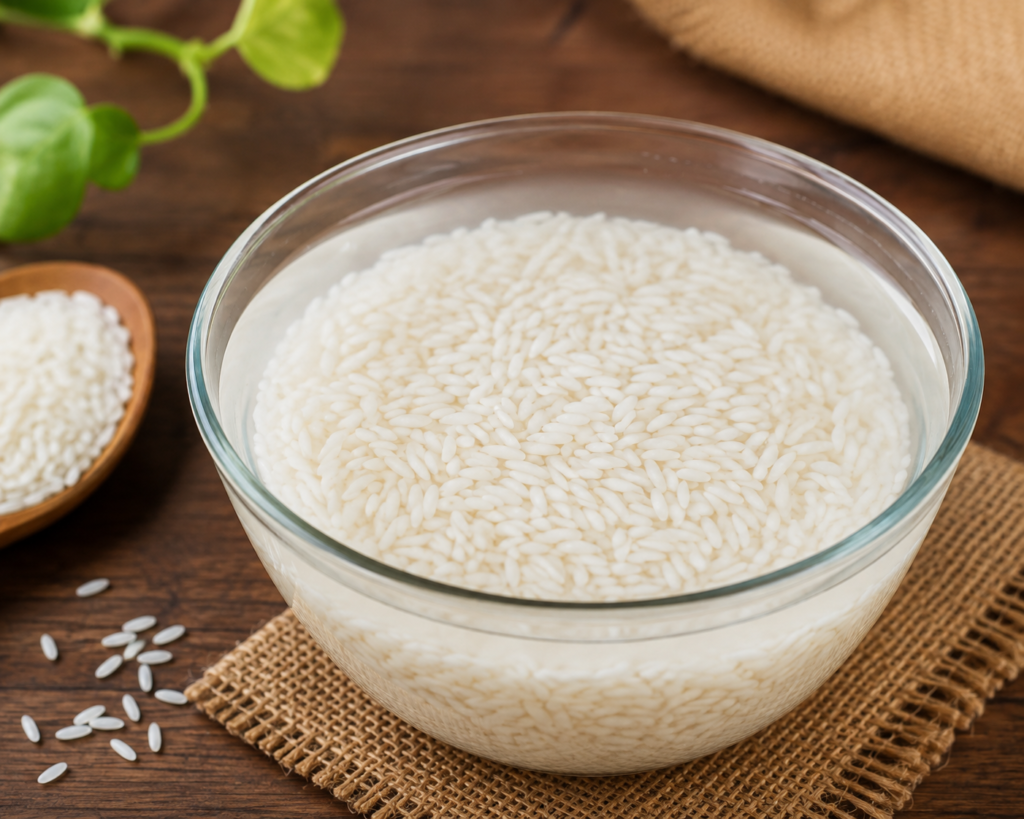
- Rice: 20-30 minutes is enough for most everyday cooking.
- Whole legumes like rajma, chana and sabut moong: 6-8 hours or overnight.
- Split dals like toor, masoor and moong dal: 30 minutes to 2 hours.
- Nuts like almonds and cashews: overnight, then peel almonds after soaking for easier digestion.
- Poha: needs only a quick rinse, not a long soak, or it turns mushy.
Tips:
Always discard the soaking water and rinse before cooking, especially for beans and legumes, since a lot of the compounds you’re trying to get rid of end up dissolved in that water. If you’re short on time, a quick-soak method works too: boil the beans for 2 minutes, then let them sit covered for an hour before cooking as usual.
It’s a small habit that costs almost nothing, but it changes how well your body actually uses the food you’re cooking. Next time you’re tempted to skip the soak because you’re short on time, it might be worth planning half an hour ahead instead.