Why Iron Cookware Matters
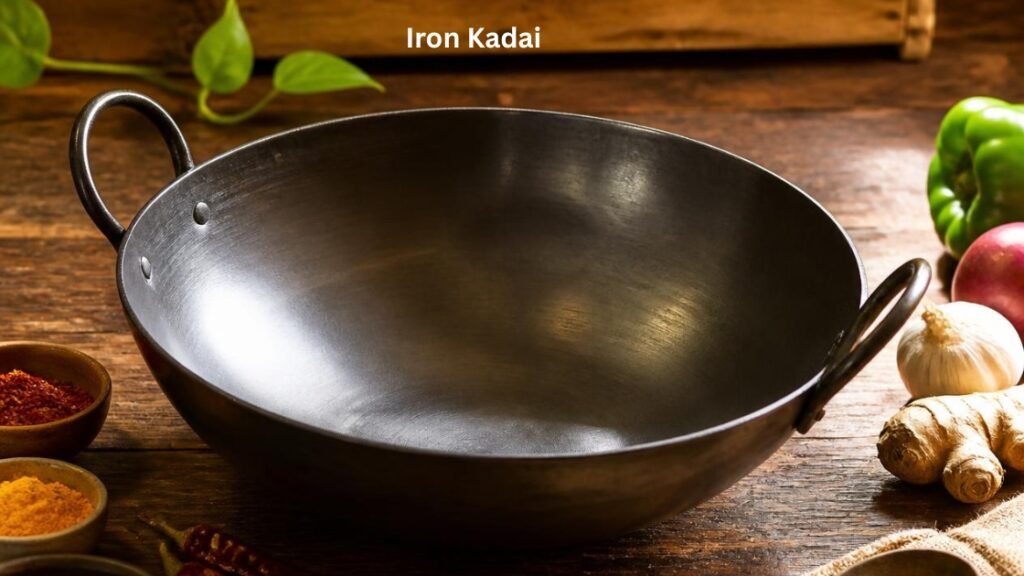
Cooking food in a cast iron kadai or pan causes small amounts of iron to leach into the food, particularly when the food is acidic, moist, or cooked for a longer period, as with tomato-based curries, tamarind dishes, or leafy greens. Studies on food cooked in iron vessels have found the iron content can increase by a significant margin compared to the same food cooked in stainless steel or nonstick cookware. In a country where iron-deficiency anemia is widespread, especially among women, this old cooking habit is being looked at again as a low-cost, low-effort way to boost dietary iron.
Where This Fits Into Indian Kitchen Traditions
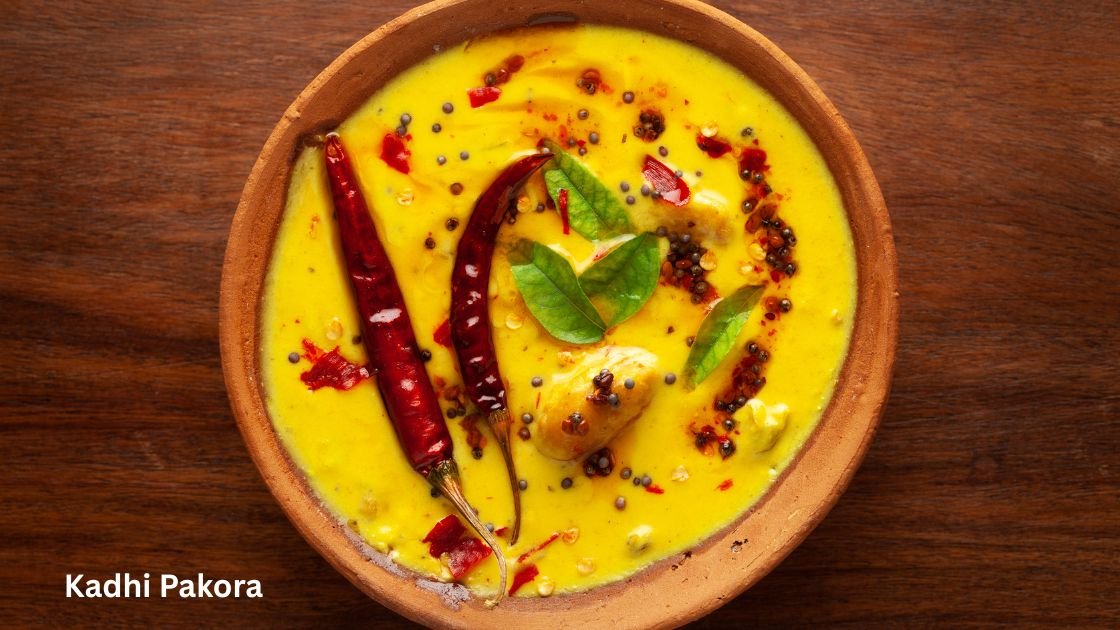
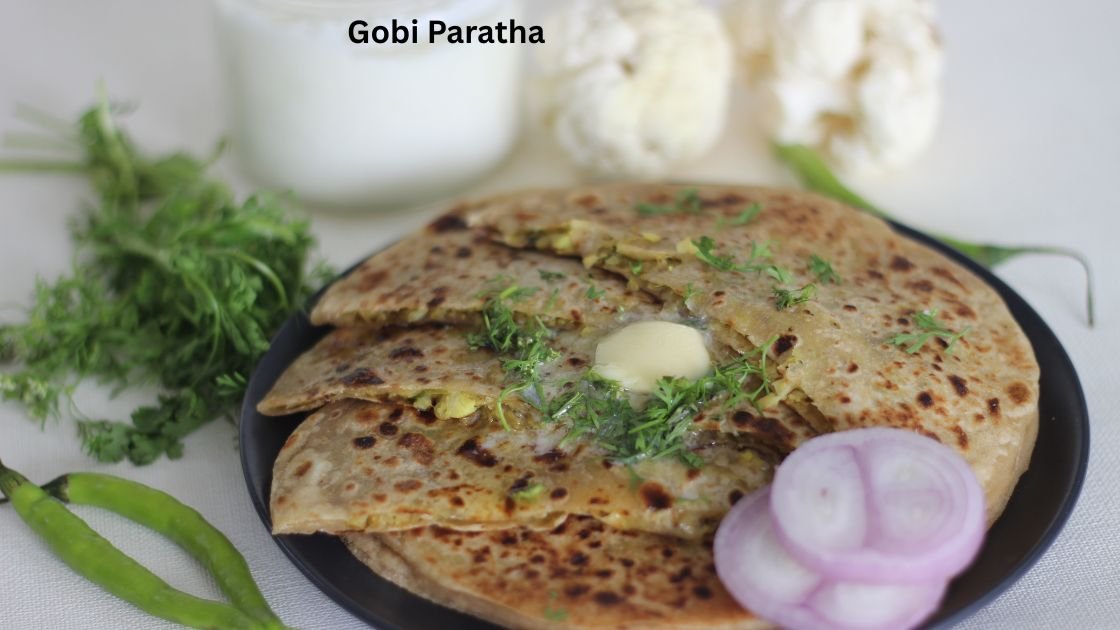
Iron kadais, tawas, and pans were the standard in most Indian kitchens for generations, long before nonstick and stainless steel became popular for their convenience and low maintenance. Many traditional dishes, such as rajma, sambar, curries with tamarind or tomato, and leafy vegetable sabzis, were originally cooked in iron vessels as a matter of course, not as a deliberate health strategy. As kitchens modernized, iron cookware fell out of everyday use, and with it, a quiet source of dietary iron that many households didn’t realize they were losing.
The Real Benefits
-
- Iron leaching into food during cooking can meaningfully raise the iron content of everyday meals, particularly acidic or moist dishes
-
- This is especially useful for vegetarians, since plant-based (non-haem) iron is absorbed far less efficiently by the body than iron from meat
-
- Regular use of iron cookware has been studied as a simple intervention to help improve hemoglobin and ferritin levels in women with mild iron deficiency
-
- Well-seasoned iron cookware, unlike some nonstick coatings, doesn’t degrade with high heat or scratching, making it a durable long-term kitchen investment
-
- It requires no added cost beyond the initial purchase, unlike iron supplements, making it an accessible option for many households
How to Use an Iron Kadai Well
-
- Season a new iron kadai by rubbing it with oil and heating it repeatedly before first use, and re-season occasionally to maintain a smooth, non-stick-like surface
-
- Cook acidic or tomato-based dishes in it regularly, since these foods pick up the most iron during cooking
-
- Dry the kadai thoroughly after washing and rub with a little oil to prevent rusting, since it isn’t as low-maintenance as nonstick cookware
-
- Avoid harsh soap and steel wool on a well-seasoned pan; a simple hot water rinse and wipe usually suffices for cleaning
-
- Pair iron-cooked meals with a source of vitamin C, like lemon or tomatoes, which significantly improves how well the body absorbs the iron
Switching a couple of regular dishes each week to an iron kadai is a small, no-cost habit that may support iron levels over time, especially for vegetarian households where dietary iron is harder to come by. It’s not a replacement for treating diagnosed anemia, but as an everyday kitchen upgrade, it’s hard to argue with something this simple and already familiar to Indian cooking.
Related Blogs:
-
Why Cooking in an Iron Kadai Can Help : The Science of Iron Cookware
Why Iron Cookware Matters Cooking food in a cast iron kadai or pan causes small amounts of iron to leach into the food, particularly when.
-
Diabetes-Friendly Indian Vegetarian Foods: A Practical Everyday Guide
Every Indian household has that one relative who was told by the doctor to "cut down on sugar and rice" and suddenly panicked about what's.
-
The Science of Sour: How Tamarind, Kokum and Amchur Balance Every Indian Dish
Ask any home cook what makes a sambar taste right, or a kokum curry from the Konkan coast sing, and they'll usually point to one.
-
The Science of Food Combining in Ayurveda (Viruddha Ahara): Why Some Combinations Upset Your Stomach
What is Viruddha Ahara? Viruddha ahara literally translates to "incompatible food" in Ayurveda. It refers to combinations of foods that, when eaten together, are believed.
-
Navratri Vrat Diet Guide: What to Eat and Avoid During the Nine-Day Fast
Every year around Navratri, Most of Indian family kitchens quietly transform: no onion, no garlic, no regular wheat flour, and suddenly sabudana and singhara atta.
-
Health Benefits of Sesame Seeds (Til): India's Winter-Warming Superseed
Walk into any Indian kitchen in the weeks leading up to Makar Sankranti and you'll find a tin of til quietly waiting to be turned.
-
Health Benefits of Garlic (Lehsun): India's Everyday Immunity Spice
Walk into almost any Indian kitchen at dinnertime and you'll catch that first unmistakable sizzle of garlic hitting hot oil. It's such a routine sound.
-
The Science of Resting Roti Dough: Why It Makes Softer Flatbreads
Every Indian home cook has heard some version of "rest the dough before rolling," usually passed down without much explanation. It sounds like a small.
-
Health Benefits of Ginger (Adrak): India's Everyday Immunity Spice
Almost every Indian kitchen has a knob of ginger sitting on the counter, ready to be grated into chai the moment someone sneezes. It's one.
-
Health Benefits of Asafoetida (Hing): India's Pungent Digestive Spice
A tiny pinch of hing dropped into hot ghee before it hits the dal is one of those small kitchen rituals that instantly signals "this.
-
Health Benefits of Bajra (Pearl Millet): India's Iron-Rich Winter Grain
What is Bajra? Bajra, known in English as pearl millet, is one of the oldest cultivated grains in India. It's a small, round millet that's.
-
Health Benefits of Mustard Oil (Sarson ka Tel): India's Traditional Cooking Fat
My mother still keeps two bottles of oil next to the stove, one refined and one mustard, and she reaches for the mustard one whenever.
-
Health Benefits of Sabja (Basil) Seeds: India's Cooling Monsoon Superseed
The first time I saw sabja seeds, I thought someone had dropped fish eggs into my falooda. My aunt laughed and told me they were.
-
The Science of Marination: Why It Makes Indian Paneer and Vegetables Taste Better
I used to think marinating paneer for a tandoori tikka was just about coating it in yogurt and spices before it hit the pan. It.
-
The Science of Blanching: Why Indian Cooks Parboil Vegetables Before Frying
I used to skip blanching my vegetables before frying because it felt like an unnecessary extra step, until I noticed my cauliflower always came out.
-
Health Benefits of Cumin (Jeera): India's Everyday Digestive Spice
Every Indian kitchen has a jar of jeera within arm's reach of the stove, mine sits right next to the salt, because half of what.
-
Health Benefits of Coconut: Kerala's Onam Season Superfood
Every August, once the first coconut hits my kitchen counter for Onam cooking, I remember how much of my mother's cooking depended on this one.
-
Health Benefits of Ajwain (Carom Seeds): India's Digestive Powerhouse Spice
Every Indian household seems to have a small jar of ajwain tucked away for emergencies, the kind your mother reaches for the moment you complain.
-
Health Benefits of Okra (Bhindi): India's Humble Superfood Vegetable
Okra rarely gets the credit it deserves in Indian kitchens. It shows up quietly on the weekly sabzi rotation, gets called slimy more often than.
-
Iron-Rich Vegetarian Foods for an Indian Diet: Fighting Anemia Naturally
A routine blood test a couple of years ago told me my iron levels were lower than they should be, which surprised me because I.