
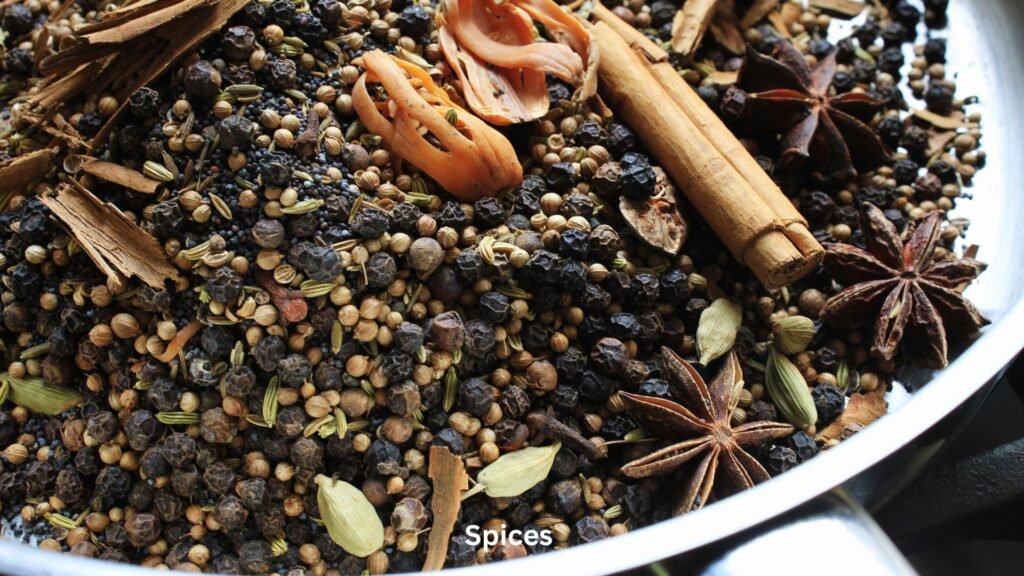
My grandmother always dry-roasted her cumin and coriander seeds before grinding them into masala, and as a kid I never understood why she wouldn’t just skip the step. It took me years of cooking on my own to realise that ten seconds too long in that pan is the difference between a fragrant masala and a bitter, flat one, and that the roasting itself is doing real chemistry, not just tradition for its own sake.
What is Bhunai?
Bhunai, or dry-roasting, is the technique of heating whole or ground spices in a pan with no oil or water, just direct heat, until they release their aroma and darken slightly. It’s different from tempering (tadka), where spices are fried in hot oil, though both techniques work on the same basic principle of using heat to unlock flavour that stays locked away in raw spices.
Where Roasting Fits in Indian Kitchens
Nearly every regional Indian cuisine has its own version of this step. Whole spices are dry-roasted before being ground into garam masala or sambar powder, papads are roasted over an open flame before serving, and even ready-ground spices are often given a quick roast in a dry pan before going into a dish to wake them back up. It’s such a routine motion in Indian kitchens that most home cooks do it without thinking twice, even though it’s genuinely doing something to the spice at a molecular level.
The Real Benefits
- Heat triggers a Maillard-type reaction in the spice’s natural oils, creating new aromatic compounds that don’t exist in the raw ingredient
- Roasting evaporates surface moisture, which concentrates flavour and makes spices easier to grind into a fine, consistent powder
- It mellows out raw, sometimes bitter or grassy notes in spices like coriander and fenugreek, replacing them with warmer, nuttier flavours
- Roasted spices generally have a longer shelf life once ground, since the process reduces moisture that would otherwise encourage spoilage
- A well-roasted spice blend needs less quantity to deliver the same depth of flavour, which can mean less salt or fat needed elsewhere in the dish to compensate
Tips for Roasting Spices at Home
- Use a heavy-bottomed pan on low to medium heat, spices burn quickly on high heat and turn bitter almost instantly
- Keep the spices moving constantly, shaking the pan or stirring with a spoon, so they toast evenly instead of scorching in one spot
- Roast by aroma, not by the clock, the moment the kitchen fills with fragrance and the spices darken just slightly, take the pan off the heat
- Roast spices with similar cooking times together, and let harder ones like whole coriander go in a little before delicate ones like cumin
- Let roasted spices cool completely before grinding, grinding them warm can trap steam and make the powder clump
Once you start paying attention to that shift from raw to roasted, it’s hard to skip the step again. It costs a couple of minutes and doesn’t need any special equipment, but it’s often the single biggest difference between a masala that tastes flat and one that tastes like it came from a kitchen that knew exactly what it was doing.
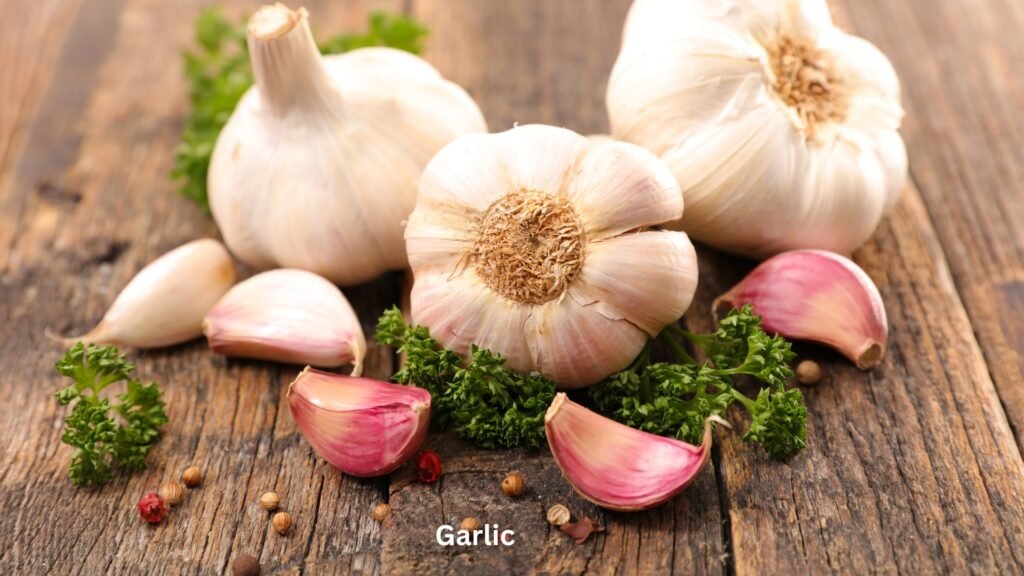
Health Benefits of Garlic (Lehsun): India’s Everyday Immunity Spice
Walk into almost any Indian kitchen at dinnertime and you’ll catch that first unmistakable sizzle of garlic hitting hot oil. It’s such a routine sound
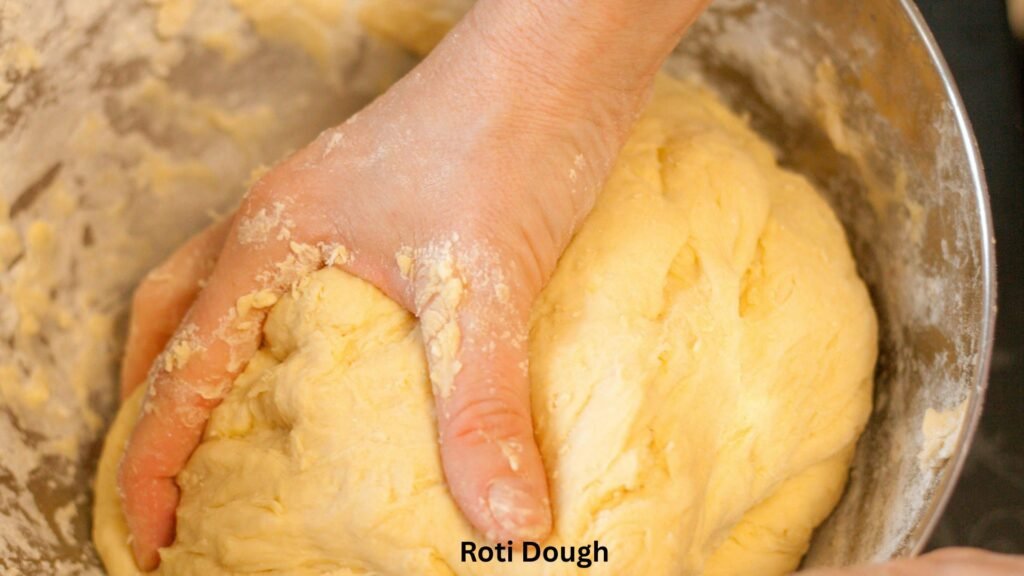
The Science of Resting Roti Dough: Why It Makes Softer Flatbreads
Every Indian home cook has heard some version of “rest the dough before rolling,” usually passed down without much explanation. It sounds like a small
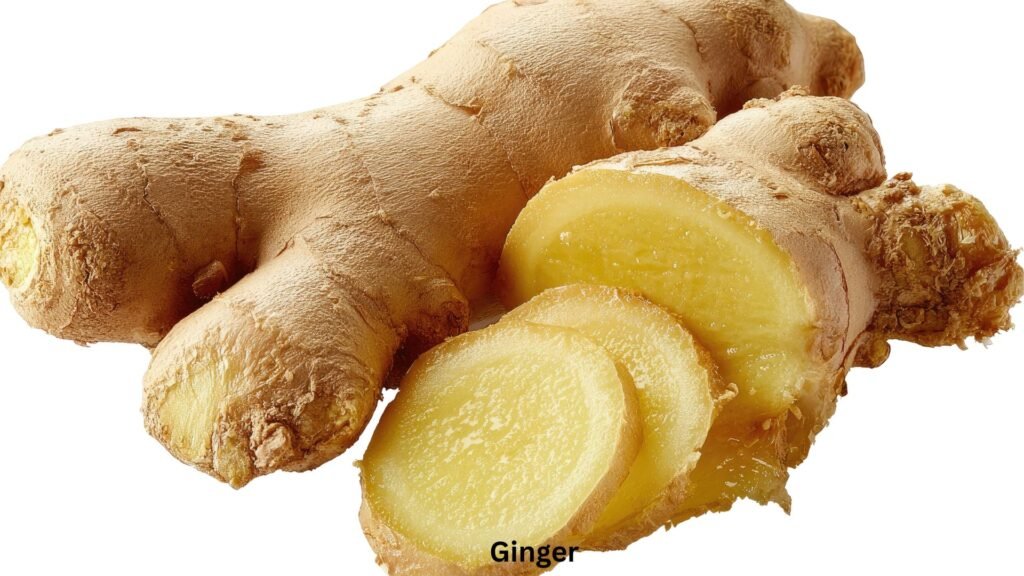
Health Benefits of Ginger (Adrak): India’s Everyday Immunity Spice
Almost every Indian kitchen has a knob of ginger sitting on the counter, ready to be grated into chai the moment someone sneezes. It’s one
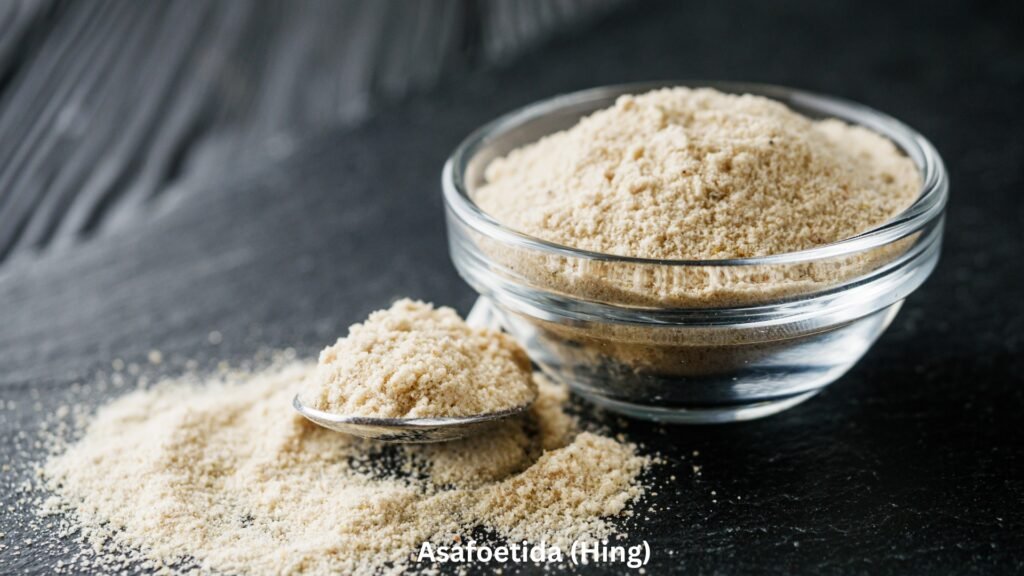
Health Benefits of Asafoetida (Hing): India’s Pungent Digestive Spice
A tiny pinch of hing dropped into hot ghee before it hits the dal is one of those small kitchen rituals that instantly signals “this
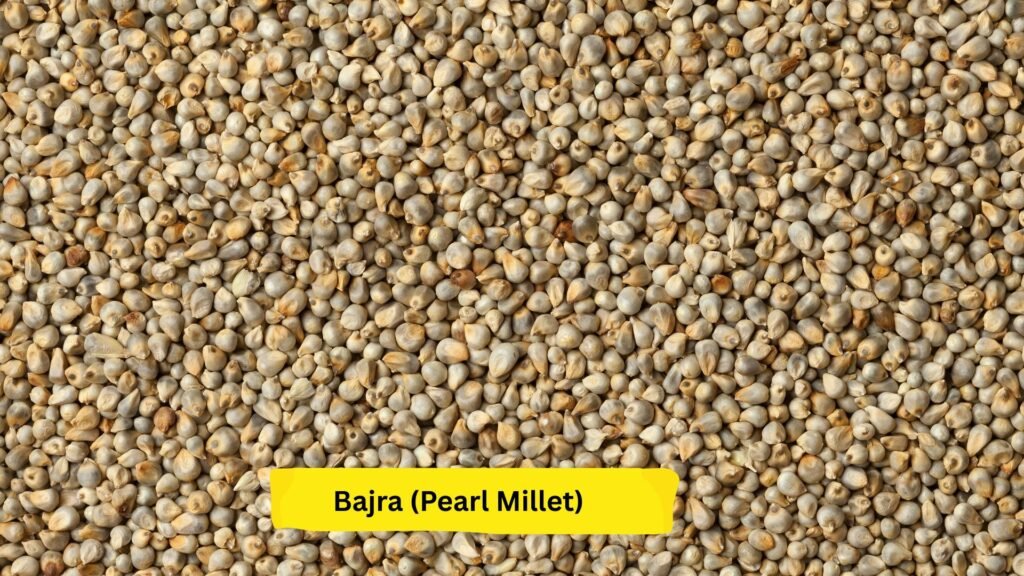
Health Benefits of Bajra (Pearl Millet): India’s Iron-Rich Winter Grain
What is Bajra? Bajra, known in English as pearl millet, is one of the oldest cultivated grains in India. It’s a small, round millet that’s
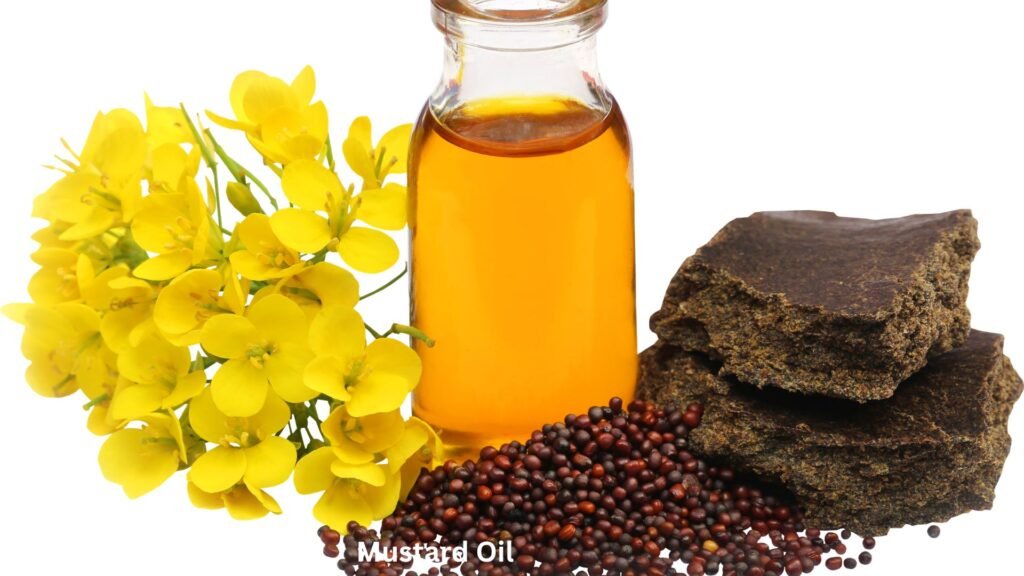
Health Benefits of Mustard Oil (Sarson ka Tel): India’s Traditional Cooking Fat
My mother still keeps two bottles of oil next to the stove, one refined and one mustard, and she reaches for the mustard one whenever
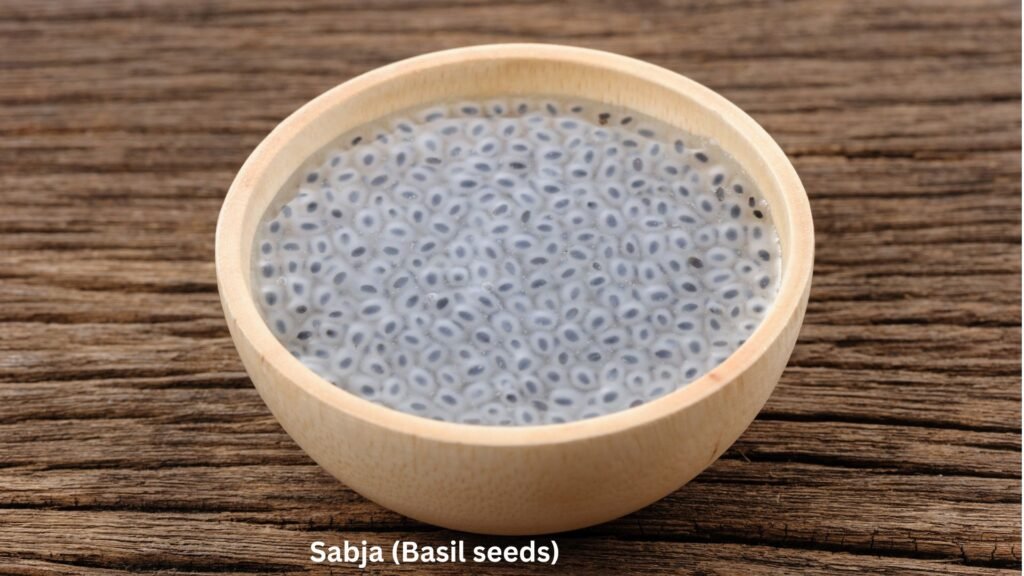
Health Benefits of Sabja (Basil) Seeds: India’s Cooling Monsoon Superseed
The first time I saw sabja seeds, I thought someone had dropped fish eggs into my falooda. My aunt laughed and told me they were
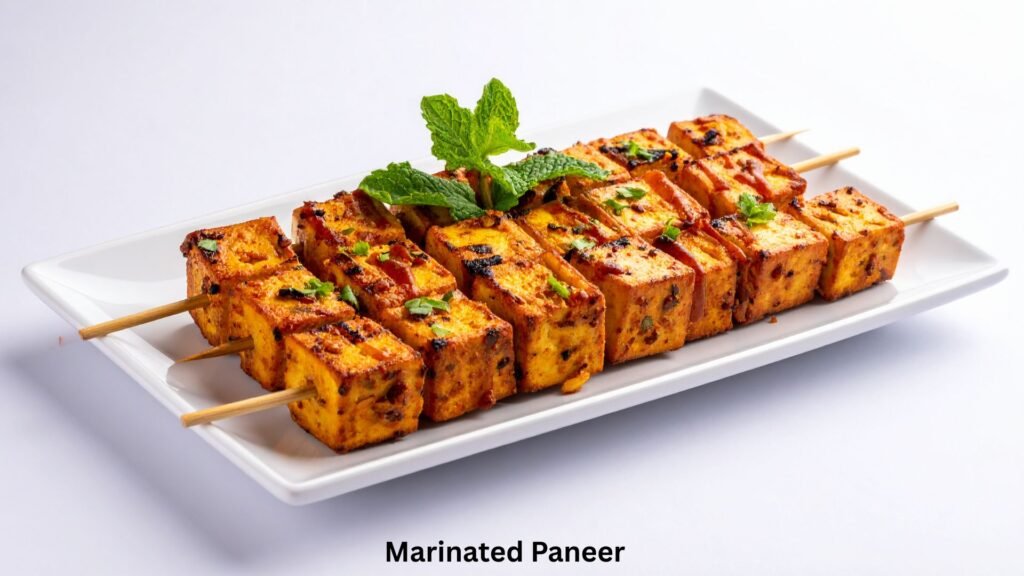
The Science of Marination: Why It Makes Indian Paneer and Vegetables Taste Better
I used to think marinating paneer for a tandoori tikka was just about coating it in yogurt and spices before it hit the pan. It
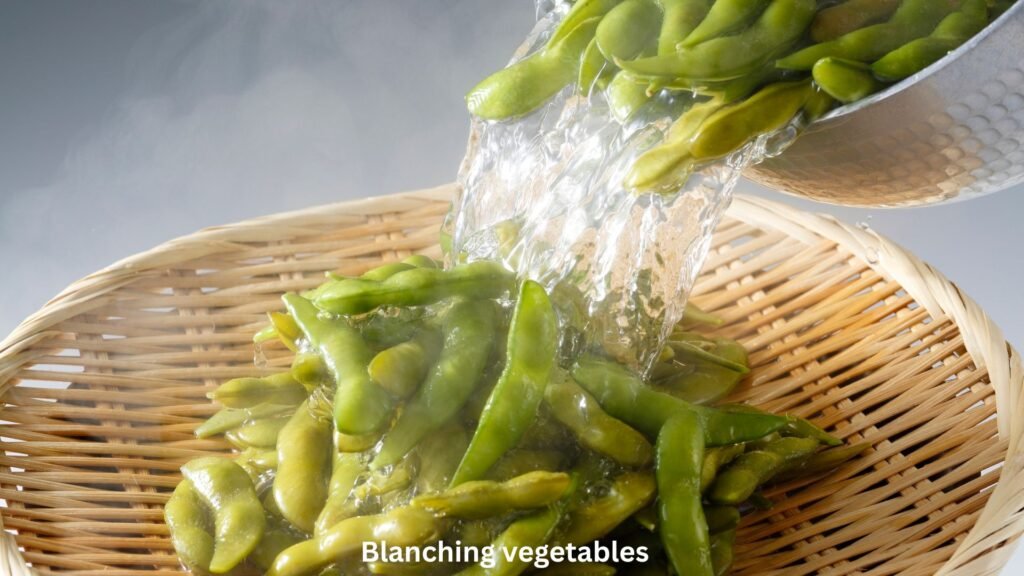
The Science of Blanching: Why Indian Cooks Parboil Vegetables Before Frying
I used to skip blanching my vegetables before frying because it felt like an unnecessary extra step, until I noticed my cauliflower always came out
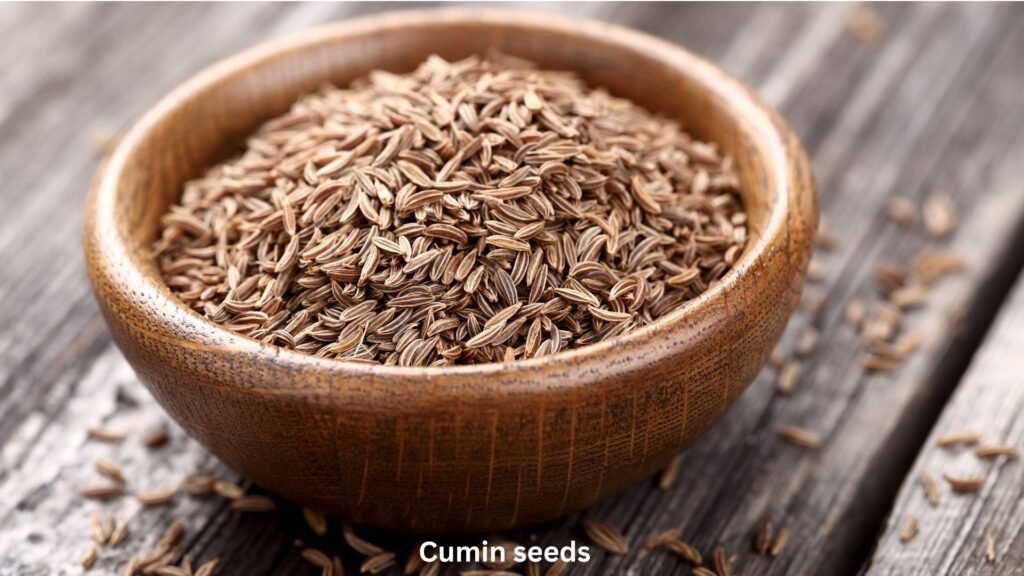
Health Benefits of Cumin (Jeera): India’s Everyday Digestive Spice
Every Indian kitchen has a jar of jeera within arm’s reach of the stove, mine sits right next to the salt, because half of what
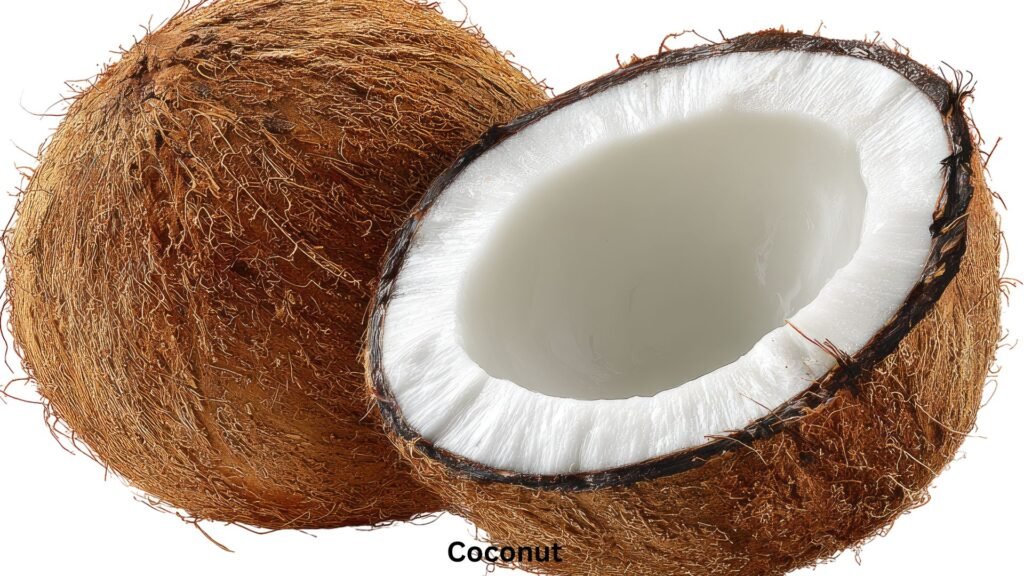
Health Benefits of Coconut: Kerala’s Onam Season Superfood
Every August, once the first coconut hits my kitchen counter for Onam cooking, I remember how much of my mother’s cooking depended on this one
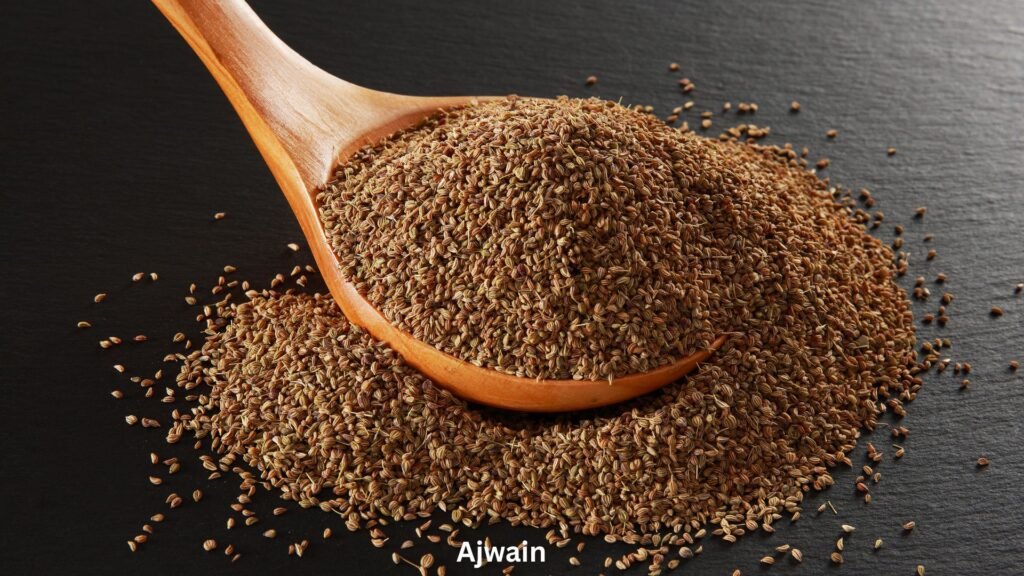
Health Benefits of Ajwain (Carom Seeds): India’s Digestive Powerhouse Spice
Every Indian household seems to have a small jar of ajwain tucked away for emergencies, the kind your mother reaches for the moment you complain
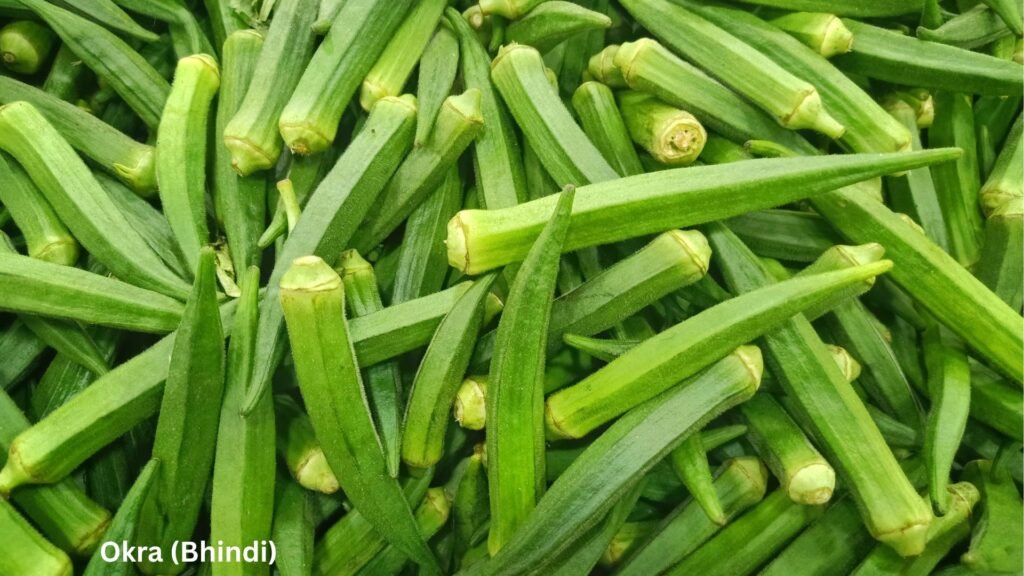
Health Benefits of Okra (Bhindi): India’s Humble Superfood Vegetable
Okra rarely gets the credit it deserves in Indian kitchens. It shows up quietly on the weekly sabzi rotation, gets called slimy more often than
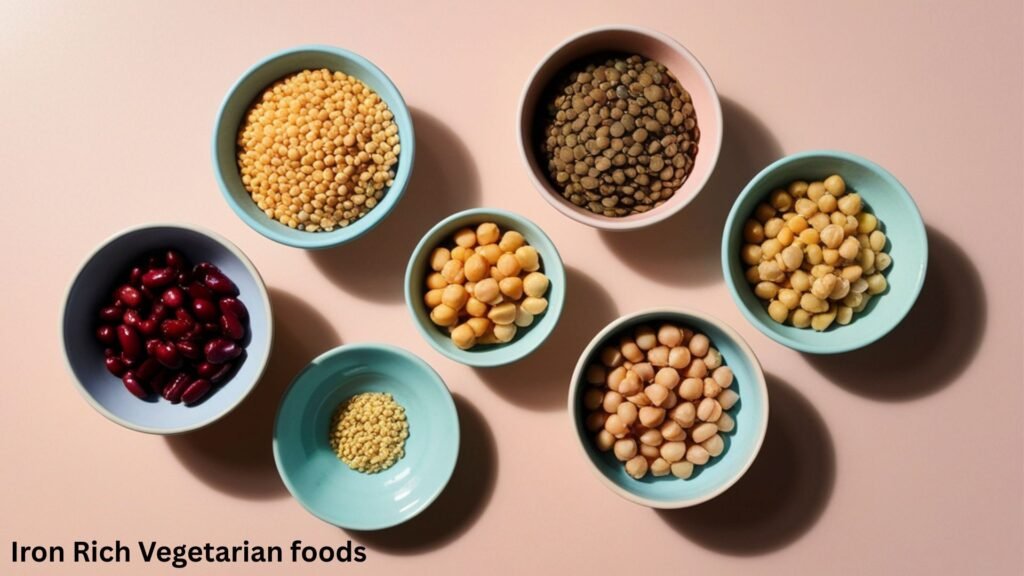
Iron-Rich Vegetarian Foods for an Indian Diet: Fighting Anemia Naturally
A routine blood test a couple of years ago told me my iron levels were lower than they should be, which surprised me because I