
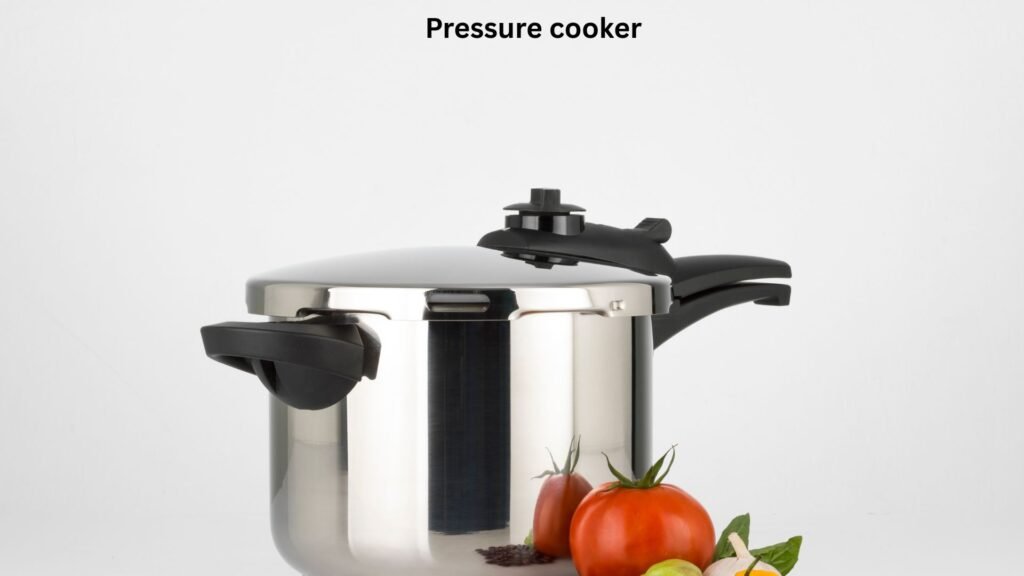
Ask anyone who grew up in an Indian household and they’ll tell you the sound of a pressure cooker whistling is basically a dinner bell. Dal that would simmer for an hour on an open flame is done in fifteen minutes, and nobody in my family ever questioned why the cooker was just non-negotiable kitchen equipment, like the mixer-grinder or the tawa. It’s only when you look at what’s actually happening inside that sealed pot that you realize how much science is packed into that hissing sound.
Why Pressure Cooking Works
A pressure cooker is a sealed pot that traps steam as water boils. As steam builds up with nowhere to escape, the pressure inside rises above normal atmospheric pressure, and here’s the part that matters: at higher pressure, water needs a higher temperature to boil. In a regular open pot, water boils at 100C no matter how high you turn the flame, the extra heat just makes it boil more vigorously, not hotter. Inside a sealed cooker, the trapped steam can push the boiling point up to around 120-121C, and that higher cooking temperature is what shrinks a two-hour rajma into a twenty-minute job.
Where Pressure Cooking Fits in Indian Kitchen Culture
Pressure cookers arrived in India in the 1950s, and within a couple of decades they’d become one of the most common wedding-gift and household-essential items across the country. Part of that was practical: Indian cooking leans heavily on dried lentils, whole spices, and tougher vegetables like potatoes, all of which take a long time to soften with regular boiling. Fuel, whether kerosene, LPG, or firewood, was also expensive and often rationed, so a pot that cut cooking time by 70-80% wasn’t a luxury, it was a necessity. Even today, with induction stoves and instant pots widely available, the whistle-counting cooker remains the default way most Indian households make dal, rajma, chana, and rice.
The Real Benefits
- Cooks dense, fibrous foods like whole lentils, beans, and tougher vegetables in a fraction of the time compared to open-pot boiling
- Uses less fuel and less water, since the sealed environment prevents steam from escaping and drying things out
- Retains more water-soluble vitamins (like B vitamins and vitamin C) than long open-pot boiling, because shorter cooking times mean less nutrient breakdown
- Softens tough plant fibers and breaks down anti-nutrients in legumes more effectively, which is part of why pressure-cooked dal is easier to digest than undercooked dal
- Keeps the kitchen cooler and faster-moving, since you’re not tending an open pot for an hour
Tips for Getting the Most Out of Your Pressure Cooker
- Always add enough water, at least one cup, since the sealed cooking process relies on steam, and too little water can scorch the bottom before pressure even builds
- Don’t overfill the cooker; leave at least a third of the pot empty so there’s room for steam to build pressure safely
- Match whistle count to the ingredient: 3-4 whistles for dal, 1 whistle plus simmering for rice, 4-5 for tougher rajma or chana
- Let the pressure release naturally for delicate items like rice or dal, since a natural release keeps grains intact instead of blowing them apart with a rushed quick-release
- Soak beans and legumes beforehand when possible, it cuts cooking time further and helps them cook more evenly
Once you know what’s actually happening under that lid, the pressure cooker stops feeling like a mysterious hissing box and starts feeling like exactly what it is, a simple, energy-efficient way to get real food on the table fast, which is probably why it never went out of style in Indian kitchens in the first place.
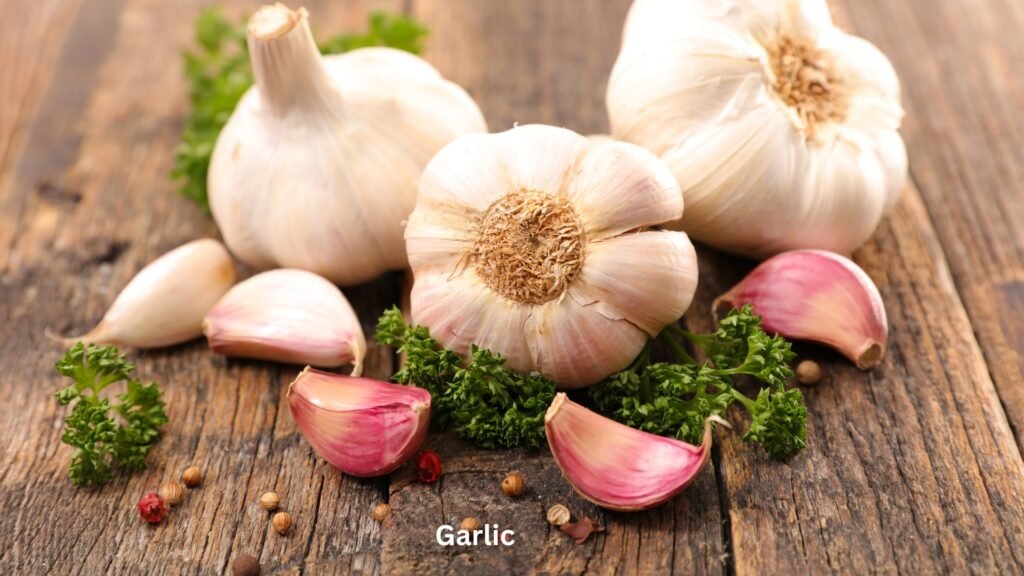
Health Benefits of Garlic (Lehsun): India’s Everyday Immunity Spice
Walk into almost any Indian kitchen at dinnertime and you’ll catch that first unmistakable sizzle of garlic hitting hot oil. It’s such a routine sound
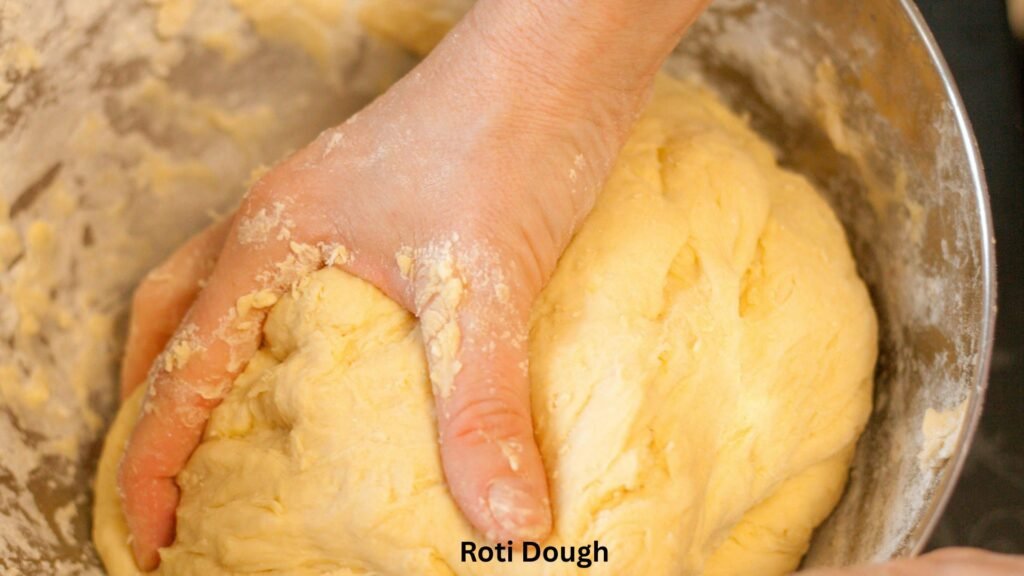
The Science of Resting Roti Dough: Why It Makes Softer Flatbreads
Every Indian home cook has heard some version of “rest the dough before rolling,” usually passed down without much explanation. It sounds like a small
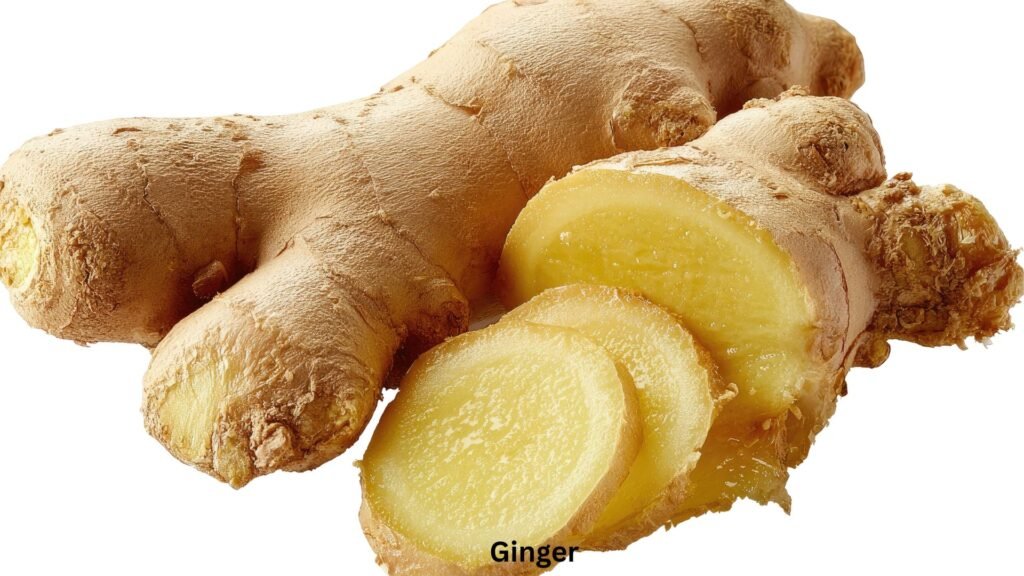
Health Benefits of Ginger (Adrak): India’s Everyday Immunity Spice
Almost every Indian kitchen has a knob of ginger sitting on the counter, ready to be grated into chai the moment someone sneezes. It’s one
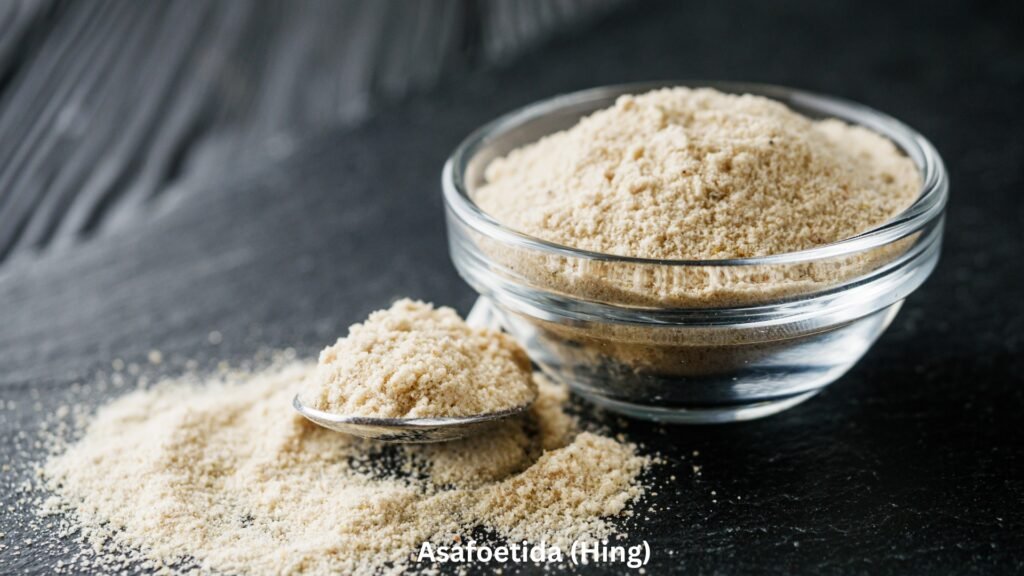
Health Benefits of Asafoetida (Hing): India’s Pungent Digestive Spice
A tiny pinch of hing dropped into hot ghee before it hits the dal is one of those small kitchen rituals that instantly signals “this
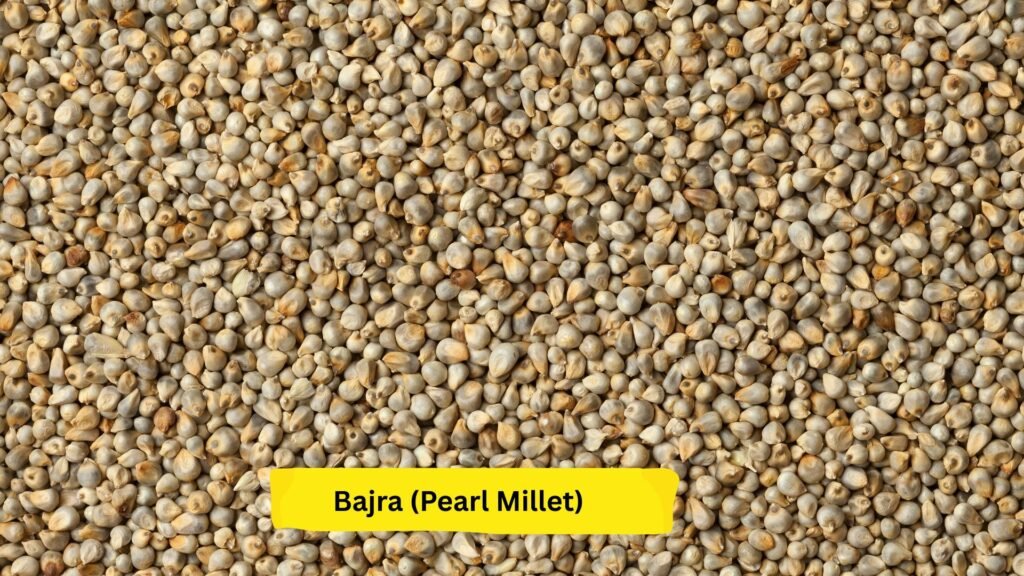
Health Benefits of Bajra (Pearl Millet): India’s Iron-Rich Winter Grain
What is Bajra? Bajra, known in English as pearl millet, is one of the oldest cultivated grains in India. It’s a small, round millet that’s
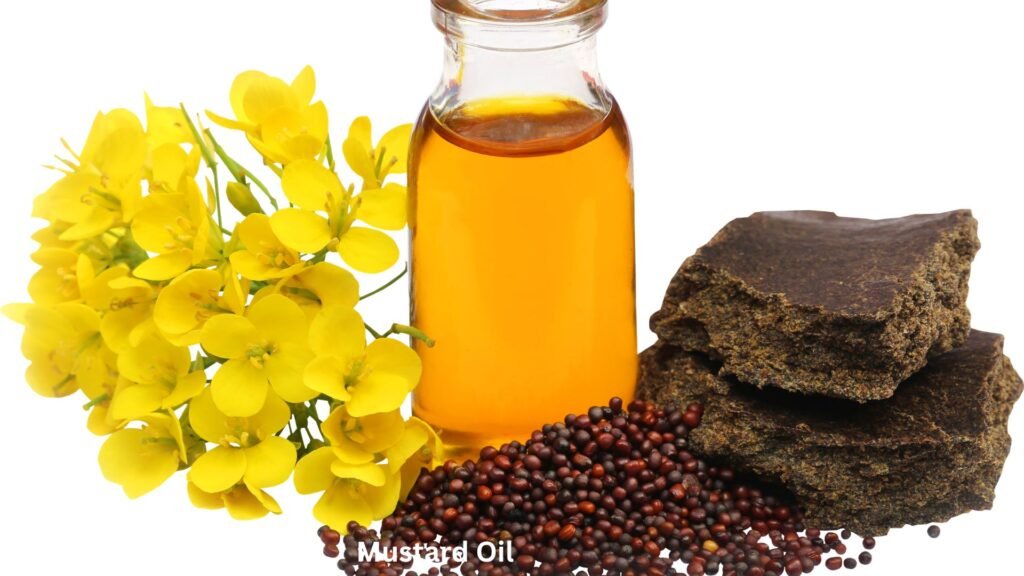
Health Benefits of Mustard Oil (Sarson ka Tel): India’s Traditional Cooking Fat
My mother still keeps two bottles of oil next to the stove, one refined and one mustard, and she reaches for the mustard one whenever
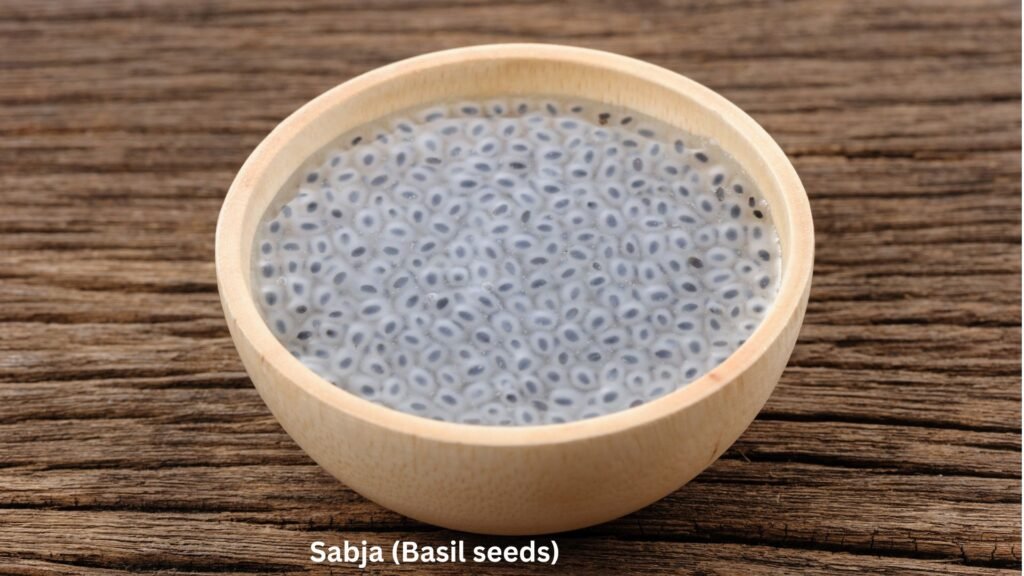
Health Benefits of Sabja (Basil) Seeds: India’s Cooling Monsoon Superseed
The first time I saw sabja seeds, I thought someone had dropped fish eggs into my falooda. My aunt laughed and told me they were
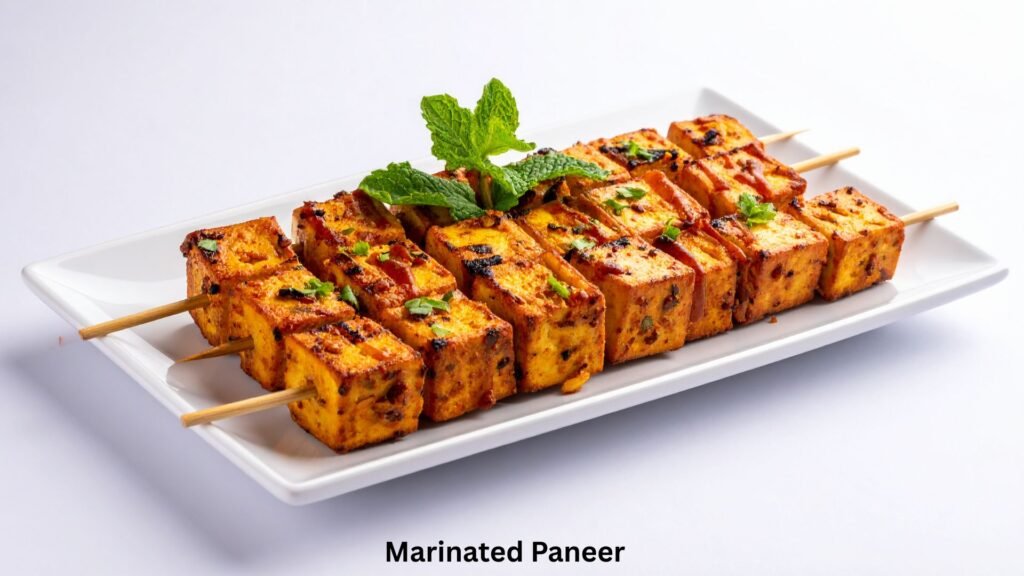
The Science of Marination: Why It Makes Indian Paneer and Vegetables Taste Better
I used to think marinating paneer for a tandoori tikka was just about coating it in yogurt and spices before it hit the pan. It
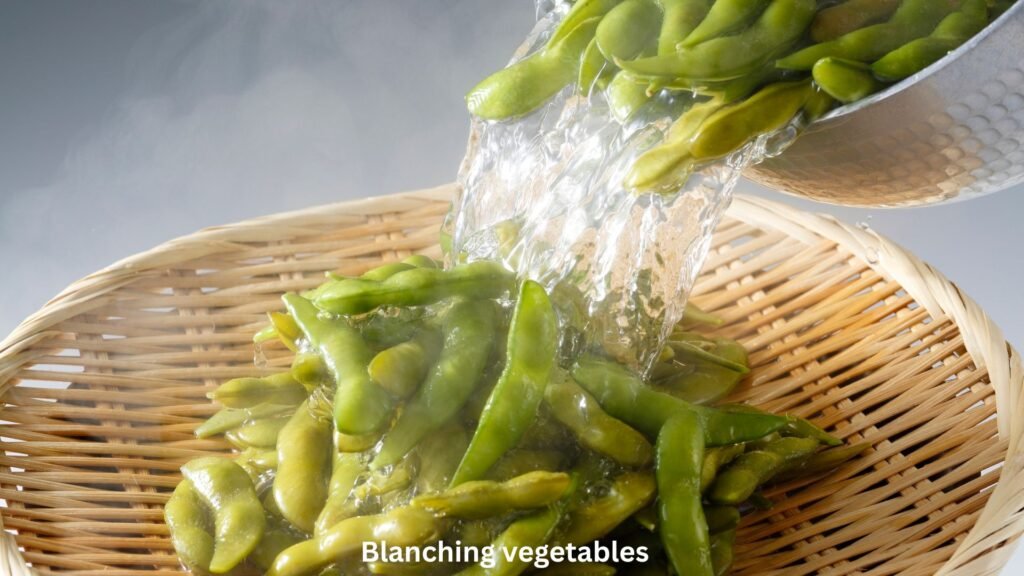
The Science of Blanching: Why Indian Cooks Parboil Vegetables Before Frying
I used to skip blanching my vegetables before frying because it felt like an unnecessary extra step, until I noticed my cauliflower always came out
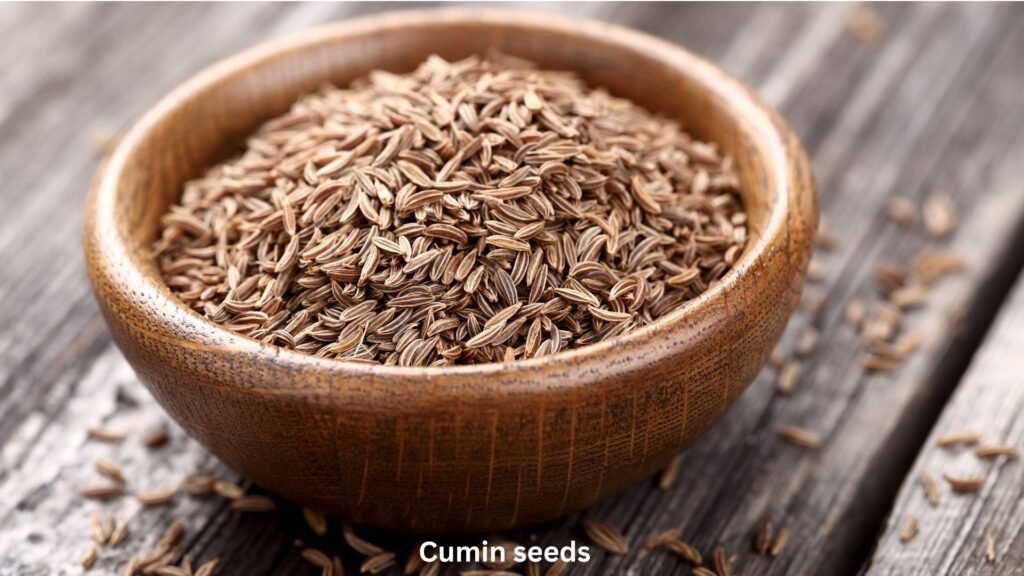
Health Benefits of Cumin (Jeera): India’s Everyday Digestive Spice
Every Indian kitchen has a jar of jeera within arm’s reach of the stove, mine sits right next to the salt, because half of what
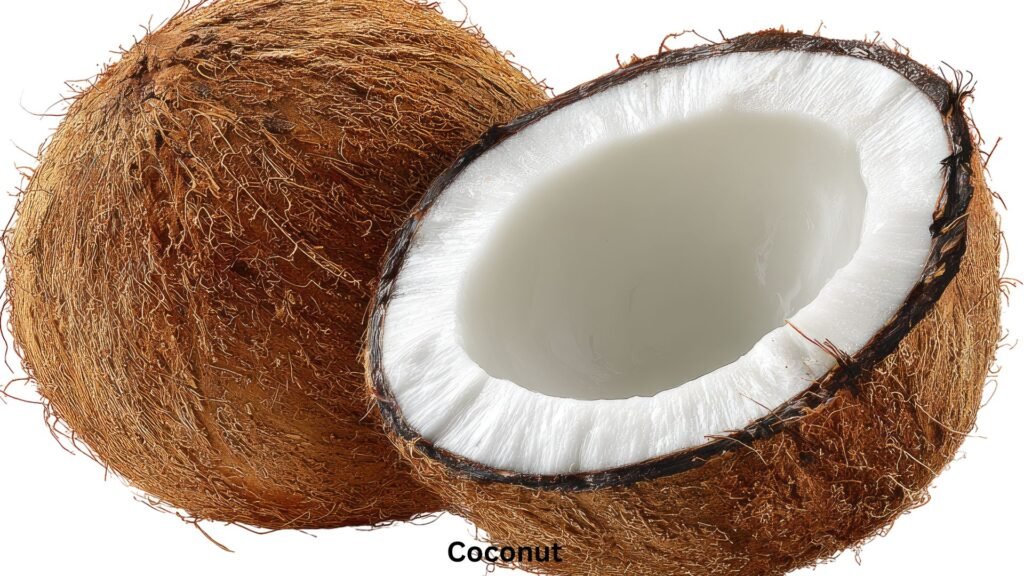
Health Benefits of Coconut: Kerala’s Onam Season Superfood
Every August, once the first coconut hits my kitchen counter for Onam cooking, I remember how much of my mother’s cooking depended on this one
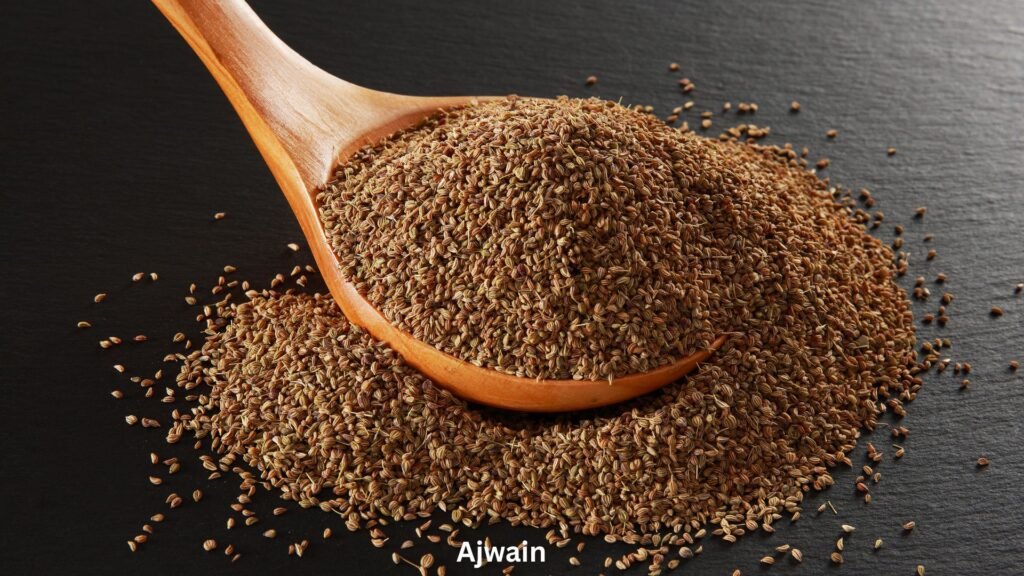
Health Benefits of Ajwain (Carom Seeds): India’s Digestive Powerhouse Spice
Every Indian household seems to have a small jar of ajwain tucked away for emergencies, the kind your mother reaches for the moment you complain
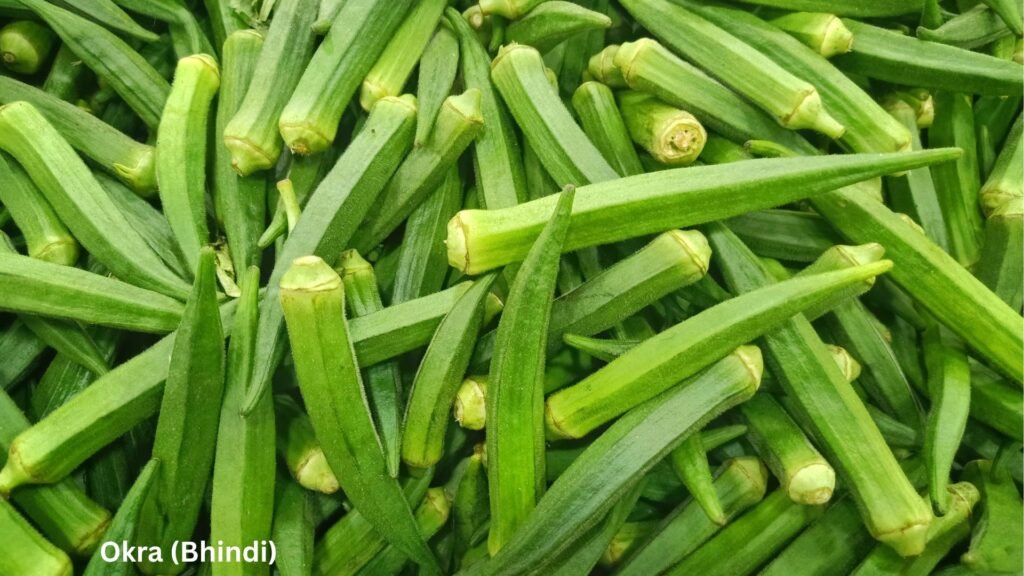
Health Benefits of Okra (Bhindi): India’s Humble Superfood Vegetable
Okra rarely gets the credit it deserves in Indian kitchens. It shows up quietly on the weekly sabzi rotation, gets called slimy more often than
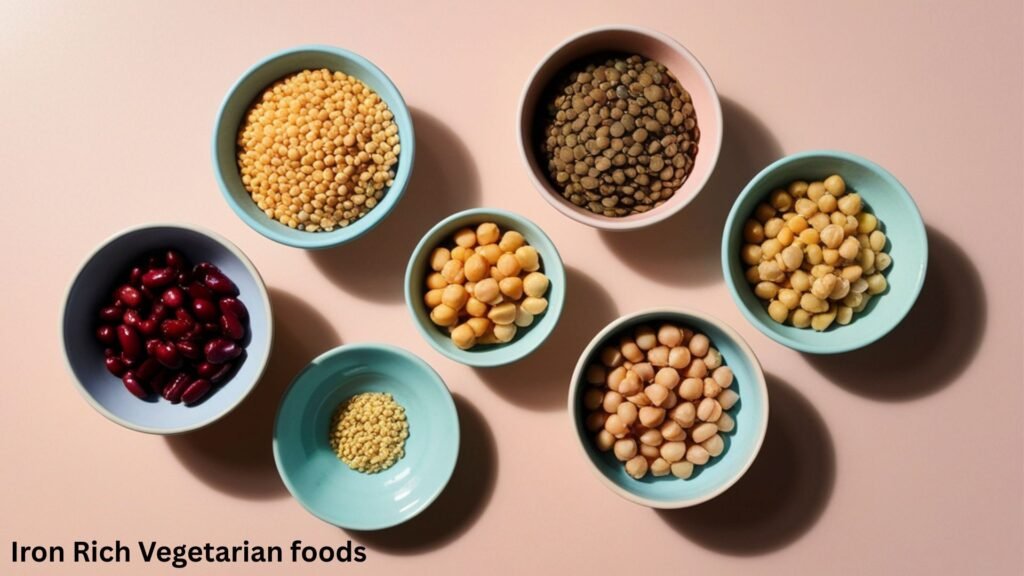
Iron-Rich Vegetarian Foods for an Indian Diet: Fighting Anemia Naturally
A routine blood test a couple of years ago told me my iron levels were lower than they should be, which surprised me because I