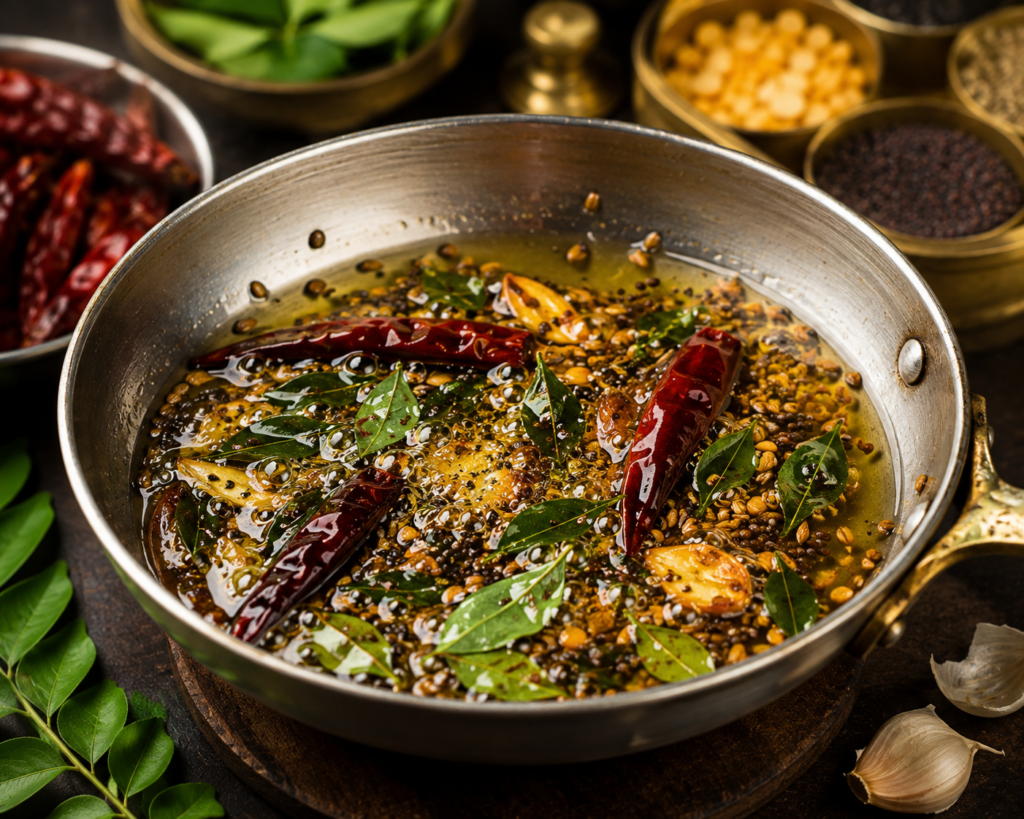
I used to skip the tadka step when I was in a hurry, tossing raw cumin and mustard seeds straight into the dal. It never tasted quite right, and I couldn’t figure out why – until I learned what’s actually happening in that sizzling pan of hot oil.
What is Tadka?
Tadka, also called tempering or chhaunk, is the technique of briefly frying whole spices, and sometimes garlic, ginger or curry leaves, in hot oil or ghee before adding them to a finished dish, or using the flavored oil to finish a dal or curry. It’s one of the most defining techniques in Indian cooking, used everywhere from dal to raita to chutneys.
Where Tadka Comes From
Tempering appears in nearly every regional Indian cuisine, from Punjabi dal tadka to South Indian tadka for sambar and rasam, each with its own preferred combination of spices, oil and order of addition. The technique likely developed because many spices contain flavor compounds that are fat-soluble rather than water-soluble, and Indian cooks discovered, through generations of practice, that blooming spices in hot fat unlocked far more flavor than simply boiling them in a dish.
The Real Science Behind It
- Many spice compounds, like the curcumin in turmeric or the capsaicinoids in chili, are fat-soluble, so heating them in oil releases more flavor and color than water alone would
- High heat triggers the Maillard reaction and caramelization in spices like mustard seeds and curry leaves, creating deeper, toastier notes
- Cooking spices briefly at the right temperature preserves their volatile aromatic oils better than prolonged boiling, which can cook those aromas away
- Adding tempered spices at the end rather than the start of cooking a dal often preserves more of their fragrance
Tips for a Better Tadka
- Heat the oil or ghee until visibly shimmering before adding whole spices like cumin or mustard seeds, so they sputter rather than just sit and burn
- Add ingredients in order of how much heat they can handle – hardier spices like mustard seeds first, more delicate ones like asafoetida or curry leaves last
- Watch closely: spices can go from perfectly toasted to bitter and burnt in seconds
- Pour the hot tempered oil over the dish just before serving for the most noticeable aroma
Why It’s Worth the Extra Step
Tadka takes barely two minutes, but it’s often the difference between a dish that tastes flat and one that tastes like it came from a well-loved family kitchen. Once you understand the reasoning behind it, it’s a lot harder to skip.
The Science Behind Tadka: Why Tempering Spices Makes Indian Food Taste Better
I used to skip the tadka step when I was in a hurry, tossing raw cumin and mustard seeds straight into the dal. It never
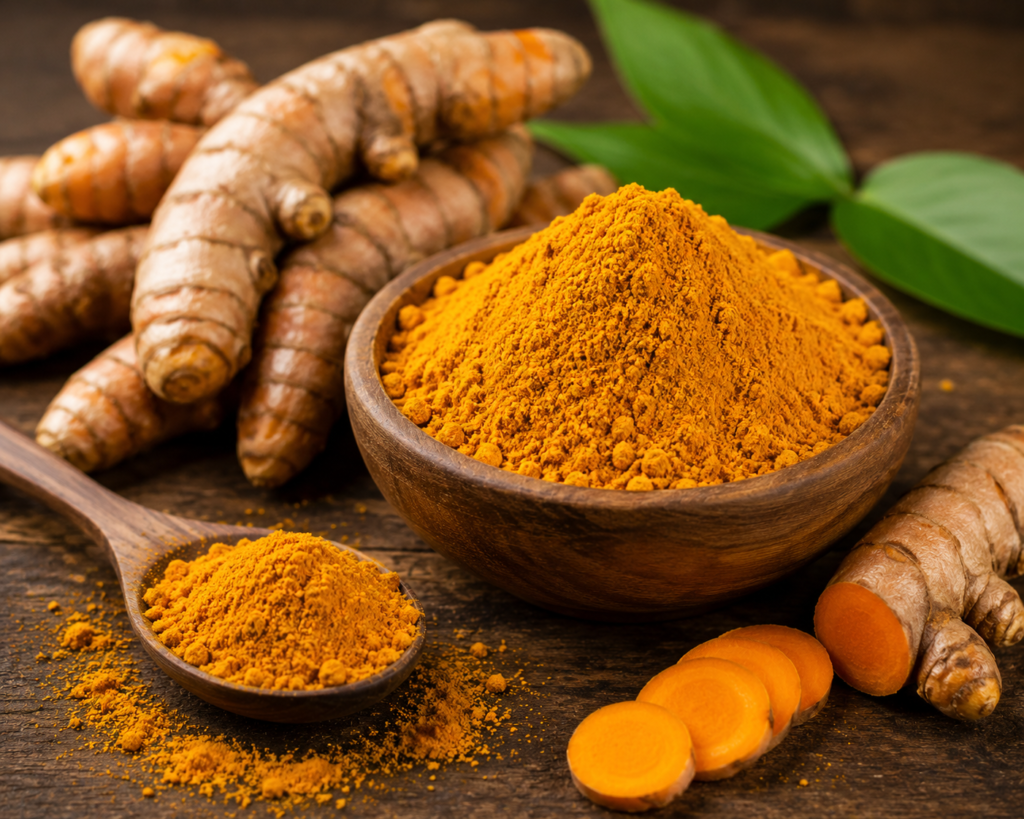
Health Benefits of Turmeric (Haldi): India’s Golden Spice
My mother’s cure for almost everything growing up was a glass of warm turmeric milk – a scraped knee, a cold, even just a rough
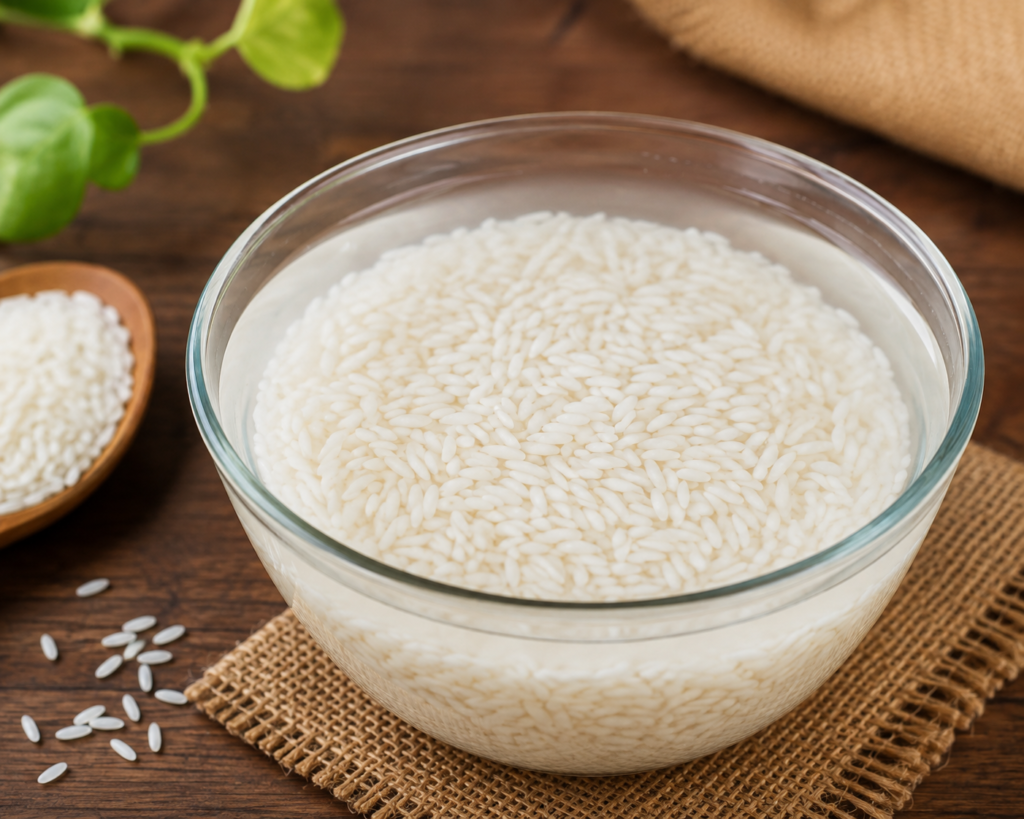
Why Soaking Rice, Dal and Nuts Before Cooking Actually Matters
Soaking rice before cooking, letting dal sit in water for a few hours, leaving almonds in a bowl overnight — these are things most of
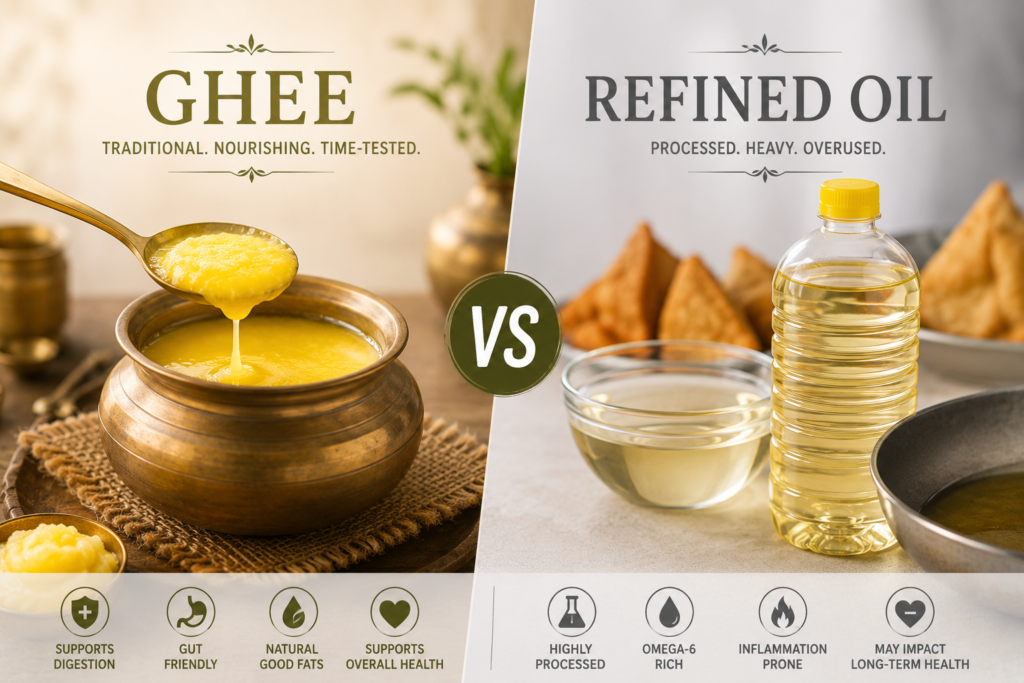
Ghee vs Refined Oil: The Great Indian Cooking Fat Debate
How We Went From Ghee to “Heart-Healthy” Oils and Back Again If you ask anyone above 60 what they cooked with growing up, chances are
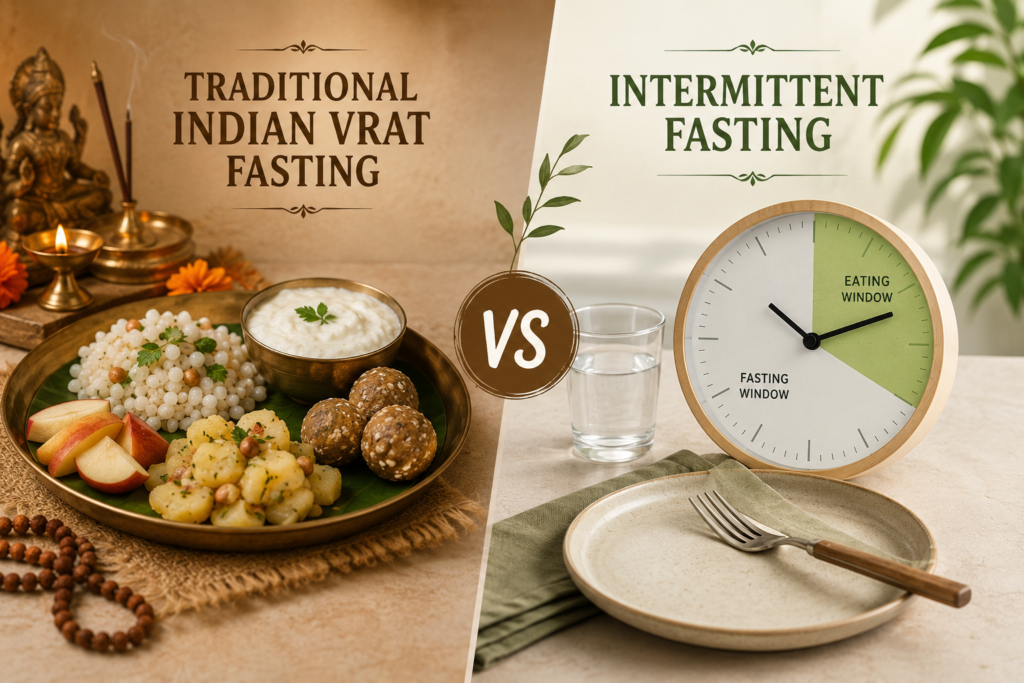
Traditional Indian Vrat Fasting vs Intermittent Fasting: What’s the Real Difference?
Turns Out, We’ve Been “Biohacking” Since Before It Had a Name Intermittent fasting has taken over wellness conversations globally over the last several years, framed
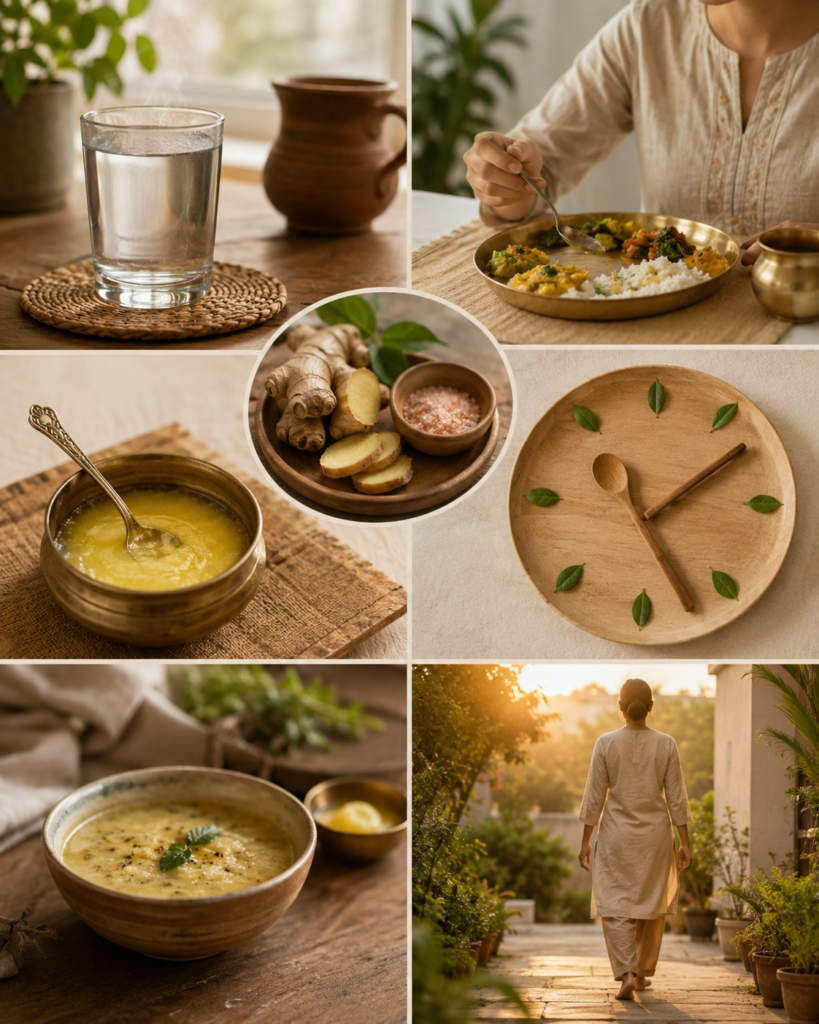
Simple Ayurvedic Morning Habits for Better Gut Health
Gut health has become a big topic lately, but a lot of what’s being talked about now was already part of Ayurveda for centuries. My
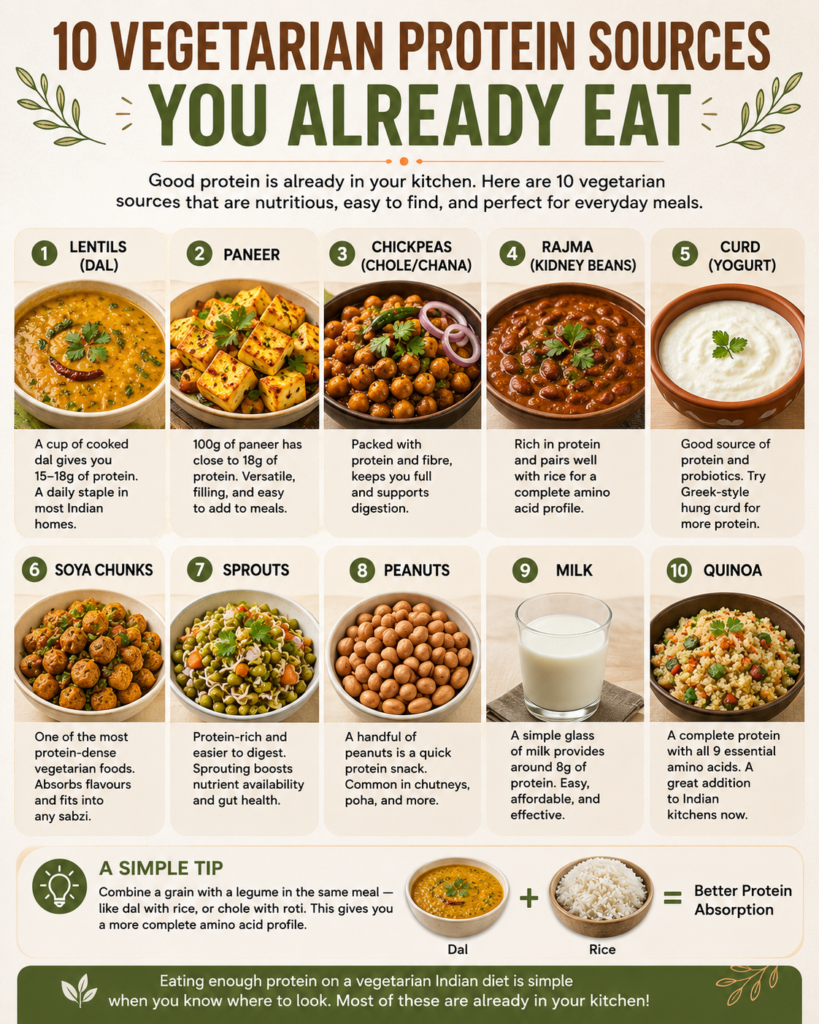
10 High-Protein Vegetarian Foods for an Indian Diet
“Where do vegetarians even get their protein from?” is a question I’ve heard more times than I can count, usually from people who’ve never actually
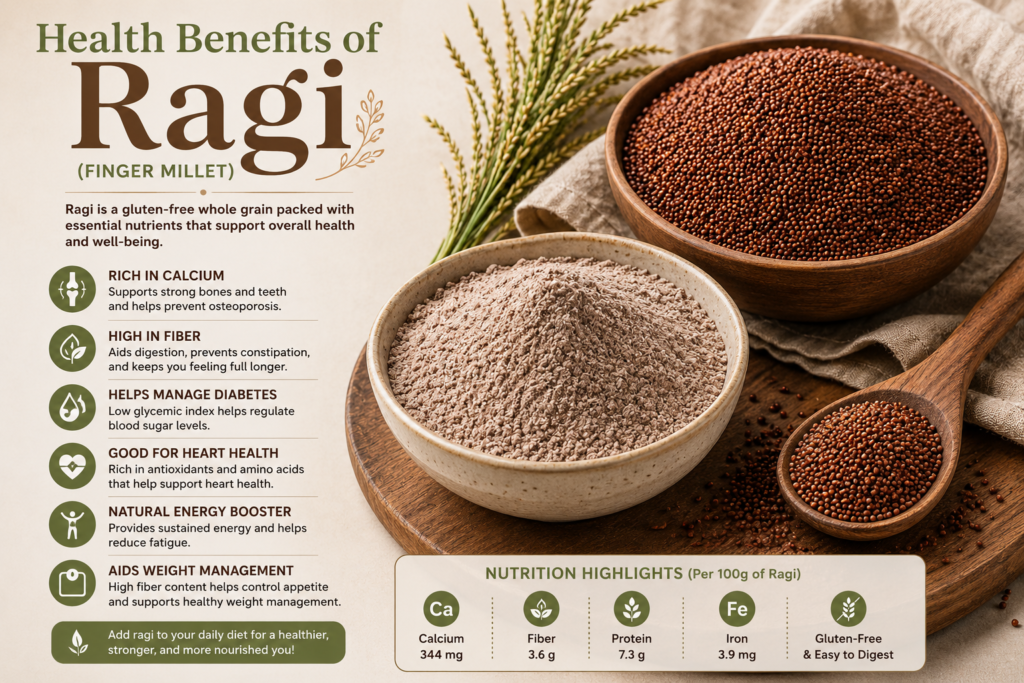
Health Benefits of Ragi (Finger Millet)
Ragi has been quietly sitting in Indian kitchens for generations, long before “superfood” became a marketing word. My grandmother used to make ragi mudde and
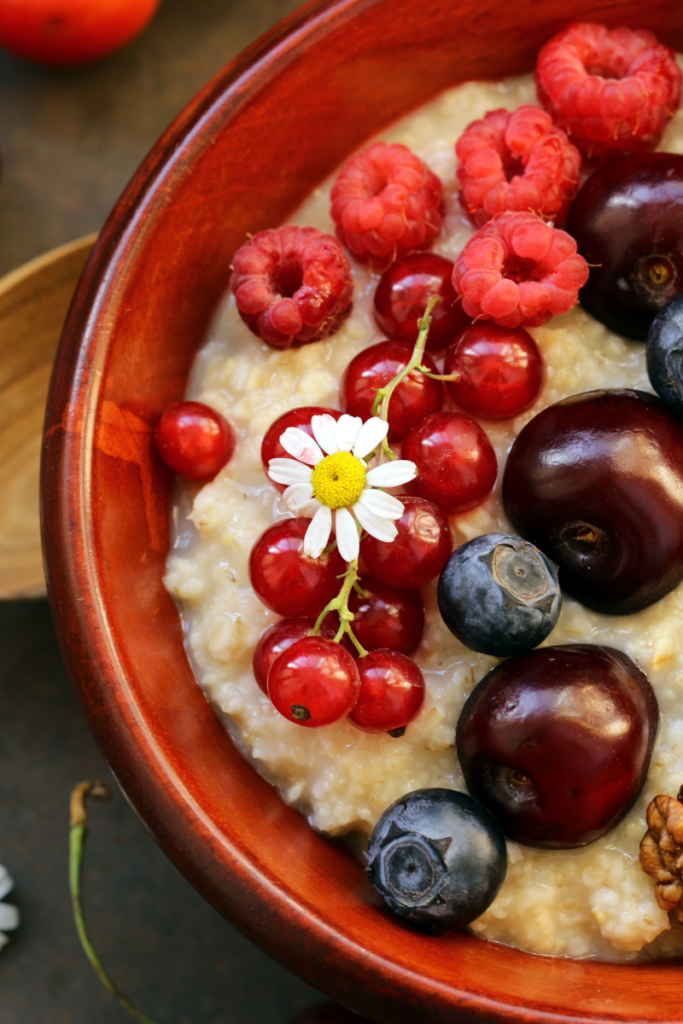
Health Benefits of Oats
Oats, scientifically known as Avena sativa, are a type of cereal grain widely consumed for their nutritional benefits. Oats have been a staple food in
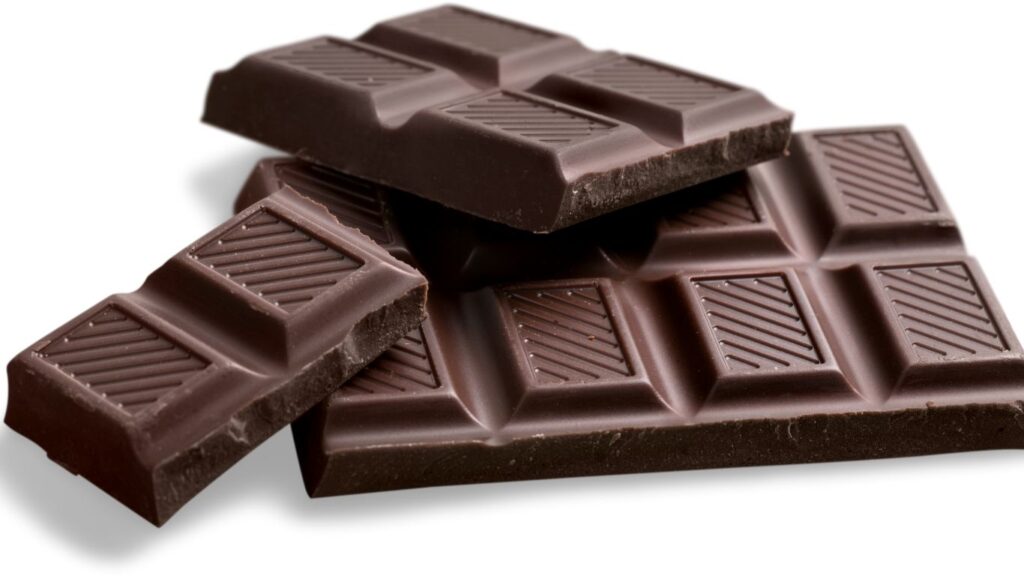
Exploring the Health Benefits of Dark Chocolate
Chocolate is made from the seeds of Theobroma Cacao tree. As per wikipedia dark chocolate have been consumed over years. It may have been developed
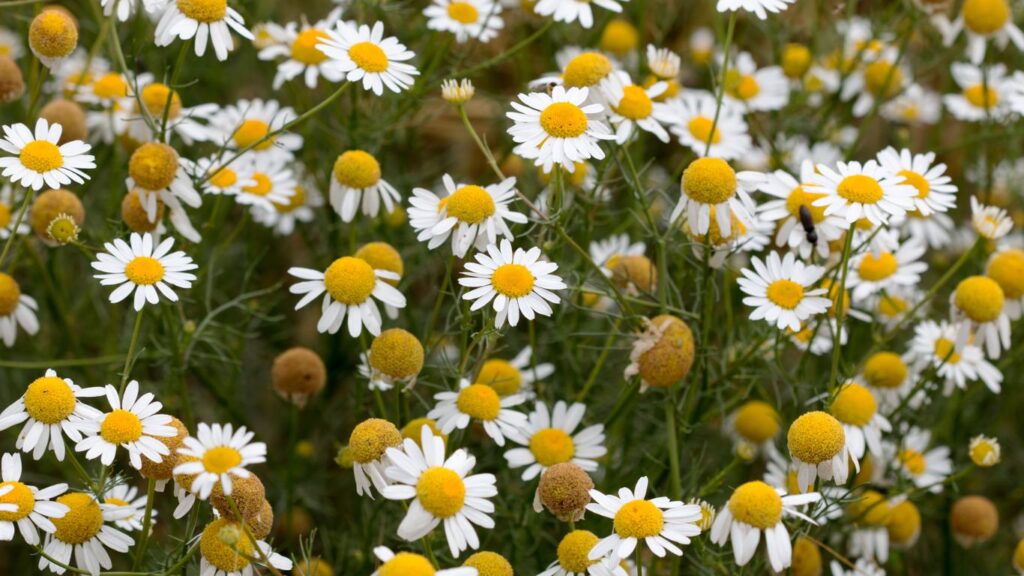
Unlocking the Potential of Homegrown Herbal Remedies
In today’s world, where the focus on natural living and holistic wellness is gaining momentum, homegrown herbal remedies offer a treasure trove of healing potential. From soothing teas to aromatic infusions, these herbal wonders have been cherished for centuries for their diverse therapeutic properties.

Healthy Lifestyle – Take small steps to achieve
In our fast-paced world prioritising a healthy lifestyle is more important than ever. Making conscious choices to nurture our physical, mental and emotional well-being can lead to a happier and more fulfilling life. But where do we start on this journey towards wellness?
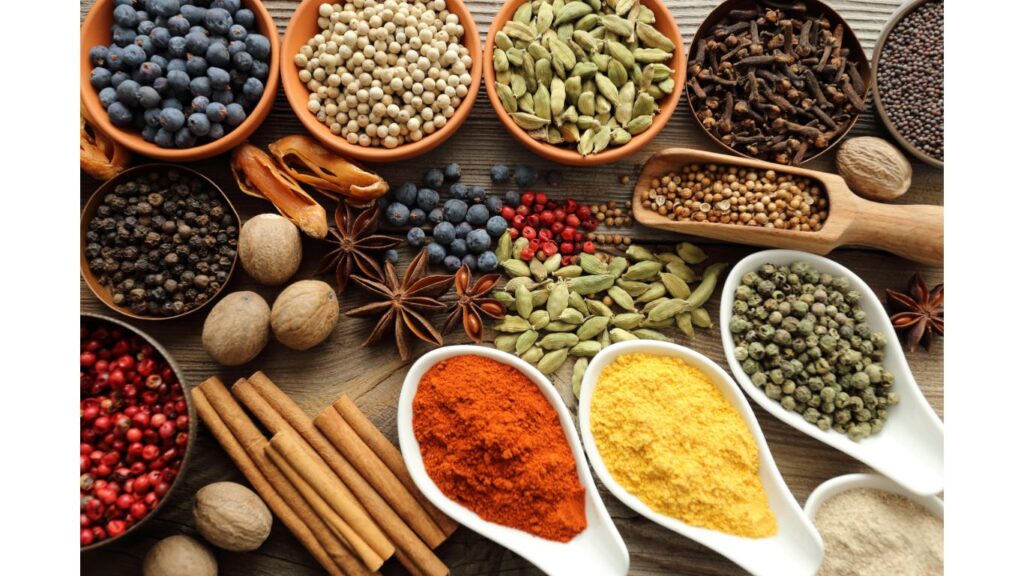
Unlocking the Health Benefits of 7 Essential Spices
Spices are the magical ingredients that add flavour, aroma, and color to our favourite dishes. They come from all sorts of plants like seeds, fruits,
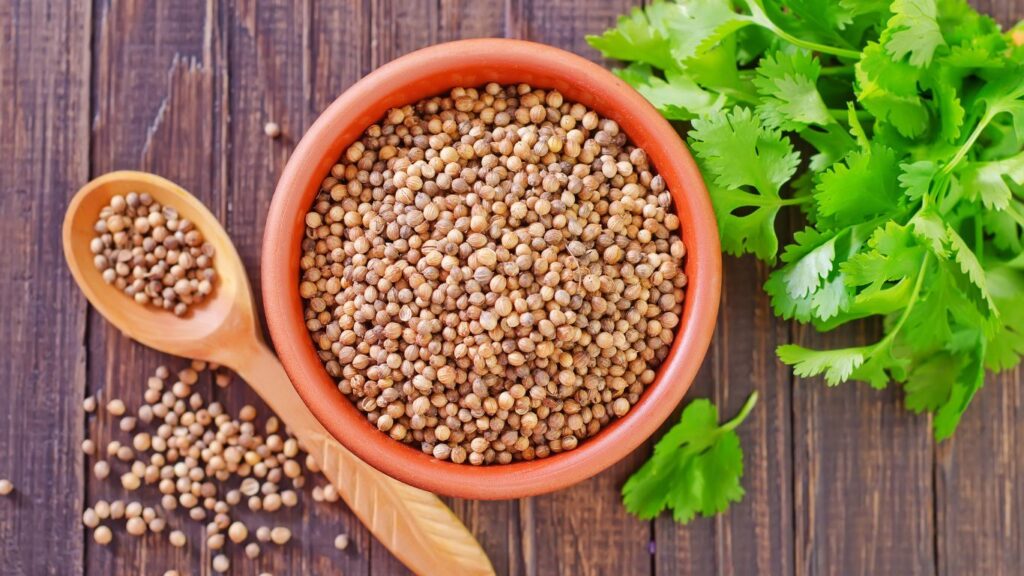
Health Benefits of Coriander Leaves | Coriander Seeds
Coriander offers a plethora of health benefits, making it more than just a flavourful herb. Some of its key advantages include: Rich in antioxidants: Coriander