Why Onions Make You Cry (and the Kitchen Science to Stop It)
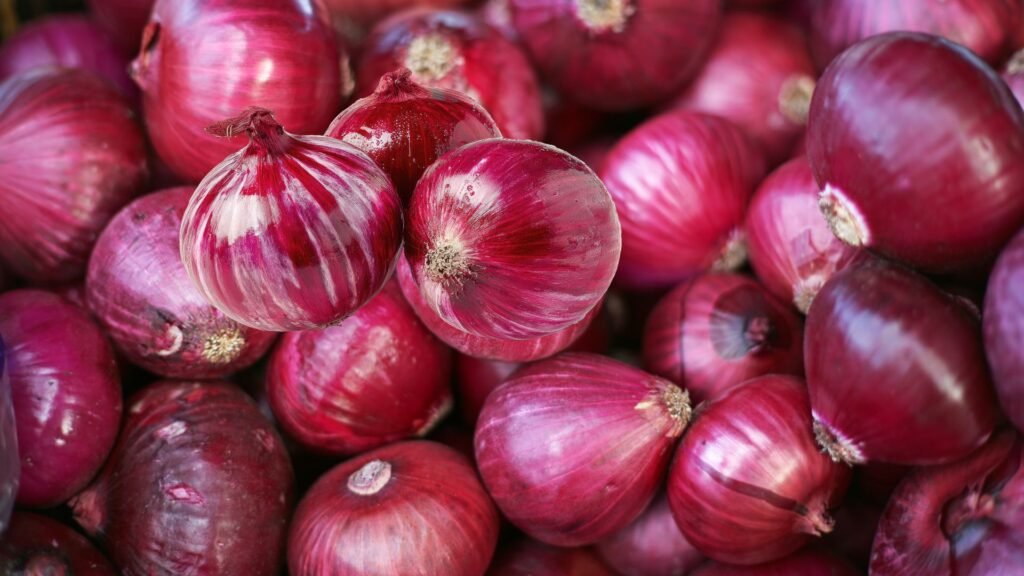
I have stood at more Indian kitchen counters than I can count, chopping onions for the tadka, eyes streaming, while someone inevitably tells me to hold a matchstick in my teeth or chew gum. Some of those tricks actually work, and there’s real chemistry behind why onions make us cry in the first place – once you understand it, stopping it gets a lot easier. Why Do Onions Make You
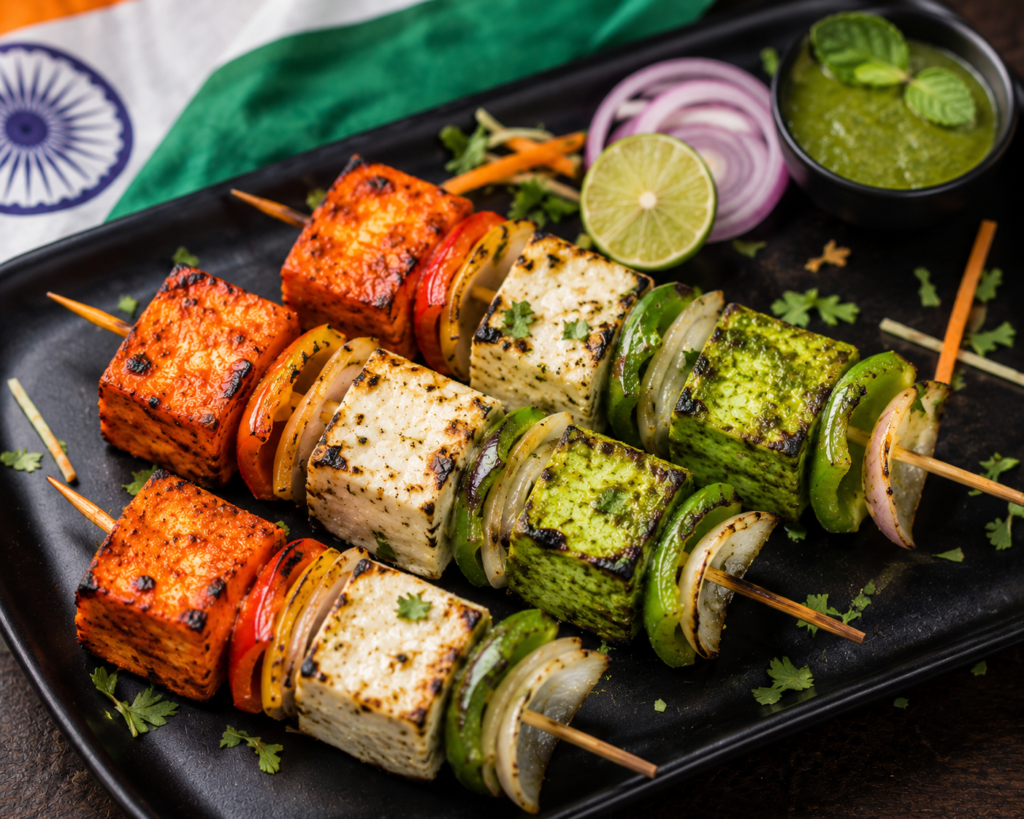
Tiranga Paneer Tikka Recipe | Independence Day Special Tricolor Snack
Every year around Independence Day, I like to bring a little bit of the tricolor to our dinner table, and this tiranga paneer tikka has become our family’s go-to. It is the same beloved paneer tikka everyone loves, just dressed up in saffron, white and green to match the flag. My kids look forward to it every August, and it is always the first plate to empty at any get-together.
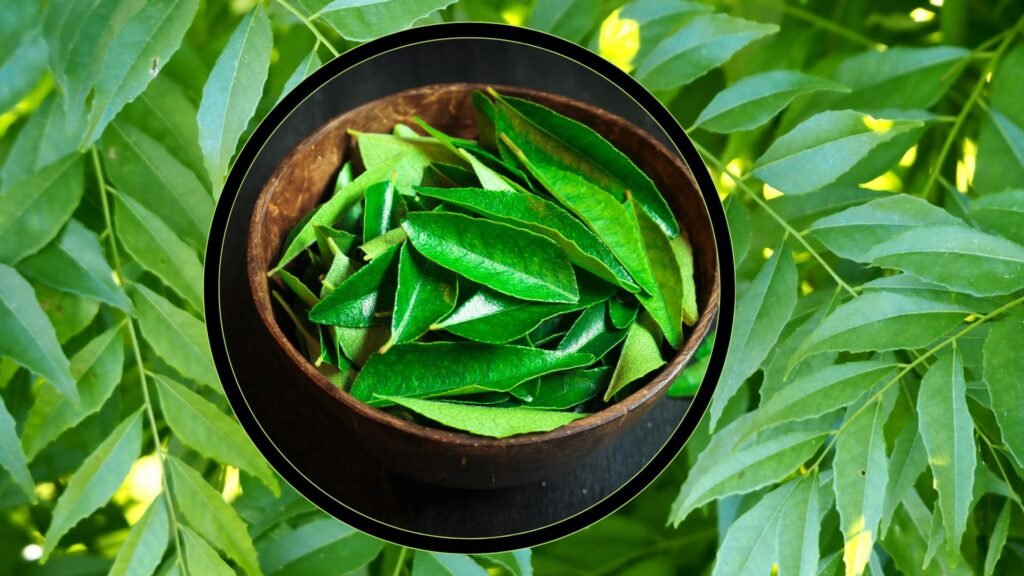
Health Benefits of Curry Leaves (Kadi Patta): India’s Everyday Superfood
I cannot remember a single tadka in my mother’s kitchen that did not involve a handful of curry leaves going into hot oil first. They are so common in Indian cooking that it is easy to overlook them, but these small, glossy leaves are quietly doing a lot more for us than just adding flavor. What Are Curry Leaves? Curry leaves, known as kadi patta in Hindi, come from the
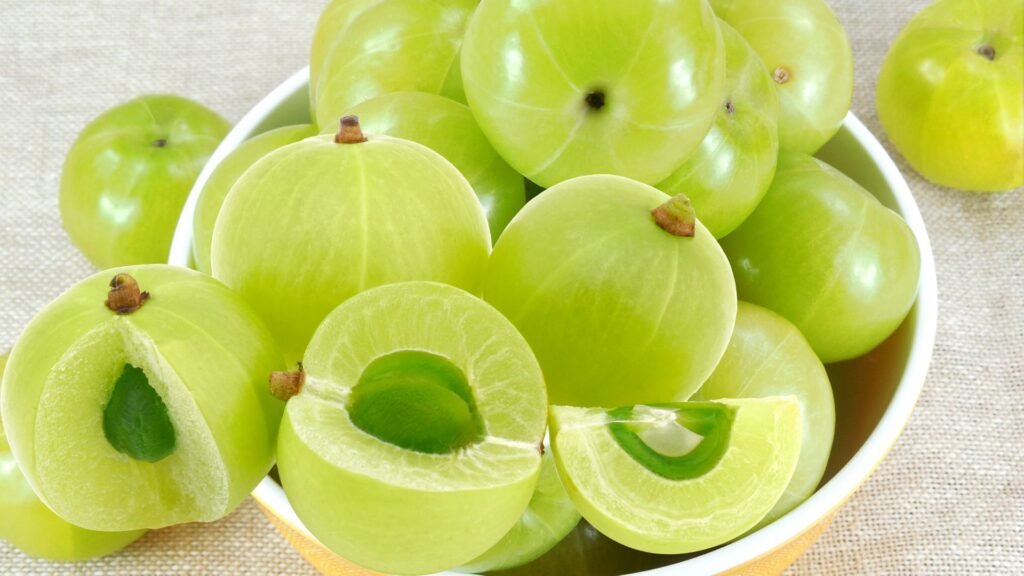
Health Benefits of Amla (Indian Gooseberry): Nature’s Vitamin C Powerhouse
Every year as the weather starts to shift, my grandmother would bring out a jar of homemade amla murabba and insist we all have a spoonful. As a kid I hated the sourness, but now I look forward to amla season every year, it is one of those ingredients that genuinely earns its reputation. What is Amla? Amla, or Indian gooseberry, is a small, tart green fruit that has been
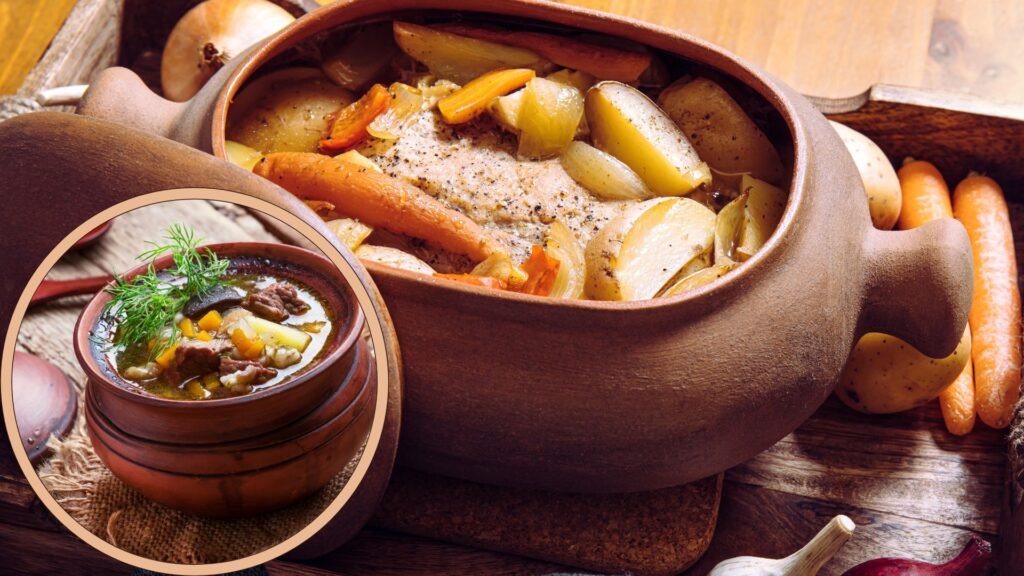
Why Clay Pot Cooking Is Making a Comeback: The Science of Earthen Cookware
My grandmother cooked almost everything in clay pots, dal, rice, even her pickles were stored in earthen jars. For years our family cooked mostly in steel and non-stick pans, but lately I have found myself pulling out a clay handi again, and I am not the only one, earthen cookware is having a real moment in Indian kitchens right now. What is Clay Pot Cooking? Clay pot cooking refers to
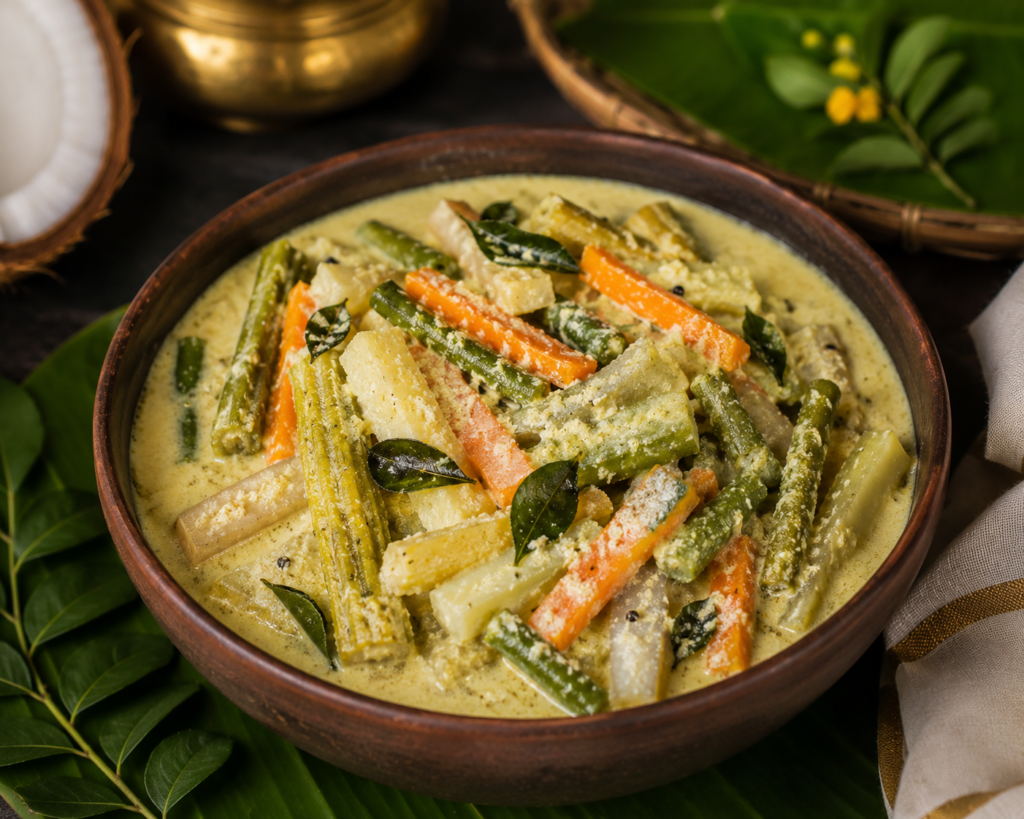
Avial Recipe | Kerala’s Onam Special Mixed Vegetable Curry
Every August, as Onam gets closer, my mind drifts straight back to my Kerala friend Meera’s kitchen, where I’d sit on a stool and watch her stir a giant pot of avial for her family’s sadya. The smell of curry leaves and coconut oil crackling together is genuinely one of my favorite kitchen smells of the whole year. This year she finally handed over her method, and I’ve been making
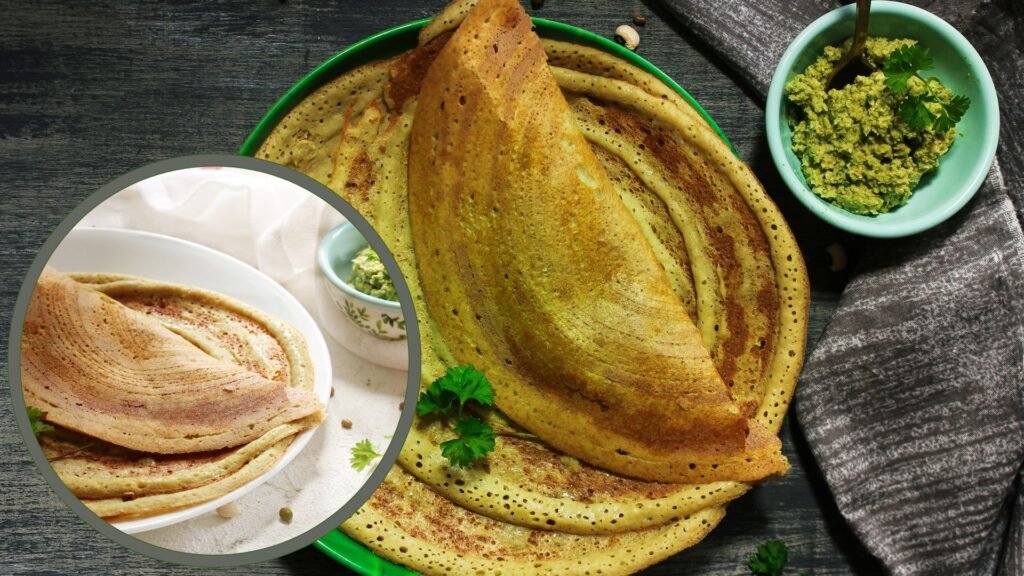
Pesarattu Recipe | Andhra-Style Moong Dal Dosa
Growing up, breakfast at my Andhra friend’s house always meant one thing: a stack of green pesarattu sizzling straight off the tawa, served with a spicy ginger chutney that woke you up faster than any cup of coffee. It took me years and several failed attempts to get the batter right, but now it’s one of my most-made breakfasts. What is Pesarattu? Pesarattu is a savory, protein-rich crepe made from
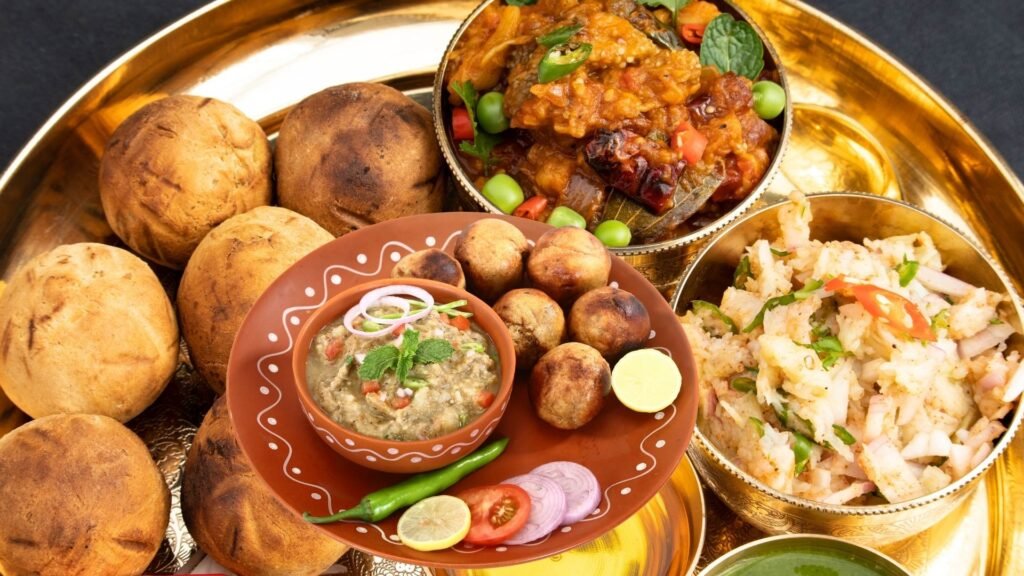
Litti Chokha Recipe | Bihar’s Roasted Wheat Balls with Smoky Mashed Vegetables
A friend from Patna once told me that no restaurant version of litti chokha ever tastes quite as good as the one made over a wood fire at home, and after making it myself, I finally understood why – the smoky char on the baingan and the toasty, nutty sattu filling are impossible to fully replicate any other way. This oven-adapted version still gets remarkably close. What is Litti Chokha?
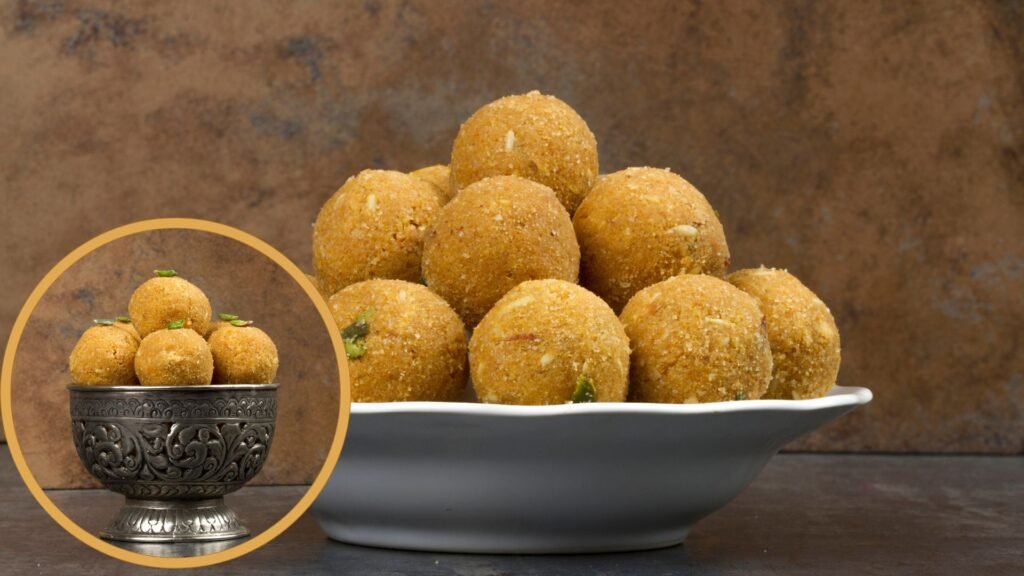
Besan Ladoo Recipe | Easy Rakhi Special Gram Flour Sweets
Growing up, the week before Raksha Bandhan always smelled like roasted besan in our house – my mother would stand at the stove for what felt like forever, stirring gram flour in ghee until the whole kitchen turned warm and nutty. She’d let me roll the ladoos once they cooled just enough to handle, and I always ate at least two “for quality control” before they made it to the
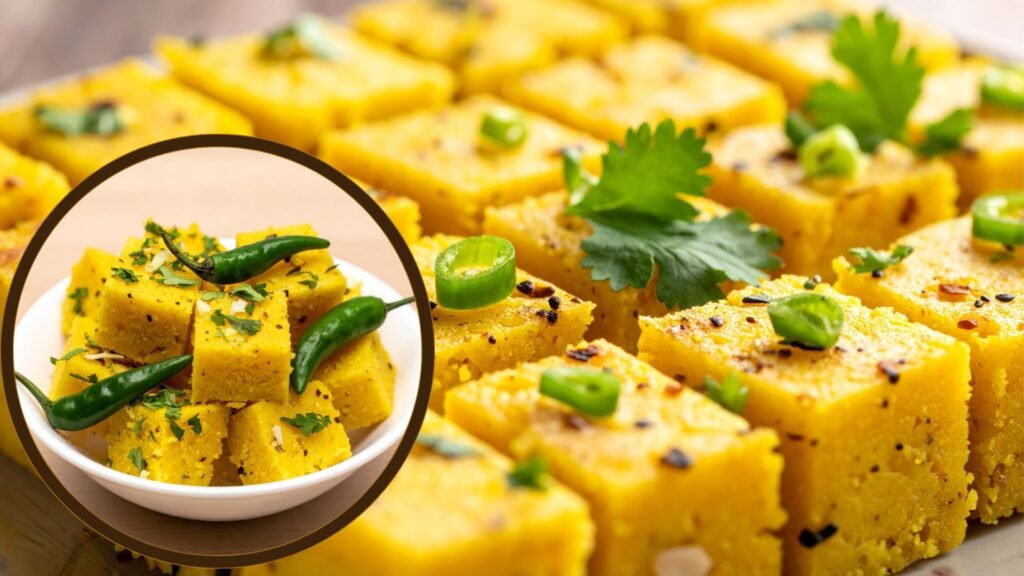
Dhokla Recipe | Soft and Spongy Gujarati Steamed Snack
The first time I had dhokla was at a friend’s Gujarati wedding breakfast, and I remember being confused that something so light and fluffy was made mostly from gram flour. I went back for thirds. It took me a few tries at home to get the batter and steaming time right, but once I did, dhokla became a regular weekend breakfast in my house. It’s fast, it’s light, and it
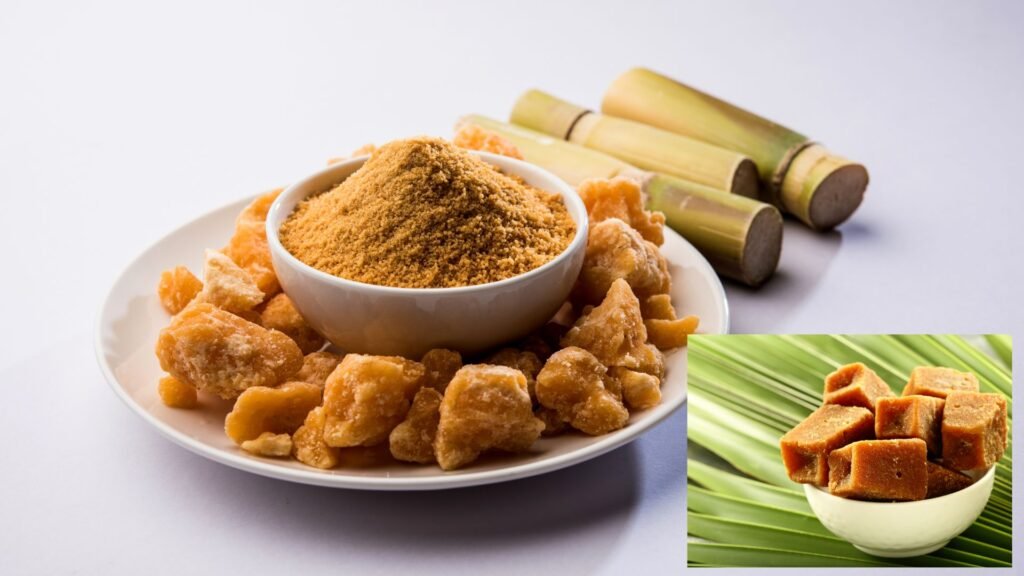
Health Benefits of Jaggery (Gud): India’s Traditional Sweetener
Every festival season in my house, the sugar jar sits mostly untouched while the jaggery box gets refilled twice. My grandmother never really explained why – she’d just say “gud is better for you” and leave it at that. It took me years of actually reading up on it to understand she was onto something real, not just tradition for tradition’s sake. What is Jaggery? Jaggery, or gud, is an
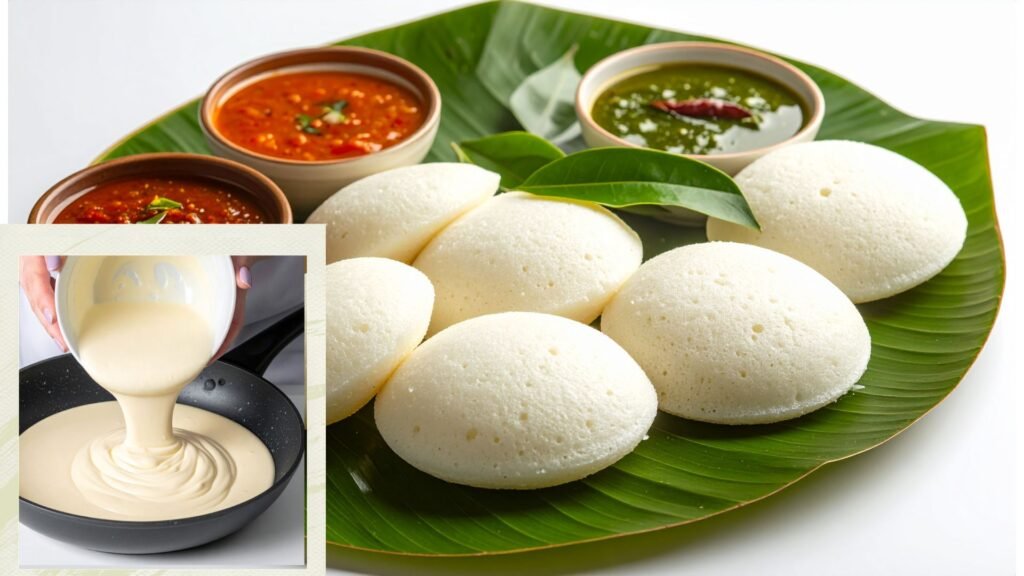
The Science of Fermentation: Why Idli and Dosa Batter Rises
I used to think the rise in idli batter overnight was basically magic – one day it’s a flat, watery mix of rice and dal, and the next morning it’s doubled in size and smells faintly sour. It wasn’t until I actually looked into the microbiology of it that I understood what my grandmother’s kitchen had been doing perfectly for decades without ever using the word “fermentation.” What is Fermentation,
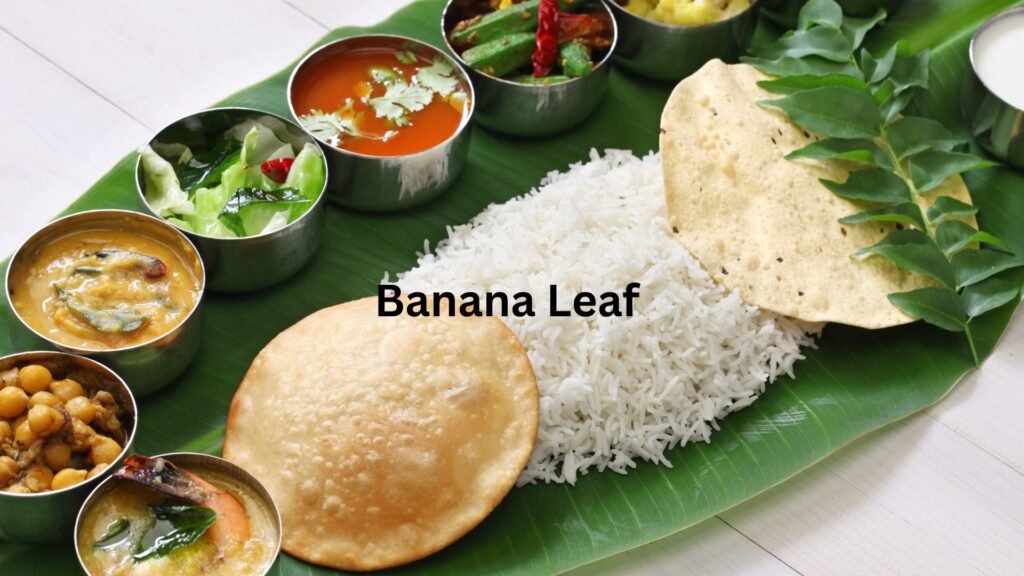
Why Eating on a Banana Leaf Is Actually Good for You
With Onam around the corner and sadya spreads all over my feed, I keep noticing the same detail in every photo: no plates, just banana leaves piled high with curries and rice. I always assumed it was purely about tradition and presentation, but the more I dug in, the more it turns out there’s real substance behind the practice. What is Banana Leaf Eating? Eating off a banana leaf means
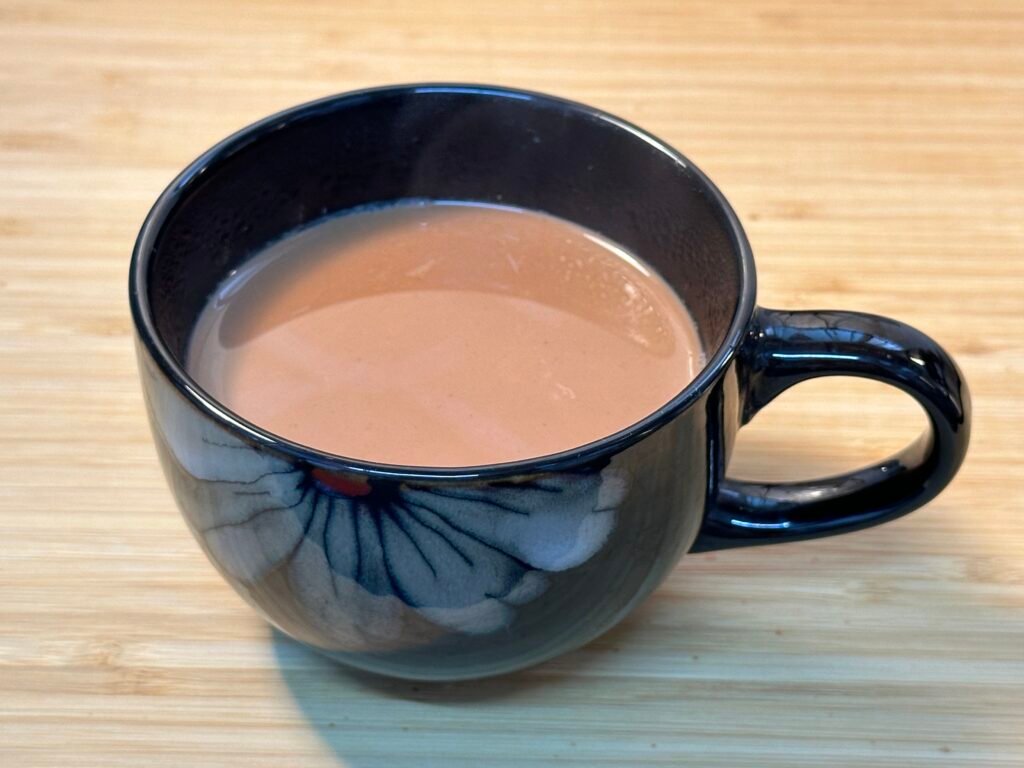
Best Foods to Eat During Indian Monsoon Season (and What to Avoid)
The first monsoon rain always makes me crave a plate of hot pakoras and masala chai, but my grandmother had a different reaction – she’d immediately start talking about digestion, immunity and which vegetables to avoid for the next few months. It took me a while to realize her instincts were rooted in real seasonal wisdom. Why Monsoon Eating Is Different Monsoon season brings high humidity, fluctuating temperatures and increased