Why This Question Matters Now
Protein has become the most talked-about nutrient in Indian wellness circles, driven by fitness influencers, gym culture and a genuine rise in lifestyle diseases linked to low protein intake. At the same time, protein powder sales in India have grown rapidly, often marketed specifically at vegetarians who are told their traditional diet falls short. Separating the marketing from the actual nutrition science matters, especially in a country where most people already eat vegetarian, protein-containing staples every day.
Where Protein Fits in Indian Food Culture
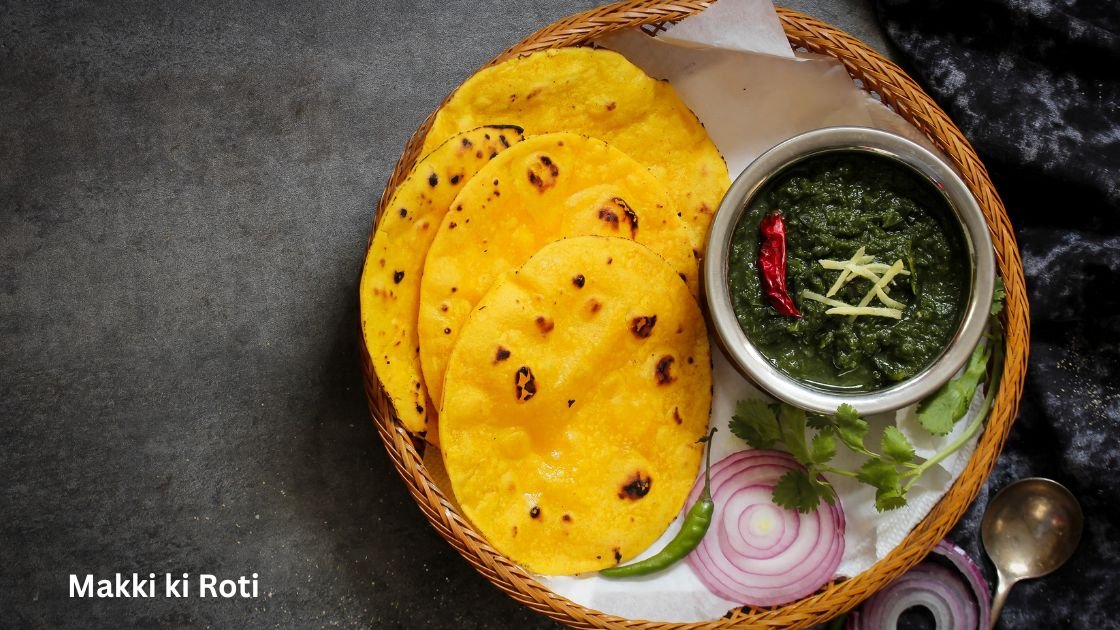
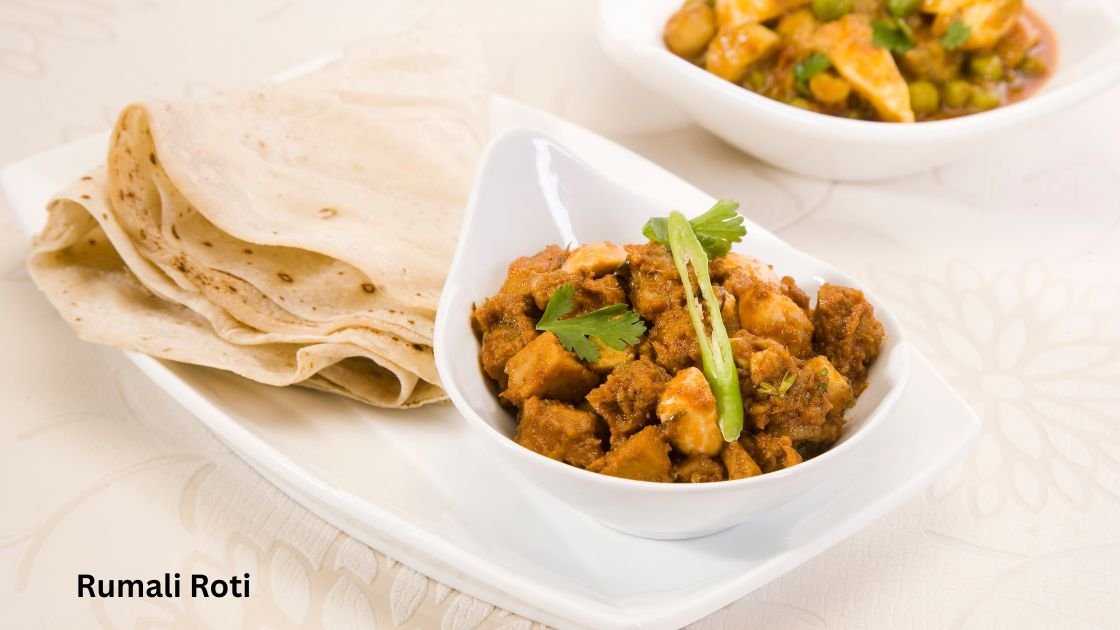
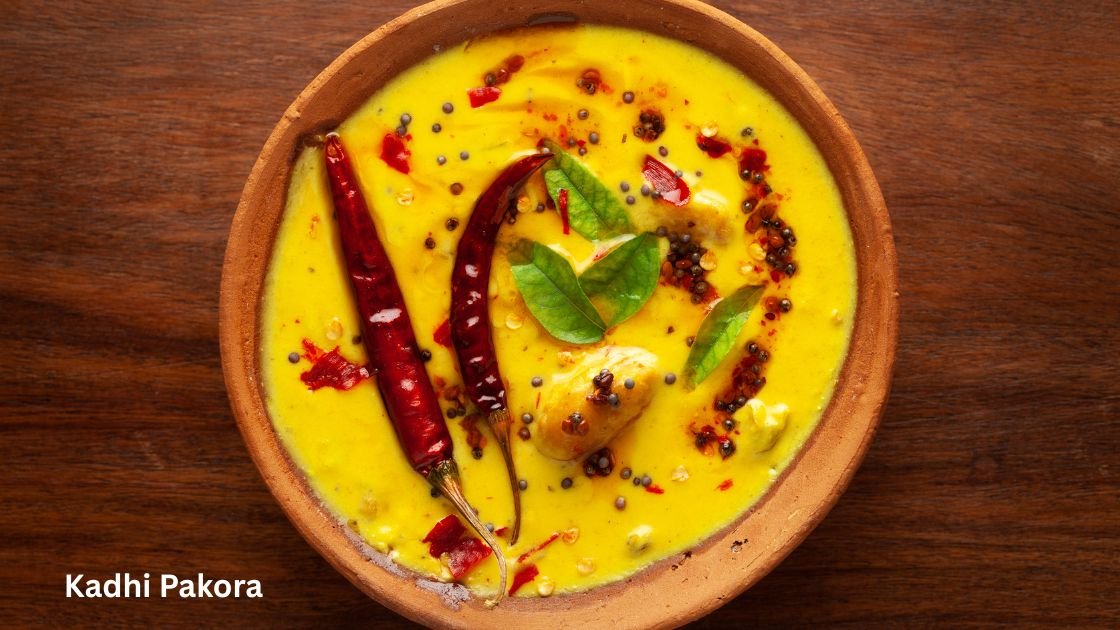
Long before protein powder existed, Indian thalis were quietly protein-complete: dal with rice, roti with paneer or rajma, curd on the side. Nutritionally, combining grains and legumes like rice and dal or roti and chana, provides a fuller amino acid profile than either eaten alone. This is a principle Indian home cooking has followed for generations without ever needing the word “protein.”
The Real Benefits (and Limits) of Protein Powder
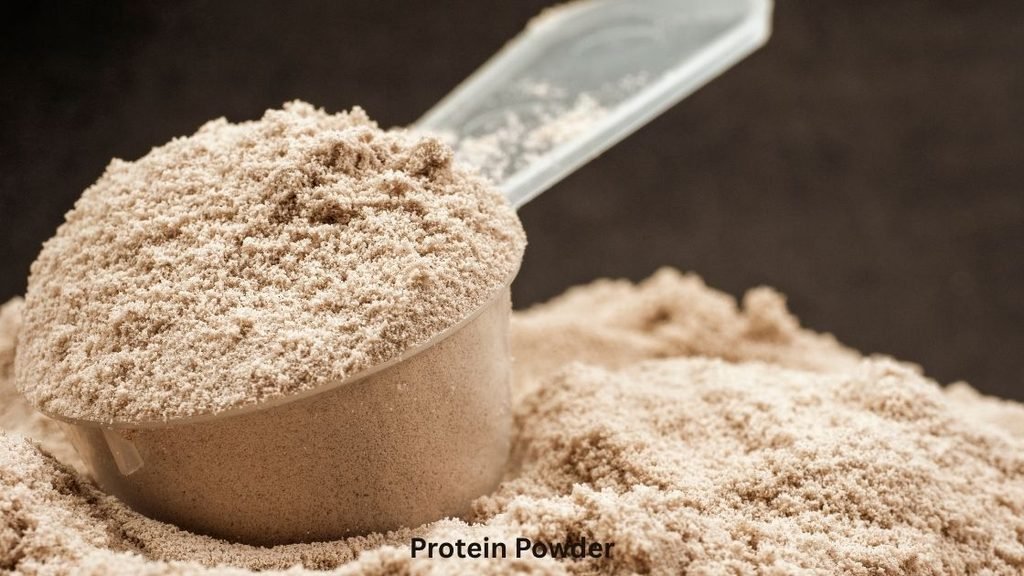
- Protein powder is a concentrated, convenient source of protein. It is useful for people with very high protein targets, such as serious strength athletes or those who genuinely struggle to eat enough through food
- It is not inherently superior to food-based protein; whey, pea and soy powders simply deliver protein with less bulk and fewer accompanying nutrients than whole foods
- Most sedentary or moderately active Indian vegetarians eating a varied diet of dal, curd, paneer and legumes daily are likely already close to their protein needs without supplementation
- Powders don’t provide the fiber, micronutrients, and phytonutrients that whole foods like dal and paneer bring along with their protein
- Overreliance on powders can crowd out whole foods and poorly regulated products may include additives not always disclosed on the label
How To Know If You Actually Need It
- Track a typical day’s meals and estimate whether you’re consistently getting close to 0.8-1.2g of protein per kg of body weight, higher if you strength train seriously, from dal, paneer, curd, soy, and legumes
- Consider your activity level honestly, since someone doing serious resistance training several times a week has different needs than someone with a mostly sedentary routine
- If food alone isn’t meeting your needs due to appetite, time, or access, a protein powder can be a reasonable convenience tool, not a replacement for real food
- Choose simpler formulations with fewer additives if you do decide to supplement, and treat it as an addition to meals, not a meal replacement
Most Indian vegetarians eating a reasonably varied, traditional diet don’t need a protein powder to hit their targets, though it’s a genuinely useful tool for specific situations like heavy training or very high protein goals. The better first step before reaching for a tub of powder, is usually just looking honestly at how much dal, paneer, curd and legumes are already on your plate.