What is Shakarkandi (Sweet Potato)?
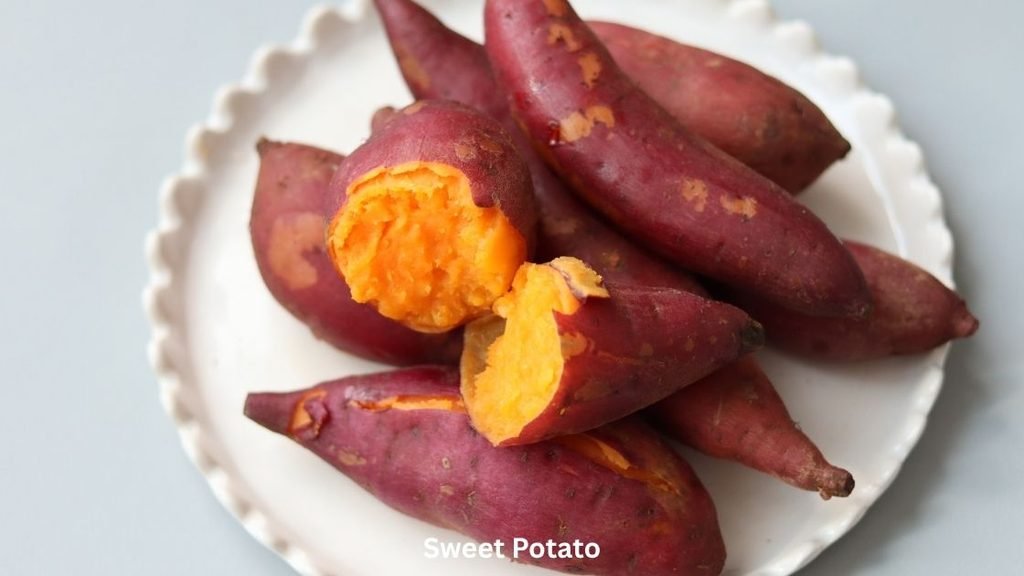
Shakarkandi or sweet potato, is a starchy root vegetable with naturally sweet, orange or purple-fleshed flesh. It is entirely different botanically from the regular potato despite the similar name. In India it’s roasted over coals, boiled or mashed into chaat and it holds a special place in the kitchen because it’s classified as “phalahar,” meaning it’s permitted during religious fasting when grains, onion, and garlic are avoided.
Where Sweet Potato Fits in Indian Food Culture
Sweet potato is eaten across India, but it takes center stage during Navratri, the nine-night fasting festival, and other Ekadashi vrats, when it becomes one of the few filling, energy-dense foods allowed. Roadside vendors selling roasted shakarkandi sprinkled with chaat masala and lemon are a common winter and festival-season sight in North Indian cities, and the vegetable is also a staple in Bihar, Uttar Pradesh, and West Bengal outside of fasting contexts, often boiled and eaten with a bit of salt or turned into simple curries.
The Real Benefits
- Sweet potatoes are rich in beta-carotene, which the body converts to vitamin A, important for eye health and immunity.
- They’re a good source of slow-digesting complex carbohydrates, providing steady energy, which is especially useful on a fasting day when meals are limited.
- They contain more fiber than regular potatoes, which supports digestion and helps you feel full longer.
- They’re rich in potassium, which helps regulate blood pressure and fluid balance.
- Unlike deep-fried fasting snacks, roasted or boiled shakarkandi is naturally low in fat, making it one of the more waistline-friendly vrat foods available.
- The natural sugars in sweet potato are absorbed more gradually than refined sugar, making it gentler on blood sugar compared to many other fasting sweets.
How To Enjoy It
- Roast whole sweet potatoes over an open flame or in the oven until the skin blisters, then peel and sprinkle with rock salt, roasted cumin powder, and a squeeze of lemon.
- Boil, cube, and toss into a fasting-friendly chaat with peanuts, curd, and rock salt.
- Mash boiled sweet potato with a little ghee and cardamom for a quick vrat-friendly halwa.
- Slice thin and shallow-fry for a crisp, occasional treat, though roasting or boiling is the healthier everyday choice.
- Store raw sweet potatoes in a cool, dry, well-ventilated place rather than the refrigerator, since cold temperatures can turn the starches gritty and affect the flavor.
Frequently Asked Questions
Is sweet potato allowed during Navratri fasting? Yes, it’s one of the most commonly eaten phalahar foods since it isn’t classified as a regular grain or vegetable under fasting rules.
Is sweet potato healthier than regular potato? It generally has more fiber, more vitamin A, and a lower glycemic impact than white potato, though both can be part of a healthy diet in moderation.
Can diabetics eat sweet potato? In moderate portions, yes, since its fiber content slows sugar absorption but portion control still matters. Anyone managing diabetes should check with their doctor about quantities.
Whether you’re fasting for Navratri or just looking to add more color and fiber to your plate, shakarkandi is one of those quietly excellent vegetables that deserves a spot beyond festival season too. Keep a few on hand this week; they roast up in minutes and make a genuinely satisfying snack any day of the year.