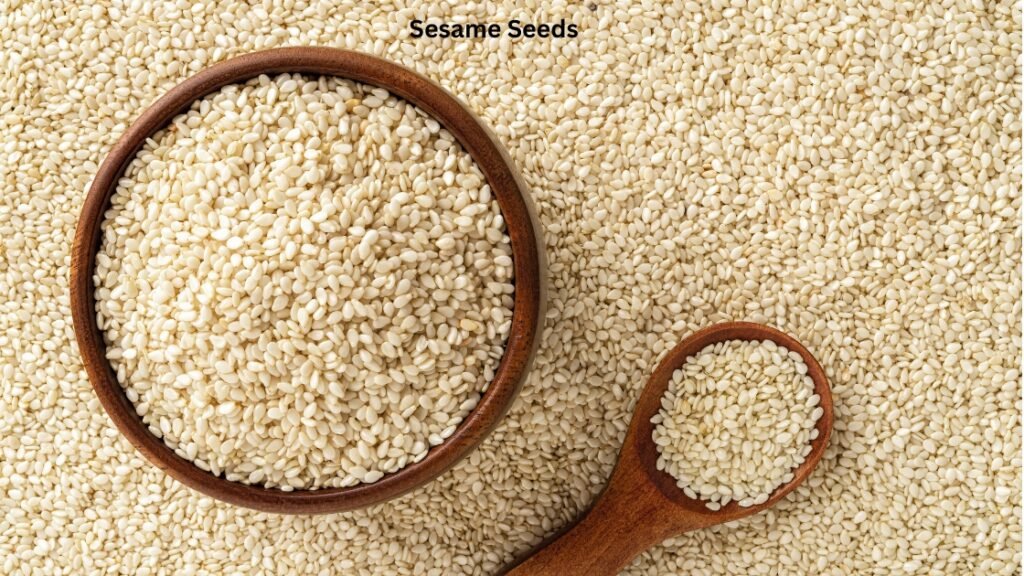
Walk into any Indian kitchen in the weeks leading up to Makar Sankranti and you’ll find a tin of til quietly waiting to be turned into ladoos, chikki, or a simple tempering for winter vegetables. Sesame seeds are one of those ingredients that show up so often in Indian cooking that it’s easy to overlook just how nutritionally dense these tiny seeds actually are.
What is Til (Sesame Seeds)?
Til, or sesame seeds, are small oil-rich seeds that come in white, black, and brown varieties, each used slightly differently across Indian cuisine. White sesame seeds are common in South Indian cooking and chutneys, while black sesame is prized in winter sweets and Ayurvedic preparations for its warming properties.
Where Sesame Seeds Fit in Indian Food Culture
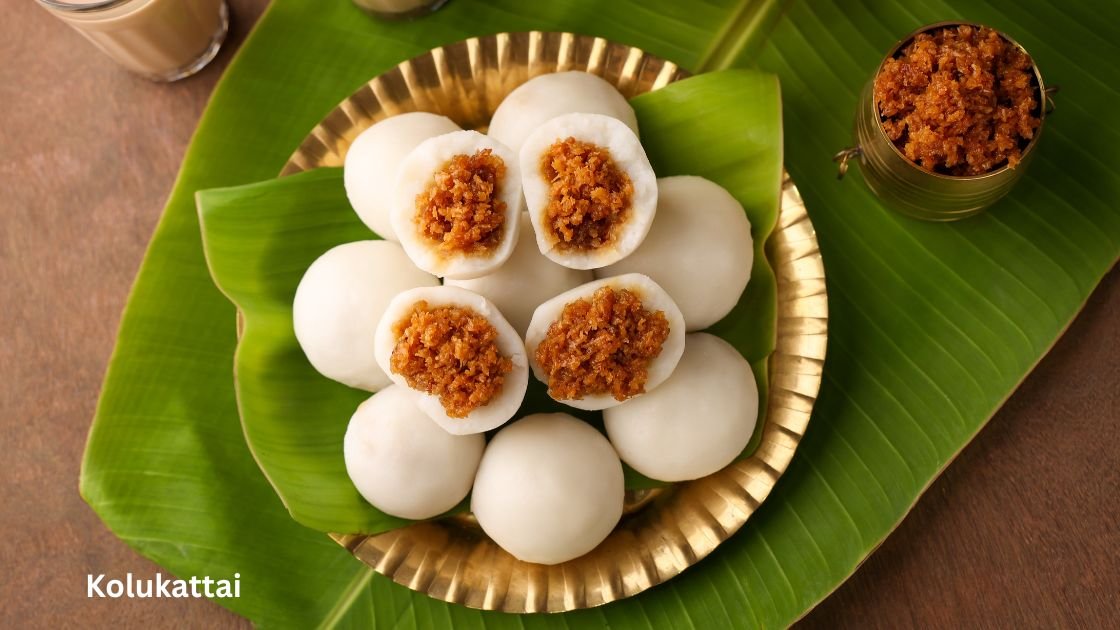
Sesame has been cultivated and used in India for thousands of years, and it holds a special place in the winter festival calendar, particularly around Makar Sankranti and Lohri, when til-gud (sesame and jaggery) ladoos and chikki are made and shared as symbols of warmth and goodwill. Ayurveda classifies sesame as a heating food, which is why it’s traditionally eaten in colder months to help the body stay warm and nourished.
The Real Benefits
- Sesame seeds are rich in healthy fats, including omega-6 fatty acids, which support heart health when eaten in moderation.
- They’re a good source of calcium, magnesium, and zinc, all important for bone strength, especially for those who don’t consume dairy.
- Sesame contains lignans, plant compounds with antioxidant properties linked to hormonal balance and cholesterol management.
- The seeds provide a decent amount of plant protein and fiber, supporting digestion and satiety.
- Their natural oils are traditionally used in Ayurvedic self-massage (abhyanga) for skin nourishment.
How To Add More Sesame to Your Diet
- Sprinkle toasted sesame seeds over stir-fried vegetables, salads, or rice dishes for a nutty crunch.
- Make a simple til-gud ladoo at home using roasted sesame seeds and melted jaggery.
- Use sesame oil (til ka tel) for cooking or tempering during winter months.
- Add a spoonful of tahini (sesame paste) to dressings or dips for a subtle nutty flavor and extra nutrients.
- Roast and grind sesame with peanuts and spices for a quick homemade chutney powder.
Sesame seeds are one of those quietly powerful ingredients that don’t need a trend cycle to earn their place in your kitchen. A spoonful here and there, especially through the winter months, is an easy, tasty way to add calcium, healthy fats, and a bit of traditional Ayurvedic wisdom to your everyday meals.