What is Black Pepper?
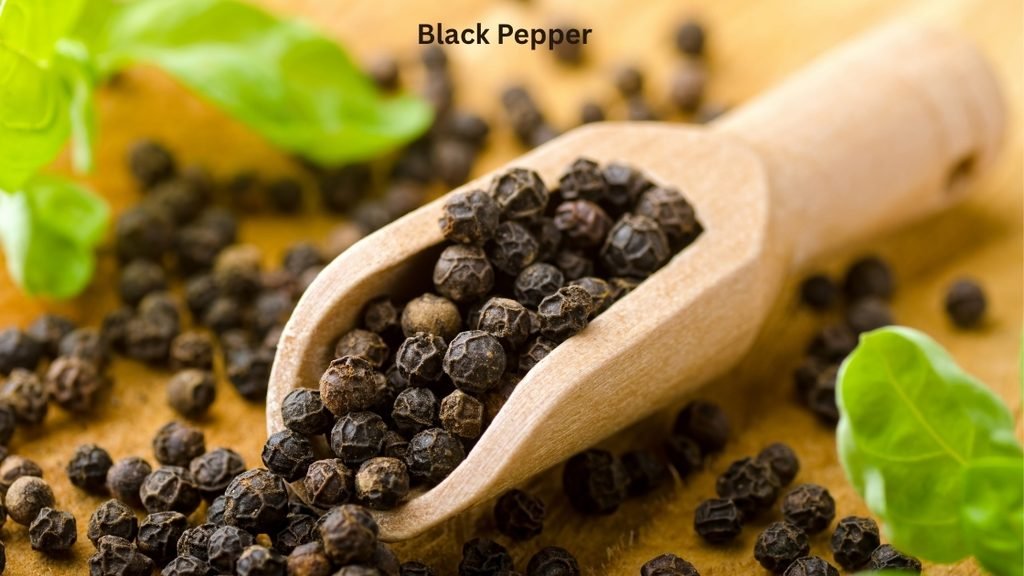
Black pepper, or kali mirch, comes from the dried, unripe berries of the Piper nigrum vine. A plant native to the Malabar coast of Kerala. Once picked, the berries are boiled briefly and then sun-dried until they shrivel into the wrinkled black peppercorns. These are either used whole, cracked, or ground into the pepper powder found on every Indian spice rack. Its sharp, slightly citrusy heat comes from a compound called piperine. It is also responsible for many of its health benefits.
Where Black Pepper Fits in Indian Food Culture
Black pepper holds a special place in Indian cuisine and Ayurveda alike. It is often called the “king of spices” for its long trading history out of the Malabar coast. It has been cultivated there for over 2,000 years. In Ayurvedic thinking, black pepper is considered a warming spice that kindles agni or digestive fire. This is the reason it appears in remedies for cough and cold like kadha and turmeric-pepper milk. It’s used daily across Indian kitchens, from being cracked over rasam and dal to finishing off a simple omelette or salad.
The Real Benefits
- Piperine, the active compound in black pepper, has been shown to significantly increase the bioavailability of curcumin from turmeric. This is the main reason these two are often paired together in Indian cooking
- Black pepper stimulates the production of digestive enzymes, helping the body break down food more efficiently and easing bloating
- It has natural antibacterial and antioxidant properties that support the immune system, especially useful during seasonal colds
- Piperine may help enhance nutrient absorption more broadly, including of certain vitamins and minerals from other foods eaten alongside it
- Black pepper has a warming, thermogenic effect that some research links to a modest boost in metabolism
How to Use Black Pepper Every Day
- Always buy whole peppercorns and grind them fresh in a mill just before using, since pre-ground pepper loses its volatile oils and flavor within weeks
- Add a pinch of freshly cracked pepper to your turmeric milk or turmeric-based curries to significantly boost curcumin absorption
- Finish dal, rasam, and soups with a light crack of pepper right before serving rather than cooking it in for too long, which preserves more of its aroma
- Keep a simple home remedy on hand: black pepper, honey, and ginger juice for occasional sore throats or a nagging cough
- Pair it with citrus fruits or salads, where its warmth balances acidity and adds a pleasant bite without needing extra salt
Tips for Getting the Most Out of Black Pepper
Store whole peppercorns in an airtight container away from direct sunlight and heat to preserve their potency for as long as possible. Avoid boiling pepper for extended periods in curries, as prolonged high heat can diminish some of its beneficial compounds. If you’re taking turmeric supplements or golden milk specifically for its health benefits, always pair it with a pinch of black pepper for meaningfully better absorption.
Things to Keep in Mind
Black pepper is generally safe in the amounts used in everyday cooking but very large quantities can irritate the stomach lining. You may avoid having it on empty stomach. If you’re on certain medications, piperine’s ability to boost absorption can also affect how those medications are metabolized. It’s worth mentioning to your doctor if you take supplements regularly alongside a lot of pepper. As with most spices, moderation and freshness matter more than quantity.
Black pepper is one of those spices that proves the oldest kitchen habits often have real science behind them. The next time you twist a peppermill over your dal or stir a pinch into your turmeric milk, know that you’re doing more than seasoning your food – you’re actually helping your body use it better.