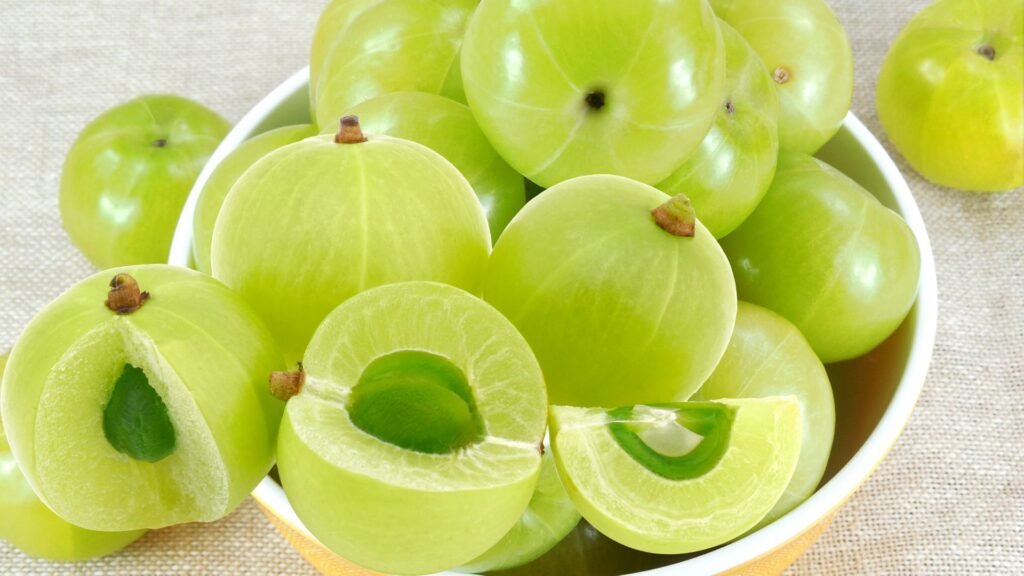
Every year as the weather starts to shift, my grandmother would bring out a jar of homemade amla murabba and insist we all have a spoonful. As a kid I hated the sourness, but now I look forward to amla season every year, it is one of those ingredients that genuinely earns its reputation.
What is Amla?
Amla, or Indian gooseberry, is a small, tart green fruit that has been used in Indian households and Ayurvedic medicine for centuries. It is intensely sour and slightly astringent when eaten raw, which is why it is more commonly turned into murabba (a sweet preserve), pickles, chutneys, juice, or dried into powder form.
Where Amla Fits in Indian Food Culture
Amla holds a central place in Ayurveda, where it is considered one of the most powerful rejuvenating ingredients, often included in classic formulations like chyawanprash. It is typically in season during the cooler months from autumn through winter, and Indian households have long timed their amla consumption, murabba, pickle and candy, to this window to build immunity ahead of the cold and flu season.
The Real Benefits
- Amla is one of the richest natural sources of vitamin C, which supports immune function.
- It is high in antioxidants that help protect cells from everyday oxidative stress.
- Amla is traditionally used to support hair health, often applied as an oil or hair mask to reduce hair fall and add shine.
- It may support healthy digestion, particularly when taken in small amounts on an empty stomach.
- Amla is often included in traditional remedies to support skin health, thanks to its antioxidant content.
Tips to Add Amla to Your Diet
- Start the day with a small glass of amla juice mixed with water, ideally on an empty stomach.
- Keep a jar of homemade or store-bought amla murabba for a quick sweet-and-sour bite.
- Add dried amla powder to warm water or smoothies.
- Try amla pickle as a tangy side with your regular dal-rice meal.
- Use amla oil for a simple weekly scalp massage.
Amla is one of those ingredients that Indian kitchens have quietly relied on for generations, long before “vitamin C” and “antioxidants” were words we used at the dinner table. It is worth keeping a jar of it around, in whatever form you enjoy most.
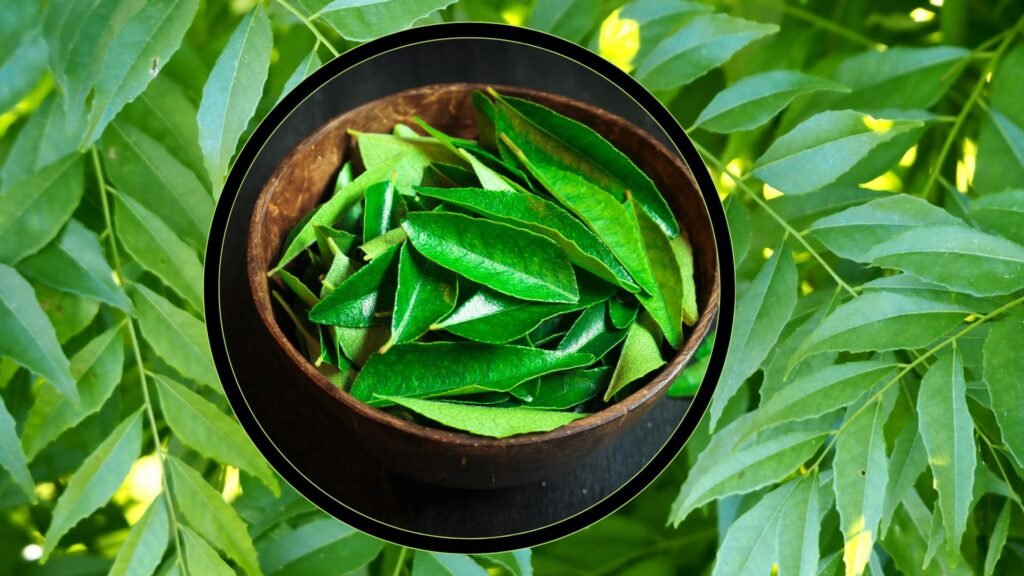
Health Benefits of Curry Leaves (Kadi Patta): India’s Everyday Superfood
I cannot remember a single tadka in my mother’s kitchen that did not involve a handful of curry leaves going into hot oil first. They
Health Benefits of Amla (Indian Gooseberry): Nature’s Vitamin C Powerhouse
Every year as the weather starts to shift, my grandmother would bring out a jar of homemade amla murabba and insist we all have a
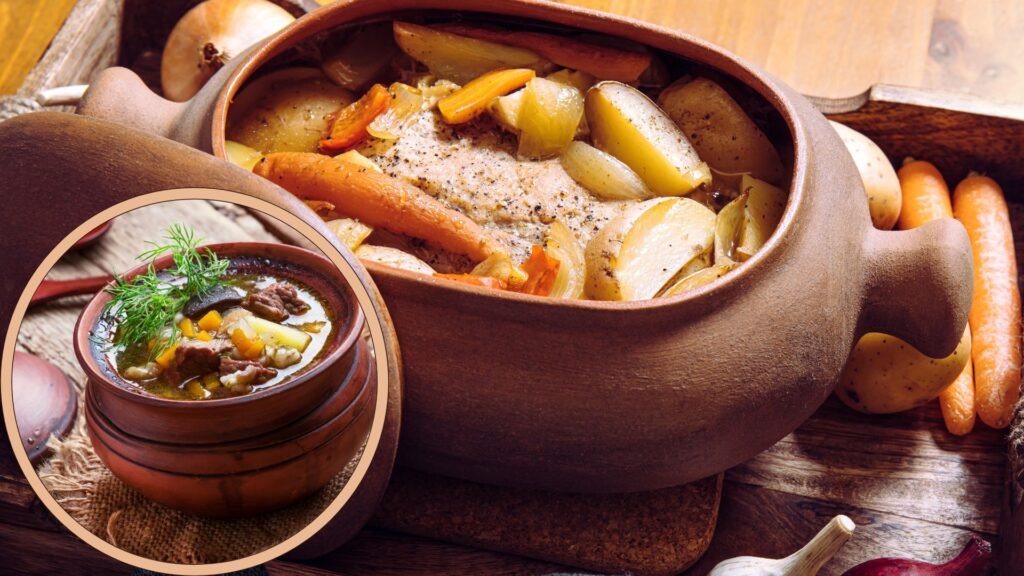
Why Clay Pot Cooking Is Making a Comeback: The Science of Earthen Cookware
My grandmother cooked almost everything in clay pots, dal, rice, even her pickles were stored in earthen jars. For years our family cooked mostly in
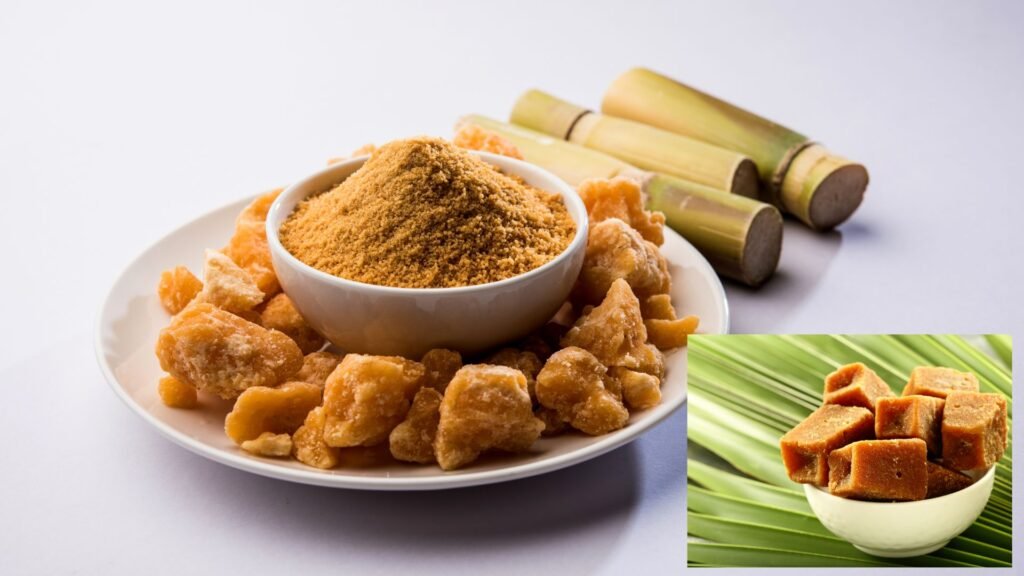
Health Benefits of Jaggery (Gud): India’s Traditional Sweetener
Every festival season in my house, the sugar jar sits mostly untouched while the jaggery box gets refilled twice. My grandmother never really explained why
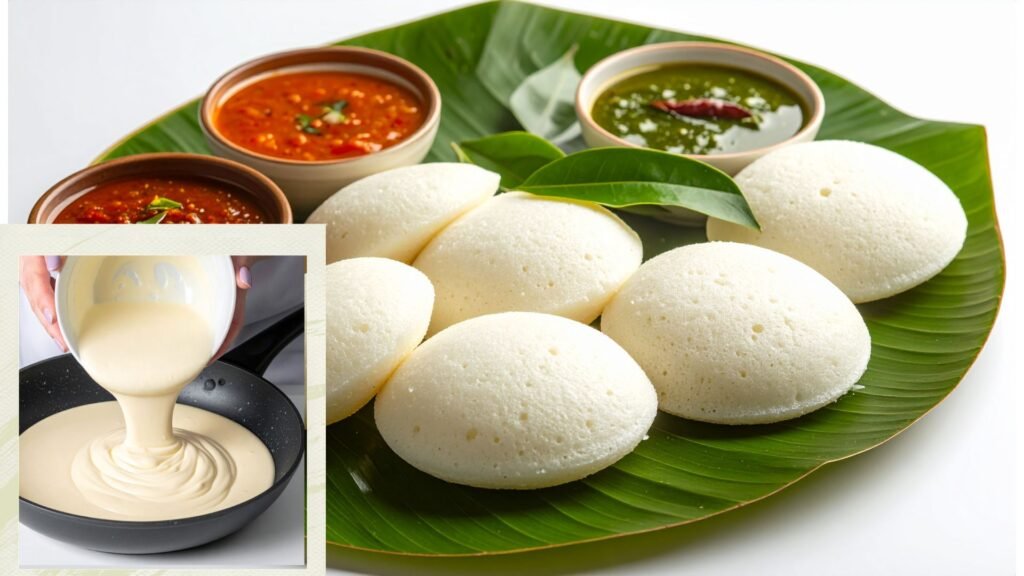
The Science of Fermentation: Why Idli and Dosa Batter Rises
I used to think the rise in idli batter overnight was basically magic – one day it’s a flat, watery mix of rice and dal,
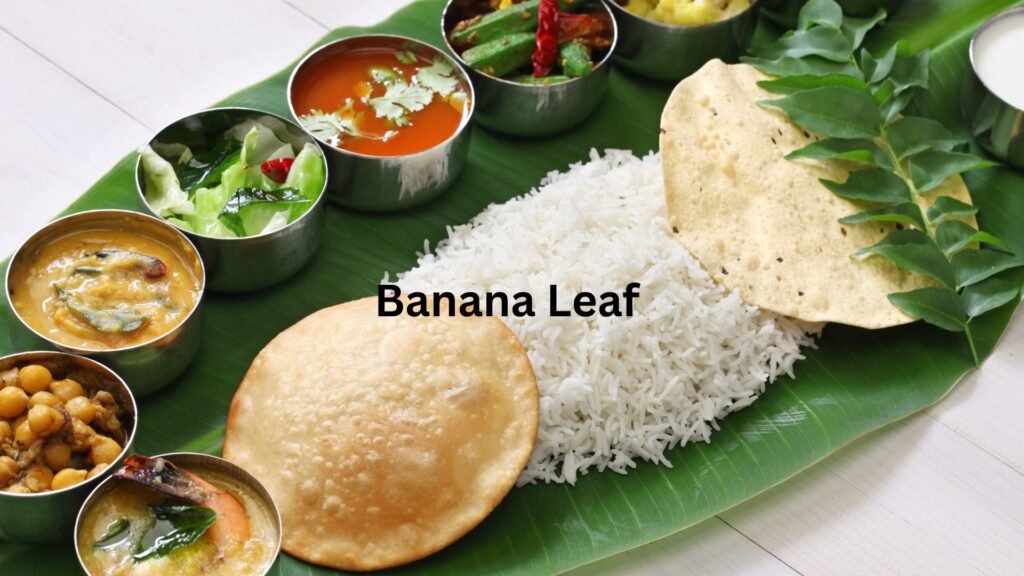
Why Eating on a Banana Leaf Is Actually Good for You
With Onam around the corner and sadya spreads all over my feed, I keep noticing the same detail in every photo: no plates, just banana
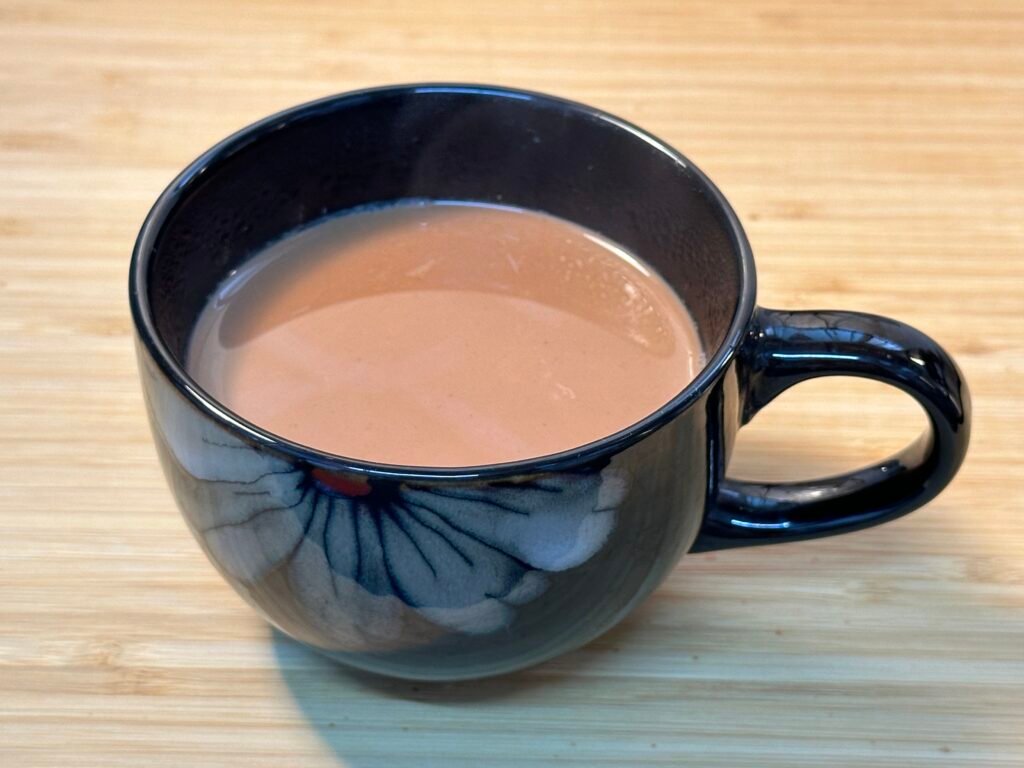
Best Foods to Eat During Indian Monsoon Season (and What to Avoid)
The first monsoon rain always makes me crave a plate of hot pakoras and masala chai, but my grandmother had a different reaction – she’d
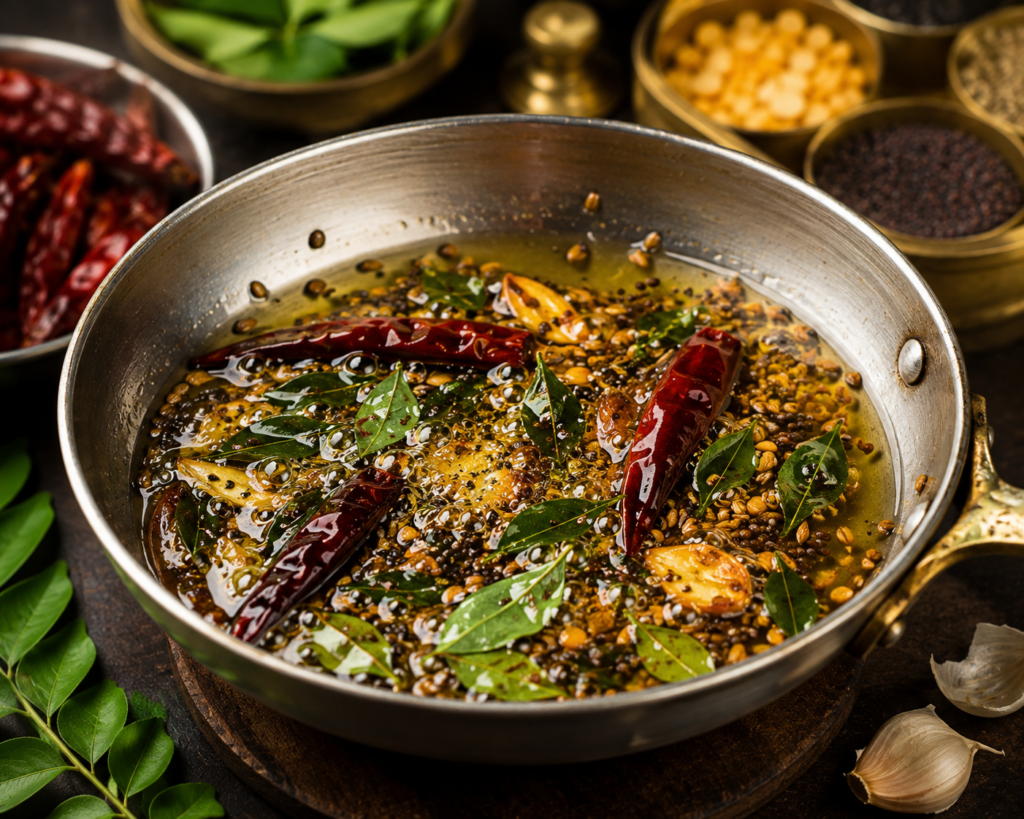
The Science Behind Tadka: Why Tempering Spices Makes Indian Food Taste Better
I used to skip the tadka step when I was in a hurry, tossing raw cumin and mustard seeds straight into the dal. It never
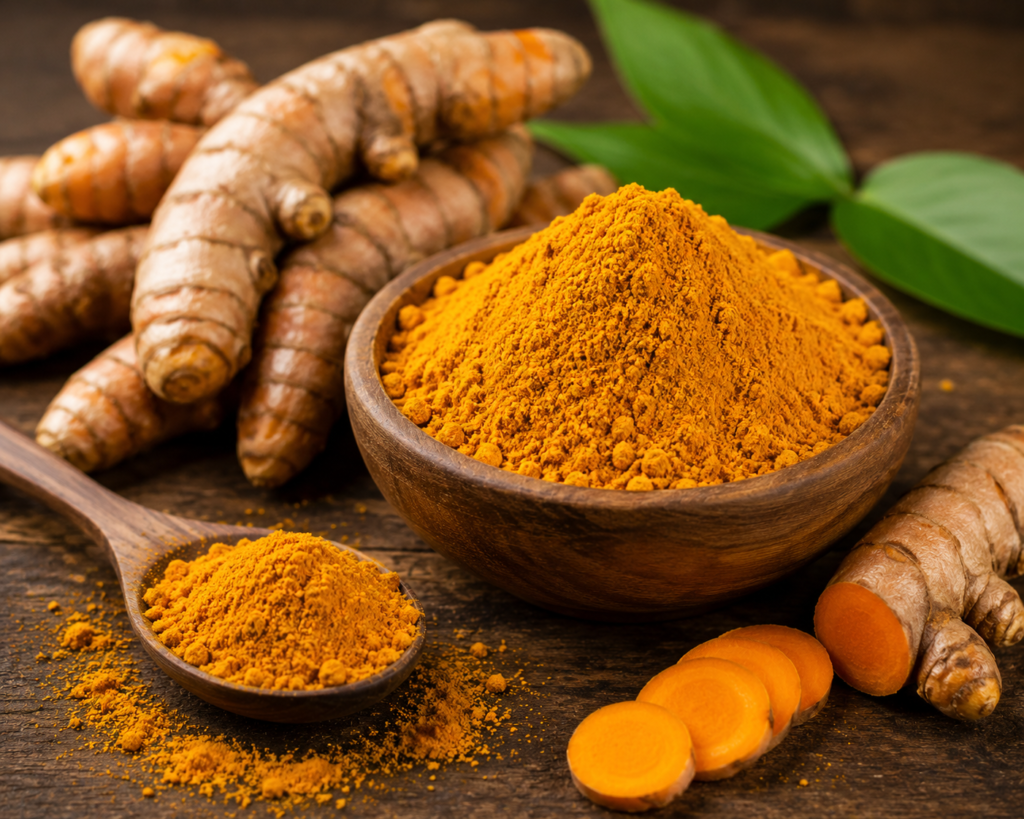
Health Benefits of Turmeric (Haldi): India’s Golden Spice
My mother’s cure for almost everything growing up was a glass of warm turmeric milk – a scraped knee, a cold, even just a rough
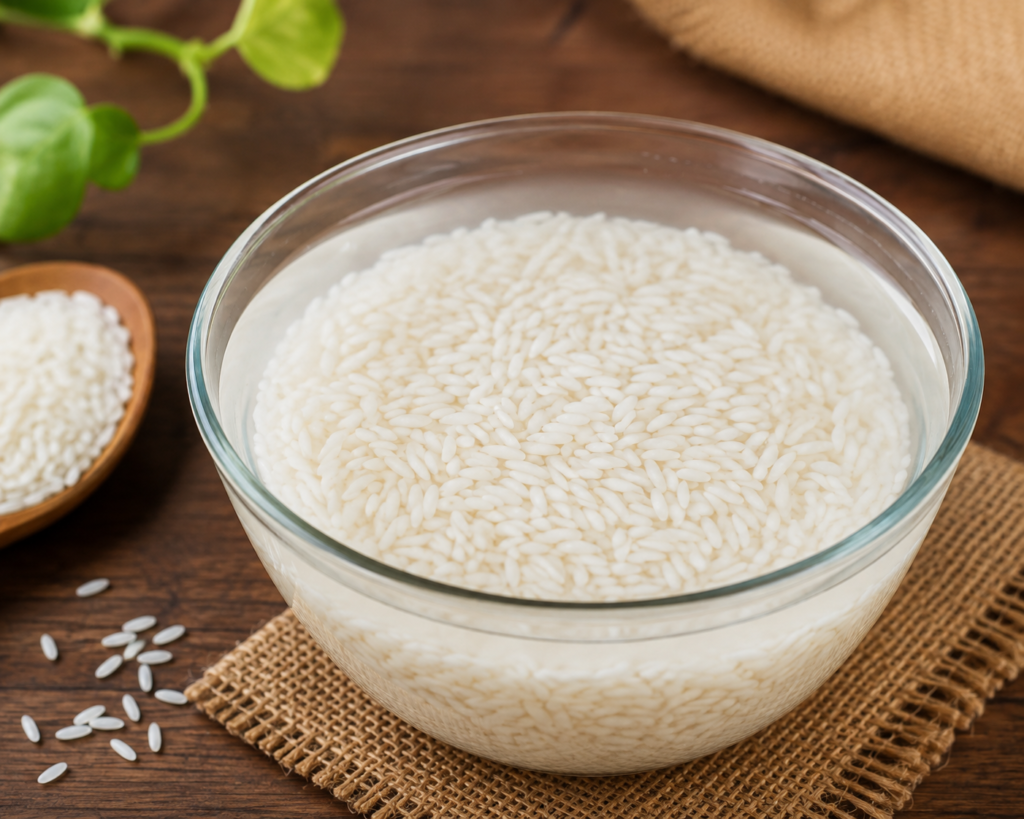
Why Soaking Rice, Dal and Nuts Before Cooking Actually Matters
Soaking rice before cooking, letting dal sit in water for a few hours, leaving almonds in a bowl overnight — these are things most of
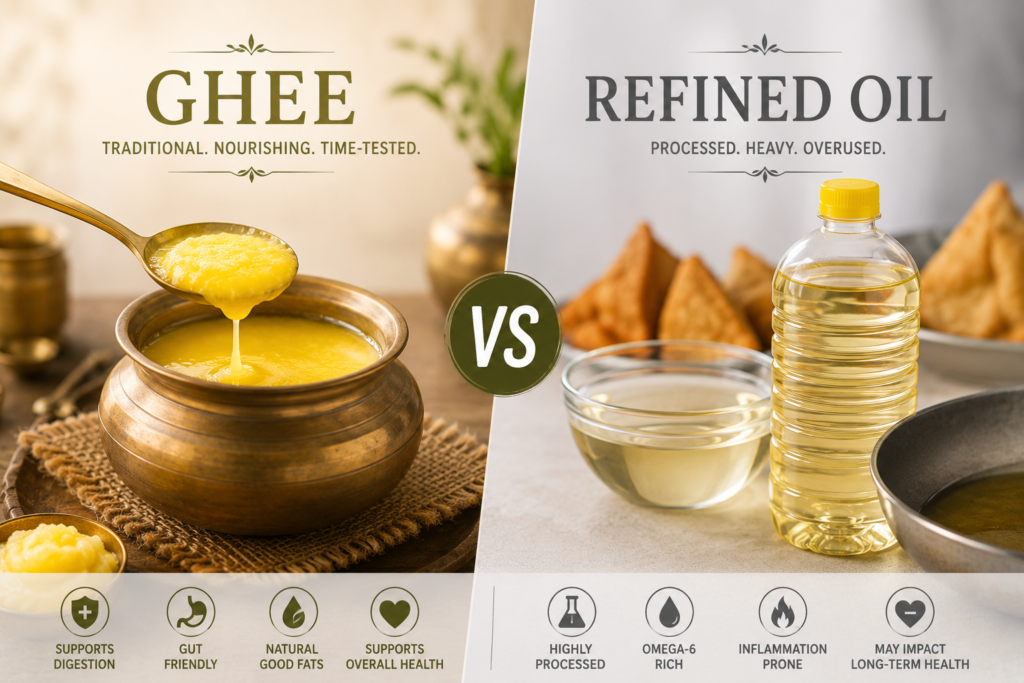
Ghee vs Refined Oil: The Great Indian Cooking Fat Debate
How We Went From Ghee to “Heart-Healthy” Oils and Back Again If you ask anyone above 60 what they cooked with growing up, chances are
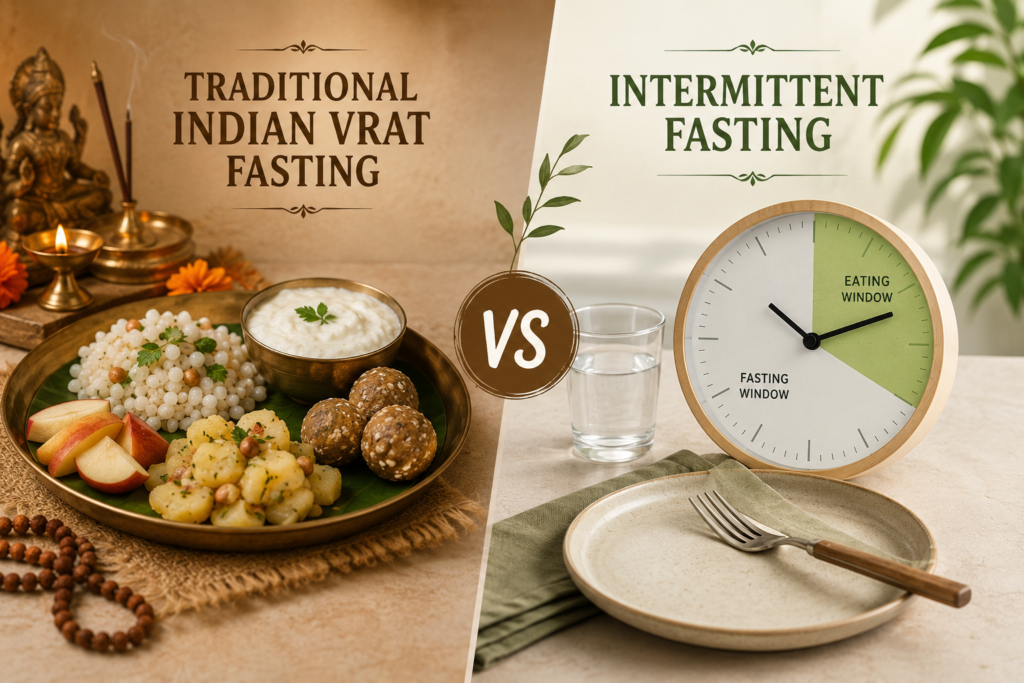
Traditional Indian Vrat Fasting vs Intermittent Fasting: What’s the Real Difference?
Turns Out, We’ve Been “Biohacking” Since Before It Had a Name Intermittent fasting has taken over wellness conversations globally over the last several years, framed
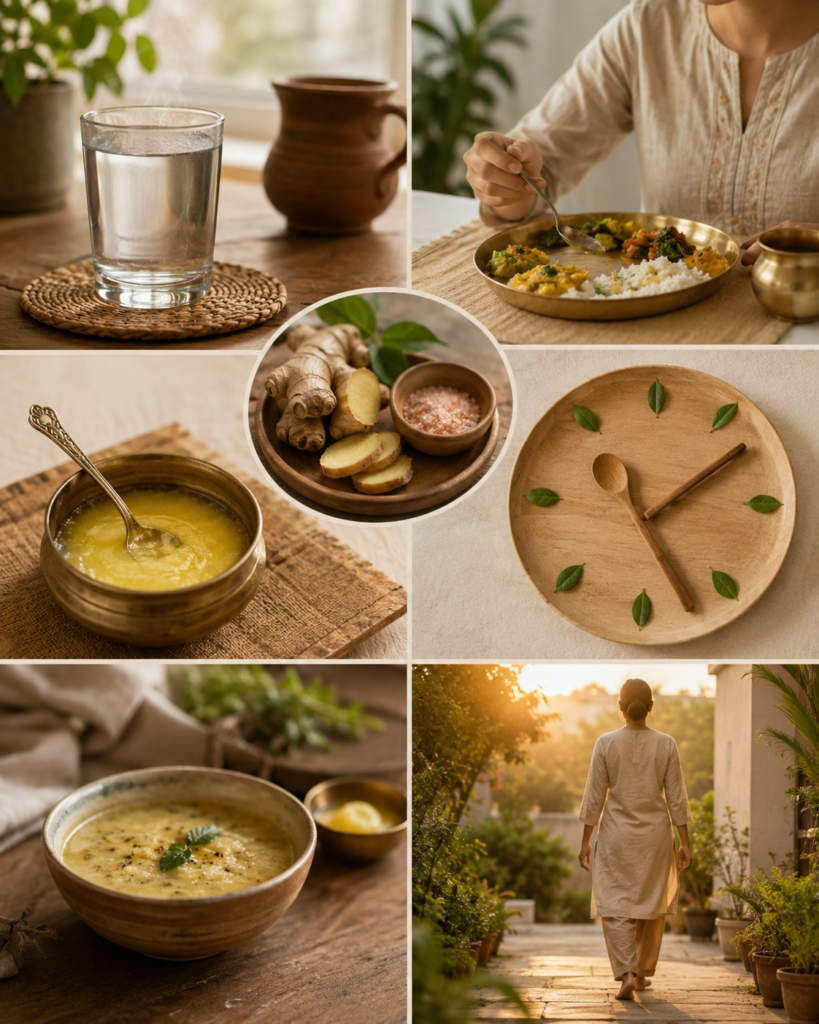
Simple Ayurvedic Morning Habits for Better Gut Health
Gut health has become a big topic lately, but a lot of what’s being talked about now was already part of Ayurveda for centuries. My
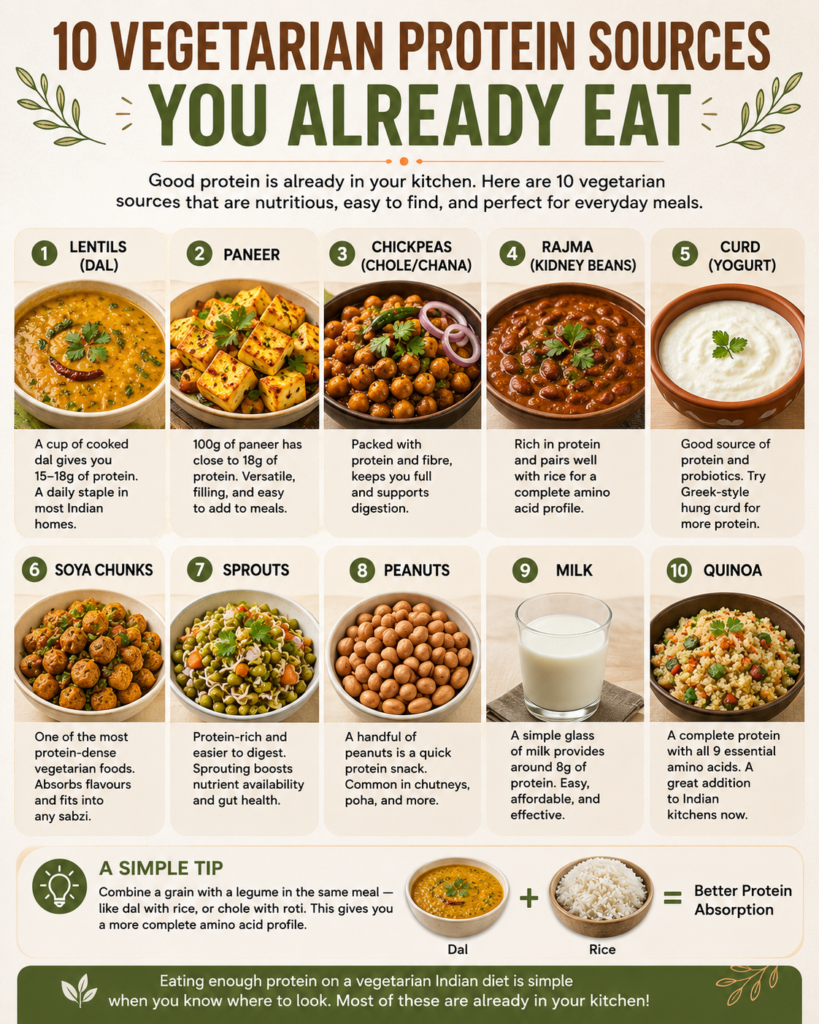
10 High-Protein Vegetarian Foods for an Indian Diet
“Where do vegetarians even get their protein from?” is a question I’ve heard more times than I can count, usually from people who’ve never actually