What is Fibermaxxing?
Fibermaxxing is the 2026 nutrition trend of deliberately packing more fiber into every meal, rather than just counting calories or protein grams, with the goal of improving digestion, gut health, and long-term metabolic health. It’s less about a single high-fiber food and more about a mindset shift: adding a spoon of whole legumes here, choosing a millet roti there, and leaving the skin on your vegetables whenever possible. Nutritionists are pushing this because most modern diets, even in India, have quietly become lower in fiber than they used to be due to more refined grains and processed snacks.
Where This Fits in Indian Food Culture
Traditional Indian meals were built around fiber almost by accident: whole wheat rotis, a variety of dals, seasonal vegetables with their skins on, and fermented foods like idli and dosa batter. Ayurvedic principles have long emphasized eating a wide variety of grains, lentils, and vegetables in a single thali, which naturally lines up with the modern advice to eat 30 different plant types a week for gut health. Somewhere along the way, especially in urban households, polished rice, refined maida, and packaged snacks crept in and quietly pushed fiber intake down, which is exactly what the fibermaxxing trend is now trying to correct.
The Real Benefits
- Keeps you fuller for longer, which naturally helps with portion control and weight management
- Supports a healthy gut microbiome by feeding beneficial bacteria in the colon
- Helps regulate blood sugar spikes after meals, which is especially useful given how common diabetes is in India
- Lowers cholesterol over time by binding to bile acids in the digestive tract
- Reduces constipation and supports regular, comfortable digestion
- May lower the long-term risk of heart disease and certain cancers
How To Fibermax Your Indian Meals
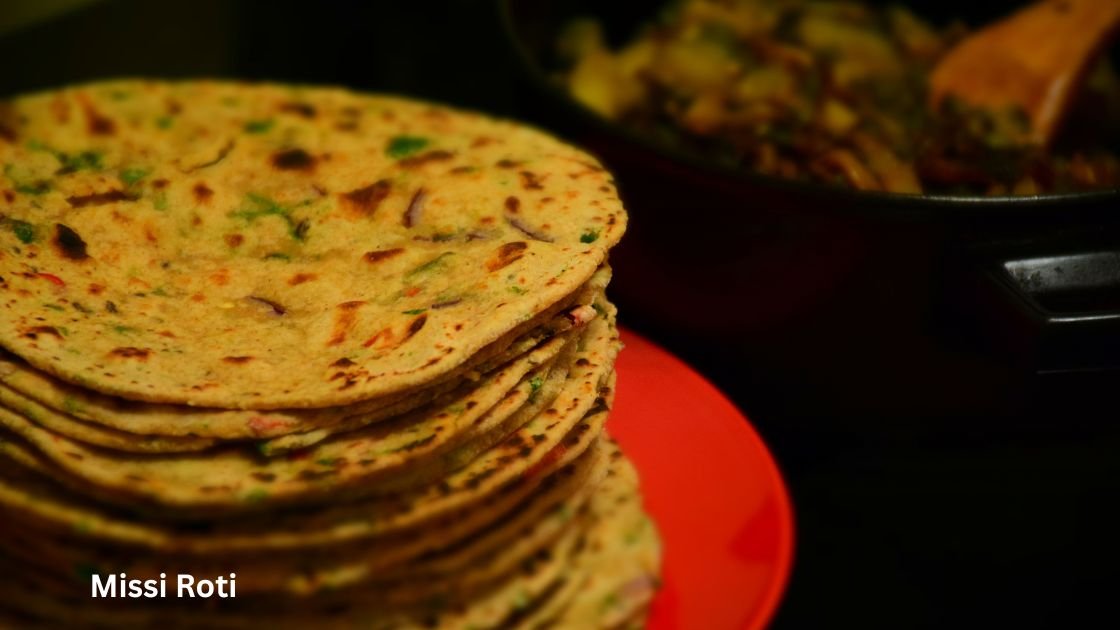
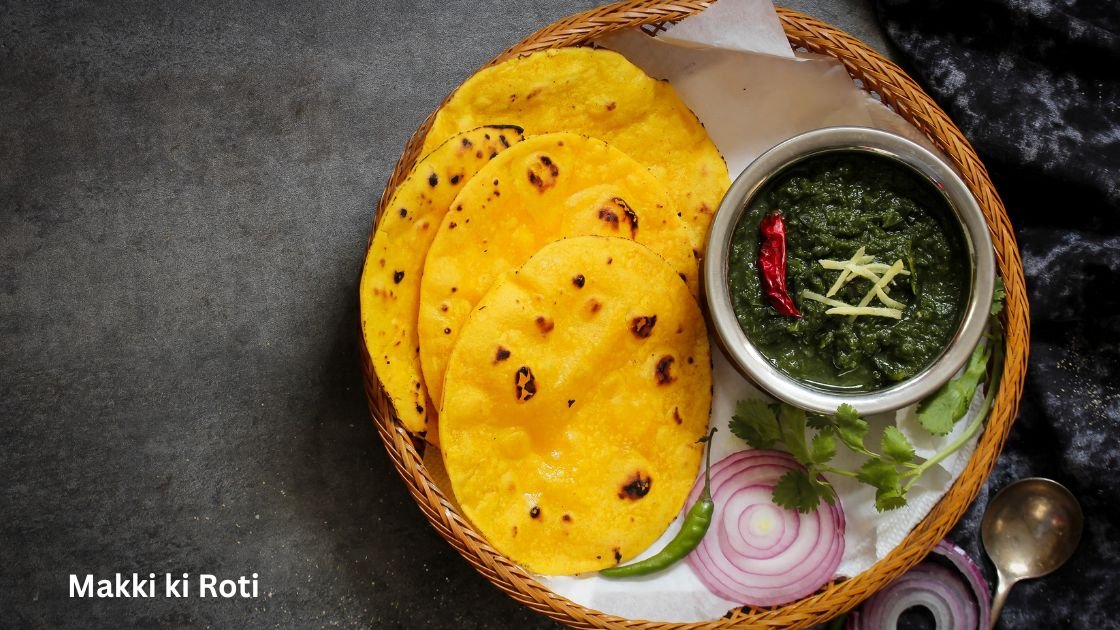
- Swap plain white rice for brown rice, millets like jowar or bajra, or a mix of rice and dal in your khichdi
- Keep the skin on vegetables like potatoes, brinjal, and cucumber whenever you’re cooking or eating them raw
- Add a spoon of whole chia or flax seeds to your curd, smoothie, or roti dough
- Choose whole wheat or multigrain atta over refined maida for rotis and parathas
- Include at least one salad or kosambari-style raw vegetable dish with lunch or dinner
- Snack on roasted chana, peanuts, or fruit with the skin on instead of packaged chips
How Much Fiber Do You Actually Need?
Most adults should aim for around 25-30 grams of fiber a day, but the average Indian diet, especially in cities, often falls well short of this due to increased reliance on polished grains and packaged food. A single cup of cooked rajma or chana can provide close to a third of your daily fiber needs, which shows just how much traditional dal-based meals already have going for them. The key is consistency across all three meals rather than trying to get it all in one large salad.
A Word of Caution
If you’re not used to eating much fiber, increase your intake gradually and drink plenty of water alongside it, since a sudden jump can cause bloating or discomfort. People with certain digestive conditions like IBS may also need to be selective about which high-fiber foods work for them, so it’s worth listening to your body as you make changes.
The good news is that fibermaxxing isn’t really a new diet to learn, it’s mostly about leaning back into the whole grains, dals, and vegetables that Indian kitchens have always centered around, and being a little more intentional about not letting refined and packaged foods crowd them out. Small swaps, like choosing a millet roti or leaving the peel on your vegetables, add up over a week far more than any single “superfood” ever could.