What is Chrono-Nutrition?
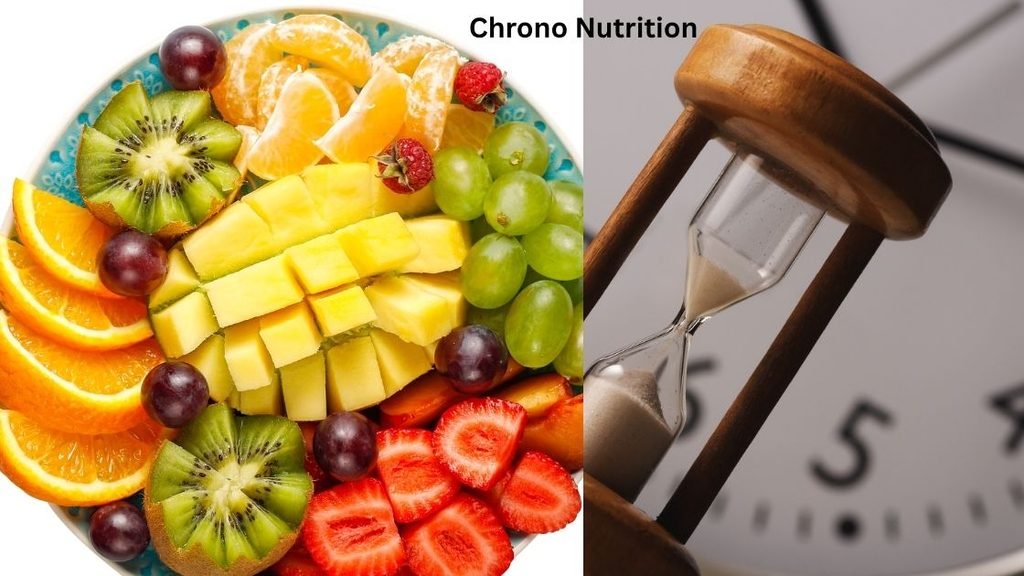
Chrono-nutrition is the study of how the timing of meals affects metabolism, digestion, and overall health, not just what those meals contain. It’s built on the idea that the body runs on an internal circadian clock that regulates hormone release, insulin sensitivity, and digestive efficiency across the day. Eating in sync with this rhythm, rather than against it, is the central idea behind chrono-nutrition.
Where Meal Timing Fits in Indian Food Culture
Long before “chrono-nutrition” became a buzzword, Indian households were already practicing versions of it. Ayurveda has long recommended eating the largest meal at midday, when digestive fire is considered strongest, followed by a lighter dinner eaten well before sunset. Many traditional homes still follow early dinners, periodic fasting days like Ekadashi and fixed mealtimes passed down through generations. These are all early forms of timing-based eating that modern science is now studying formally.
The Real Benefits of Eating on a Schedule
- Better blood sugar control: eating meals at consistent times helps regulate insulin response, which matters given how common diabetes is across Indian households
- Improved digestion: an earlier dinner gives the digestive system time to work before sleep, reducing bloating and acid reflux
- Better sleep quality: heavy, late meals make it harder for the body to wind down for rest
- Support for weight management: several studies suggest calories eaten earlier in the day are used more efficiently than the same calories eaten late at night
- Better metabolic health: aligning eating windows with the body’s natural rhythm has been linked to healthier cholesterol and triglyceride levels
How to Apply Chrono-Nutrition in Your Daily Routine
- Eat breakfast within an hour or two of waking up to kickstart metabolism
- Make lunch the biggest meal of the day, in line with when digestion is most efficient
- Aim to finish dinner at least two to three hours before bedtime
- Keep meal times consistent day to day rather than eating erratically
- Limit heavy snacking late at night, especially fried or sugary foods
None of this means throwing out flexibility or turning meals into a rulebook. But if you’re already eating reasonably well and still feel sluggish or bloated, the timing of your meals might matter more than you think. Sometimes the wisdom sitting quietly in an Indian grandmother’s kitchen turns out to be backed by data after all.