Why Cabbage Deserves More Attention
Cabbage is a cruciferous vegetable in the same family as broccoli and cauliflower. It is packed with vitamins, fiber and plant compounds that support digestion and long-term health. It is one of the cheapest vegetables in any Indian sabzi mandi. Nutritionists globally have started calling cabbage “the new kitchen MVP” in 2026 because of how much nutritional value it packs in for so little cost, especially compared to pricier superfoods. It’s versatile enough to be stir-fried, added to parathas, fermented or eaten raw in a salad. It is easy to include cabbage in almost any meal.
Where Cabbage Fits in Indian Food Culture
Cabbage has been a staple in Indian households for generations, showing up in dishes like patta gobi sabzi, cabbage paratha, and as a filler vegetable in mixed vegetable curries and cutlets. It grows well in India’s cooler months and is widely available and affordable through winter, making it a go-to vegetable for budget-conscious home cooks. Different regions use it differently, from stir-fried thoran-style preparations in the south to stuffed parathas in the north, showing just how adaptable this humble vegetable really is.
The Real Benefits
- Rich in vitamin C and vitamin K, which support immunity and bone health
- High in fiber, which aids digestion and helps you feel full for longer
- Contains antioxidants like sulforaphane that may help protect cells from damage
- Very low in calories, making it a great choice for weight management
- Supports gut health thanks to its fiber.
- Provides folate and potassium which are important for heart health
How To Add More Cabbage to Your Diet
- Make a quick patta gobi sabzi with mustard seeds, cumin, and a touch of turmeric
- Shred it raw into a crunchy salad with carrots, lemon juice, and roasted peanuts
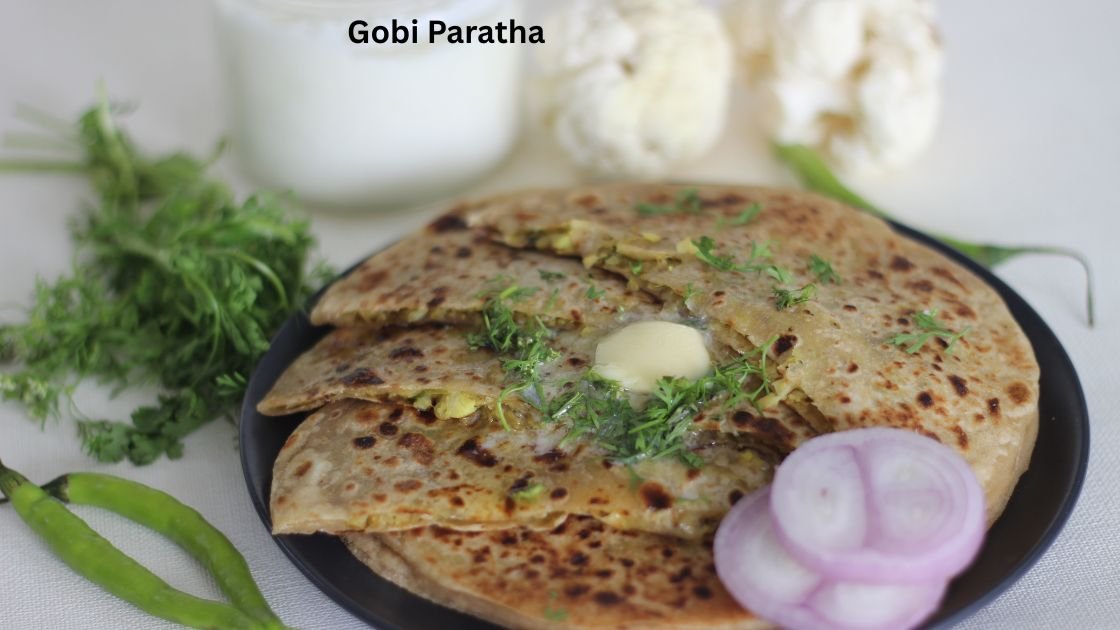
- Stuff it into parathas along with grated carrot and green chilies for a filling breakfast
- Add shredded cabbage to your dal or khichdi for extra fiber and texture
- Ferment it at home into a simple Indian-style kimchi or cabbage pickle for a probiotic boost
- Toss it into soups or stews in place of heavier vegetables for a lighter, low-calorie meal
Choosing and Storing Cabbage
Look for cabbage heads that feel heavy for their size with tightly packed, crisp leaves and no browning or soft spots. If you store it in the the refrigerator, a whole cabbage head can easily last one to two weeks. It is one of the more forgiving vegetables to keep on hand. Once cut, wrap the remaining half tightly in a cloth or airtight container. You can use it within a few days for the best texture.
A Word of Caution
Cabbage like other cruciferous vegetables can cause bloating or gas in some people. It’s worth introducing cabbage gradually if you’re not used to eating much of it. People on blood-thinning medication should also be mindful of their vitamin K intake from cabbage and other leafy greens. Keep a check with the doctor about maintaining a consistent intake.
At the end of the day, cabbage is proof that you don’t need an expensive superfood to eat well. It’s affordable, easy to cook with, and packed with nutrients that support digestion, immunity and heart health.