
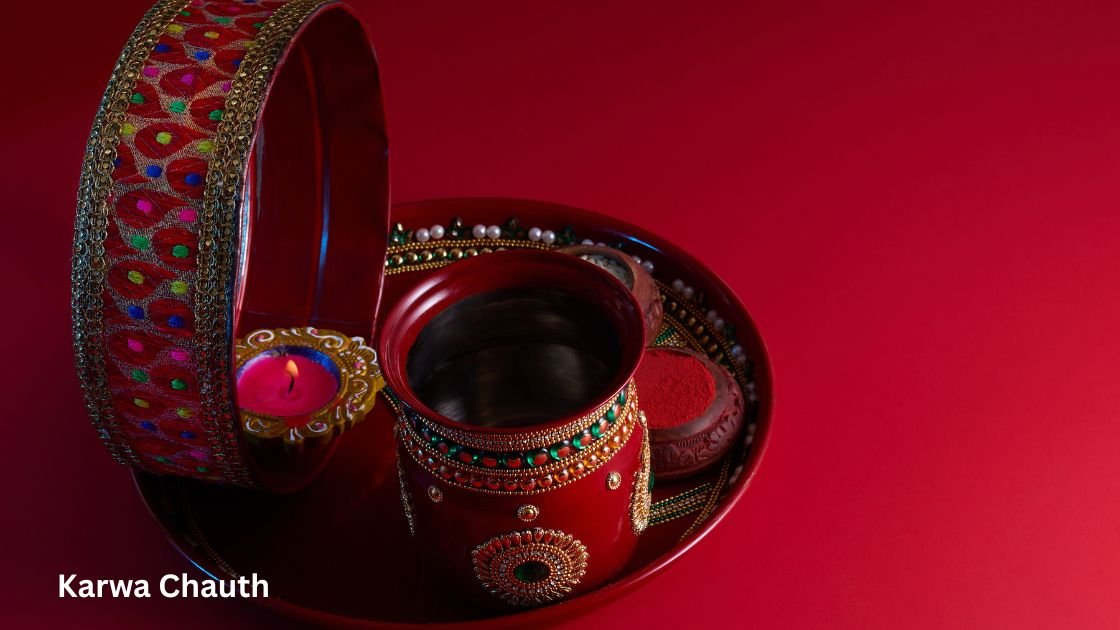
Karwa Chauth 2026 Vrat Guide: Sargi, Fasting Foods and What to Eat After Moonrise
What Is Karwa Chauth Karwa Chauth is a traditional fast observed mainly by married women in North India, primarily in Punjab, Haryana, Uttar Pradesh, and
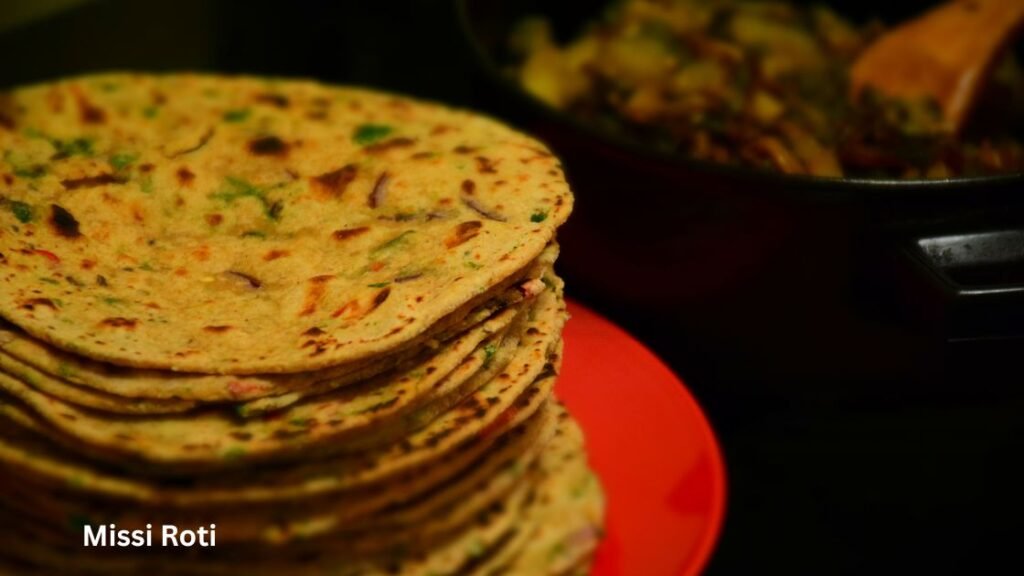
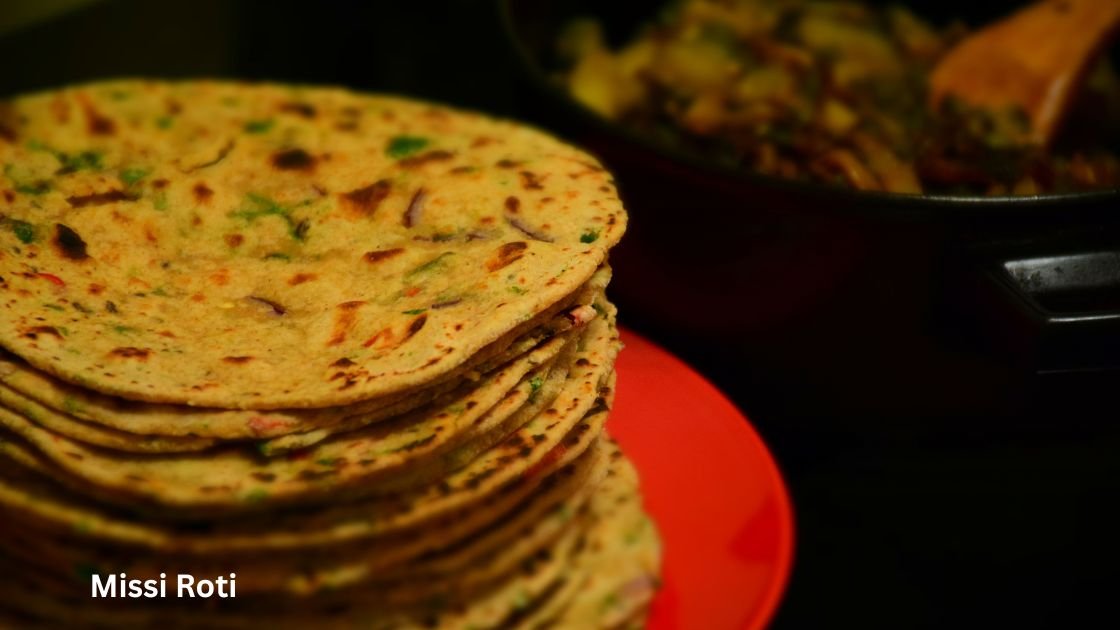
Missi Roti Recipe | Punjab’s Rustic Gram Flour Flatbread
There’s something about the smell of missi roti roasting on a tawa with a spoon of ghee melting into it that instantly takes me back
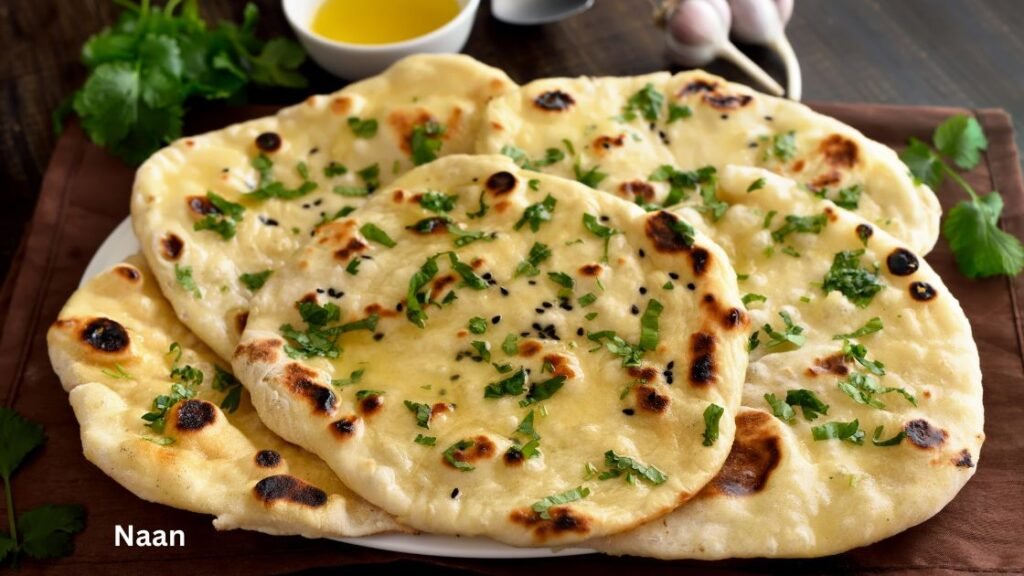
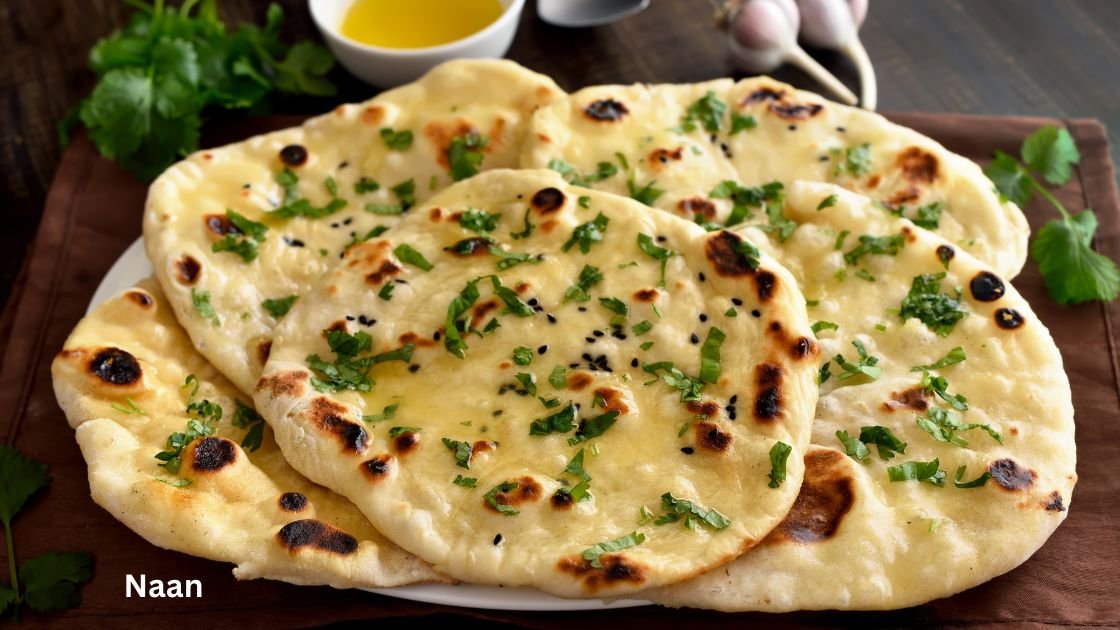
Naan Recipe | Punjab’s Soft, Pillowy Tandoor-Style Flatbread
What is Naan? Naan is a leavened, oven-baked flatbread made from refined flour (maida), yeast or baking soda, and a soft, enriched dough that usually
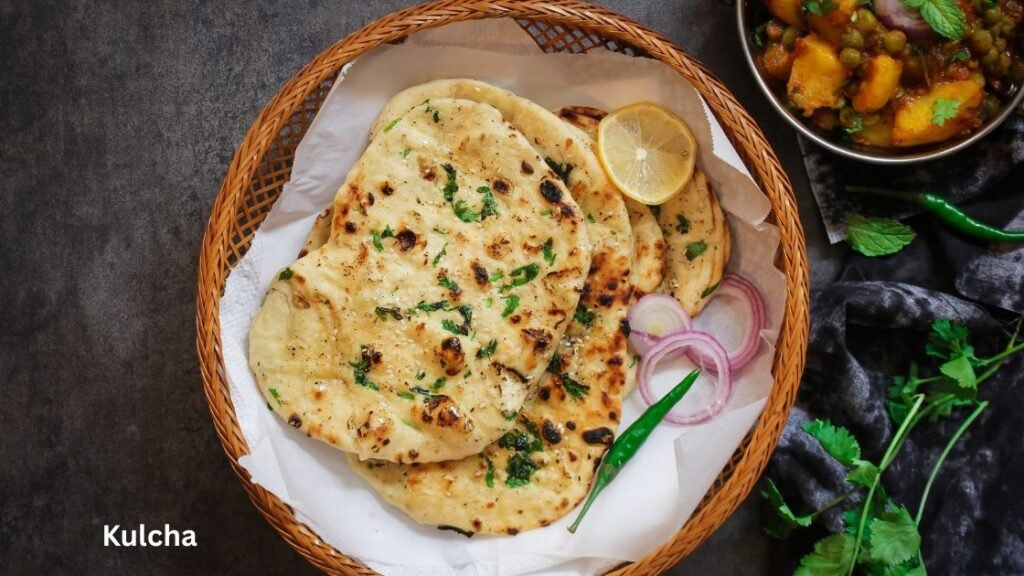
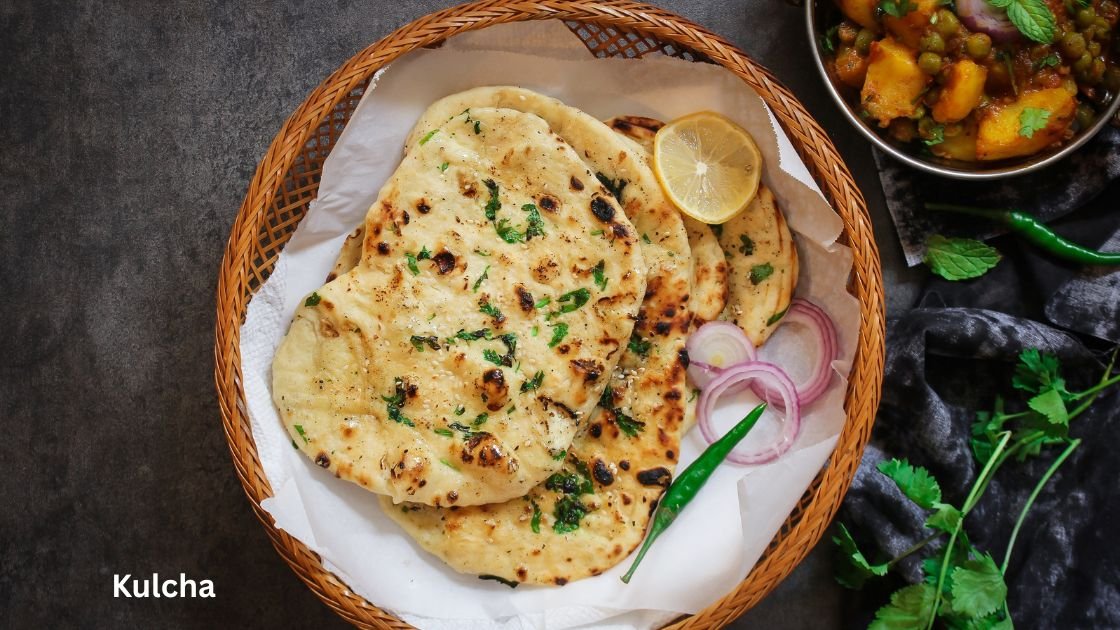
Kulcha Recipe | Amritsar’s Soft Stuffed Leavened Flatbread
What is Kulcha? Kulcha is a soft, leavened flatbread made from maida, leavened with yogurt and baking soda (traditionally without commercial yeast), and often stuffed
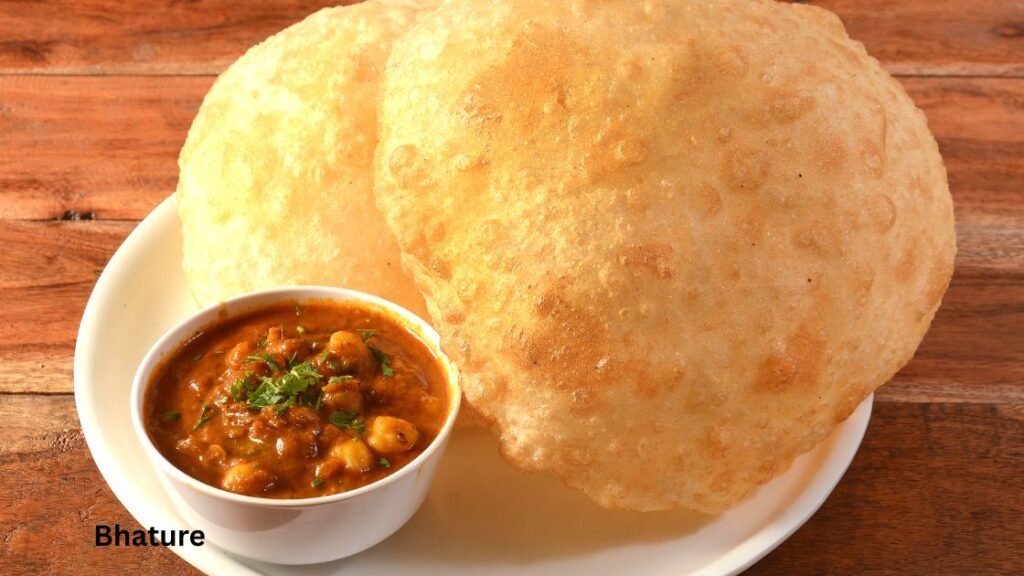
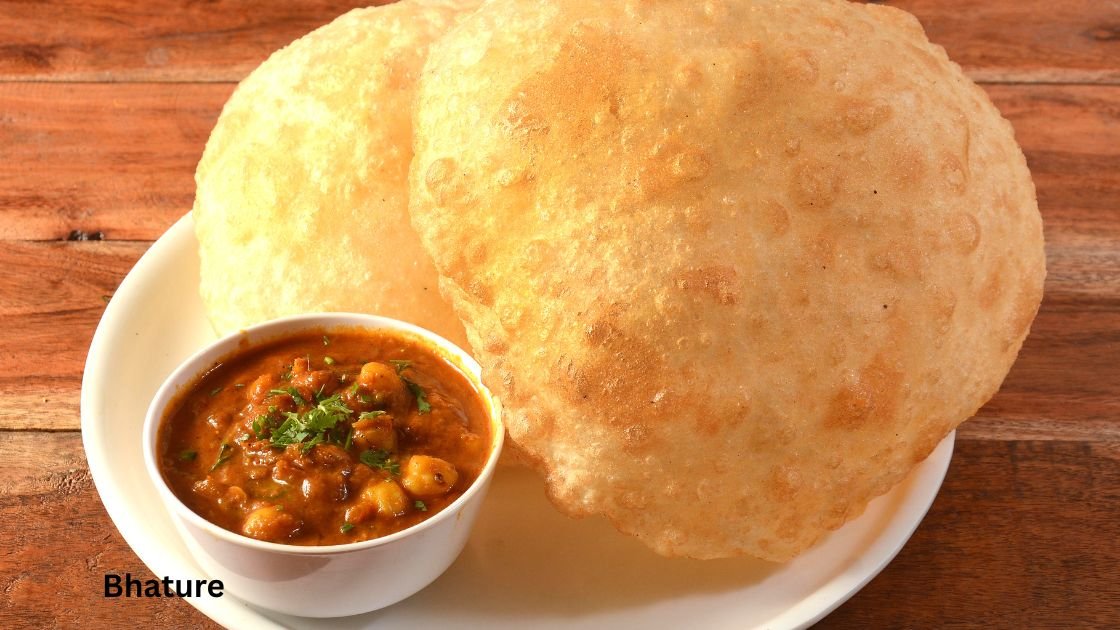
Bhatura Recipe | Punjab’s Fluffy Deep-Fried Bread for Chole Bhature
What is Bhatura? Bhatura is a deep-fried, leavened bread made from maida, yogurt, and a leavening agent (yeast, or baking soda combined with a long
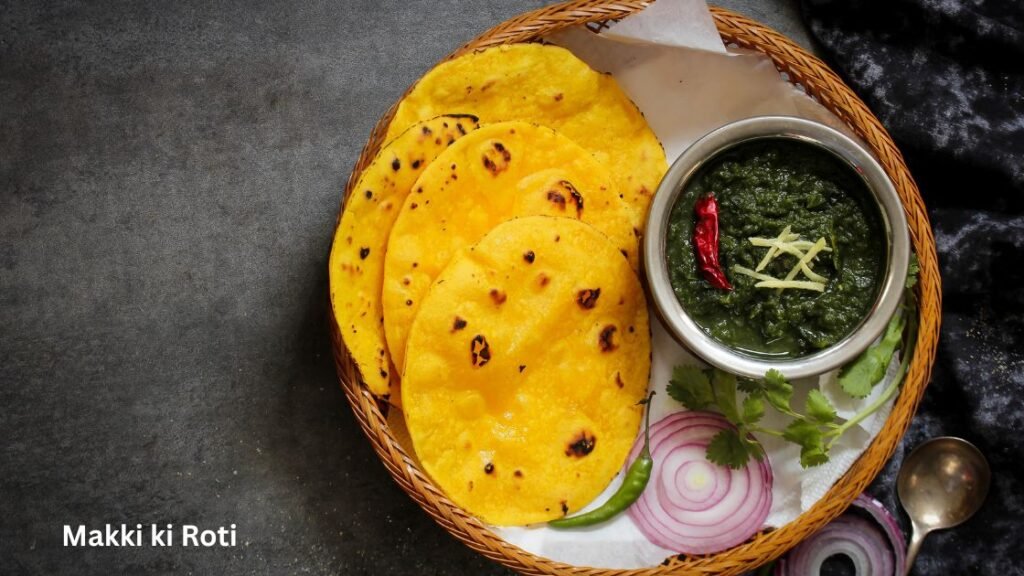
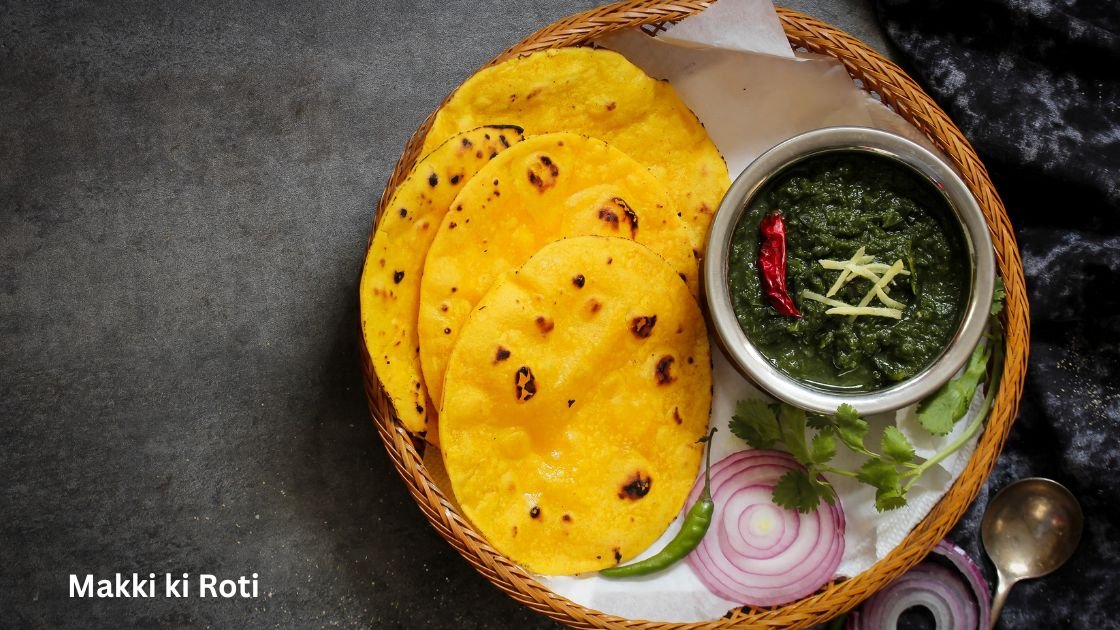
Makki di Roti Recipe | Punjab’s Classic Cornmeal Flatbread
What is Makki di Roti? Makki di roti is a traditional Punjabi flatbread made purely from makki ka atta (cornmeal), without any wheat flour. Because
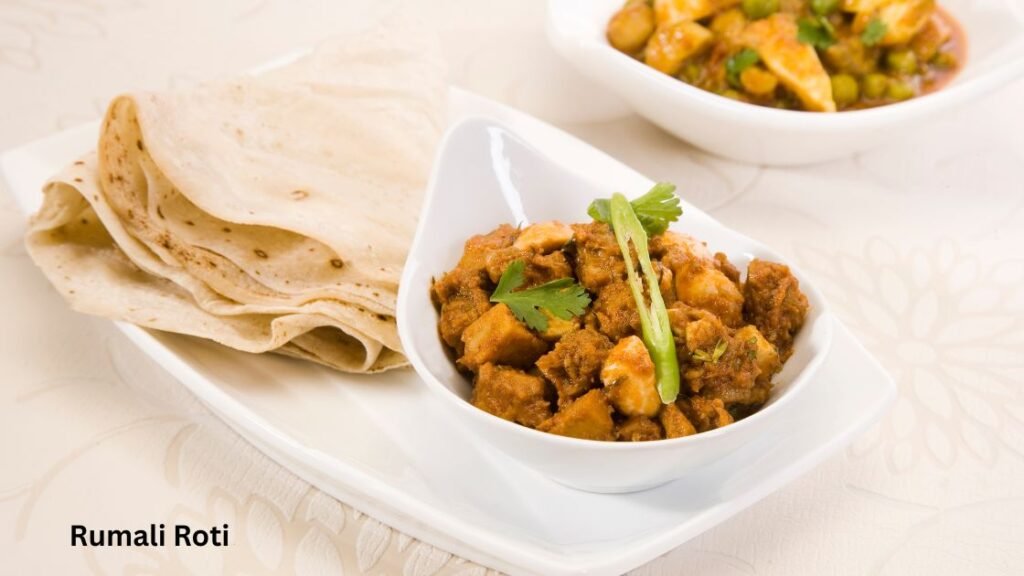
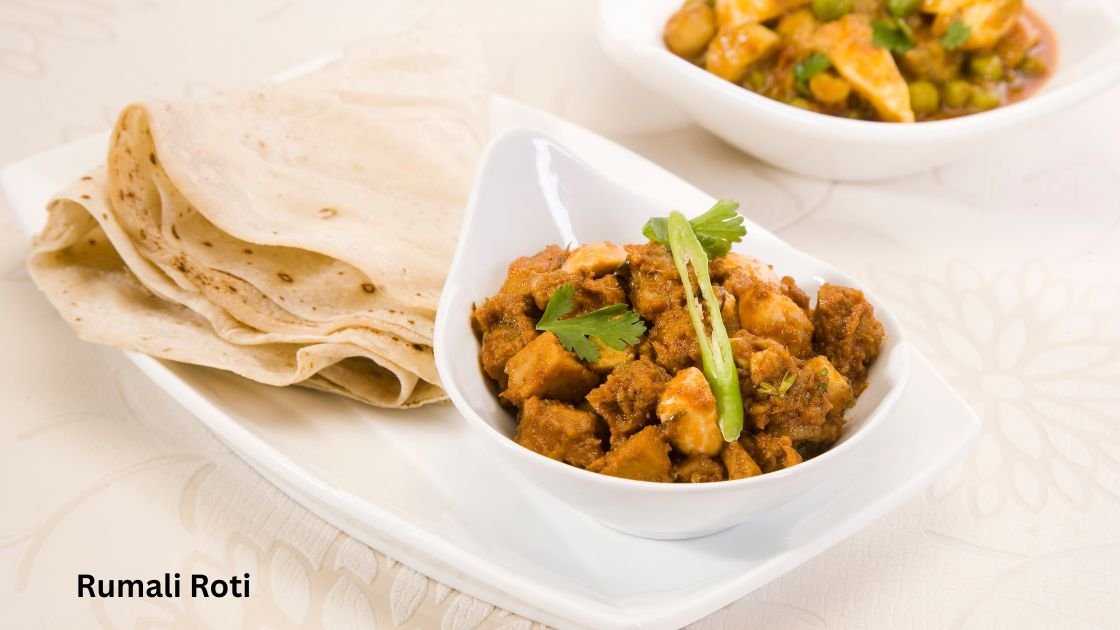
Rumali Roti Recipe | Punjab’s Paper-Thin Handkerchief Flatbread
What is Rumali Roti? Rumali roti is an ultra-thin, soft Indian flatbread made from a blend of maida and wheat flour. It is stretched and
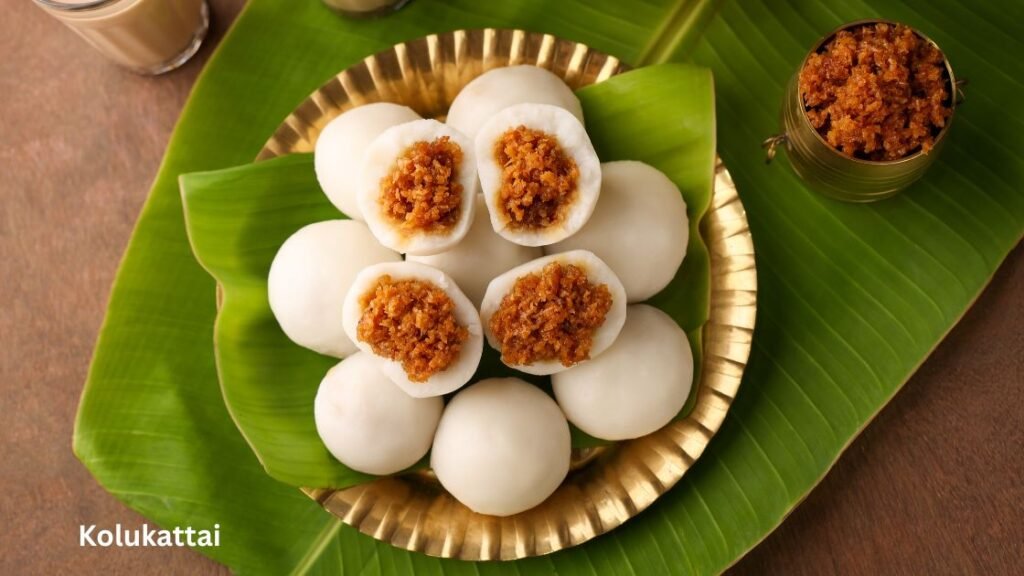
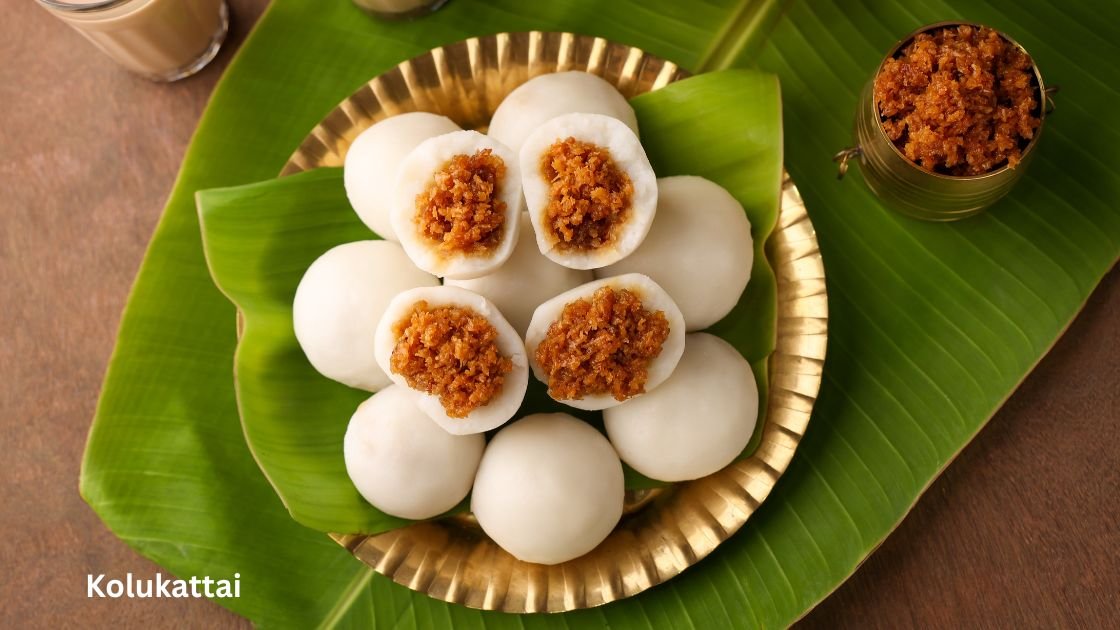
Kolukattai Recipe | South India’s Steamed Coconut-Jaggery Rice Dumplings for Ganesh Chaturthi
Kolukattai is a steamed rice flour dumpling filled with a sweet coconut and jaggery mixture. It is shaped into a cone with pleated edges pinched
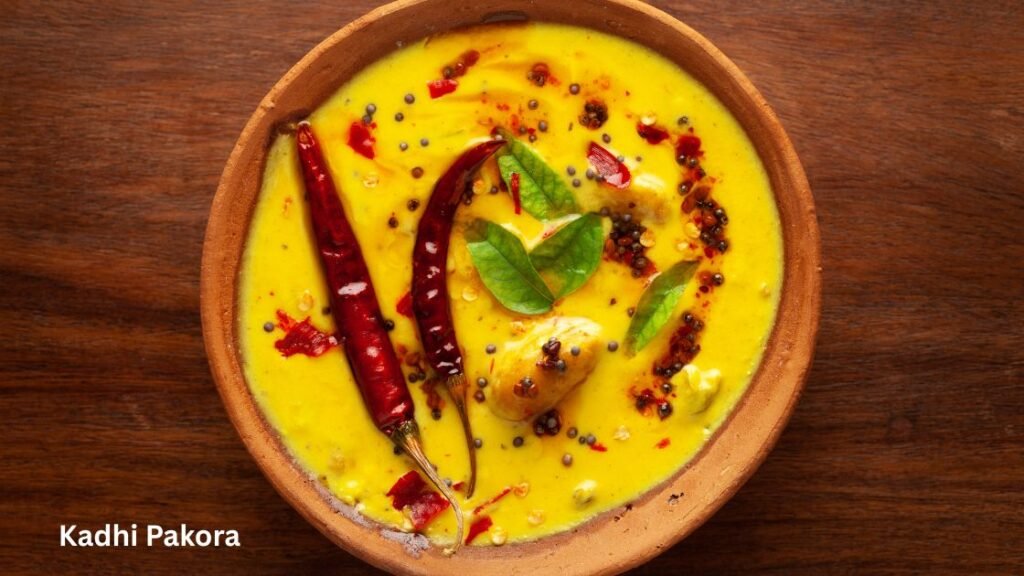
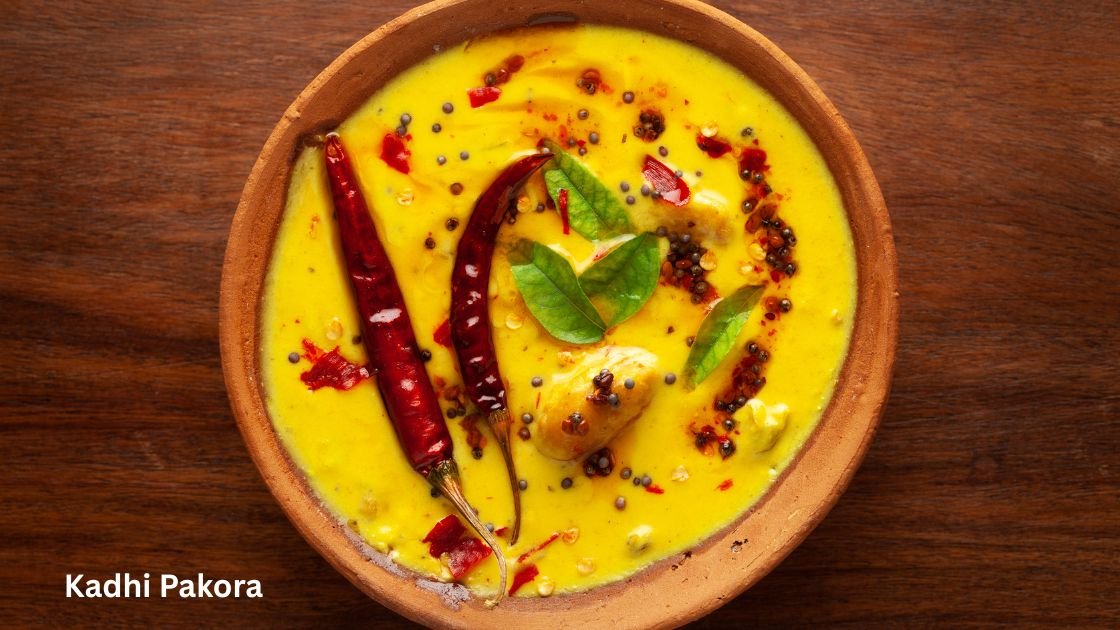
Kadhi Pakora Recipe
Kadhi pakora is a North Indian curry made from a base of whisked yogurt and gram flour (besan), simmered slowly until it thickens into a
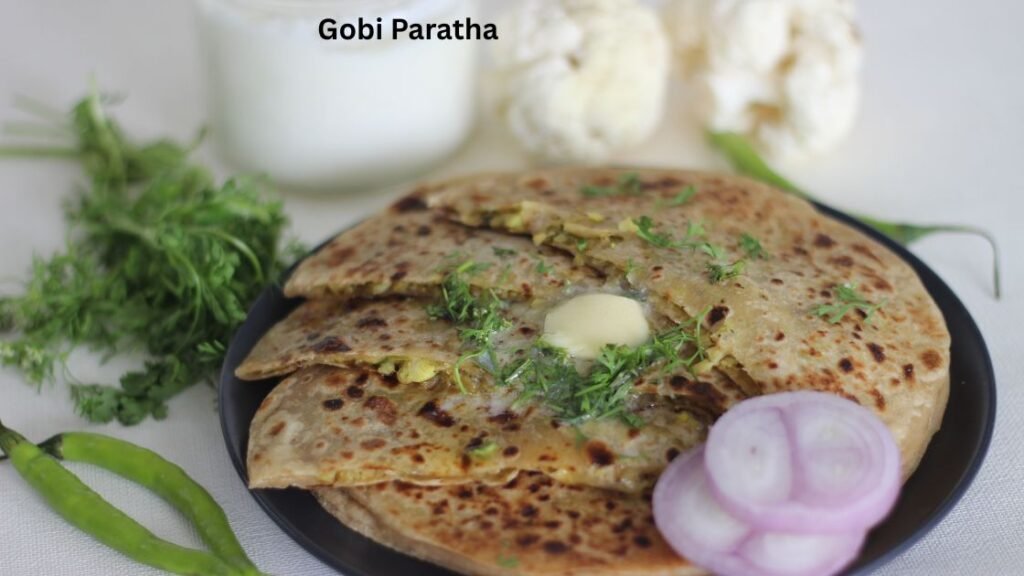
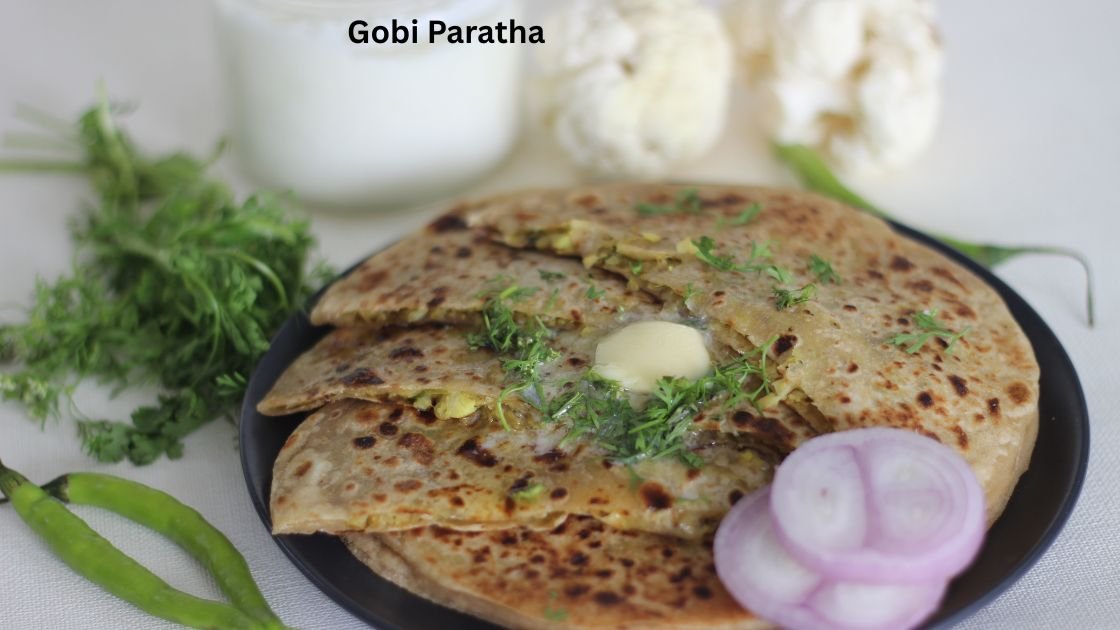
Gobi Paratha Recipe | North India’s Stuffed Cauliflower Flatbread for Breakfast
What is Gobi Paratha? Gobi paratha is a whole wheat flatbread stuffed with a spiced, finely grated cauliflower filling. It is rolled out and pan-fried

How to Store Paneer, Curd and Milk Safely During Festival Season
Festival season in an Indian kitchen means one thing: dairy everywhere. Paneer for the sabzi, khoya for the ladoos, curd for the raita and milk

Vegetarian Sources of Folate (Vitamin B9) for Indian Diets: Why It Matters Most for Women
Ask most Indian vegetarians which nutrients they need to watch and you’ll hear about protein, iron and maybe B12. Folate rarely comes up in conversation,

Health Benefits of Gond Katira (Edible Gum): The Cooling Ayurvedic Ingredient Everyone Searched For
If you’ve spent any time in an Indian kitchen during the hotter months, you’ve probably seen small, translucent, crystal-like pieces soaking in a bowl of
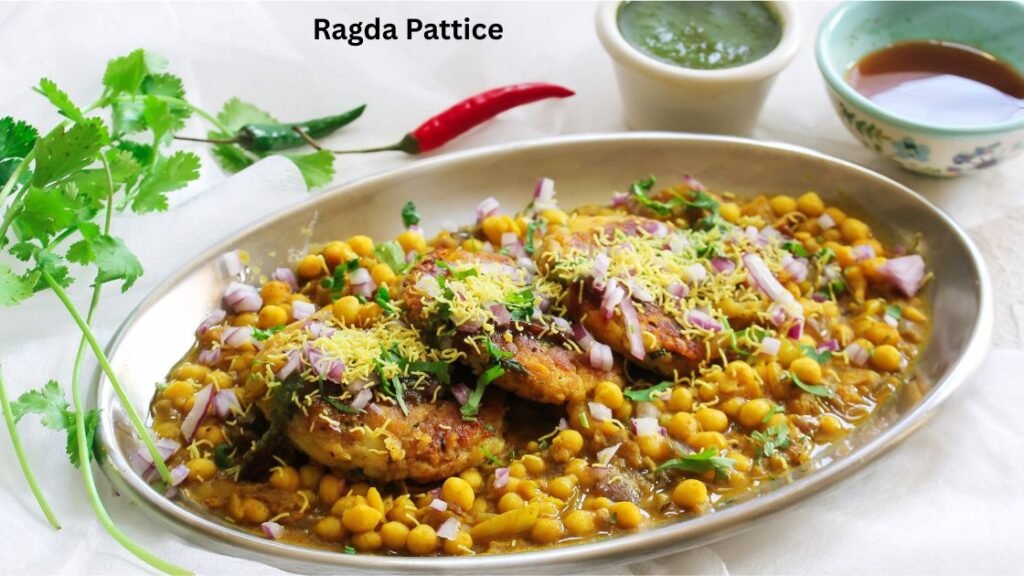
Ragda Pattice Recipe | Mumbai’s Spiced White Pea Curry with Crispy Potato Patties
What is Ragda Pattice? Ragda pattice is a popular Mumbai street food made of shallow-fried potato patties (pattice) served in a bowl of spiced white

One Response
The analysis in this article was spot-on. The author’s approach was both clear and engaging. I’m curious to see how others feel about these ideas. What do you think?